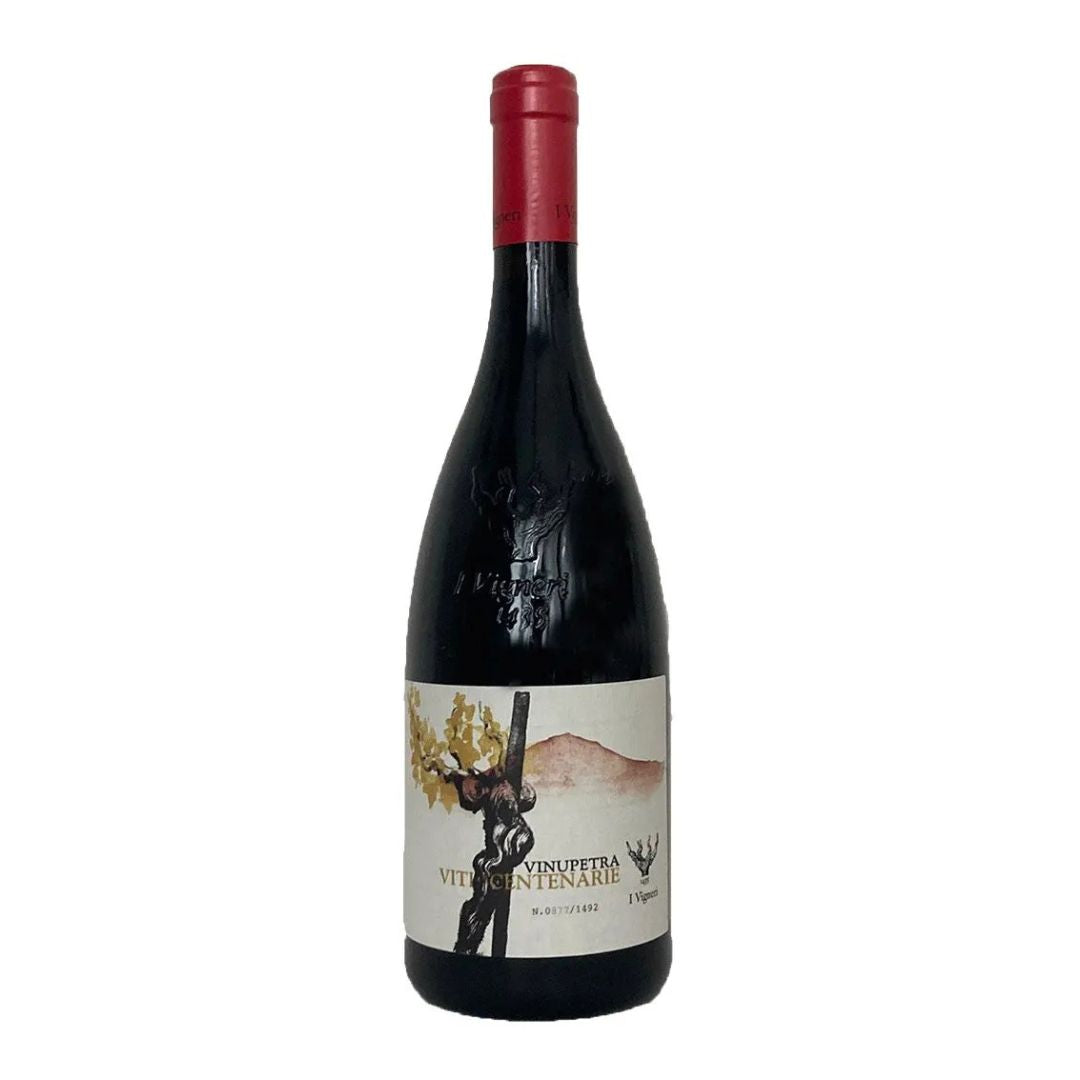
Vinupetra Viticentenarie | I Vigneri

Sale price€135,00

Red
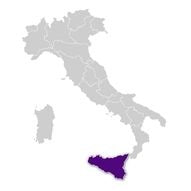
Sicily (IT)
Etna Rosso DOC
80% Nerello Mascalese; 10% Nerello Cappuccio; 10% Alicante
Enjoy it within 5 years
14% ABV

Download as PDF

Production and refinement

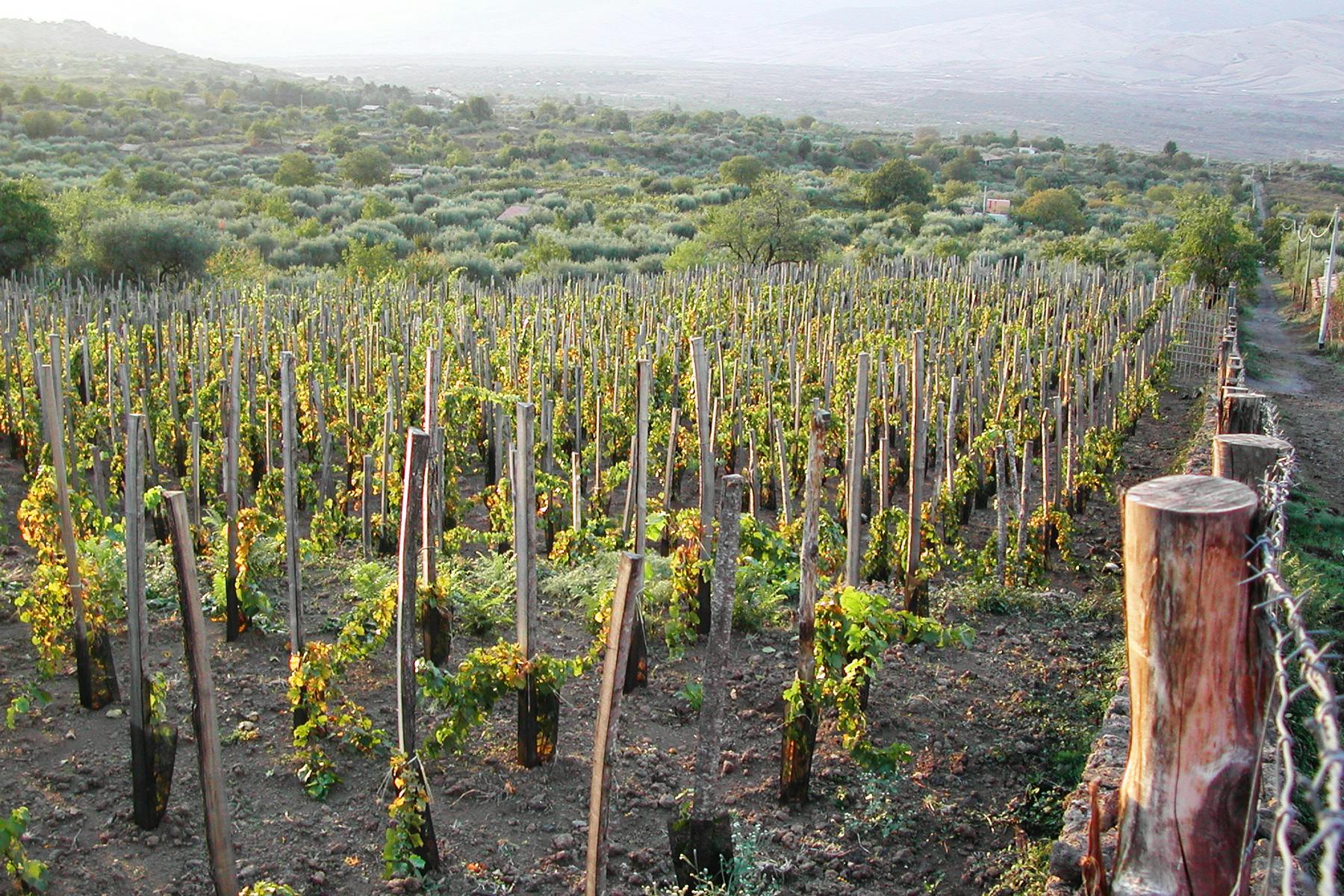
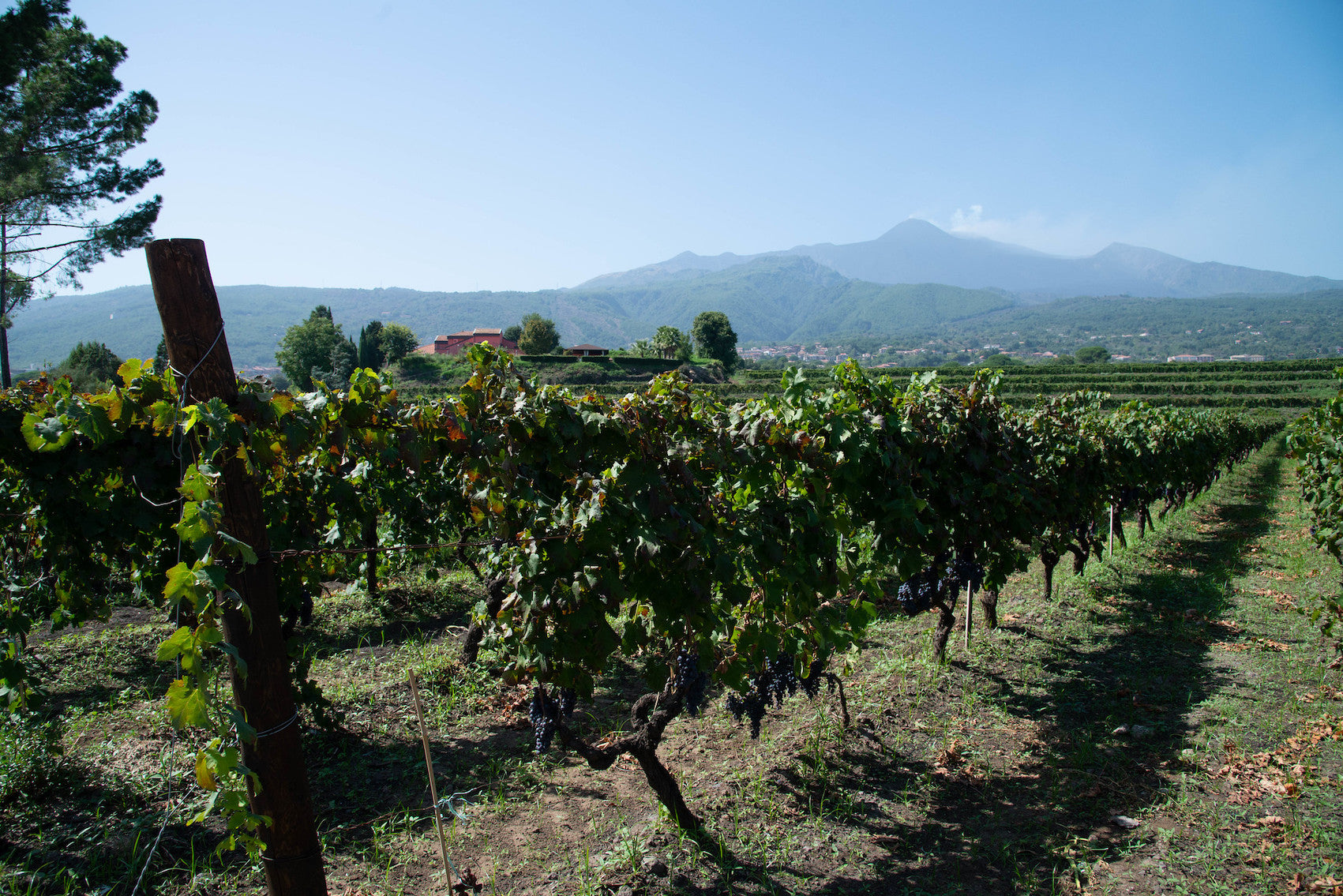
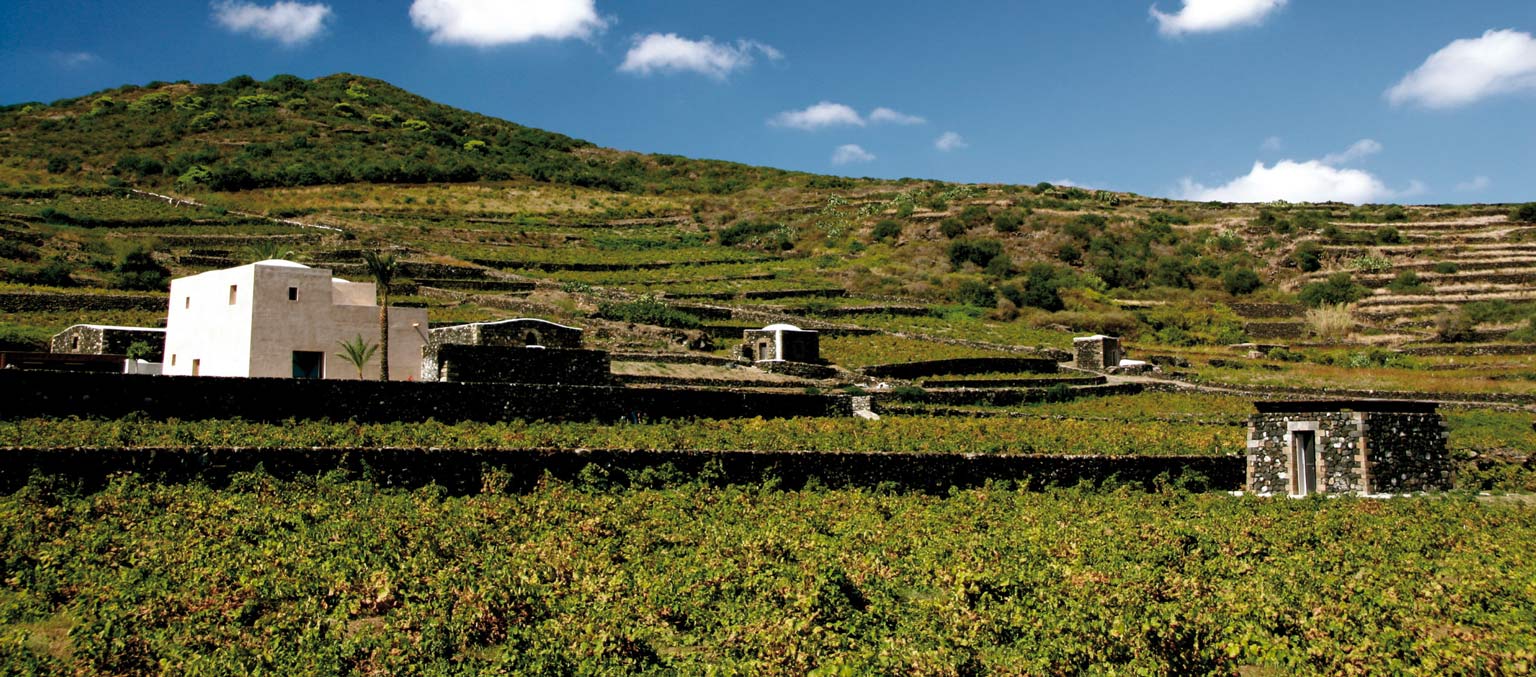
“Vinupetra” is a Sicilian dialect name meaning “wine made from a stony soil”, a direct reference to the extreme volcanic nature of Etna’s terroir. The project originates from historic vineyards located in Contrada Porcaria on the northern slope of Mount Etna, at around 580 meters above sea level, where viticulture is still carried out in a highly artisanal and manual way.

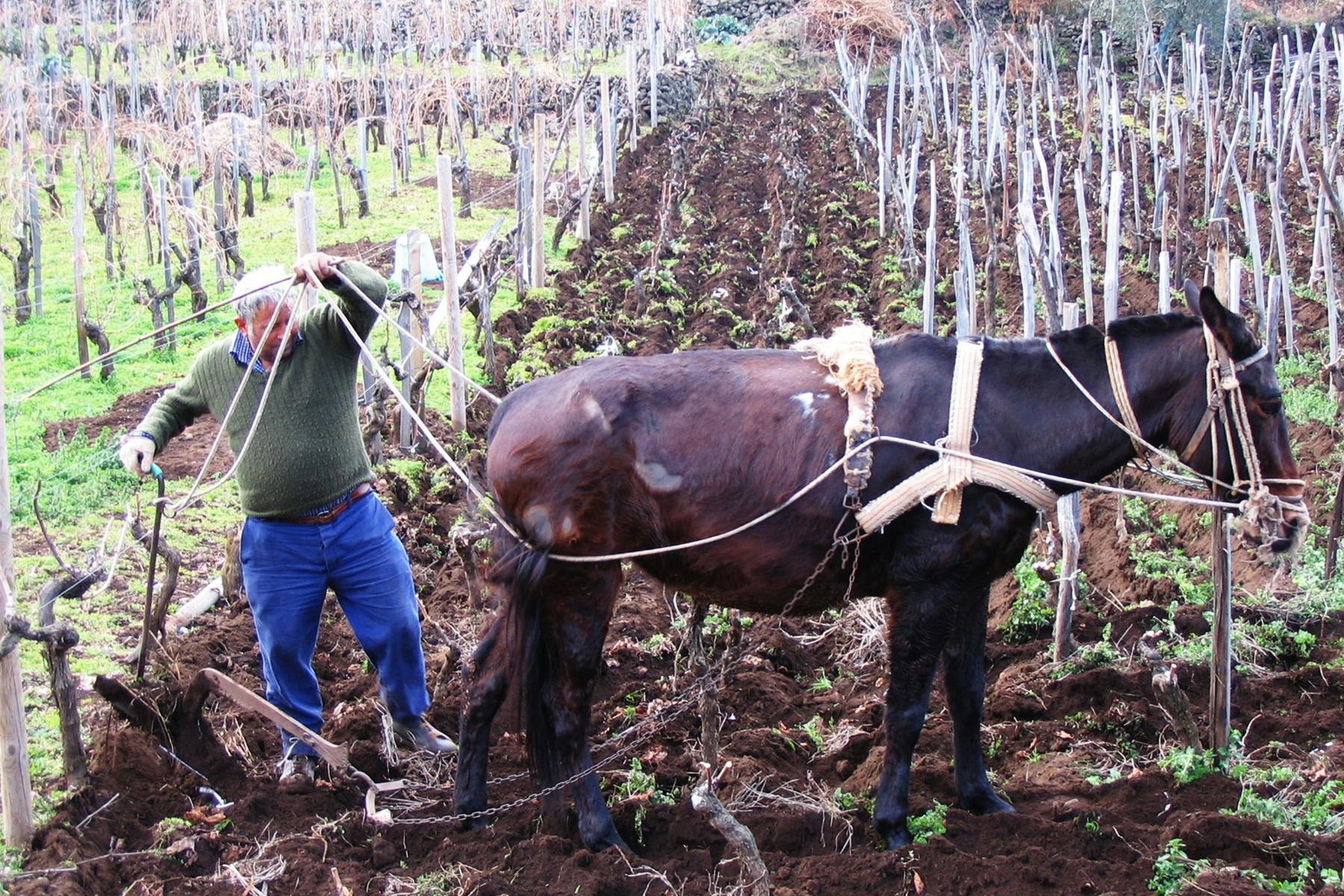
The vines, largely over a century old and often ungrafted, represent a unique ampelographic heritage. Vineyard management is entirely manual, with no use of biotechnology and a deeply respectful approach to natural cycles. Both cellar work and bottling follow traditional practices, including rackings and techniques inspired by lunar rhythms. Bottles are individually numbered, emphasizing the limited and identity-driven nature of the production.

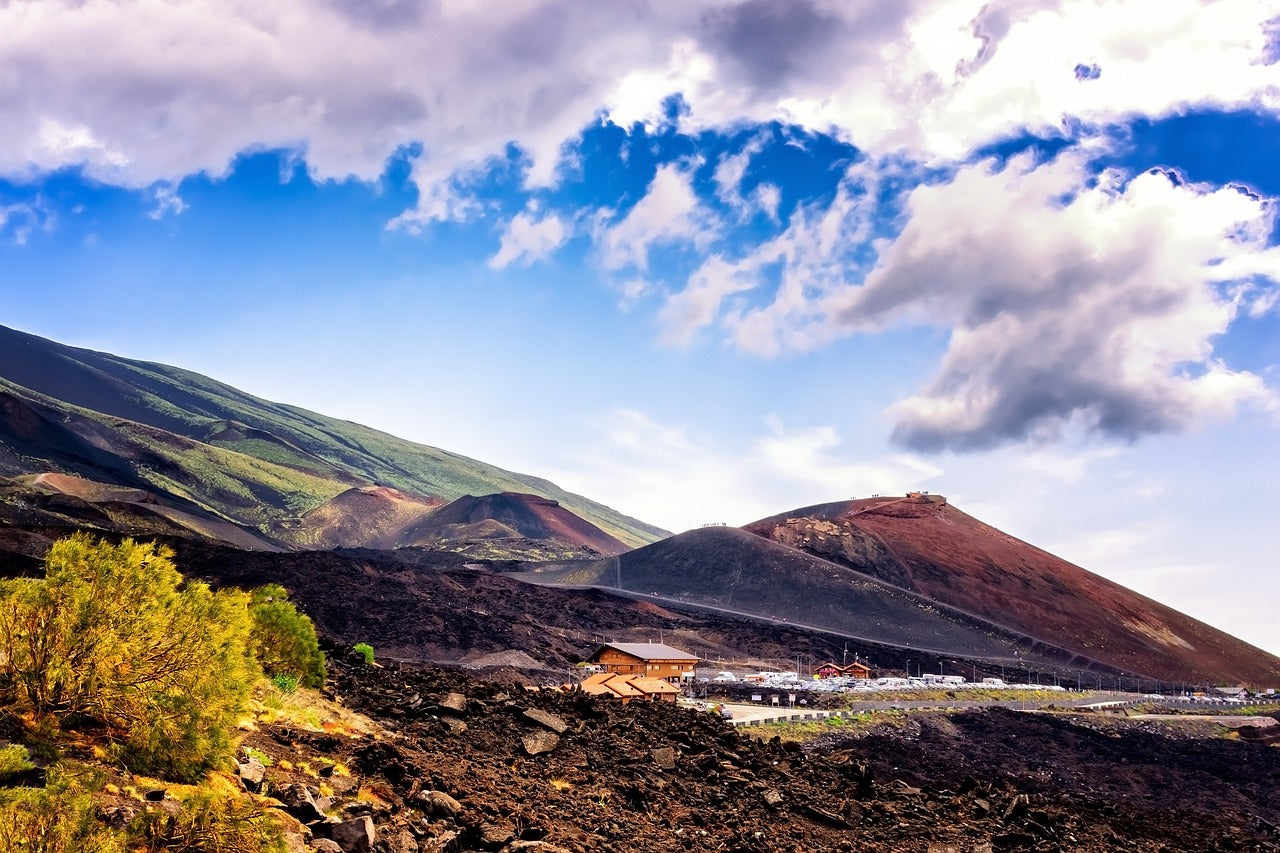
The soils are of volcanic origin, composed of lava flows and layered pyroclastic deposits, with abundant small and medium-sized stones. This poor, mineral-rich matrix forces the vines into strong natural selection, enhancing concentration and complexity. The climate is influenced by both the nearby Ionian Sea and the central crater, with significant diurnal temperature variation and an average rainfall of about 800 mm per year. Harvest takes place in the second decade of October, with hand-picking and careful selection of the grapes (Nerello Mascalese, Nerello Cappuccio, Alicante).

Winemaking involves crushing the grapes with about 30% whole clusters retained, followed by a maceration on the skins of at least 15 days in wooden vats. Alcoholic fermentation lasts around 12 days and is carried out with indigenous yeasts from the Etna palmenti, maintaining a strong link with the terroir.

Aging takes place in 225- and 500-liter oak barrels for 12–18 months, followed by an additional period of at least one year in bottle. The wine is not filtered except at bottling, with natural clarification by settling. Several rackings (around five) are performed during élevage, while sulfur dioxide use is minimal and added in small doses before fermentation and before bottling. Bottling takes place in May of the second year following the harvest.

Organoleptic analysis

Visual exam

A beautiful deep and intense ruby red color, with slightly garnet reflections that hint at the wine’s evolution. The texture is dense and luminous, showing good viscosity in the glass.

Olfactory examination

The bouquet is complex and layered, with notes of ripe and spirit-soaked red fruits, black cherry, and plum, followed by more evolved hints of tobacco, sweet spices, and light ethereal nuances. Intriguing mineral and ferrous notes typical of volcanic soils also emerge.

Tasting

The palate is elegant and harmonious, with a full yet not heavy attack. The tannic structure is present and enveloping, well integrated. Acidity supports the wine throughout its development, providing energy and verticality. The finish is long, persistent, and savory, with fruity and spicy echoes that recall the wine’s aromatic complexity.

Contents index

From the vineyard to the table: discover our wine

Ready for a journey to discover Vinupetra Viticentenarie | I Vigneri ? We will now take you to delve deeper into every aspect of this exceptional wine through three key sections:

Cellar

Come and learn about the history and values ​​of the winery which passionately grows and transforms grapes into wine

Territory

Immerse yourself in the land that gives life to these unique grapes, discovering the climate and terroir that influence its character

Pairings

Get expert advice on the perfect pairings that will enhance both the wine and your meal

The winery

Country: Italy

Region: Sicily, Catania

Hectares of vineyards: 7

I Vigneri

This enterprise is the synthesis of a thirty-year experience on Etna and in Eastern Sicily, through historical, social, and technical research aimed at excellence in viticulture.

They use non-invasive tools and systems, both in the vineyard and in the cellar, respecting, as much as possible, tradition and ancient grape varieties, without introducing changes dictated by vanity and selfishness. The industrious spirit of the Foti Family is linked to the pleasure of doing well, without haste, in harmony with themselves and the surrounding environment: the landscape, nature, Mount Etna, of which they are a part, not above.

I Vigneri

I Vigneri represents an organic system of viticulture in respect of man and the environment. It is strongly desired that the wines are the purest essence of the environment and the ancient wine-growing civilization.

Salvo summarizes his aspirations with these words: a human wine, produced by man, for man, in respect of the environment.

Region and territory

A land kissed by the sun
Sicily

A land kissed by the sun

Sicily

A land kissed by the sun

Sicily

Sicilian wine territory is now considered a true continent, thanks to its pedoclimatic variability and rich biodiversity. It is located in the center of the Mediterranean and in the so-called "northern sunbelt," an area between the 30th and 50th parallels north and the 30th and 40th parallels south, where the best conditions of brightness and temperature for vine cultivation are found.

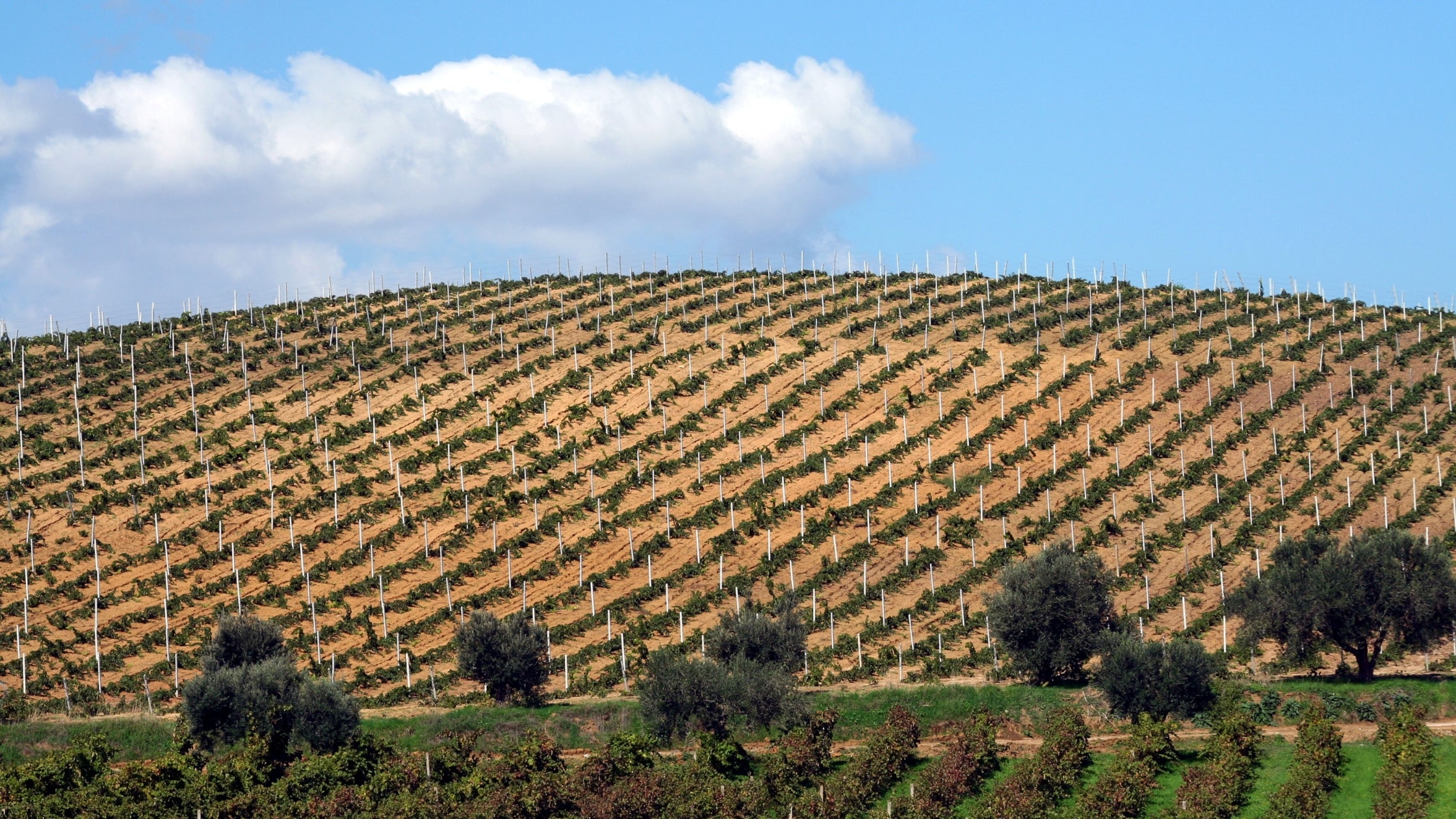
On the smaller islands, given the high temperatures and windy conditions, the typical training system is the "alberello" and its "mixed" versions (for example, on the island of Pantelleria), as well as the "Tendone" system. In the rest of Sicilian territory, however, more than half of the vineyards use espaliers and contre-espaliers. In Sicily, wines with a long history are born, such as Marsala, but also fragrant dessert wines like Passito di Pantelleria and Malvasia delle Lipari, not to mention Moscato di Noto and numerous robust red wines and interesting white wines. There's also Nerello Mascalese, climbing the slopes of Mount Etna.

Etna

Mount Etna is a wine region that offers unique wines in the world.
Thousands of years of powerful eruptions, complex transformations, and ongoing volcanic events have made the soil that hosts the vineyards the key element from which springs that exclusive and unparalleled complexity, essential for a wine, the Etna wine, increasingly famous worldwide.

In the Etna area, there are substantial microclimatic differences between one zone and another of the volcano, due to the particular position of Mount Etna and its morphology. The territory, the microclimate, the volcanic soil rich in minerals, together with the peculiarity of the native grape varieties, favor the production of unique wines.

Etna wine was the first Sicilian table wine to obtain recognition as a Controlled Designation of Origin (DOC).

Mount Etna, with its millennia-old history of eruptions and volcanic transformations, confers upon its wines a unique complexity in the world.

Recommended pairings and dishes

Matching by concordance

Dishes that share the same aromatic and territorial depth as this great red wine should be prioritized: preparations with mushrooms, Mediterranean herbs, sweet spices, and smoky notes echo the complexity of Nerello Mascalese and the volcanic imprint of the terroir. Grilled meats or slow-cooked dishes that develop toasted and caramelized notes also pair perfectly with the wine’s profile, creating a coherent link between aromatic intensity and gustatory structure.

Matching by contrast

Perfect as a contrasting pairing with rich, structured dishes, where its natural acidity and tannic backbone help cleanse the palate and lighten the perception of fattiness. Preparations such as braised or stewed meats allow the wine to appear softer and more harmonious, while the salinity of blue cheeses creates a balance between intensity and freshness, making the sip dynamic.

It pairs well with

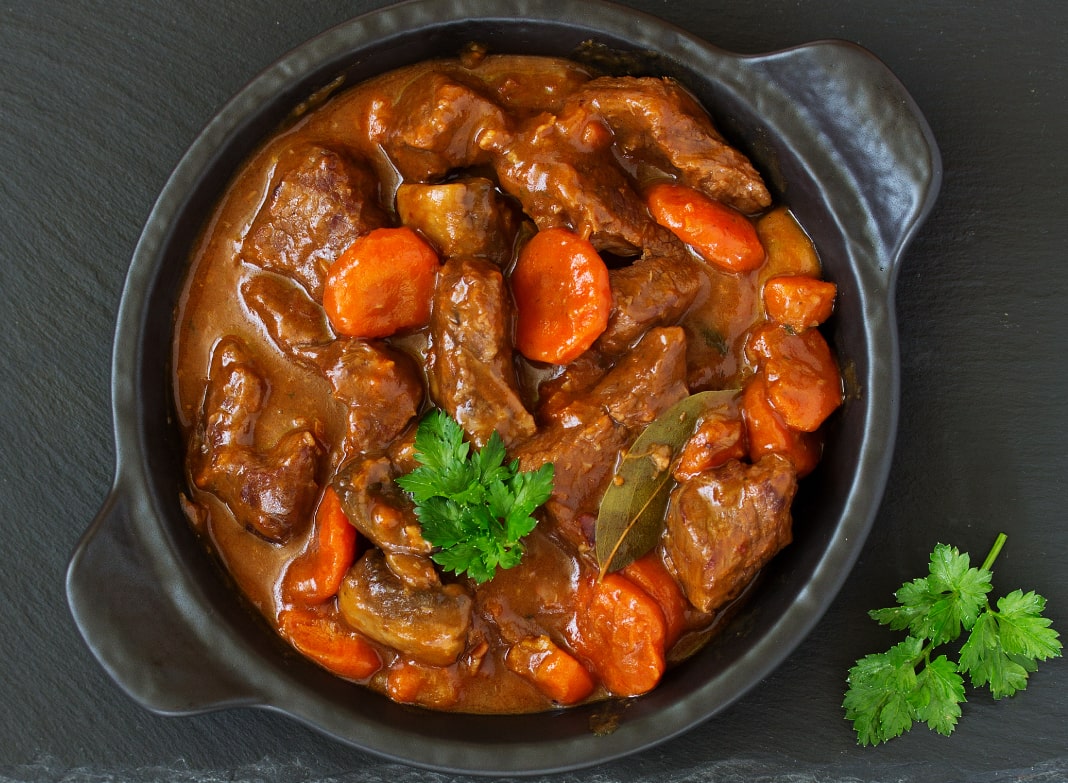
Structured and deep dishes from Mediterranean tradition and meat-based cuisine. It is ideal with pasta with meat ragù, roasted or grilled red meats, stews and braised dishes, game, and slow-cooked preparations. It also pairs very well with aged and blue cheeses.

Matching by concordance

Dishes that share the same aromatic and territorial depth as this great red wine should be prioritized: preparations with mushrooms, Mediterranean herbs, sweet spices, and smoky notes echo the complexity of Nerello Mascalese and the volcanic imprint of the terroir. Grilled meats or slow-cooked dishes that develop toasted and caramelized notes also pair perfectly with the wine’s profile, creating a coherent link between aromatic intensity and gustatory structure.

Matching by contrast

Perfect as a contrasting pairing with rich, structured dishes, where its natural acidity and tannic backbone help cleanse the palate and lighten the perception of fattiness. Preparations such as braised or stewed meats allow the wine to appear softer and more harmonious, while the salinity of blue cheeses creates a balance between intensity and freshness, making the sip dynamic.

It pairs well with

Structured and deep dishes from Mediterranean tradition and meat-based cuisine. It is ideal with pasta with meat ragù, roasted or grilled red meats, stews and braised dishes, game, and slow-cooked preparations. It also pairs very well with aged and blue cheeses.

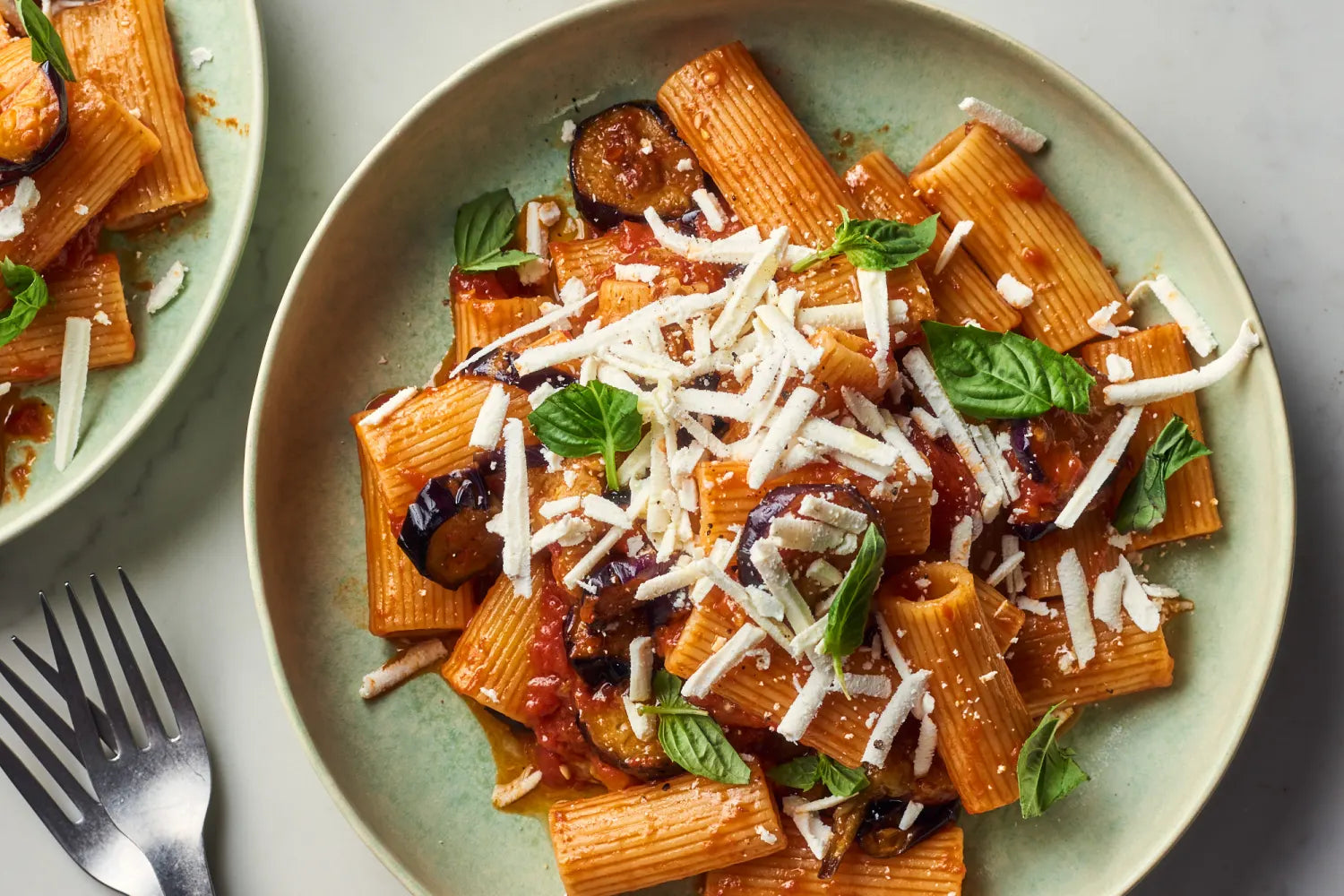
Pasta alla norma

Pasta alla Norma is one of the most beloved Sicilian first courses. Its sauce made with tomato, fried eggplants, and sheep's milk ricotta creates a true triumph of flavors and aromas, in the full Mediterranean style.

Wild Boar Stew

A rich autumnal dish with a bold flavor, enhanced by slow cooking and intense aromas. It pairs perfectly when served with delicious taragna polenta.

Vinupetra Viticentenarie | I Vigneri , did you like it?

Tell us about it by clicking here

Review

Vinupetra Viticentenarie | I Vigneri , did you like it?

Tell us about it by clicking here

Review