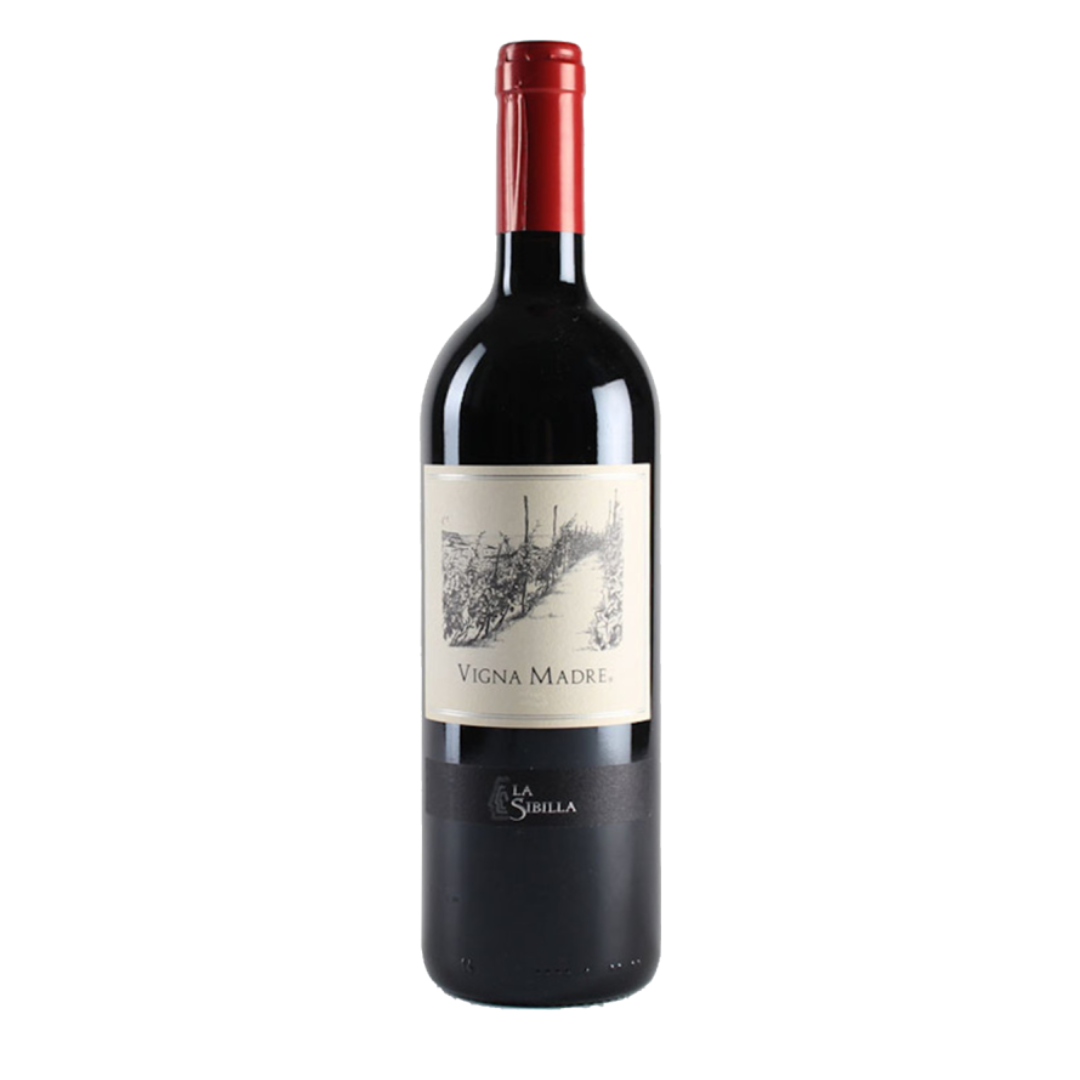
Vigna Madre Piedirosso Campi Flegrei | La Sibilla

Sale price€26,00

Red
Campania (IT)
Piedirosso

Download as PDF

Production and refinement

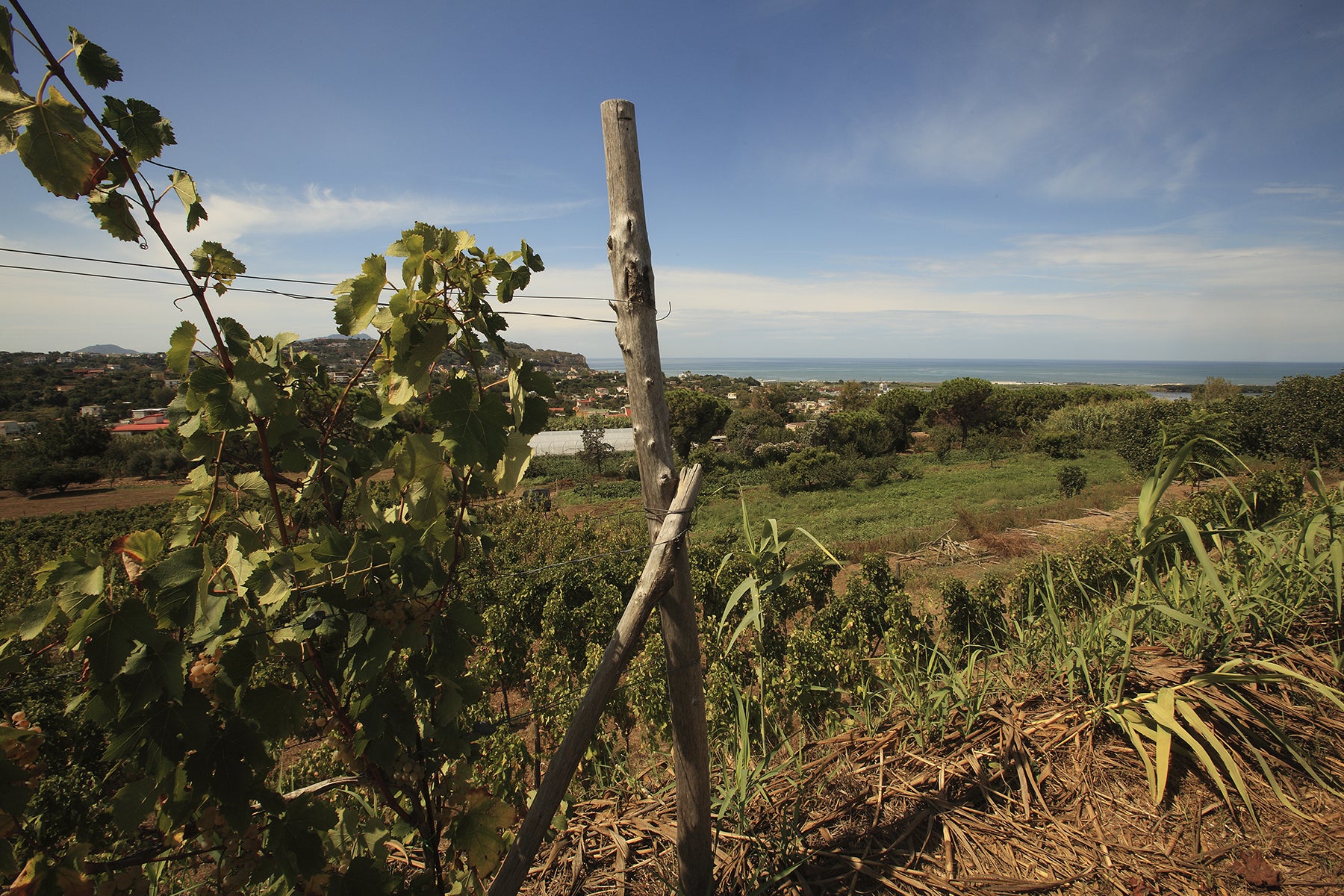
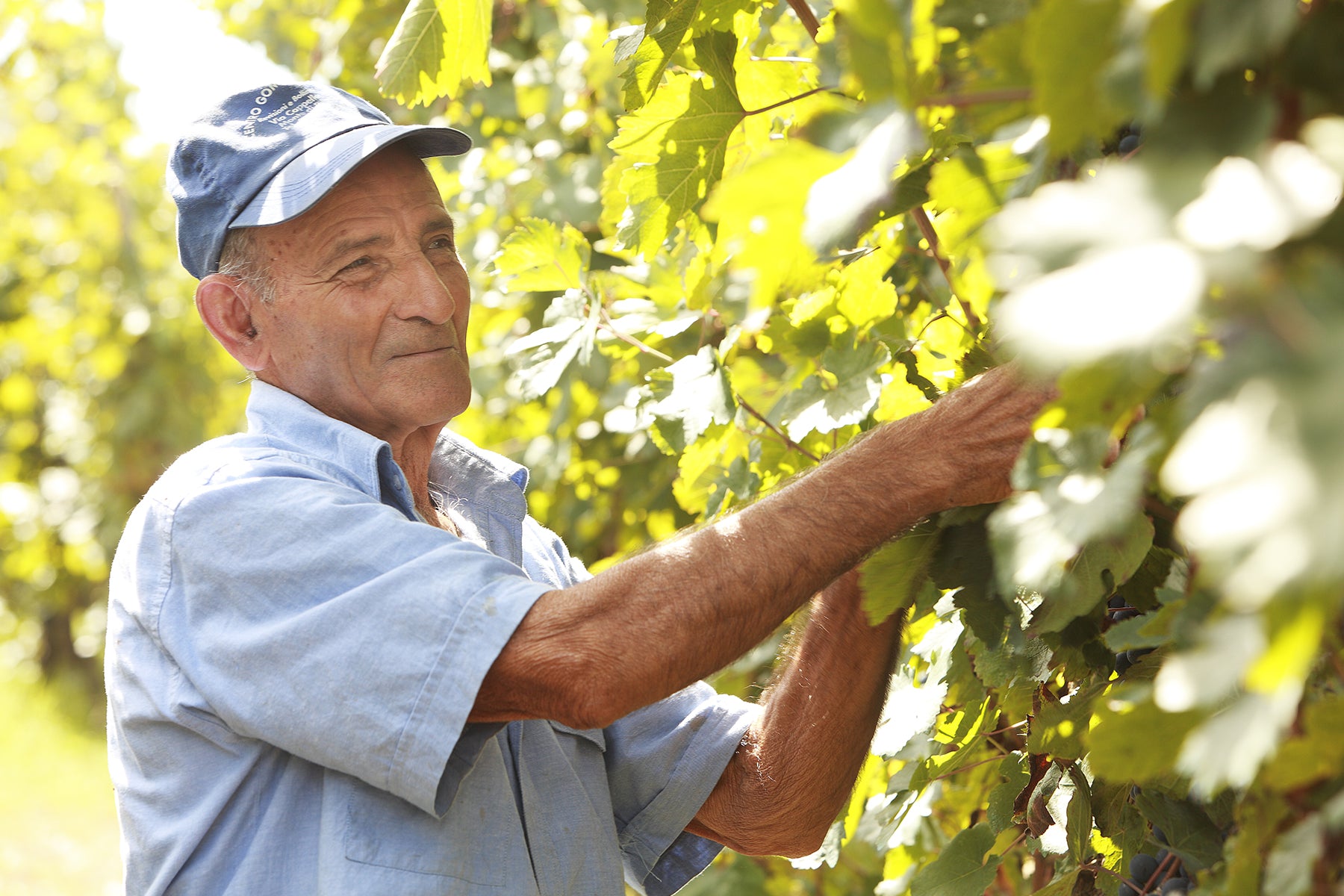
Piedirosso grapes are hand-harvested, carefully selected directly in the vineyard, and collected in wicker baskets. The vineyard rows are managed to respect the structure of the historic vineyard, with minimal interventions aimed at preserving plant vitality and fruit quality. The row orientation and southern exposure ensure optimal grape ripening, while the volcanic soil contributes distinctive mineral notes to the profile.

After harvest, the grapes are quickly brought to the winery, destemmed, and gently pressed, then fermented in temperature-controlled stainless steel tanks. The wine then matures for six months on its fine lees and completes its journey with one year of bottle aging, developing elegance, balance, and aromatic complexity.

Organoleptic analysis

Visual exam

Intense ruby red with garnet reflections, bright and luminous, reflecting the wine’s maturity and structure.

Olfactory examination

On the nose, it is complex and elegant, with aromas of quince, red fruits preserved in spirits, dried fruit, and hints of underbrush, pepper, and Mediterranean scrub, evoking the richness of the volcanic terroir.

Tasting

On the palate, it is full and enveloping, with velvety tannins and a robust yet balanced structure. The minerality from the volcanic soils provides freshness and length, while the finish is persistent and harmonious, with fruity echoes and hints of blackberry and blueberry.

Contents index

From the vineyard to the table: discover our wine

Ready for a journey to discover Vigna Madre Piedirosso Campi Flegrei | La Sibilla ? We will now take you to delve deeper into every aspect of this exceptional wine through three key sections:

Cellar

Come and learn about the history and values ​​of the winery which passionately grows and transforms grapes into wine

Territory

Immerse yourself in the land that gives life to these unique grapes, discovering the climate and terroir that influence its character

Pairings

Get expert advice on the perfect pairings that will enhance both the wine and your meal

The winery

Country: Italia

Region: Campania, Napoli

Hectares of vineyards: 6

La Sibilla

L'azienda si trova in provincia di Napoli, nel cuore dei Campi Flegrei, vicino all’Antro della Sibilla Cumana. La Sibilla ha una storia di oltre 100 anni alle spalle, e oggi coltiva circa 7 ettari; nei vigneti sono presenti viti autoctone centenarie di falanghina e piedirosso su pali, a pali di castagno come da tradizione.

La famiglia di Meo, custode di un patrimonio enoico tramandato di generazione in generazione e coltiva i propri vitigni mossa da sempre dalla passione per la terra e per i suoi prodotti; da due anni, inoltre, Vincenzo Di Meo, enologo giramondo che guida attualmente l'azienda, ha avviato anche il recupero di ulteriori vitigni autoctoni come ‘a livella, ‘a surcella e 'a marsigliese: l'obiettivo primario è sempre quello di produrre vini dal sapore e dal gusto di una volta, rendendo protagoniste, insieme alle moderne tecnologie, anche le antiche tradizioni.

La Sibilla

Le viti, allevate su terreni sabbiosi di origine vulcanica e immuni alla filossera, sono un vero e proprio museo vegetale. Suddivise in due corpi principali, il primo a ridosso della cantina e il secondo vicino alla villa romana, conosciuta come Villa di Cesare, nell’Oasi naturalistica del WWF, regalano ottimi vini dalle caratteristiche peculiari, preservando il territorio.

Assecondando la vocazione del territorio e amando il lavoro in vigna, la cantina produce vini dalla personalità inconfondibile, mai uguali a se stessi se non per la qualità. Sempre freschi, fragranti ed espressivi, questi vini sono i migliori ambasciatori possibili di un territorio ancora da scoprire.

Bottiglie longeve, che sfidano il tempo, frutti del passato che arrivano direttamente dalle ceneri vulcaniche, espressione di viticoltori che guardano al futuro innovando senza paura, con sulle spalle la migliore tradizione locale.

Region and territory

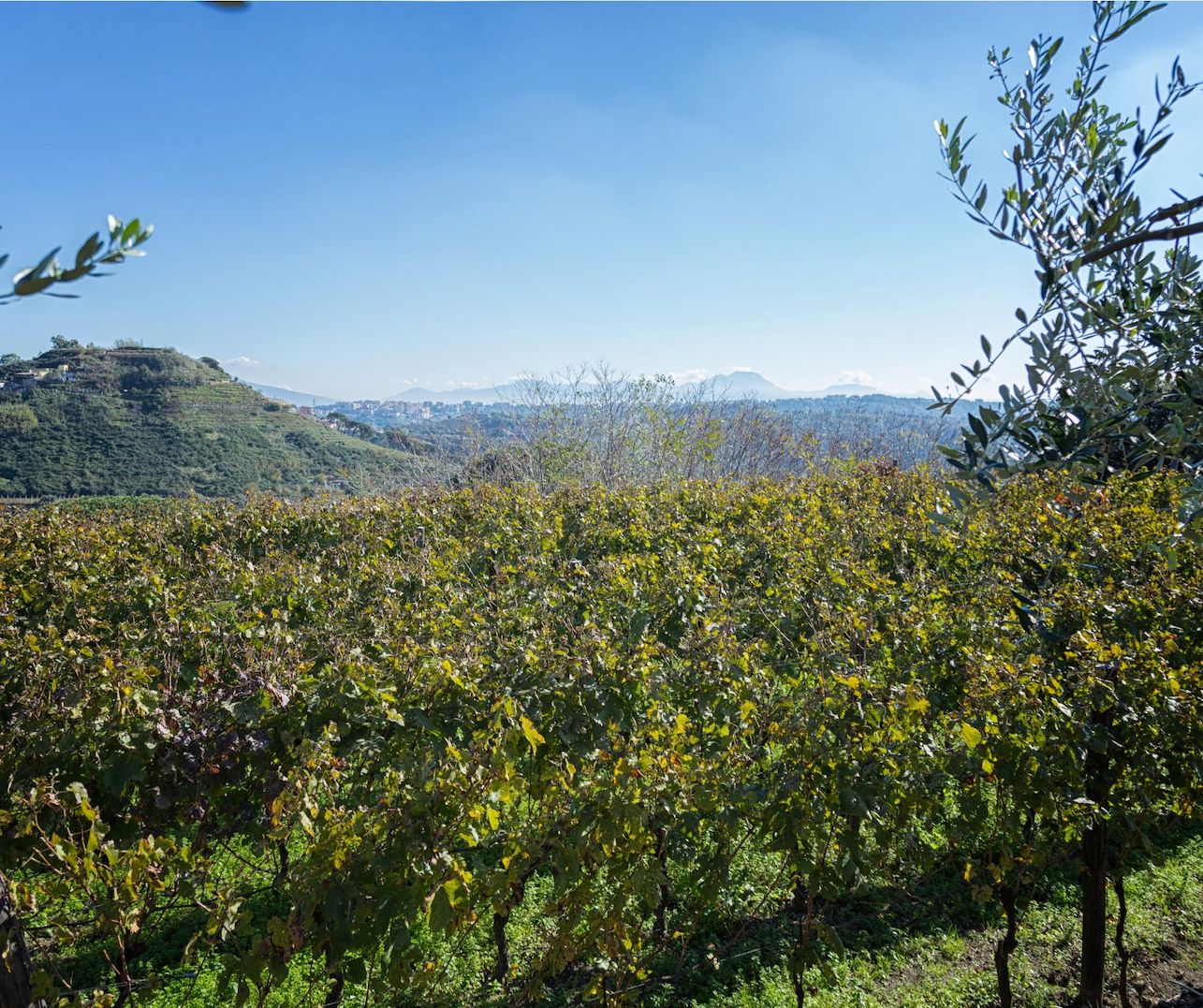
Millennial tradition, traditional cultivation, and enhancement of native varieties and terroirs
Campania

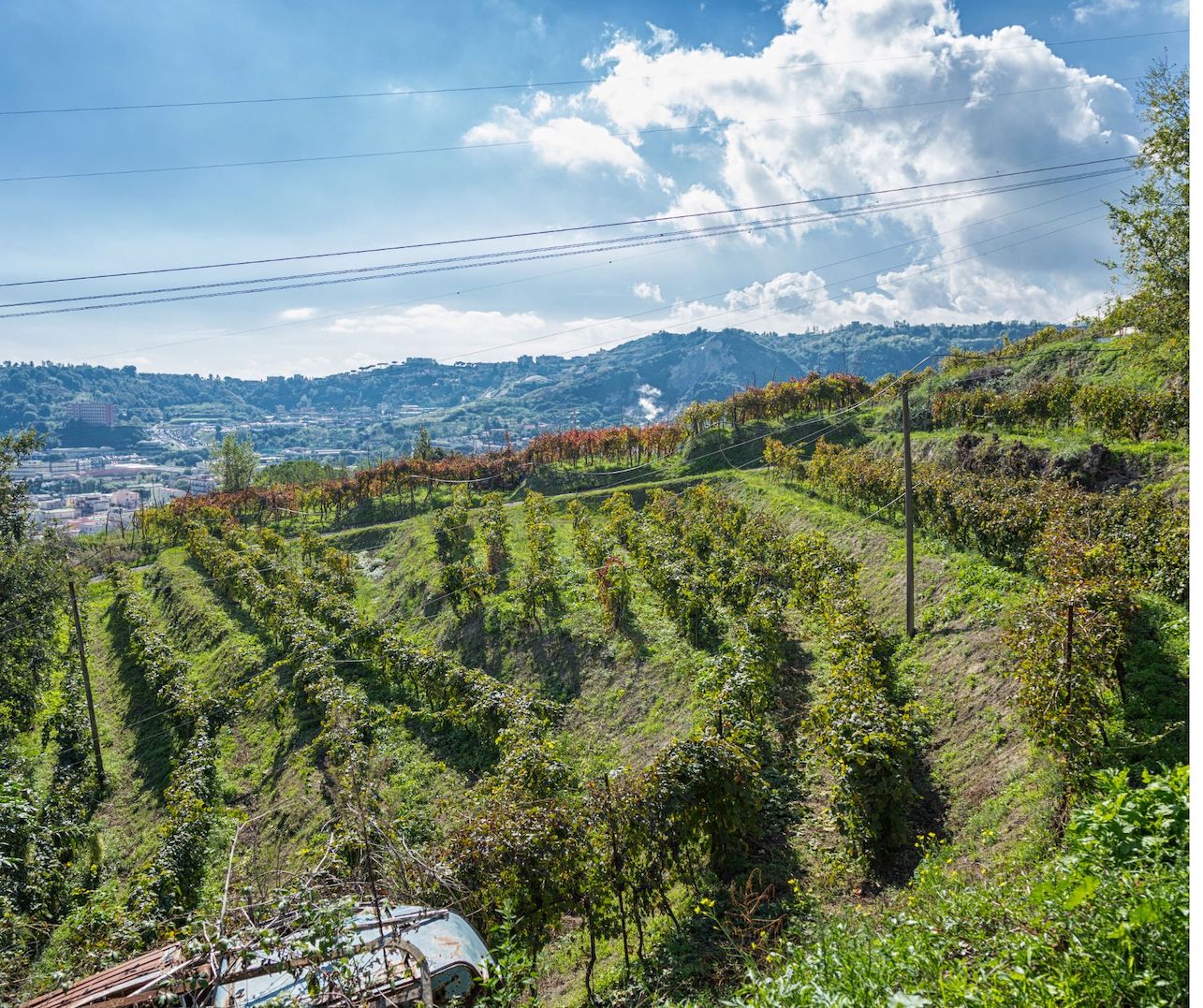
Millennial tradition, traditional cultivation, and enhancement of native varieties and terroirs
Campania

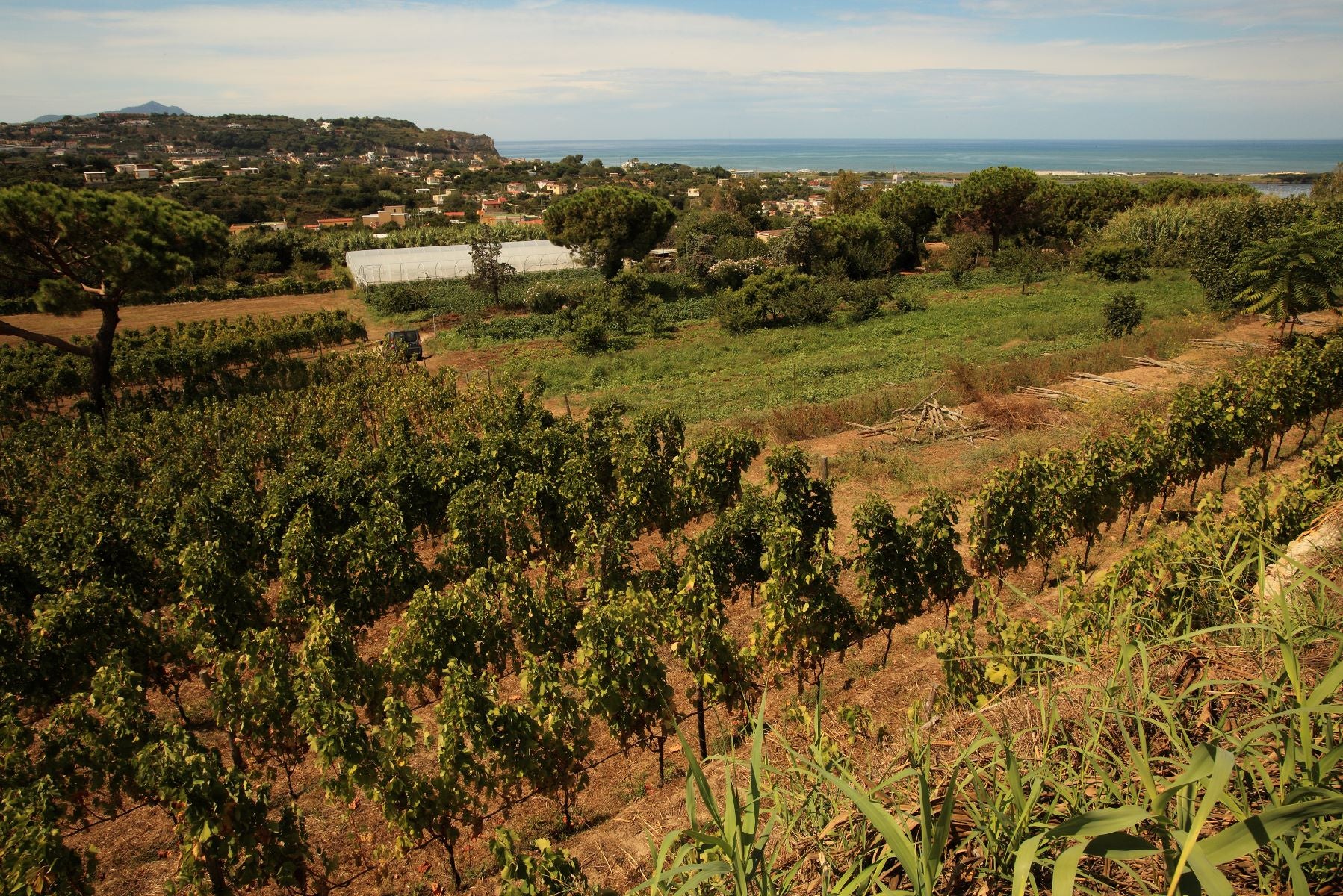
Millennial tradition, traditional cultivation, and enhancement of native varieties and terroirs
Campania

Viticulture in Campania has its roots in ancient Greek tradition, when numerous grape varieties now considered native were introduced by the Hellenics. Powdery mildew and phylloxera arrived later than elsewhere, but the damage was enormous, and the path to quality was only taken from the 1980s onwards.
Recently, Campanian wines have seen incredible success thanks to a production characterized by traditional agriculture, with a strong focus on environmental preservation and sustainability. Many of Campania's wineries are family-owned and produce high-quality wines in small quantities.

In general, Campanian viticulture is characterized by a great variety of terroirs and native varieties, which give rise to wines of great quality and personality, each with its own unique characteristics. For many years, the imposing Taurasi DOCG was the only wine to be awarded the DOCG status, but since 2003, Greco di Tufo DOCG and Fiano di Avellino DOC have also been recognized, and since 2011, Aglianico del Taburno has also been honored with this designation. In the rest of the region, there are also 15 DOC and 10 IGT wines.

Campi Flegrei

The Campi Flegrei area is one of the most beautiful volcanic regions in Italy, located in Campania, just north of Naples. Viticulture here dates back to around 700 BCE, when Falanghina grapes were used to produce Falernian wine, a much sought-after nectar among Roman patricians.

Today, white wines from Campi Flegrei are still primarily based on Falanghina. The vines are traditionally trained in the putuelana or pozzolana style—an ancient system in which the vine was supported by a *phalange* or trellis. The Mediterranean climate, hilly terrain, cooling breezes, and volcanic, porous, mineral-rich soils create ideal conditions for vine cultivation. Wines under the Campi Flegrei DOC are known for their vibrant aromas, delicate fruity notes, and firm body. The most important red grape variety of the area is Piedirosso, which yields light, juicy wines with aromatic nuances. Another key red variety is Aglianico, introduced to Campania by the Greeks.

The Campi Flegrei obtained DOC status in 1994, and the wine production area includes seven municipalities: Procida, Pozzuoli, Bacoli, Monte di Procida, and Quarto, as well as parts of Marano and Naples. The islands of Procida and Ischia also fall within the appellation zone. One of the region’s greatest advantages is that its vineyards have remained immune to phylloxera, thanks to the volcanic soils. These soils—rich in ash, lapilli, tuff, and a variety of microelements—have kept the pest at bay.

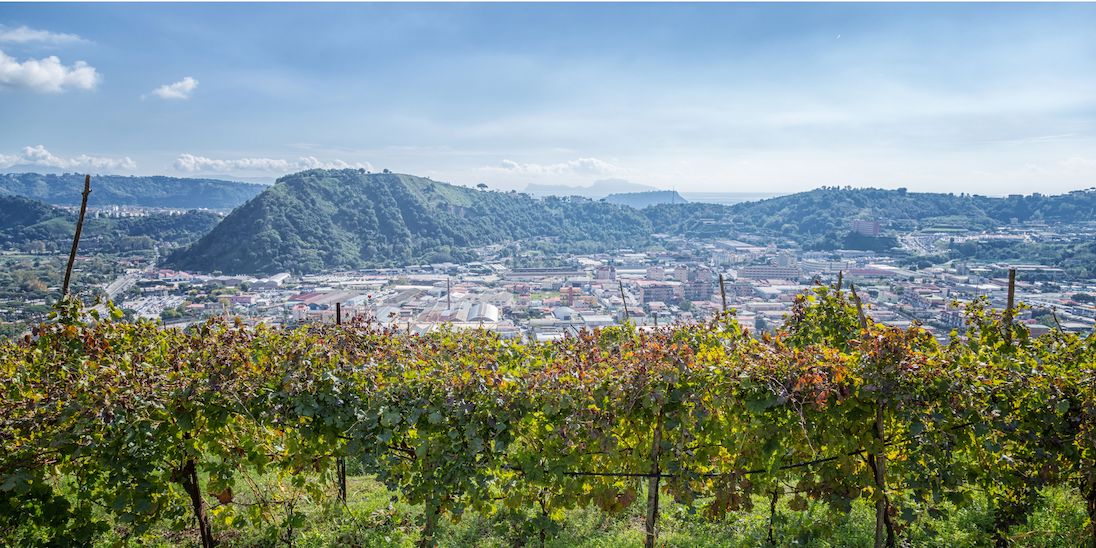
Naples holds an enviable record: after Vienna, it is the European city with the second-largest vineyard surface area within urban boundaries. Around sixty hectares of vines are scattered throughout the city, including vineyards in Santo Strato in Posillipo, the Agnano crater, the hills of Camaldoli and Chiaiano, and the Scudillo area. These vineyards are set in landscapes of rare beauty, where humans and nature have coexisted in harmony for centuries. Another unique feature of these metropolitan vineyards is their ungrafted vines (piede franco), made possible by the volcanic origin of the soil—making this one of the few areas in the world where such cultivation survives. This rarity has become increasingly appreciated for its ability to preserve varietal purity and the historical legacy of traditional vitis vinifera training methods.

One of the most beautiful volcanic regions in Italy

Recommended pairings and dishes

Matching by concordance

A full-bodied wine with velvety tannins, which pairs excellently with equally structured and flavorful dishes, such as braised meats or game, creating harmony between the dish’s gustatory weight and the wine’s intensity.

Matching by contrast

The mineral note and freshness of Piedirosso temper the richness of hearty dishes or elaborate sauces, balancing the flavors and enhancing aromatic persistence.

It pairs well with

Land-based dishes, such as red meats, braised dishes, game, and wild fowl. Its structure also makes it ideal for elaborate white meats, rich sauces, mushrooms, and aged or spiced cheeses. Perfect examples include veal liver with apples and balsamic vinegar, duck breast with red cabbage and marjoram, or stuffed peppers and meat stews.

Matching by concordance

A full-bodied wine with velvety tannins, which pairs excellently with equally structured and flavorful dishes, such as braised meats or game, creating harmony between the dish’s gustatory weight and the wine’s intensity.

Matching by contrast

The mineral note and freshness of Piedirosso temper the richness of hearty dishes or elaborate sauces, balancing the flavors and enhancing aromatic persistence.

It pairs well with

Land-based dishes, such as red meats, braised dishes, game, and wild fowl. Its structure also makes it ideal for elaborate white meats, rich sauces, mushrooms, and aged or spiced cheeses. Perfect examples include veal liver with apples and balsamic vinegar, duck breast with red cabbage and marjoram, or stuffed peppers and meat stews.

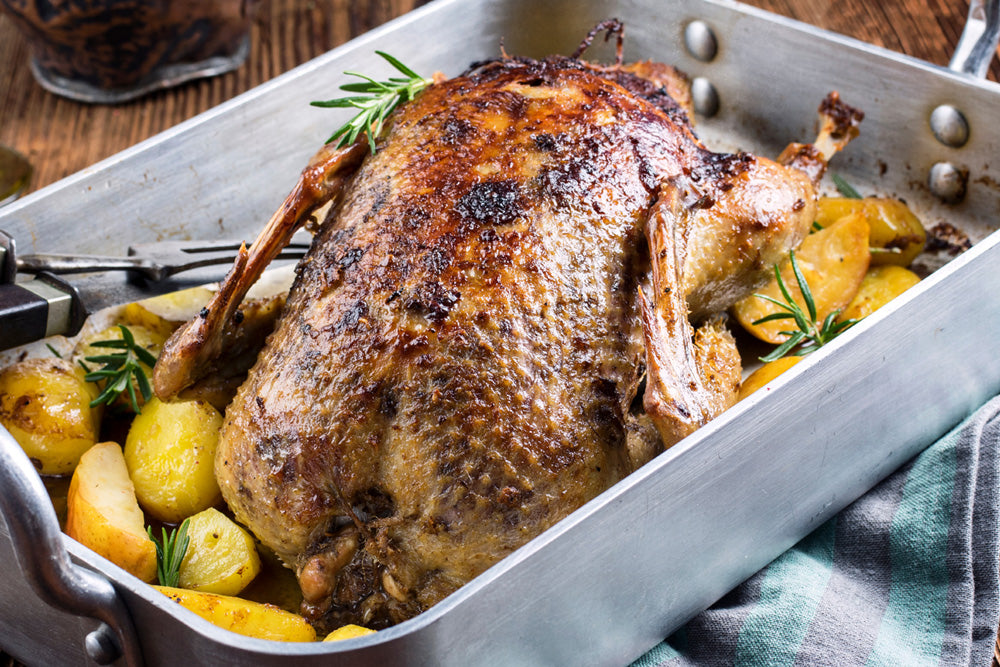
Roast Goose

Roast goose stuffed is a dish from the rural tradition, rather easy to prepare and enriched with chestnuts and figs, potatoes and onions, or other vegetables. Rich in flavor, with excellent structure and aromatic persistence.

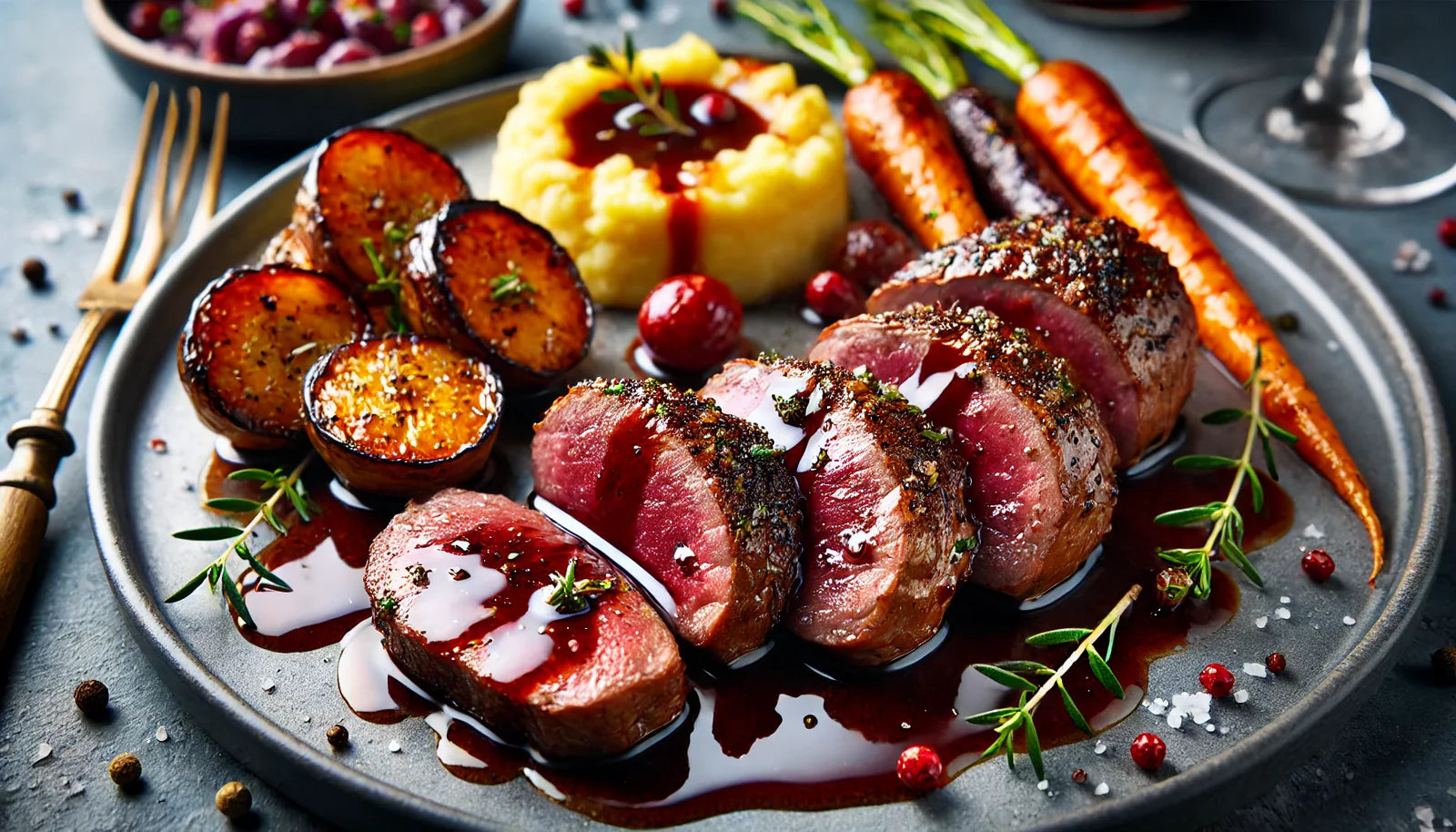
Juniper-Infused Hare

A rich, generous, and highly aromatic main course. It can be enhanced with chestnuts, which add a slightly sweet touch to the dish, along with onions, potatoes, and carrots. For an extra touch of elegance, you can cook it with the wine you plan to serve alongside.

Vigna Madre Piedirosso Campi Flegrei | La Sibilla , did you like it?

Tell us about it by clicking here

Vigna Madre Piedirosso Campi Flegrei | La Sibilla , did you like it?

Tell us about it by clicking here