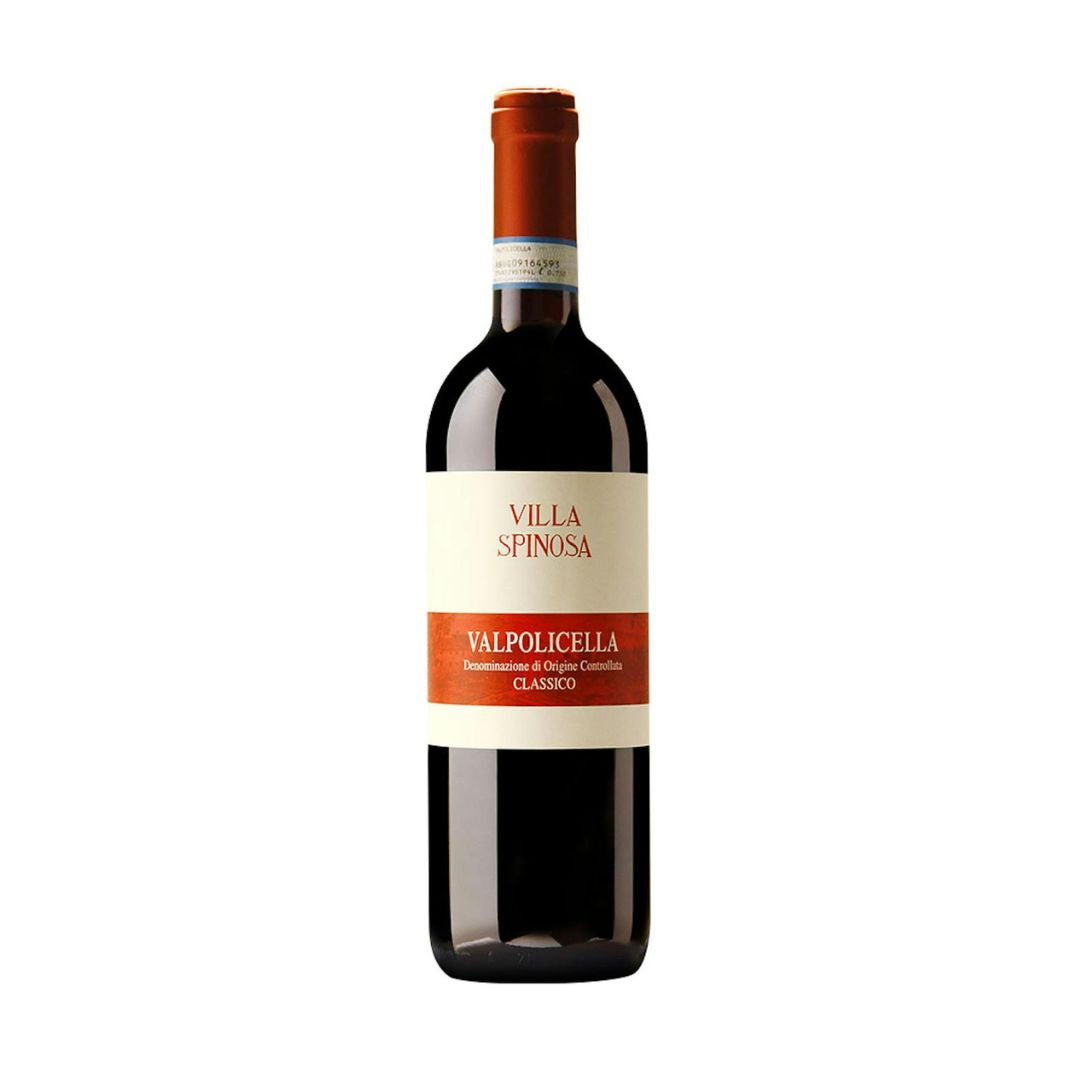
Valpolicella Classico | Villa Spinosa

Sale price€13,00

Red
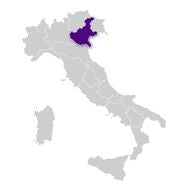
Veneto (IT)
Valpolicella Classico DOC
Corvina Veronese, Corvinone, Rondinella
Enjoy it within 3 years
12,5% ABV

Download as PDF

Production and refinement

Corvina Veronese and Corvinone, with a small percentage of Rondinella. Harvest is done by hand, usually from mid-October. The clusters are carefully selected directly in the vineyard and placed in crates to best preserve the integrity of the berries until they reach the winery. This step is crucial for maintaining the aromatic freshness that characterizes Valpolicella Classico.

The grapes are destemmed and gently crushed, followed by fermentation in stainless steel at a controlled temperature, never exceeding 16–22 °C. Maceration lasts 8 to 11 days, during which daily pump-overs and déléstage are performed, techniques that allow for balanced and harmonious extraction. Malolactic fermentation occurs naturally in the autumn, preparing the wine for aging. The wine rests in stainless steel until the following spring. After bottling, it undergoes an additional aging period of at least 3 months, necessary to achieve greater balance and finesse.

Organoleptic analysis

Visual exam

A beautiful bright ruby red color.

Olfactory examination

On the nose, intense and precise aromas of cherry, black cherry, red currant, and blackberry emerge, accompanied by a fresh, fragrant character that immediately evokes the nature of its hills.

Tasting

On the palate it is lively and pleasant, supported by a fine tannic texture and a moderate structure designed to enhance its easy drinkability. The finish is clean, elegant, and fruity.

Contents index

From the vineyard to the table: discover our wine

Ready for a journey to discover Valpolicella Classico | Villa Spinosa ? We will now take you to delve deeper into every aspect of this exceptional wine through three key sections:

Cellar

Come and learn about the history and values ​​of the winery which passionately grows and transforms grapes into wine

Territory

Immerse yourself in the land that gives life to these unique grapes, discovering the climate and terroir that influence its character

Pairings

Get expert advice on the perfect pairings that will enhance both the wine and your meal

The winery

Country: Italy

Region: Veneto, Negrar di Valpolicella

Hectares of vineyards: 20

Villa Spinosa

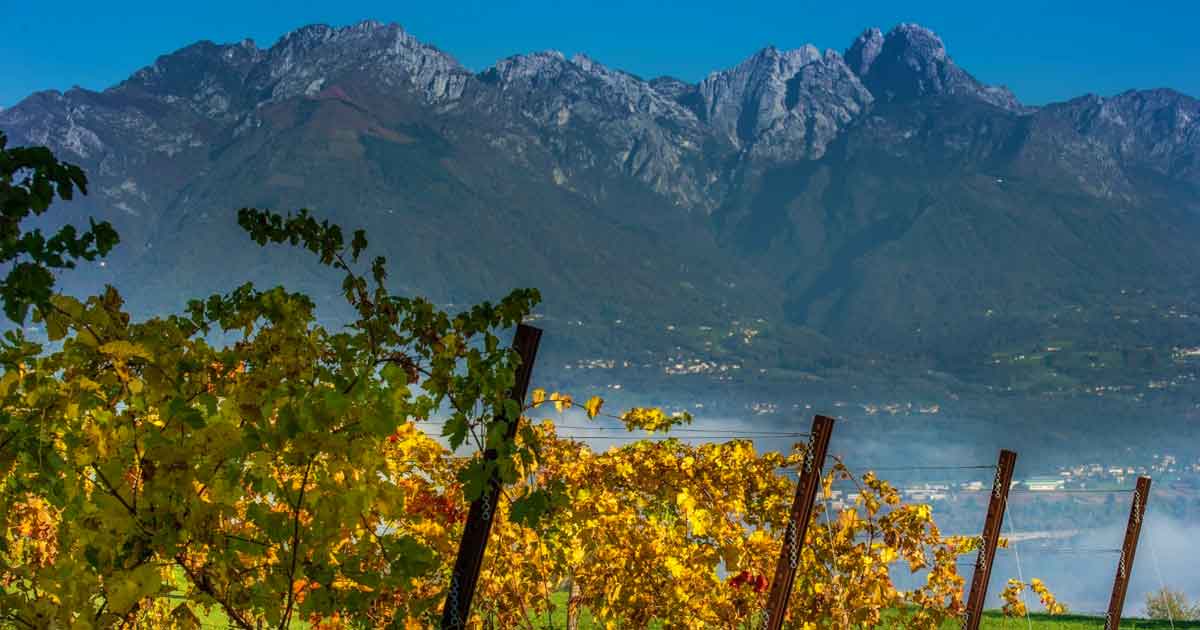
Nestled in the heart of the Valpolicella Classica, at the foot of Mount Masua, Villa Spinosa overlooks the enchanting landscape of the Negrar and Marano valleys. Surrounded by neatly organized vineyards, centuries-old olive trees, and cherry trees, it embodies a perfect balance between nature and human intervention. Here, in the historic village of Jago, wine is not just the product of the land; it is a symbol of culture, collective memory, and territorial identity.

The history of Villa Spinosa dates back to the late 18th century, when engineer Giacomo Guglielmi began building the rustic buildings of Jago around an even older nucleus. This was followed by the construction of the manor house, Italian gardens, and lands dedicated to vineyards, orchards, and arable crops, managed under the mezzadria system. It was in the post-war period that the company made a decisive turn, embracing direct management and making wine, particularly Amarone, the core of its production identity.

In the 1980s, following the revival of Valpolicella after the great wine crisis, the modern Villa Spinosa took shape. A major restoration project transformed the historic farm buildings into functional spaces for all stages of the production cycle, from the drying of the grapes to the bottle aging process.

Villa Spinosa

Surrounding the 19th-century winery, which is framed by a romantic garden and rural courtyards, are twenty hectares of vineyards in the Jago, Figari, and Costa del Buso crus, located between 230 and 423 meters above sea level. Here, Corvina Veronese, Corvinone, and Rondinella are cultivated—grape varieties that are emblematic of the local winemaking tradition—to produce the great classics of the denomination: Valpolicella Classico, Superiore, Ripasso, Amarone, and Recioto.

Villa Spinosa is deeply connected to the concept of terroir, understood as a virtuous alliance between soil, climate, exposure, and human expertise. Each cru is carefully interpreted to enhance its unique characteristics, following the principle of "every vineyard, a wine." Leading the winery, Enrico Cascella and his grandson Piergiovanni Ferrarese pursue a vision that blends respect for tradition with openness to cultural dialogue.

At Villa Spinosa, wine is also about storytelling, sharing, and collective growth. It is in this spirit that the winery’s cultural commitment takes shape: through the Villa Spinosa Association, spaces originally dedicated to agricultural production—such as PalaJago, Tinaia, Granaio Alto, courtyards, and the garden—are transformed into venues for gathering and exchange, hosting theatrical performances, film screenings, photographic exhibitions, literary readings, and musical events. This initiative strengthens the bond between the land, wine, and the community, symbolizing a Valpolicella that knows how to tell its story, evolve, and introduce itself to the world.

Region and territory

From Prosecco to Amarone: wines for every taste
Veneto

From Prosecco to Amarone: wines for every taste
Veneto

From Prosecco to Amarone: wines for every taste
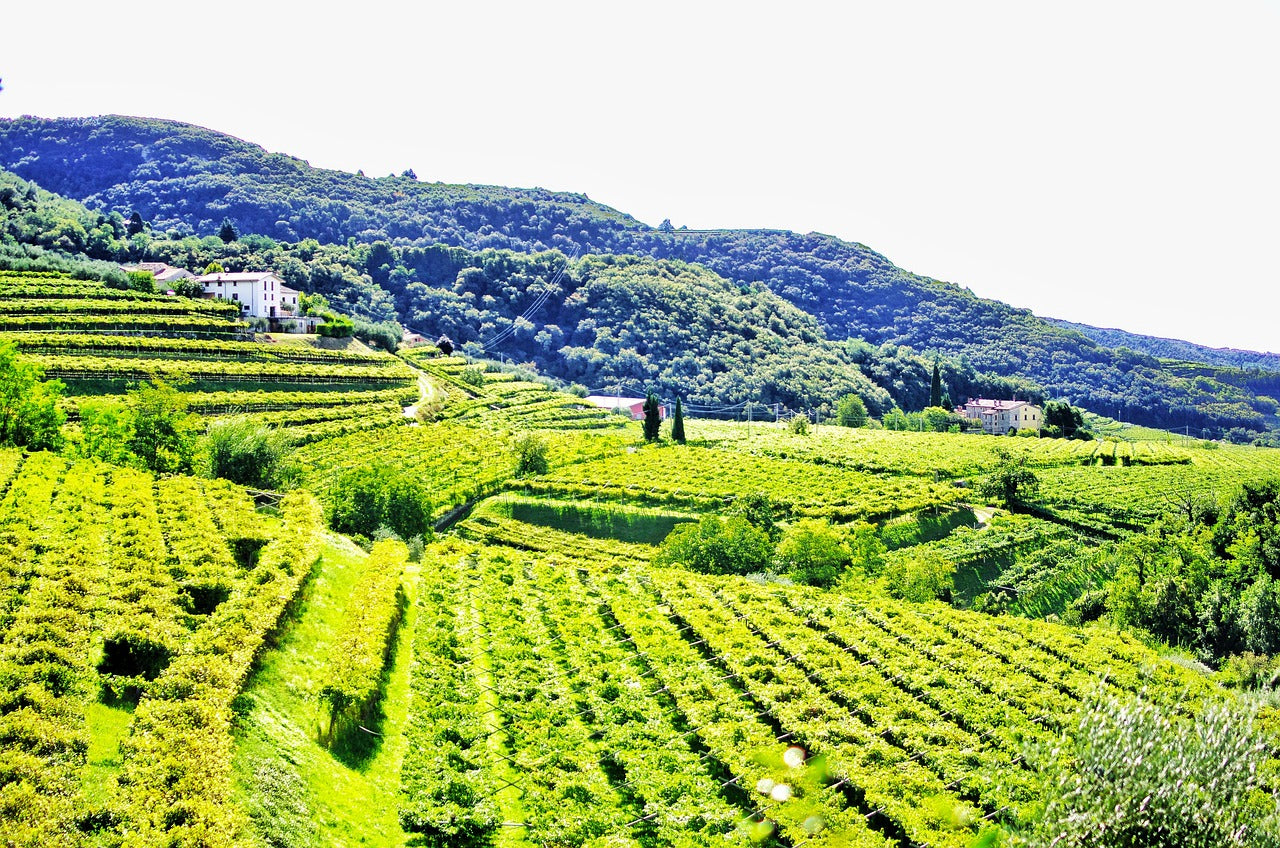
Veneto

Grapevines have been cultivated in Veneto since the 7th century B.C., perfected by the Romans and continued in the Middle Ages. With Venetian domination from 1405, viticulture almost completely covers the territory, and Veronese wines, thanks to the Adige River, reach Venice. What sets this region apart from many others is the continuous commercial success of its wine products. From the late 18th century, the region experienced a crisis. However, the following century saw a qualitative leap in Venetian wines, also driven by the establishment of the Società Enologica Veronese in 1872. The first edition of Vinitaly took place in 1967.

Veneto has a complex wine production chain. Important areas include the Colline del Garda Veronese and Valpolicella, with Bardolino Superiore DOCG and Amarone della Valpolicella DOCG. Worth noting is the interregional Lugana DOC, between the provinces of Verona and Mantua. In the volcanic hills between the provinces of Verona and Vicenza lies the area of Soave Superiore DOCG, Soave DOC, and Gambellara DOC. The Colli Berici DOC, south of Vicenza, is known for its reds based on international varieties and Tocai Rosso. The Breganze DOC area, north of Vicenza, is renowned for its reds and whites based on Vespaiola grapes. In the Paduan area, there are the Colli Euganei with the Moscato Fior d’Arancio DOCG, while to the south lies the Friularo di Bagnoli DOCG. In Treviso, we find the Prosecco DOCG and the Colli di Conegliano DOCG. At the borders with Friuli is the Lison DOCG.

The presence of mountain ranges, hills, and vast plains provides significant temperature variations, mitigated near Lake Garda and along the coast. Veneto is therefore rich in diverse wines, made with both native and international grape varieties that find a second home here.

Valpolicella

The Valpolicella region, located in the province of Verona amidst hills and valleys north of the city of Verona, in Veneto, extends from the Adige River valley on its western side to the volcanic territories of the Soave production area on its eastern side. Valpolicella is a controlled designation of origin (DOC - DOCG) area and includes 3 subzones: Valpolicella Classica, Valpantena, and Estesa.

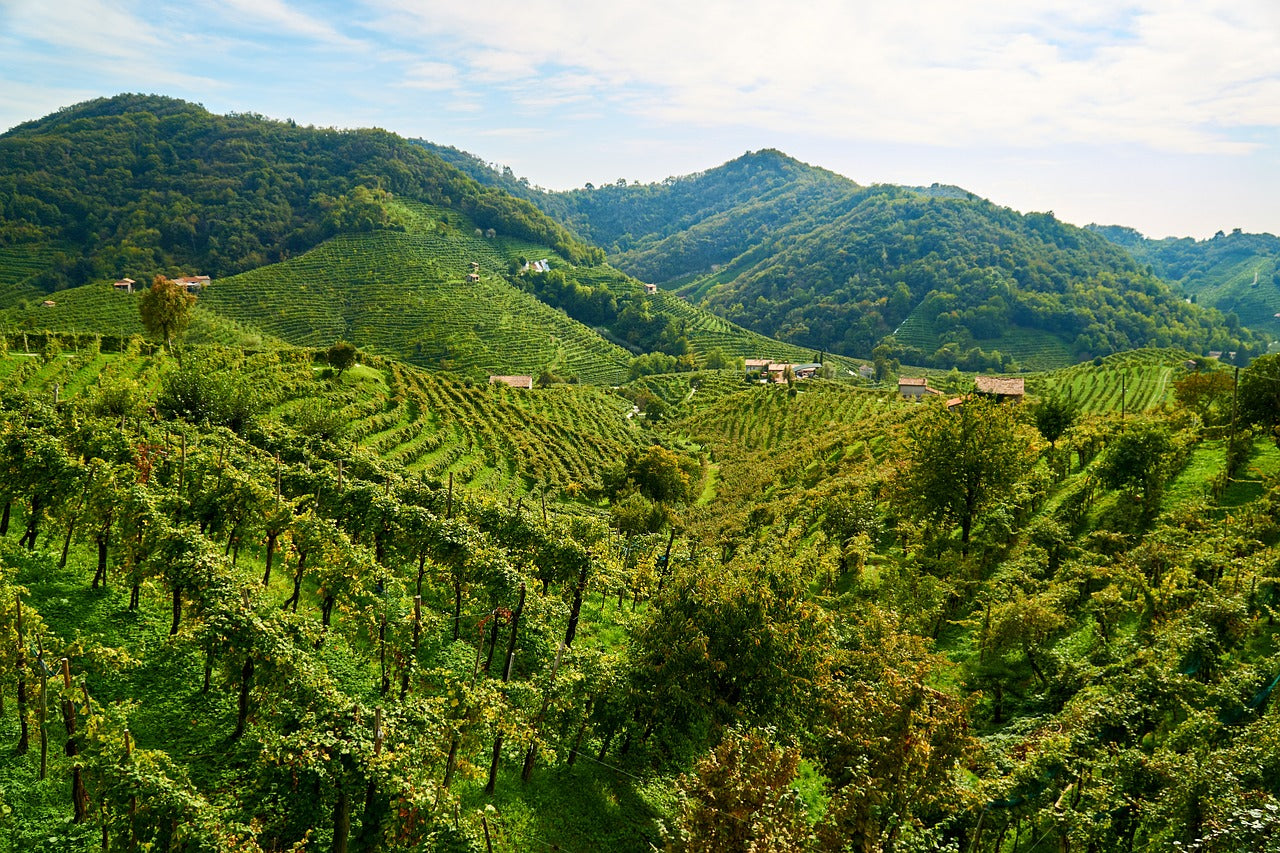
The landscape is extremely rich due to the presence of morphologically varied terrain, which can be divided into three main areas: the calcareous mountainous zone formed by the Monti Lessini; the hilly belt, which hosts a large part of the vineyards; and the valley floor zone.

Consisting of valleys that run north-south, Valpolicella ideally appears as a fan of valleys that emanate from Verona. The landscape is predominantly hilly, with gentle slopes and low ridges, and is virtually dominated everywhere by vineyards, interspersed with olive trees and cherry trees. The geological and climatic characteristics of the territory, unique and varied, are the basis of the great peculiarity and typicality of its wines.

The unique and varied territory offers ideal geological and climatic conditions for the production of distinctive wines.

Recommended pairings and dishes

Matching by concordance

With its immediacy and youthful character, it finds perfect harmony with dishes that are equally light and fragrant. The aromas of cherry, morello cherry, and small red fruits echo the flavours of certain stewed vegetables, the freshness of grilled white meat, or the delicacy of pasta with a light tomato sauce. Its agile structure and smooth drinkability pair well with simple, everyday cuisine.

Matching by contrast

The freshness of this Valpolicella counterbalances the richness and slight fattiness of indulgent dishes. It’s a wine that doesn’t overpower but restores balance on the palate when the food tends to be rich, soft, or oily.

It pairs well with

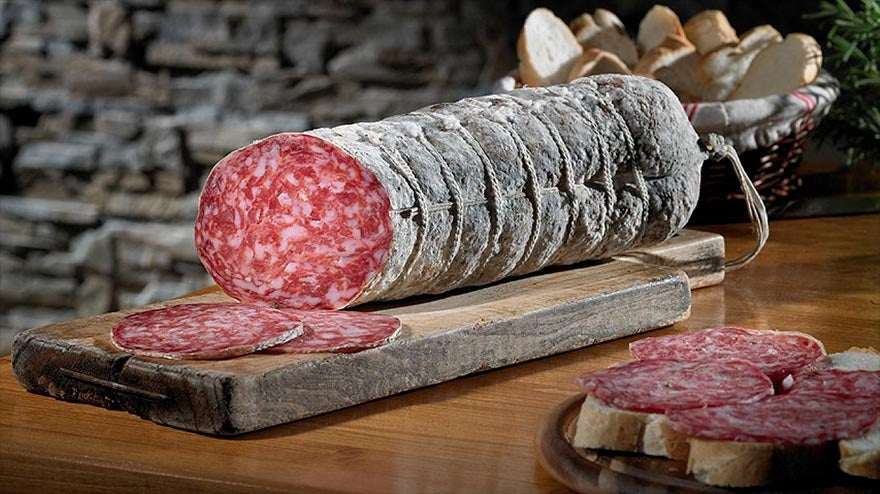
Simple, traditional dishes such as soppressa, pancetta, lardo, and Veronese cured meats; polenta served with local specialties, baccalà alla vicentina, sardines or lake fish in saor or carpione, and pike in sauce. Its freshness also makes it ideal throughout the meal, pairing well with simply dressed pasta or delicate white meats.

Matching by concordance

With its immediacy and youthful character, it finds perfect harmony with dishes that are equally light and fragrant. The aromas of cherry, morello cherry, and small red fruits echo the flavours of certain stewed vegetables, the freshness of grilled white meat, or the delicacy of pasta with a light tomato sauce. Its agile structure and smooth drinkability pair well with simple, everyday cuisine.

Matching by contrast

The freshness of this Valpolicella counterbalances the richness and slight fattiness of indulgent dishes. It’s a wine that doesn’t overpower but restores balance on the palate when the food tends to be rich, soft, or oily.

It pairs well with

Simple, traditional dishes such as soppressa, pancetta, lardo, and Veronese cured meats; polenta served with local specialties, baccalà alla vicentina, sardines or lake fish in saor or carpione, and pike in sauce. Its freshness also makes it ideal throughout the meal, pairing well with simply dressed pasta or delicate white meats.

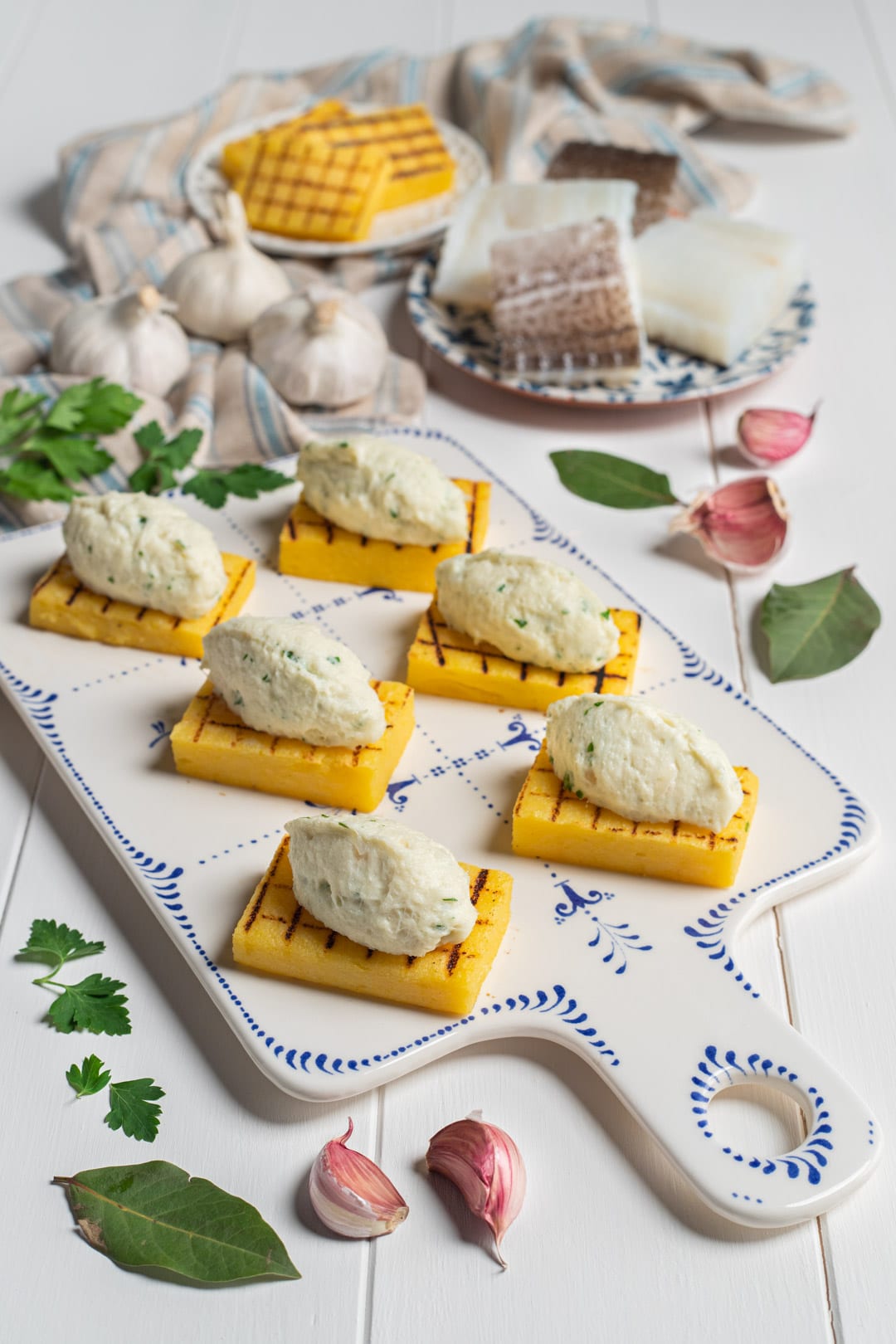
Baccalà Mantecato

A typical dish from the Veneto region that can be served as an appetizer, finger food, or main course: it's a delicious, very delicate cream of salted cod, served with polenta or bread crostini.

Sopressa (Italian salami)

A typical pork cold cut from the cuisine of northeastern Italy, particularly Veneto. It is prepared and seasoned with natural aromas, offering a rich, savory flavor, intense aromas, and a fatty texture. Perfect for rustic, highly satisfying aperitifs.

Valpolicella Classico | Villa Spinosa , did you like it?

Tell us about it by clicking here

Valpolicella Classico | Villa Spinosa , did you like it?

Tell us about it by clicking here