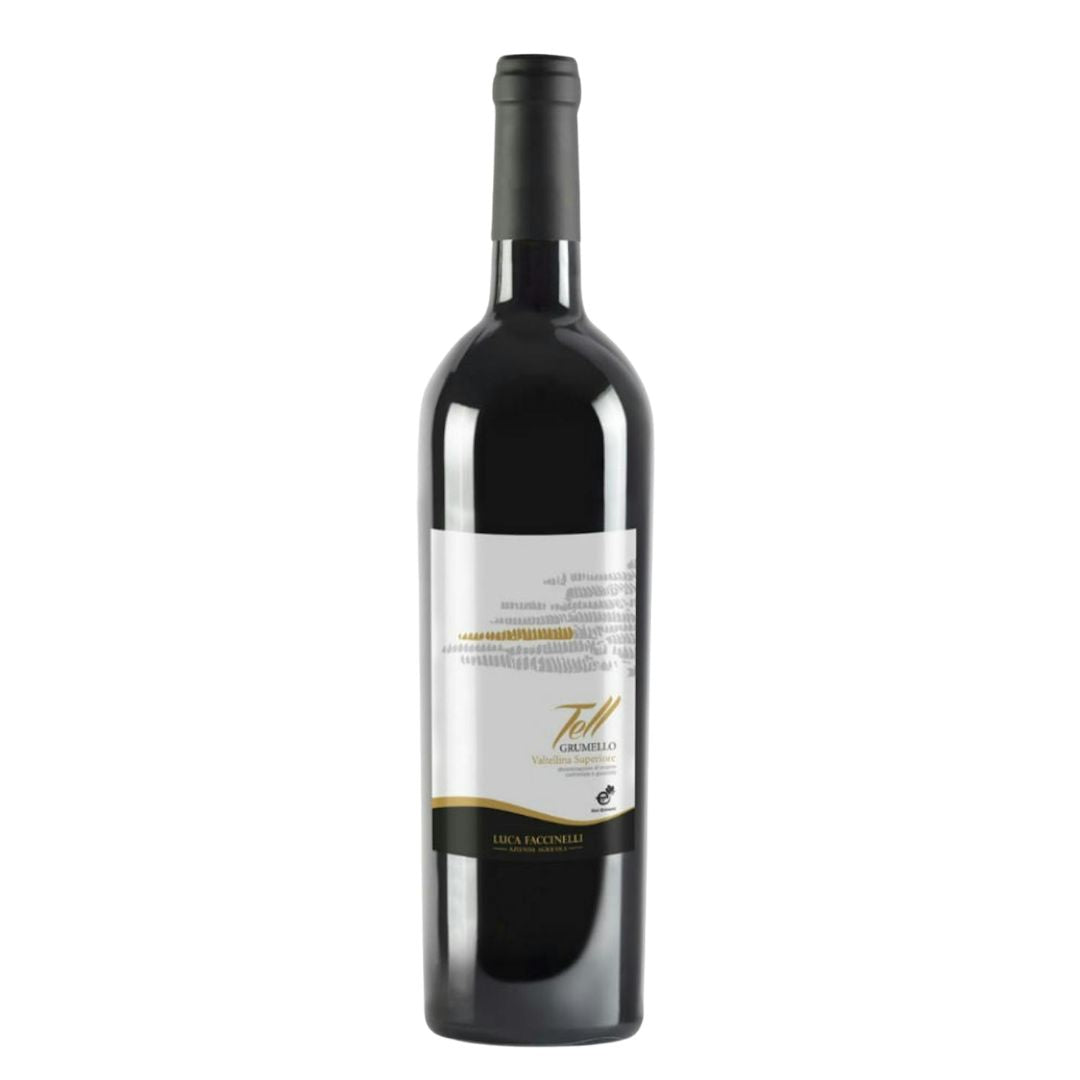
Tell Valtellina Superiore Grumello | Faccinelli

Sale price€30,00

Red
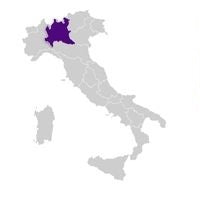
Lombardia (IT)
Valtellina Superiore DOCG
Nebbiolo (Chiavennasca), Rossola, Pignola
Enjoy it within 8 years
13% ABV

Download as PDF

Production and refinement

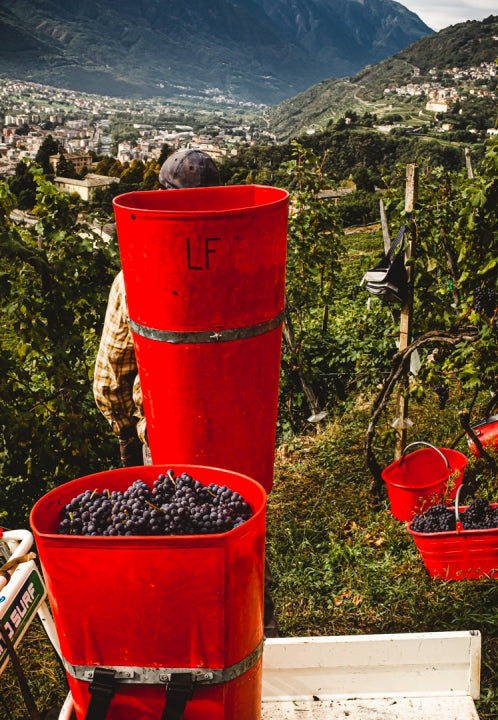
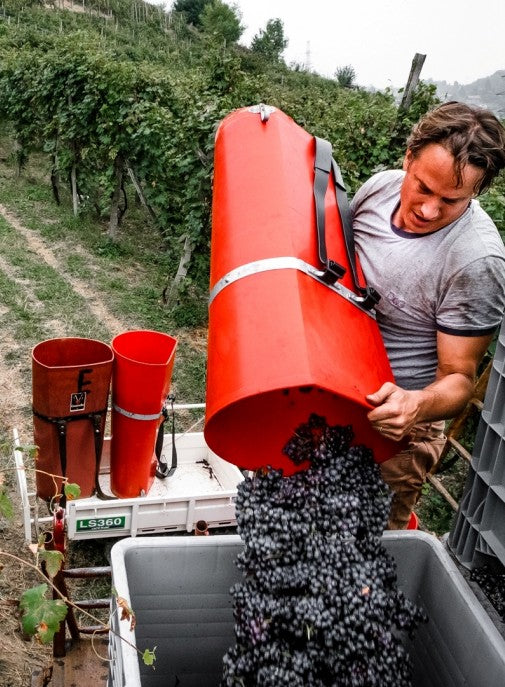
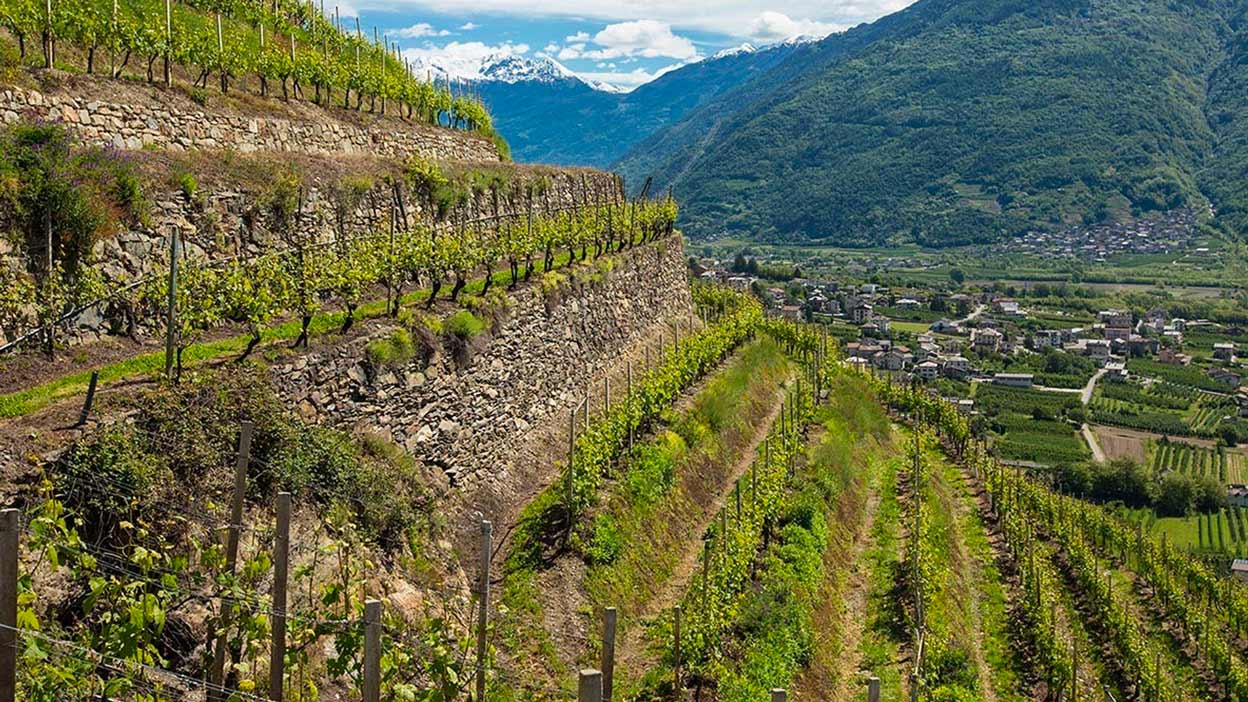
The vineyard is located in the Dossi Salati area, in the highest part of the Grumello zone, at approximately 650 metres above sea level, on a dramatic 70% slope. It is a typical setting for mountain viticulture in Valtellina, characterized by terraces and dry-stone walls. The soils consist predominantly of sand and gravel, with a thick topsoil layer and a sub-acid reaction. Yields are approximately 65 quintals per hectare. The grapes are harvested by hand between the second and third weeks of October.

Following manual harvesting, the grapes are vinified with particular attention to extraction and balance. The wine is vinified and subsequently aged in wood. The extended ageing helps integrate the tannic component and develop the aromatic complexity typical of mountain Nebbiolo.

Organoleptic analysis

Visual exam

Pale ruby red, with more violet reflections.

Olfactory examination

The aromatic profile opens with vinous and red fruit notes, accompanied by hints of violet and a mentholated, balsamic character. As it evolves, more complex nuances of cinchona, liquorice and spices emerge.

Tasting

On the palate, it shows pronounced freshness accompanied by savouriness and a pleasant balsamic character. The tannic structure is of medium intensity, yet clearly present. The palate is both fresh and warm, with good structure and a slightly bitter, persistent finish. The fruity character, along with notes of cinchona and liquorice, adds complexity and enhances the pleasantness of the finish.

Contents index

From the vineyard to the table: discover our wine

Ready for a journey to discover Tell Valtellina Superiore Grumello | Faccinelli ? We will now take you to delve deeper into every aspect of this exceptional wine through three key sections:

Cellar

Come and learn about the history and values ​​of the winery which passionately grows and transforms grapes into wine

Territory

Immerse yourself in the land that gives life to these unique grapes, discovering the climate and terroir that influence its character

Pairings

Get expert advice on the perfect pairings that will enhance both the wine and your meal

The winery

Country: Italy

Region: Lombardy

Hectares of vineyards: 4

Luca Faccinelli

Luca Faccinelli’s winery represents one of the most authentic and distinctive realities in Valtellina. The vineyards are located in the prestigious areas of Valtellina Superiore Grumello, in the hamlet known as Dossi Salati, and Valtellina Superiore Sassella, nestled on historic terraces at the foot of the Alps. These are extreme slopes, reaching up to 70%, where every vineyard operation must be carried out entirely by hand, following practices that respect the natural incline of the terraces and the fragile structure of the millenary dry stone walls. Here grow Nebbiolo vines (locally called Chiavennasca), many of which are centuries old, silent witnesses to an ancient and precious viticultural heritage.

In addition to Chiavennasca, Luca cultivates with the same care historical local varieties such as Rossola and Pignola, which are blended in the Tell label, part of the Vini Estremi selection. The vineyards cover a total of 4 hectares, but their small size does not diminish the complexity and elegance of the wines; on the contrary, it allows for extremely careful and personalized management of each plot.

Luca Faccinelli

Luca’s personal story is inseparably intertwined with that of the territory. Born and raised in Chiuro, in the heart of Valtellina’s wine region, he was familiar with vineyards and wineries from an early age, but his true passion for wine only emerged in the 2000s, following formative experiences in the United States and a master’s degree in corporate communication. Upon returning to Valtellina, Luca recognized the extraordinary potential of the terraced landscape and decided to dedicate himself entirely to viticulture, convinced that winemaking is the most beautiful profession in the world.

Daily work is a constant challenge: tending centuries-old vines on thin, sandy, and gravelly soils—where the vine struggles for water and nutrients—yields small, concentrated grapes rich in aromas, capable of expressing the uniqueness of this alpine territory in the glass. The result is wines of great personality, such as the Neblo or Tell, which fully convey the verticality, elegance, and minerality of mountain Nebbiolos, telling the story of terraced vineyards, dry stone walls, and the dedication of those who cultivate them.

Region and territory

Wines of exceptional quality amidst heroic mountain viticulture and unique terroirs
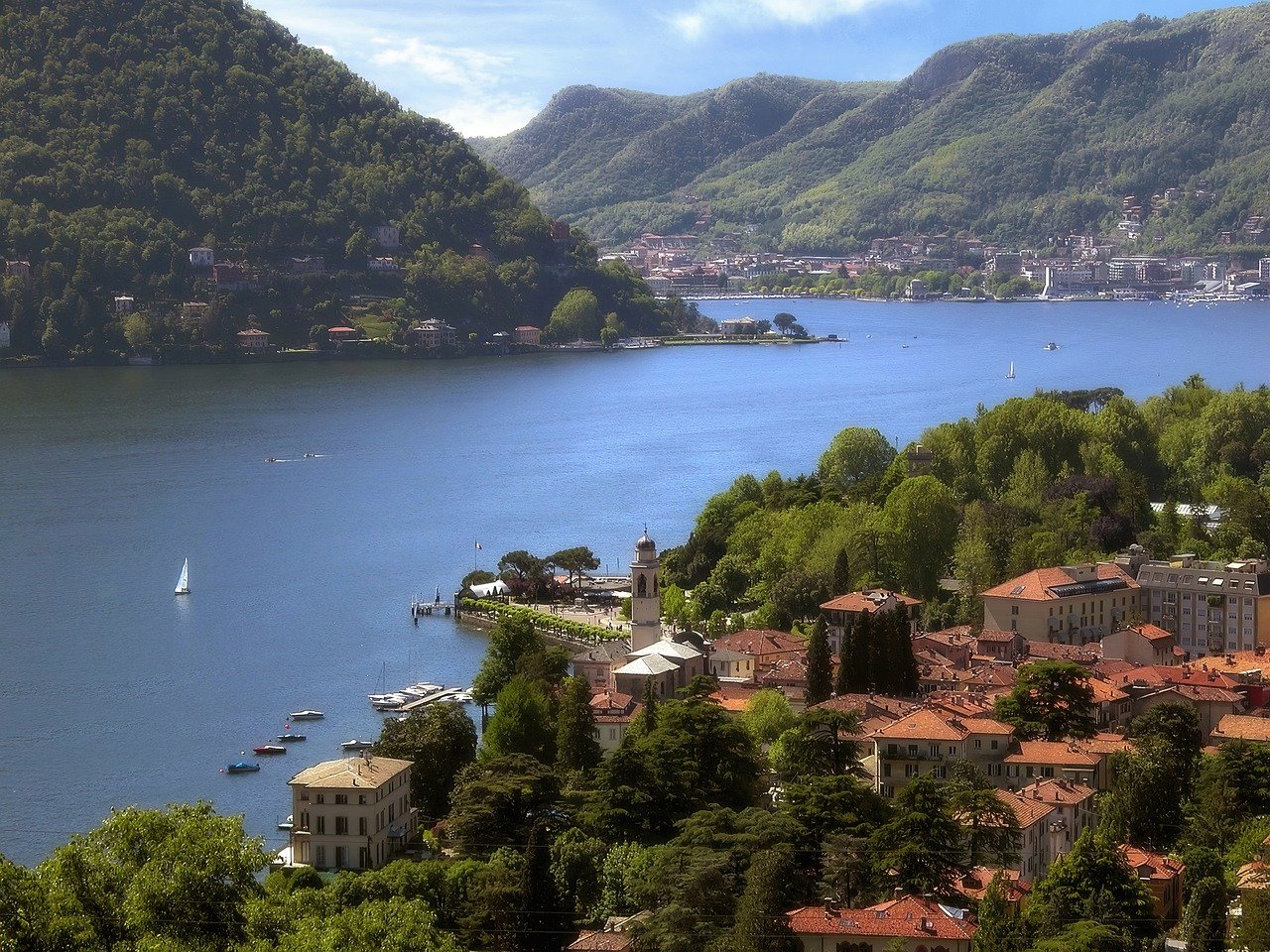
Lombardy

Wines of exceptional quality amidst heroic mountain viticulture and unique terroirs
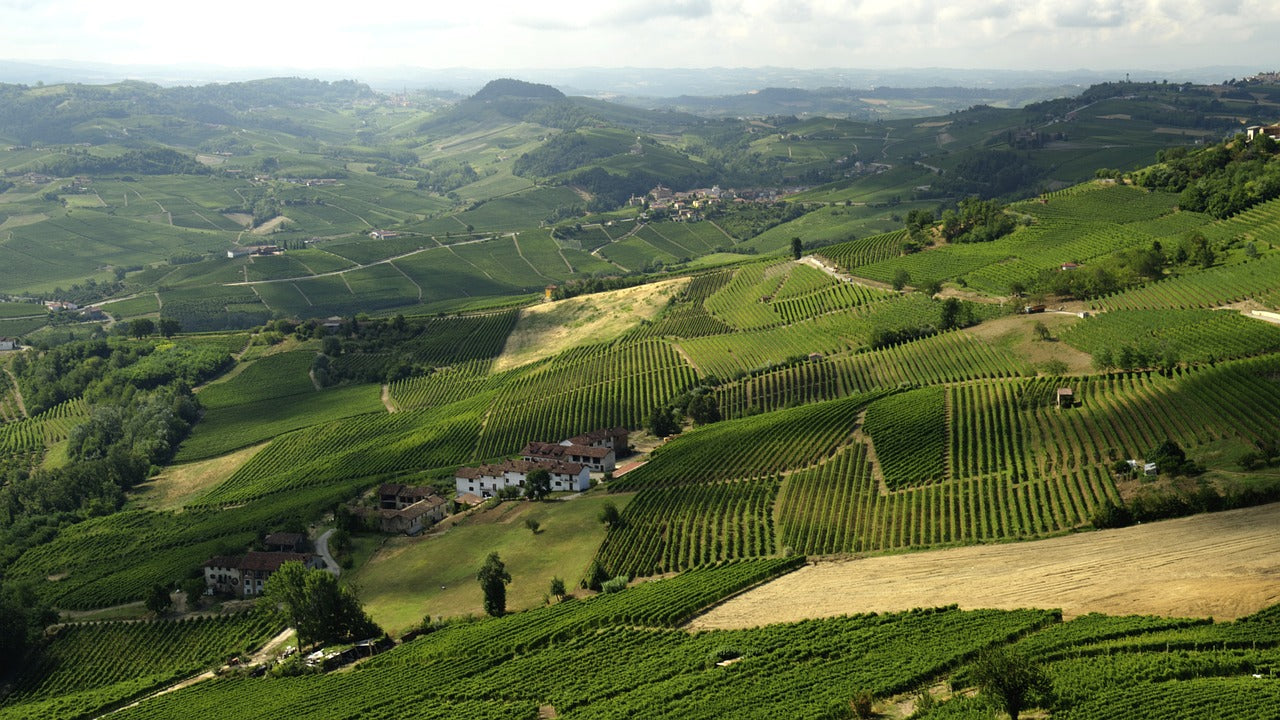
Lombardy

Wines of exceptional quality amidst heroic mountain viticulture and unique terroirs
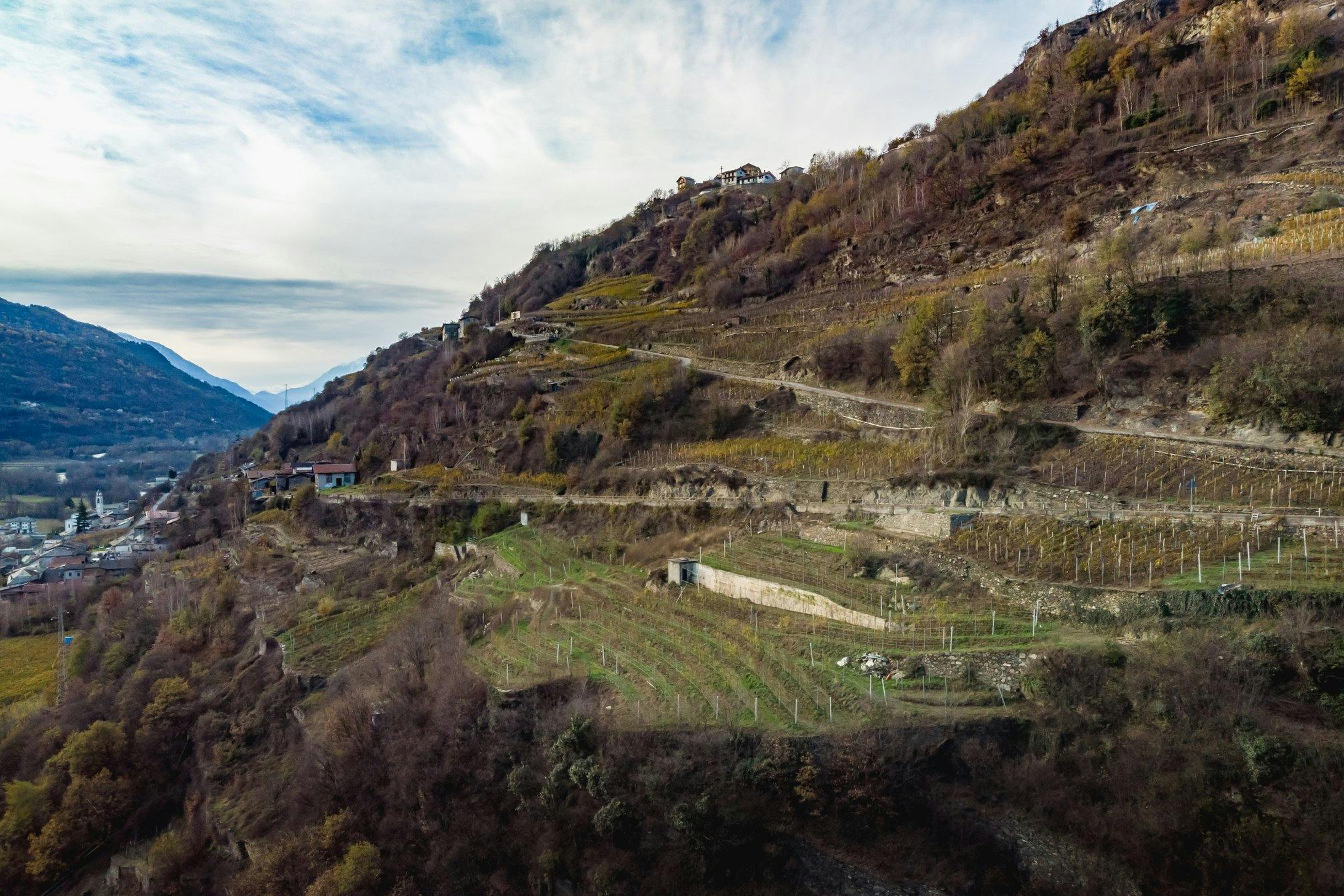
Lombardy

The first evidence of vine cultivation in Lombardy dates back to prehistoric settlements on the lakes of Garda and Iseo, but it is only in contemporary times - post-phylloxera - that the focus has been on quality, also thanks to the introduction of American vine rootstocks. Thanks to the diversity of terroirs, viticulture here has given rise to a prominent ampelographic landscape, with a multitude of native grape varieties and wines that are a pride not only for the peninsula but also abroad (first and foremost Franciacorta DOCG, appreciated worldwide).

Lombardy is very extensive, therefore it presents areas with different characteristics both in terms of climate and soil. There are decidedly mountainous areas, as well as flat or partially hilly areas.
The main production areas are concentrated in the southern foothills, with the Garda area (with its unique microclimate thanks to the influence of the lakes), Oltrepò Pavese to the west, Brescia and Bergamo in the central part of the region, and Valtellina on the border with Austria.

In the region, wines of all types are produced, and there are five DOCG regions: Franciacorta in Brescia, Oltrepò Pavese Metodo Classico in the province of Pavia, Moscato di Scanzo in Bergamo (the smallest denomination in Italy), and Sforzato di Valtellina and Valtellina Superiore in the province of Sondrio.

Valtellina

In the province of Sondrio, the Valtellina is the sole wine-producing area. The vineyards, located on spectacular and heroic terraces at nearly 1,000 meters altitude, are planted on the south-facing slopes of the valley.

The denominations in the province include two DOCGs, one DOC, and one IGT:

- Sforzato di Valtellina (Sfursat di Valtellina) DOCG: Made from Nebbiolo grapes, locally known as Chiavennasca. The grapes undergo drying for at least one month, and the wine matures for at least twenty months, including at least 12 months in oak barrels.

- Valtellina Superiore DOCG: Produced from Nebbiolo (min. 90%), without drying. It has two types: base, with a minimum aging of 24 months (12 in oak), and riserva, with a minimum aging of 36 months. It includes five subzones: Valgella, Inferno, Grumello, Sassella, and Maroggia.

- Valtellina Rosso DOC: A young wine made from Nebbiolo (min. 90%), with a minimum aging of 6 months.

Other wines fall under the Alpi Retiche IGT designation.

Heroic viticulture on spectacular vineyards at 1,000 meters altitude

Recommended pairings and dishes

Matching by concordance

The wine’s mountainous, balsamic and spicy character finds a harmonious pairing by analogy with traditional Valtellina and, more broadly, Lombard dishes, particularly meat-based preparations, cured meats and aged cheeses. Its full-bodied character calls for dishes with an equally strong personality.

Matching by contrast

Its good freshness and tannic structure make it an excellent match for rich, fatty dishes, especially red meats, roasts and braised meats. The wine’s structure supports the succulence of the meat, while its acidity and tannins help cleanse the palate of the fatty richness. Its savoury character and balsamic notes also help balance intense and flavourful dishes.

It pairs well with

Grilled beef fillet, roasted red meats, braised meats, game, pork ribs, cured meats, Valtellina-style pizzoccheri, sciatt, aged cheeses.

Matching by concordance

The wine’s mountainous, balsamic and spicy character finds a harmonious pairing by analogy with traditional Valtellina and, more broadly, Lombard dishes, particularly meat-based preparations, cured meats and aged cheeses. Its full-bodied character calls for dishes with an equally strong personality.

Matching by contrast

Its good freshness and tannic structure make it an excellent match for rich, fatty dishes, especially red meats, roasts and braised meats. The wine’s structure supports the succulence of the meat, while its acidity and tannins help cleanse the palate of the fatty richness. Its savoury character and balsamic notes also help balance intense and flavourful dishes.

It pairs well with

Grilled beef fillet, roasted red meats, braised meats, game, pork ribs, cured meats, Valtellina-style pizzoccheri, sciatt, aged cheeses.

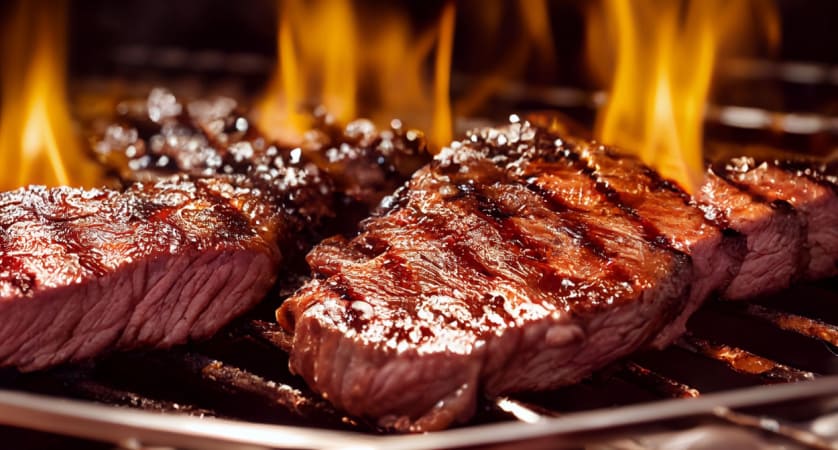
Grilled Meat

Skewers, pork, steaks, up to the noble Florentine steak... grilling enhances the flavor of the meat (properly marinated) and makes it pleasantly charred. Best enjoyed in company for truly convivial barbecues, always being careful not to place the meat directly over the flame.

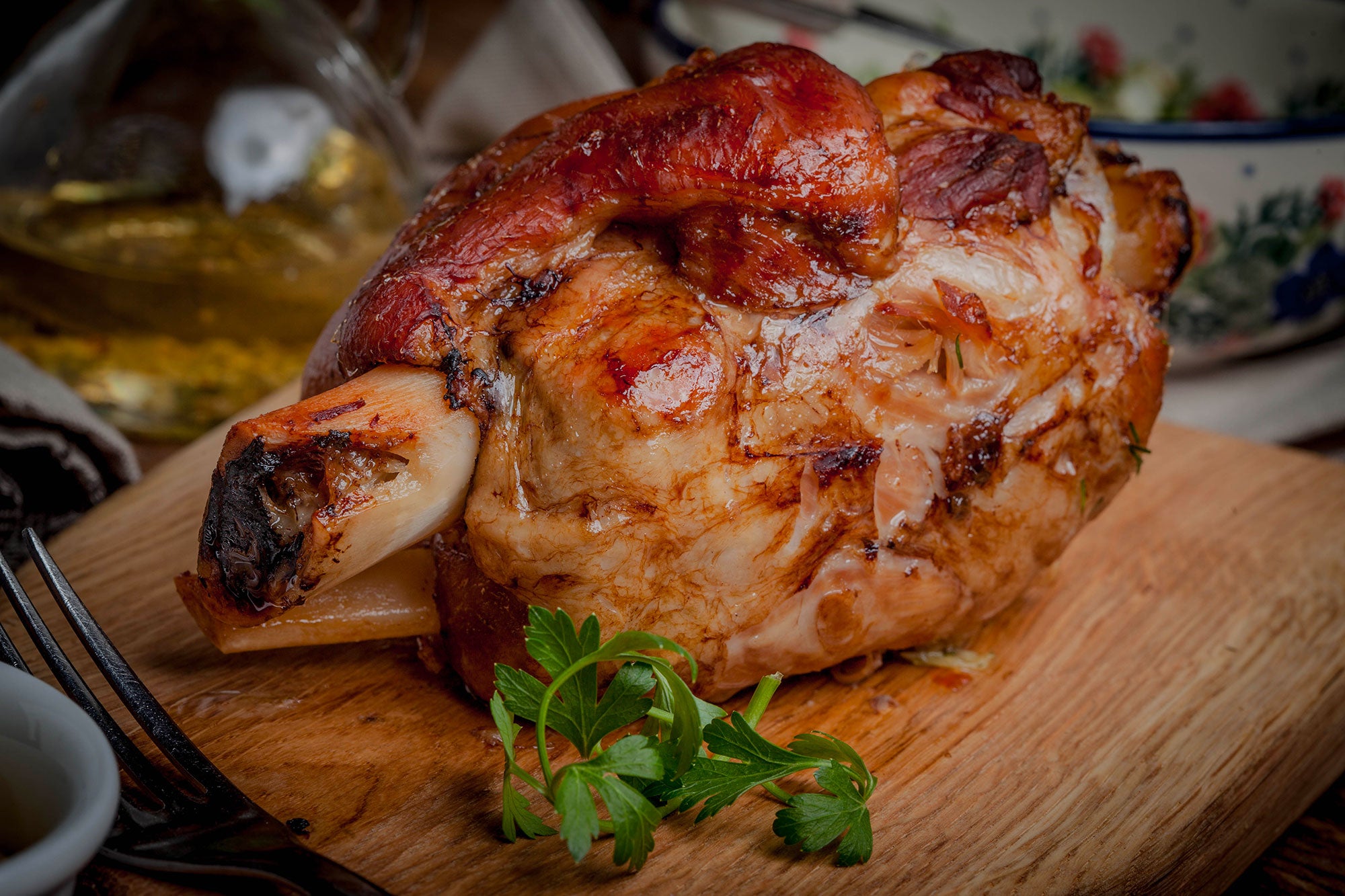
Pork knuckle

Baked with potatoes, sautéed, or cooked in a pressure cooker, pork knuckle is a delicious and rich main dish, characterized by its enticing fattiness that delights the palate. Particularly flavorful and tender, it brings joy to the table with its intense and aromatic scents. Easy to prepare, when baked, it requires 2 to 3 hours of cooking time.

Tell Valtellina Superiore Grumello | Faccinelli , did you like it?

Tell us about it by clicking here

Review

Tell Valtellina Superiore Grumello | Faccinelli , did you like it?

Tell us about it by clicking here

Review