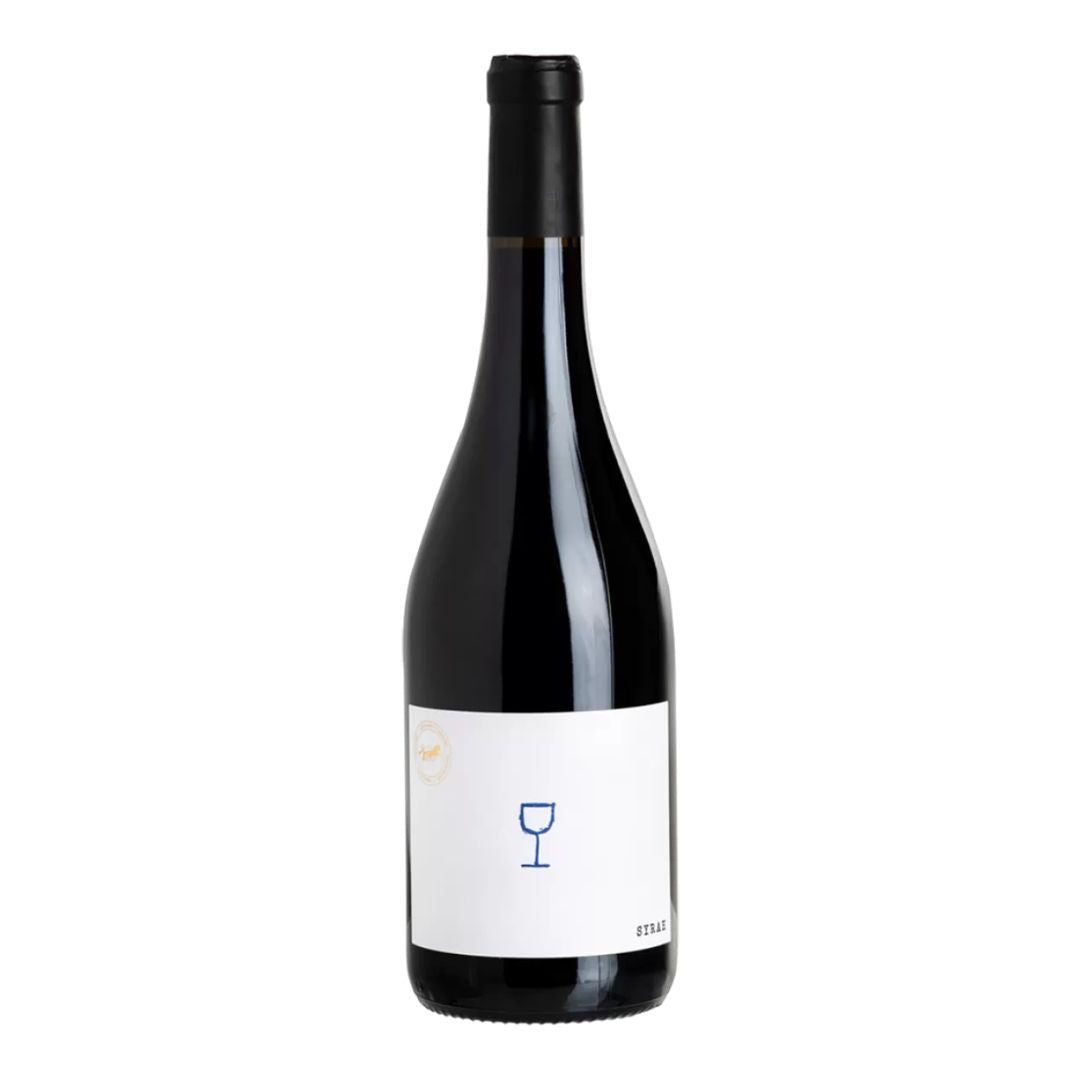
Syrah | Chateau Camplazens

Sale price€20,00

Red
Languedoc (FR)
IGP Pays d’Oc
Syrah 100%
Enjoy it within 5 years
14% ABV

Download as PDF

Production and refinement

The wine is made from 100% Syrah sourced from approximately 25-year-old vineyards located on a Languedoc plateau. The soils are of Mediterranean origin, composed of sand, silt, and clay over a limestone base, elements that help achieve a balance between structure and freshness. Viticulture follows integrated pest management practices with manual harvesting. Yields are kept low (around 30–40 hectoliters per hectare), enhancing concentration and grape quality. Harvest takes place at full phenolic ripeness to ensure balance between fruit, spice, and tannic structure.

Winemaking begins with a cold maceration for 2–3 days at 10–12°C to preserve primary aromas, followed by alcoholic fermentation with extended maceration (15–21 days) at 28–32°C, using regular pump-overs and punch-downs to optimize the extraction of tannins and polyphenols. Malolactic fermentation takes place partly in separate tanks and partly in barriques. The wine is then aged exclusively in stainless steel to preserve freshness, fruit purity, and varietal integrity, maintaining a direct, fragrant style with immediate drinkability and good aging potential.

Organoleptic analysis

Visual exam

It shows an intense, bright ruby red color of medium depth, with violet reflections that highlight the wine’s vitality.

Olfactory examination

The bouquet is rich and layered, with prominent notes of ripe black fruits such as blackberry and blueberry, followed by nuances of black and white pepper. More complex spicy hints of licorice, cocoa, and light balsamic notes emerge, with a floral touch of violet adding further depth to the profile.

Tasting

The attack is soft and enveloping, with good fruity breadth. The palate develops along a fine yet present tannic structure, well integrated into the body of the wine. Acidity supports drinkability and lengthens the finish, which is spicy, slightly savory, and persistent, with echoes of black fruit and sweet spices.

Contents index

From the vineyard to the table: discover our wine

Ready for a journey to discover Syrah | Chateau Camplazens ? We will now take you to delve deeper into every aspect of this exceptional wine through three key sections:

Cellar

Come and learn about the history and values ​​of the winery which passionately grows and transforms grapes into wine

Territory

Immerse yourself in the land that gives life to these unique grapes, discovering the climate and terroir that influence its character

Pairings

Get expert advice on the perfect pairings that will enhance both the wine and your meal

The winery
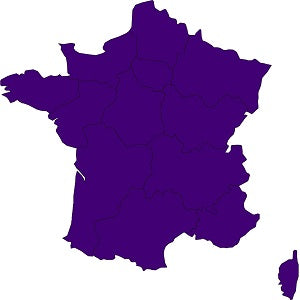
Country: France

Region: Languedoc

Hectares of vineyards: 43

Château Camplazens

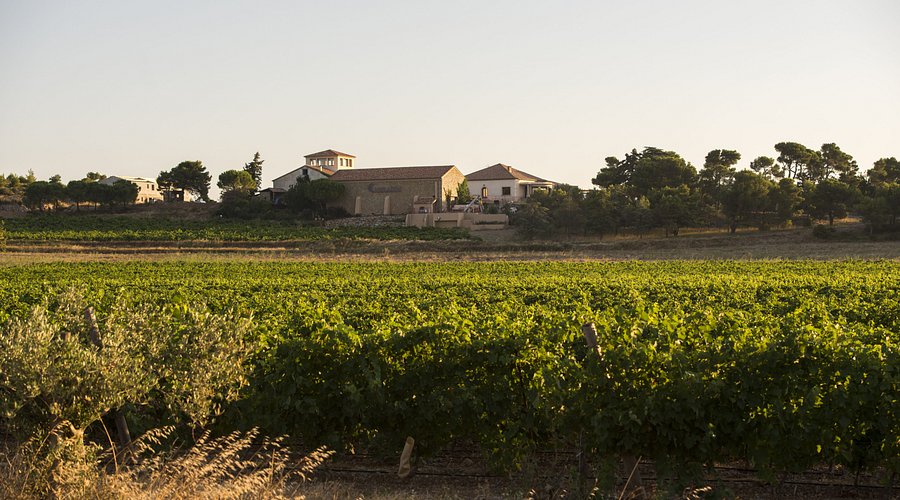
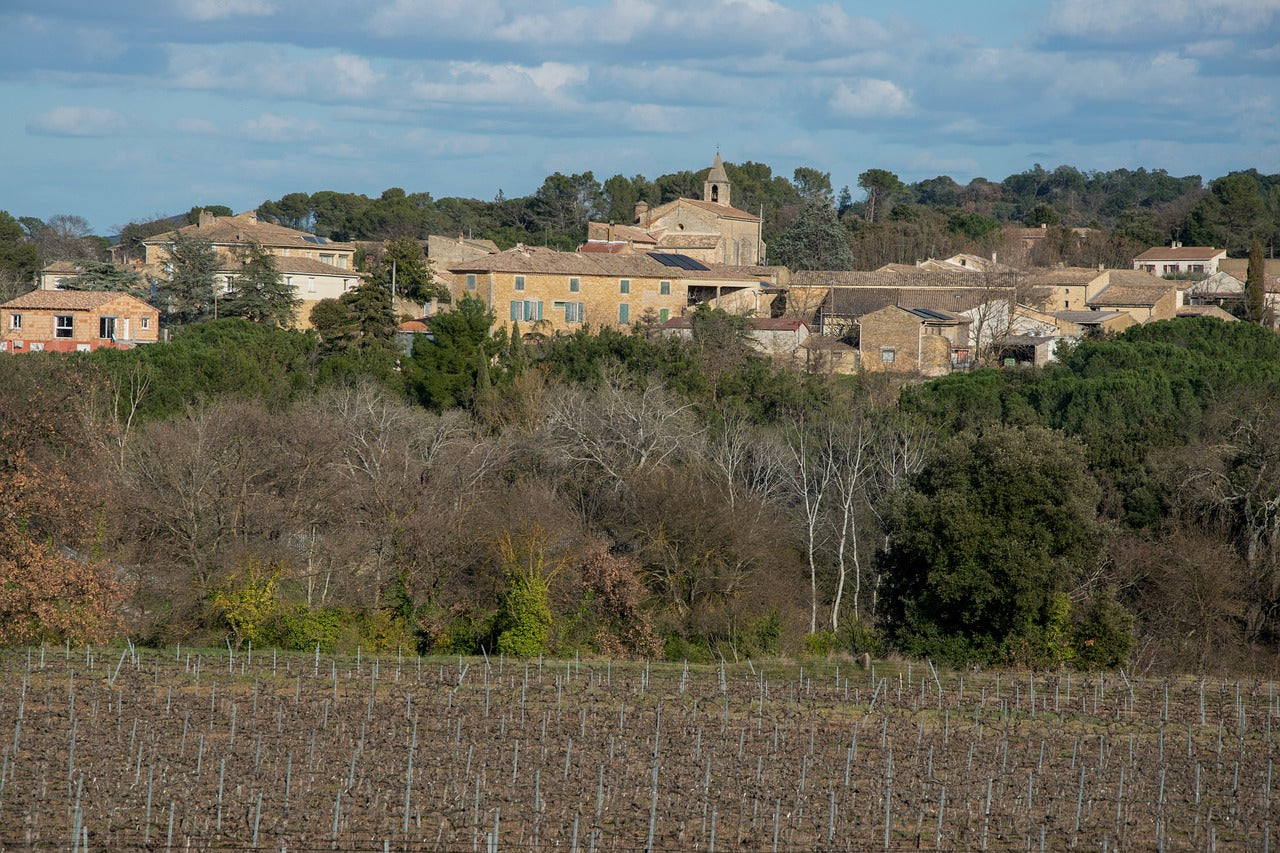
Château Camplazens is located on the La Clape plateau in the Aude, between Narbonne and Narbonne-Plage, in one of the most extreme and distinctive settings of the Languedoc. It lies within the Narbonnaise Regional Natural Park, a Natura 2000 protected area that preserves a wild, arid landscape shaped by wind, sun, and Mediterranean scrub.

This ancient limestone massif, once an island, is now one of the most highly regarded zones in the region for producing structured, Mediterranean-style red wines. La Clape is considered one of the sunniest areas in France: the climate is typically Mediterranean—hot and dry—but constantly ventilated by the Tramontane wind and sea breezes. This balance between intense sunshine and natural ventilation allows for full grape ripening while preserving aromatic freshness and palate tension.

Occasional weather systems that pass through the area become meaningful events, helping to rebalance the vine’s growth cycle and contributing to the vitality of both soil and vegetation.

Château Camplazens

The soils are predominantly limestone, fractured and poor, with a high presence of stones and outcropping rocks that force the vine into strong natural selection and deep root development. The surrounding Mediterranean scrub (garrigue) also contributes to a unique aromatic environment, which is directly reflected in the wines’ profile. It is precisely this combination of poor soils, strong sun exposure, and constant ventilation that produces wines of great concentration, structure, and personality, with a typically Mediterranean signature marked by spice, ripe fruit, and minerality.

Region and territory

From white wines to reds, from the quantity of the past to the quality of the present and the future.
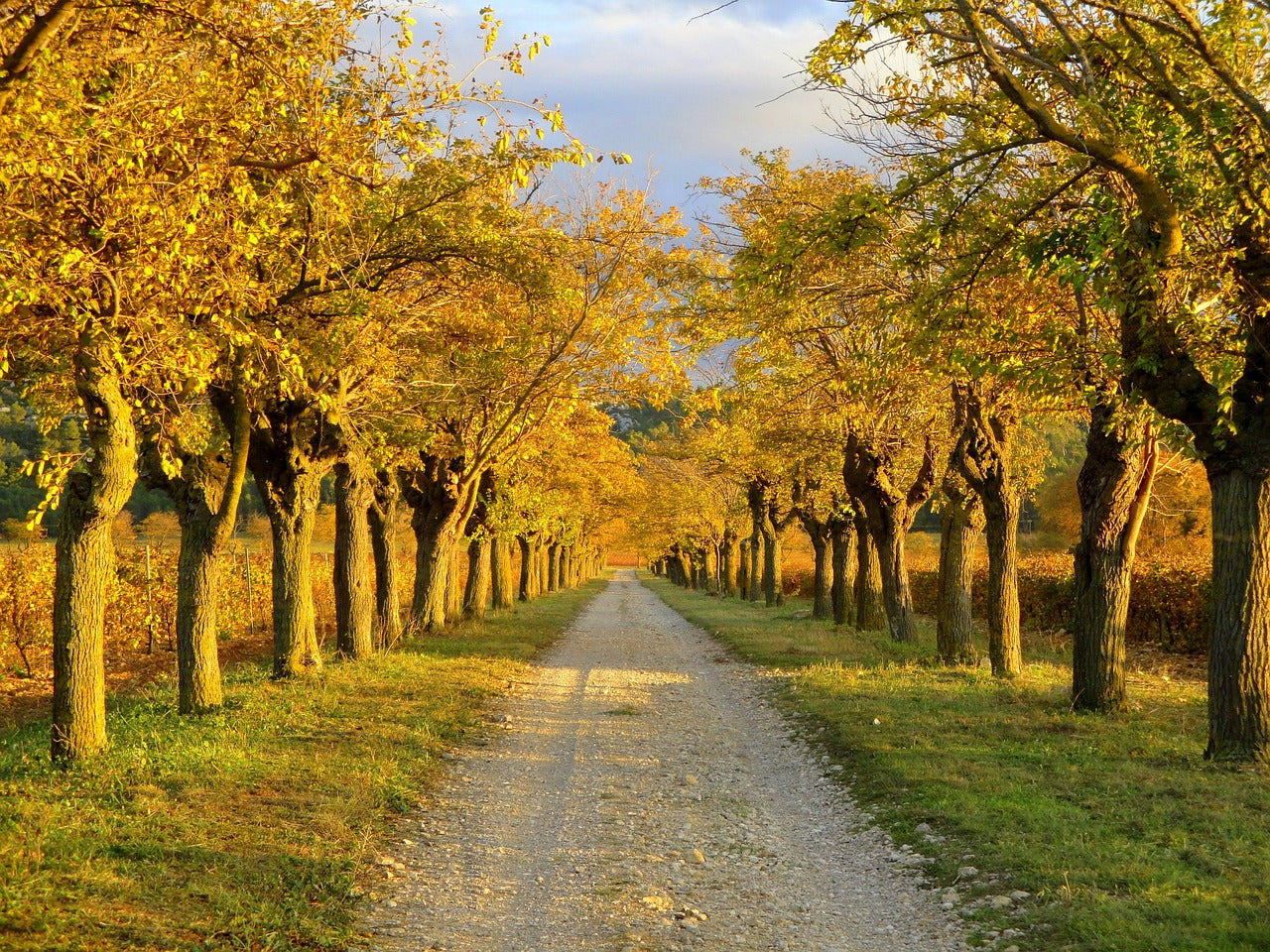
Languedoc-Roussillon

From white wines to reds, from the quantity of the past to the quality of the present and the future.
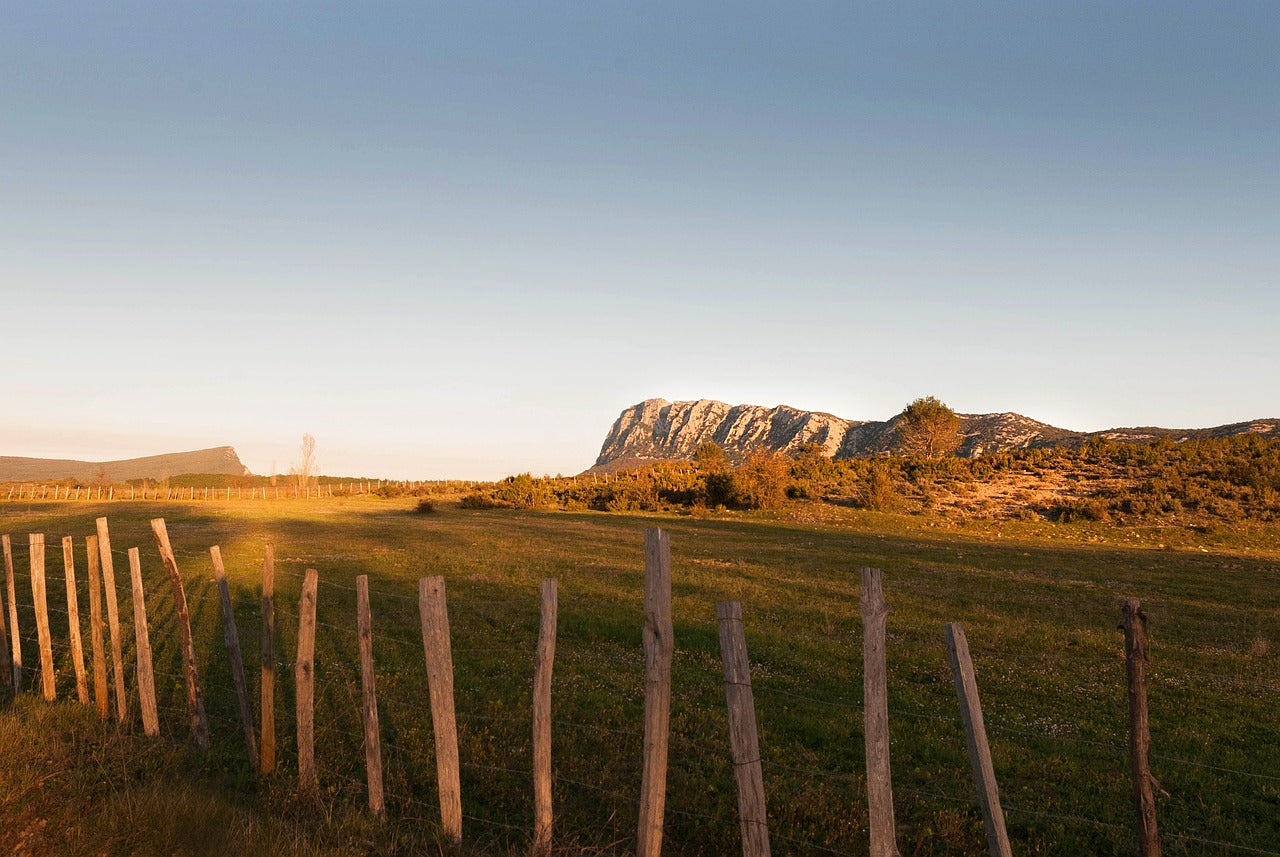
Languedoc-Roussillon

From white wines to reds, from the quantity of the past to the quality of the present and the future.
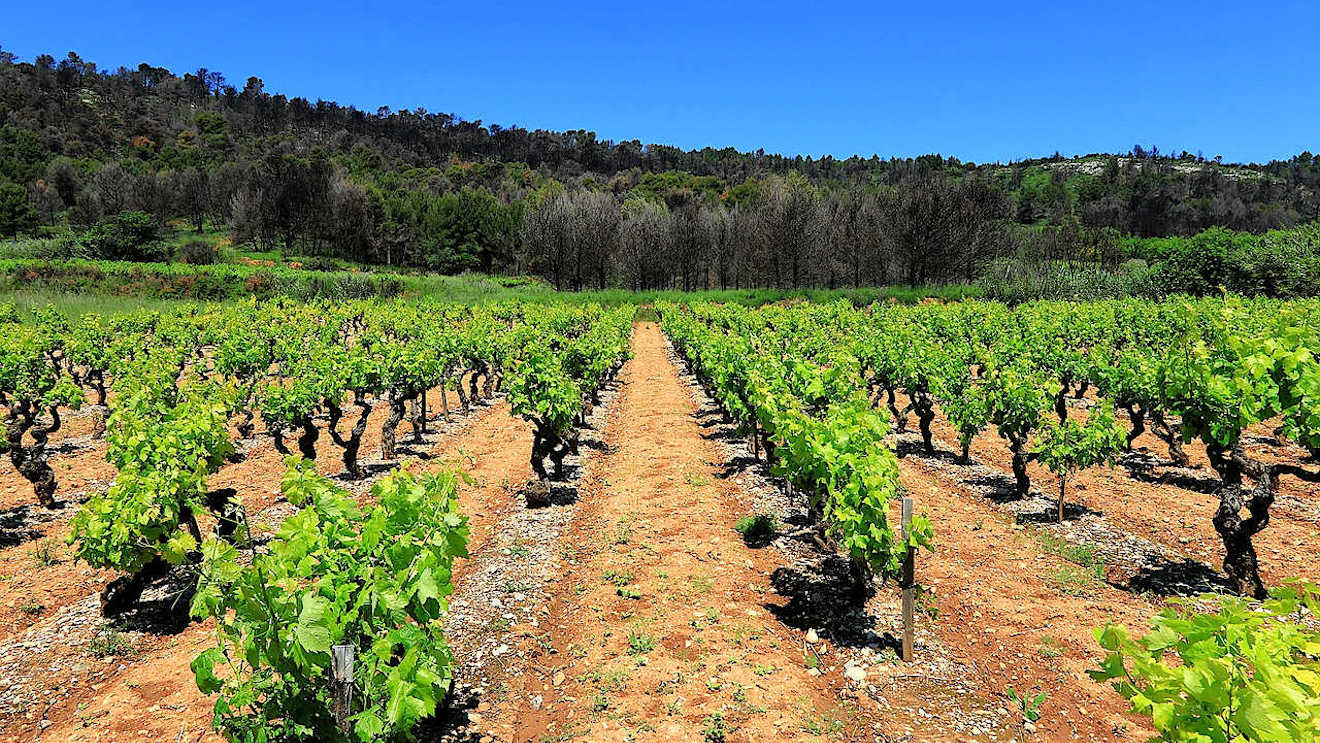
Languedoc-Roussillon

The Languedoc-Roussillon region is located in southern France and overlooks the Mediterranean Sea. It is one of the largest and most productive regions in all of France (accounting for over a third of the country's total wine production), with a production that in recent years has increasingly focused on quality.

The wine region, home to several AOCs (Appellation d’Origine Contrôlée), is divided into two distinct areas: Languedoc, further east, mostly flat, and Roussillon, further south near the Pyrenees.

The climate is Mediterranean and warm. In fact, on the southern coast of France, we find one of the most favorable microclimates for grape cultivation, although there are also some rather cool areas, such as the hills of Minervois and Limoux, where temperatures are lower due to slightly higher altitude.

The soils are mainly limestone, schist, and stony, forming the characteristic garrigues, a rocky landscape interspersed with lush Mediterranean scrubland. In these soils, Syrah and Carignan thrive and produce wines rich in structure, tannins, and salinity. In the plains, on the other hand, the soils are alluvial and fertile, mainly cultivating Grenache, Cinsault, and Muscat grapes, resulting in wines richer in alcohol.

The majority of the wine produced in the region belongs to the Vins de Pays category, but there are numerous oenological subzones, each producing wines with unique characteristics. Among these, the most productive are Corbières and Coteaux du Languedoc, where mainly red indigenous and international grape varieties are vinified.

Also interesting is the Limoux area, where excellent sparkling wines are produced: the Crémant and the Blanquette de Limoux with the traditional method, but also an excellent ancestral wine produced with the rural method.

The most characteristic wines of the region are the vins doux naturels, produced by fortifying the must through the addition of alcohol (a process called mutage).

Languedoc

The Languedoc, located in the south of France, is one of the country’s largest and most historic wine regions, with a Mediterranean climate ideal for viticulture. The region boasts a wide variety of soils and grape varieties, with predominant reds including Grenache, Syrah, and Mourvèdre, and whites such as Chardonnay, Viognier, and Marsanne.

The main denominations of Languedoc include:

- AOC Languedoc: The generic appellation covering the entire region, with sub-denominations like Pic Saint-Loup, La Clape, and Montpeyroux.
- AOC Minervois: Known for its robust and spicy red wines.
- AOC Corbières: Valued for its rich and aromatic reds.
- AOC Faugères: Famous for its mineral and concentrated red wines.
- AOC Saint-Chinian: Produces complex and well-structured reds.
- AOC Limoux: Renowned for its sparkling and white wines.

Languedoc is known for producing full-bodied and aromatic wines with an excellent quality-to-price ratio and has seen significant improvements in quality in recent years, making it one of France’s most interesting wine regions.

One of the largest and most diverse wine regions in France

Recommended pairings and dishes

Matching by concordance

It works very well by analogy with spiced, peppery dishes or those featuring aromatic herbs (rosemary, thyme, bay leaf), which echo the typical notes of Syrah. Preparations with smoky elements, grilled components, or reductions of red wine or brown stock further amplify the wine’s aromatic coherence, creating an “intensity with intensity” pairing that enhances its spicy and fruity character.

Matching by contrast

Its tannic structure and aromatic richness are balanced by dishes with a fatty or succulent component: marbled cuts of meat, preparations with soft or buttery sauces, and lightly oily dishes that soften the perception of tannins. A slight sweet tendency in the preparations (such as glazes or balsamic reductions) also helps make the sip more harmonious and less angular, enhancing the wine’s fresh finish.

It pairs well with

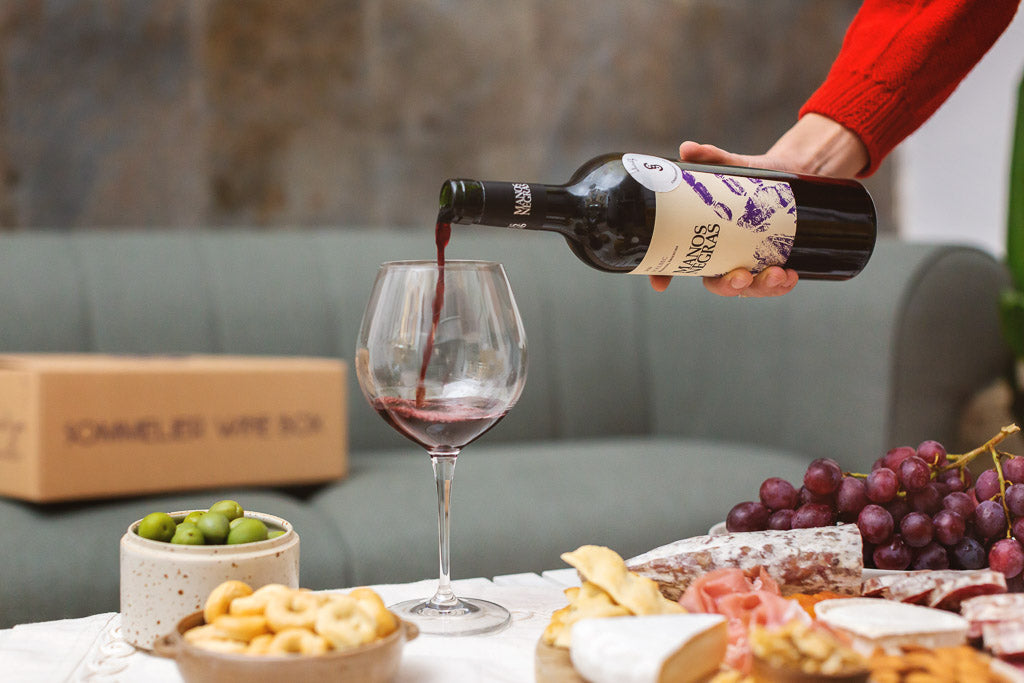
Medium to well-structured dishes such as grilled red meats, roast beef and lamb, flavorful stews, and light game. Rich first courses such as meat ragù, baked lasagna, or mushroom risottos. Aged cheeses, both hard and semi-hard.

Matching by concordance

It works very well by analogy with spiced, peppery dishes or those featuring aromatic herbs (rosemary, thyme, bay leaf), which echo the typical notes of Syrah. Preparations with smoky elements, grilled components, or reductions of red wine or brown stock further amplify the wine’s aromatic coherence, creating an “intensity with intensity” pairing that enhances its spicy and fruity character.

Matching by contrast

Its tannic structure and aromatic richness are balanced by dishes with a fatty or succulent component: marbled cuts of meat, preparations with soft or buttery sauces, and lightly oily dishes that soften the perception of tannins. A slight sweet tendency in the preparations (such as glazes or balsamic reductions) also helps make the sip more harmonious and less angular, enhancing the wine’s fresh finish.

It pairs well with

Medium to well-structured dishes such as grilled red meats, roast beef and lamb, flavorful stews, and light game. Rich first courses such as meat ragù, baked lasagna, or mushroom risottos. Aged cheeses, both hard and semi-hard.

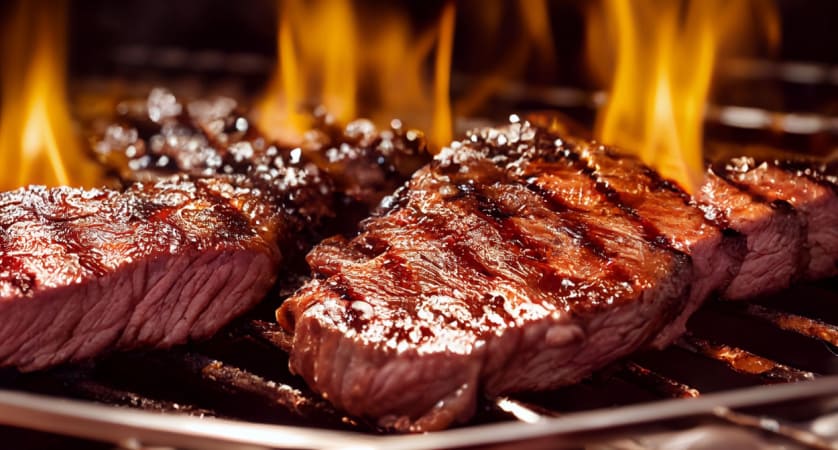
Grilled Meat

Skewers, pork, steaks, up to the noble Florentine steak... grilling enhances the flavor of the meat (properly marinated) and makes it pleasantly charred. Best enjoyed in company for truly convivial barbecues, always being careful not to place the meat directly over the flame.

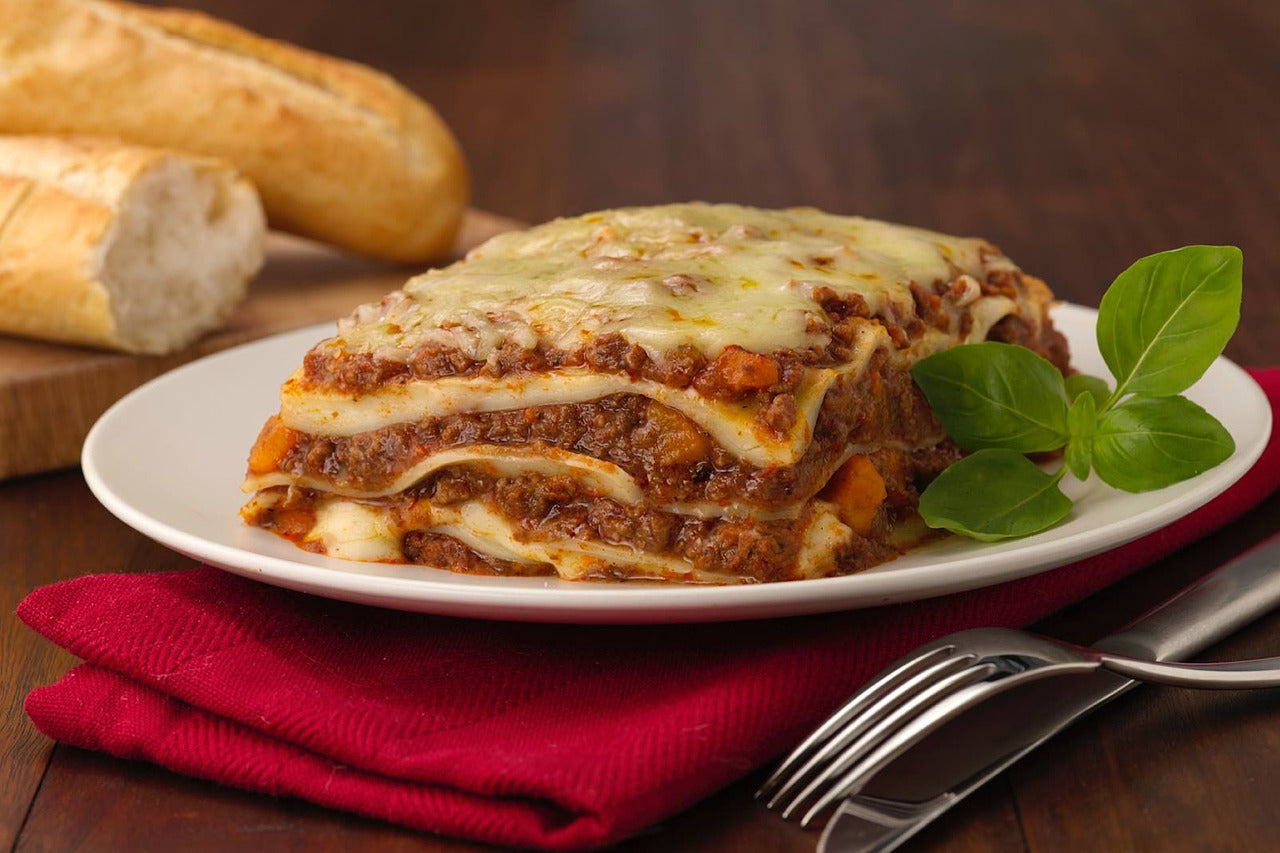
Lasagna with Ragù

Lasagna is a classic dish of Italian cuisine composed of layers of pasta, béchamel sauce, ragù, and cheese, usually Parmesan or mozzarella. When prepared with care, lasagna presents a balance between the softness of the pasta, the creaminess of the béchamel, and the richness of the ragù. This dish is a comforting delight, suitable for all seasons and perfect for sharing with family and friends.

Syrah | Chateau Camplazens , did you like it?

Tell us about it by clicking here

Syrah | Chateau Camplazens , did you like it?

Tell us about it by clicking here