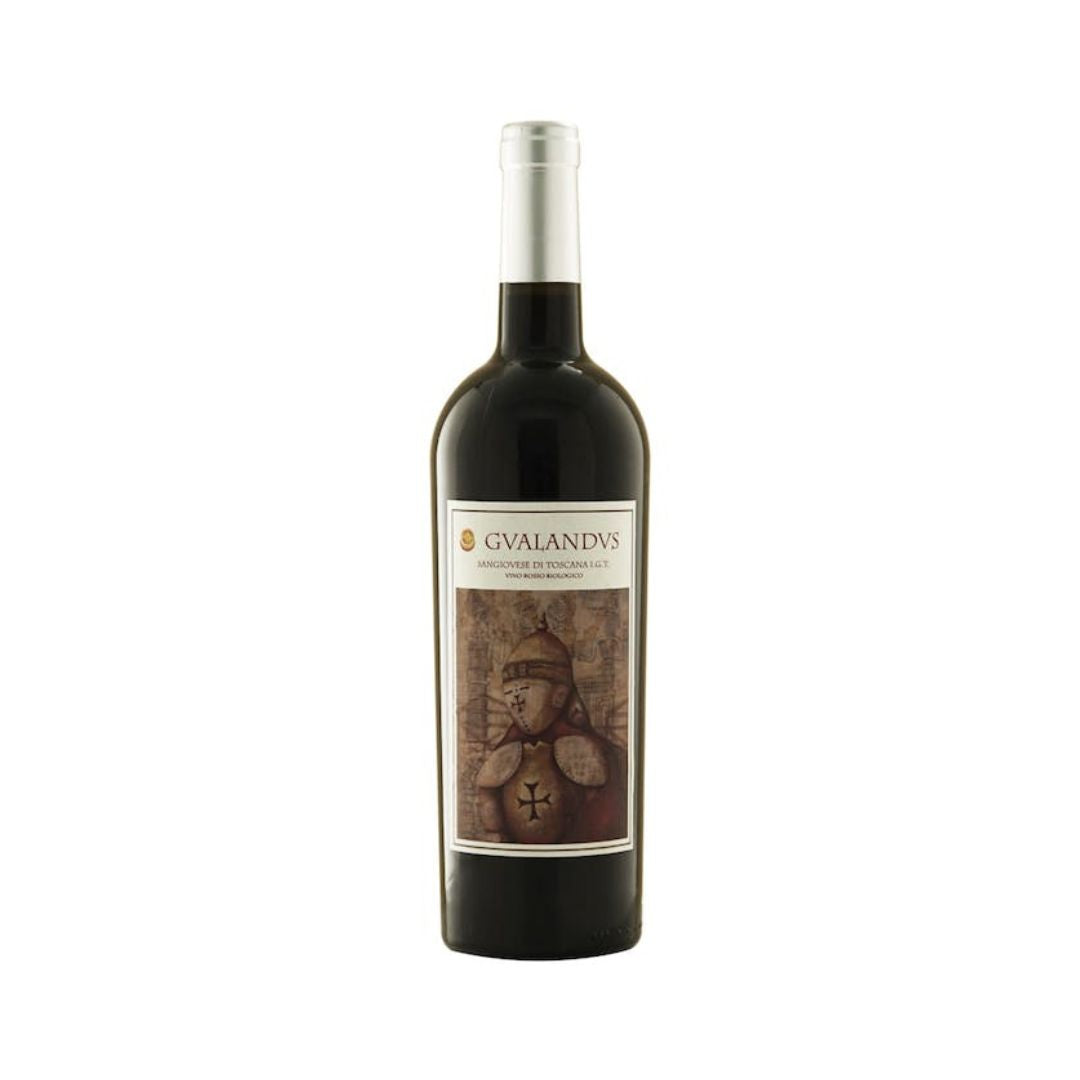
Sangiovese Gualandus | Gualandi

Sale price€26,00

Red
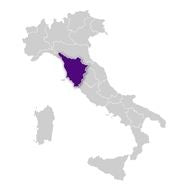
Tuscany (IT)
Toscana IGT
Sangiovese 100%
Enjoy it within 5 years
14% ABV

Download as PDF

Production and refinement

100% Sangiovese from vineyards located at approximately 150–300 metres above sea level. The grapes are hand-harvested from soils characterized by alberese, galestro, marl and clay, particularly well suited to the cultivation of Sangiovese.

Fermentation on the skins for more than 20 days, with 40% whole bunches. This is followed by two months of maceration on the skins. The wine is then aged for 10 months in barriques, followed by a further 12 months in bottle.

Organoleptic analysis

Visual exam

A beautiful intense ruby red, evolving towards ruby with age.

Olfactory examination

The nose reveals an elegant and complex bouquet, characterized by aromas of cherry and blackberry, accompanied by intense spicy notes.

Tasting

The palate is structured, soft and full-bodied, with a well-defined balance between freshness, tannins and alcohol. The palate is persistent, with a pleasant depth of flavour.

Contents index

From the vineyard to the table: discover our wine

Ready for a journey to discover Sangiovese Gualandus | Gualandi ? We will now take you to delve deeper into every aspect of this exceptional wine through three key sections:

Cellar

Come and learn about the history and values ​​of the winery which passionately grows and transforms grapes into wine

Territory

Immerse yourself in the land that gives life to these unique grapes, discovering the climate and terroir that influence its character

Pairings

Get expert advice on the perfect pairings that will enhance both the wine and your meal

The winery

Country: Italy

Region: Tuscany, Florence

Hectares of vineyards: 4

Gualandi

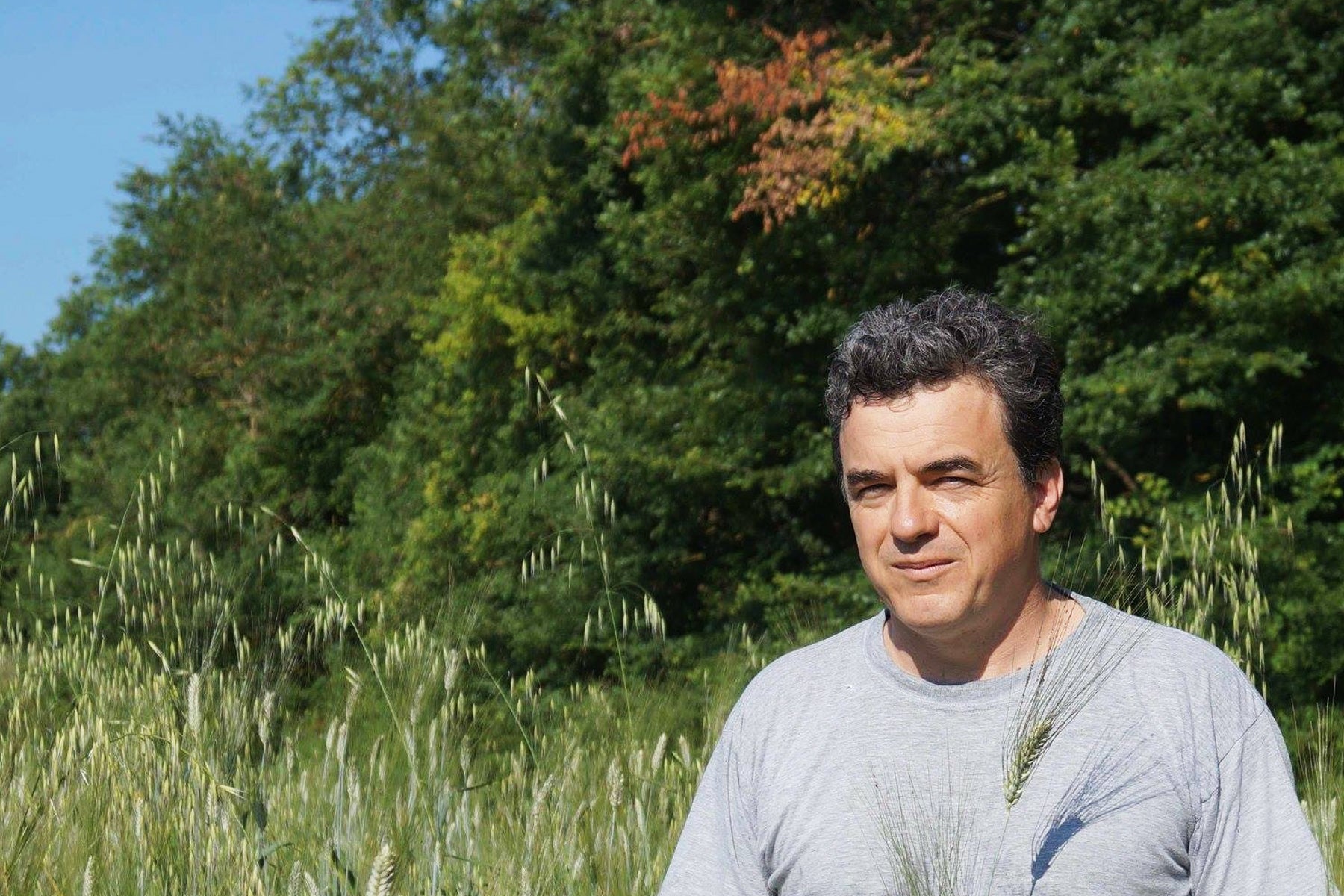
In the heart of Chianti Colli Fiorentini, in Montespertoli, Guido Gualandi has embarked on an extraordinary journey of research and enhancement of Tuscany’s native grape varieties. Among the rows of Podere Gualandi, grape varieties such as Sangiovese Abrusco, Foglia Tonda, Pugnitello, Aleatico, Colorino, and various clones of Trebbiano and Malvasia are revived thanks to his dedication. These varieties, once nearly forgotten, were rediscovered by the University of Florence and, through Guido's efforts, brought back to life to tell the winemaking history of Tuscany.

The 4.5 hectares of vineyards are cultivated following strict organic principles certified by ICEA since 2008, with a particular focus on the environment. The water used is recycled, heating and hot water are powered by solar energy, and electricity comes from photovoltaic panels. Most of the fieldwork is done by hand, minimizing tractor use to preserve the fertility of the soil.

Gualandi

In the winery, Guido adopts a non-interventionist approach: winemaking follows traditional and natural methods, such as fermentation with the stems, manual pressing with a wine press, and aging in barriques. His wines, defined as “archaeological,” blend the past and the present. They are new in terms of the craftsmanship and care with which they are produced, yet they are deeply rooted in the centuries-old traditions of Tuscany, bringing forgotten ancient practices back to life.

The result is authentic and original wines, with great drinkability, that reflect the deep connection between grape variety, territory, and tradition. Podere Gualandi is a virtuous example of how history can be reborn through sustainable innovation and love for the land.

Region and territory

Precious and elegant: the wines of the undisputed queen of Italian oenology
Tuscany

Precious and elegant: the wines of the undisputed queen of Italian oenology
Tuscany

Precious and elegant: the wines of the undisputed queen of Italian oenology
Tuscany

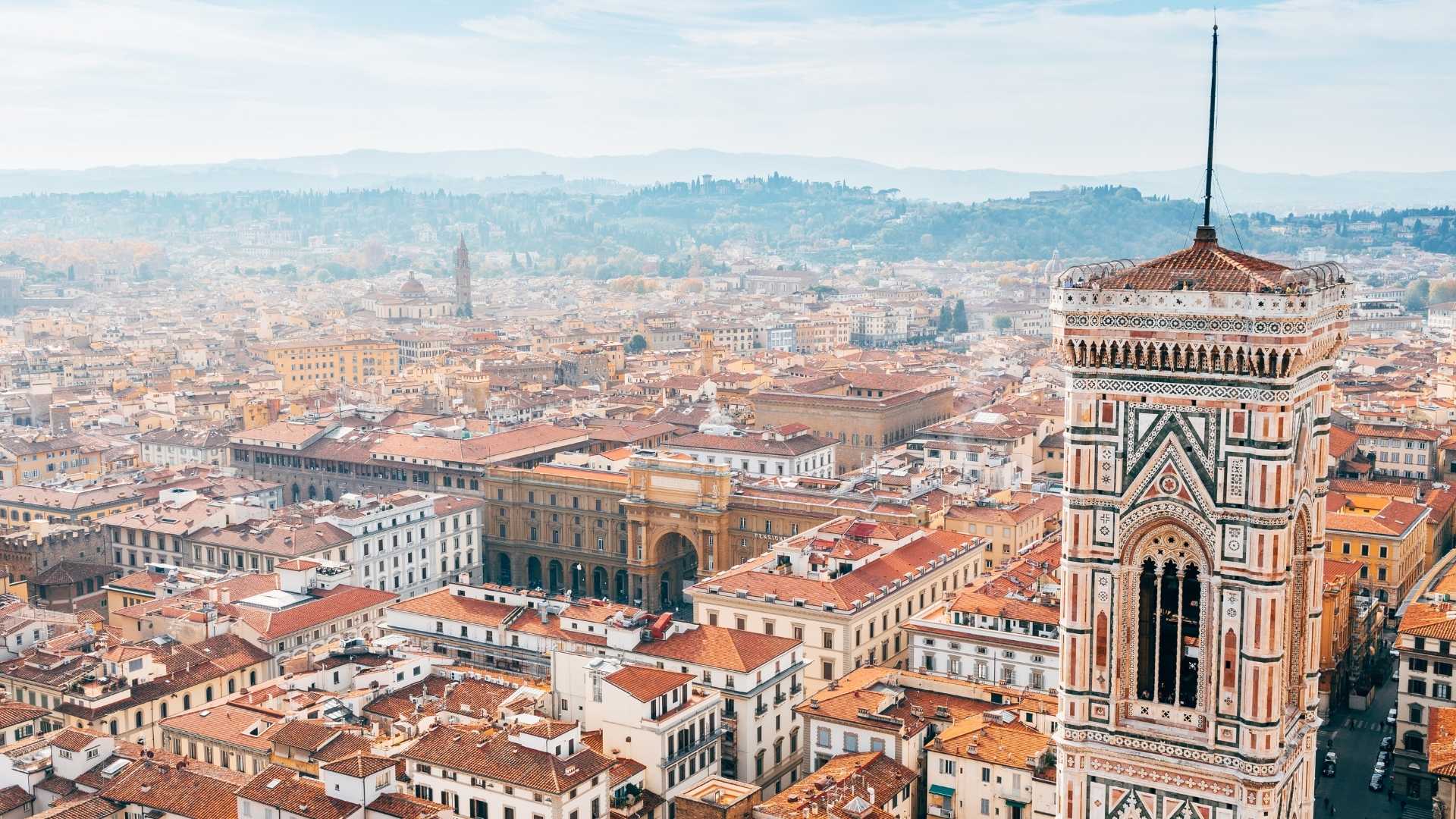
Tuscany is one of the most important Italian regions for wine, famous worldwide for its renowned labels. Here, wine truly has been part of history and culture for centuries, as far back as the 14th century with the establishment of the "Lega dei Vinattieri" (Wine Merchants Guild).
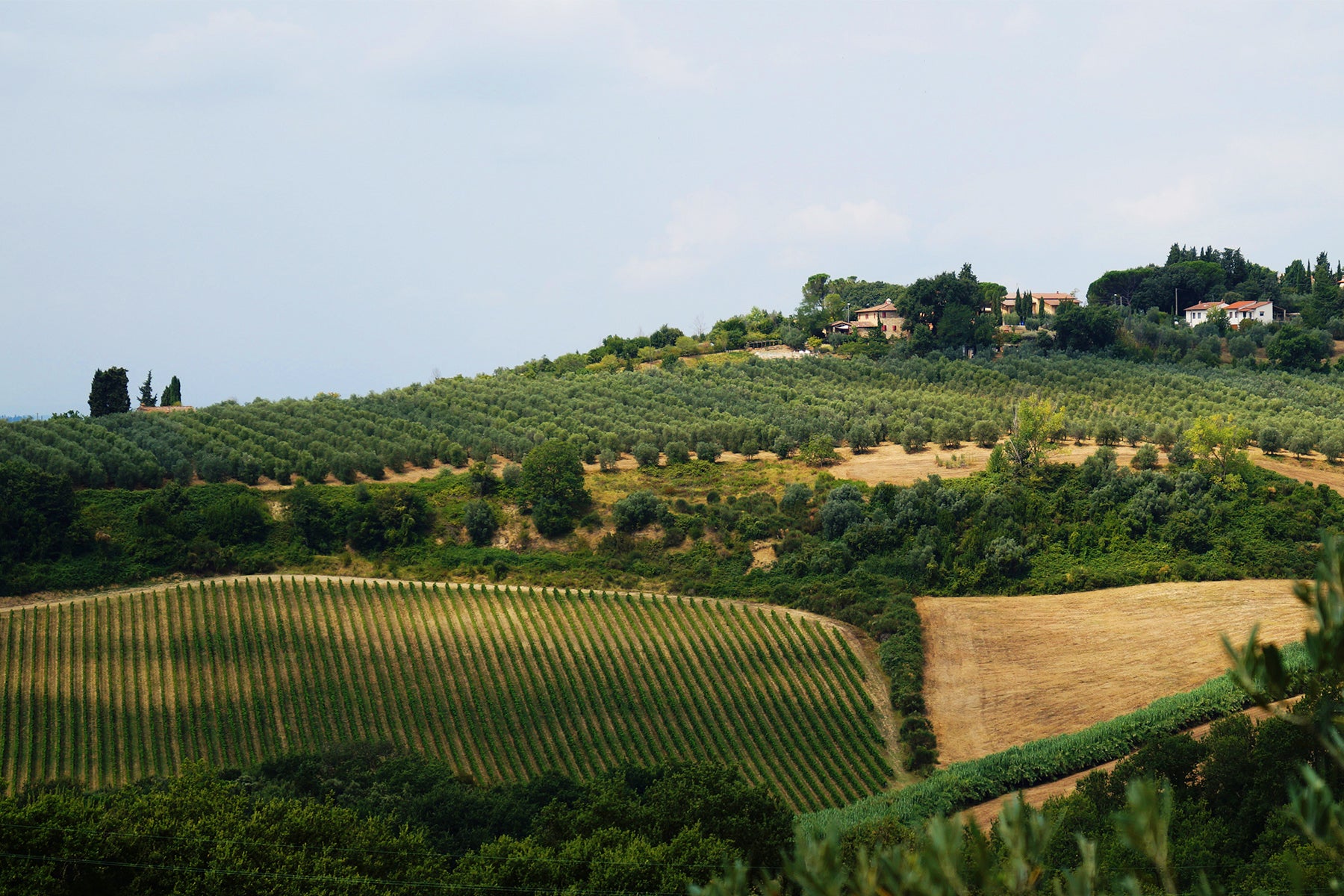
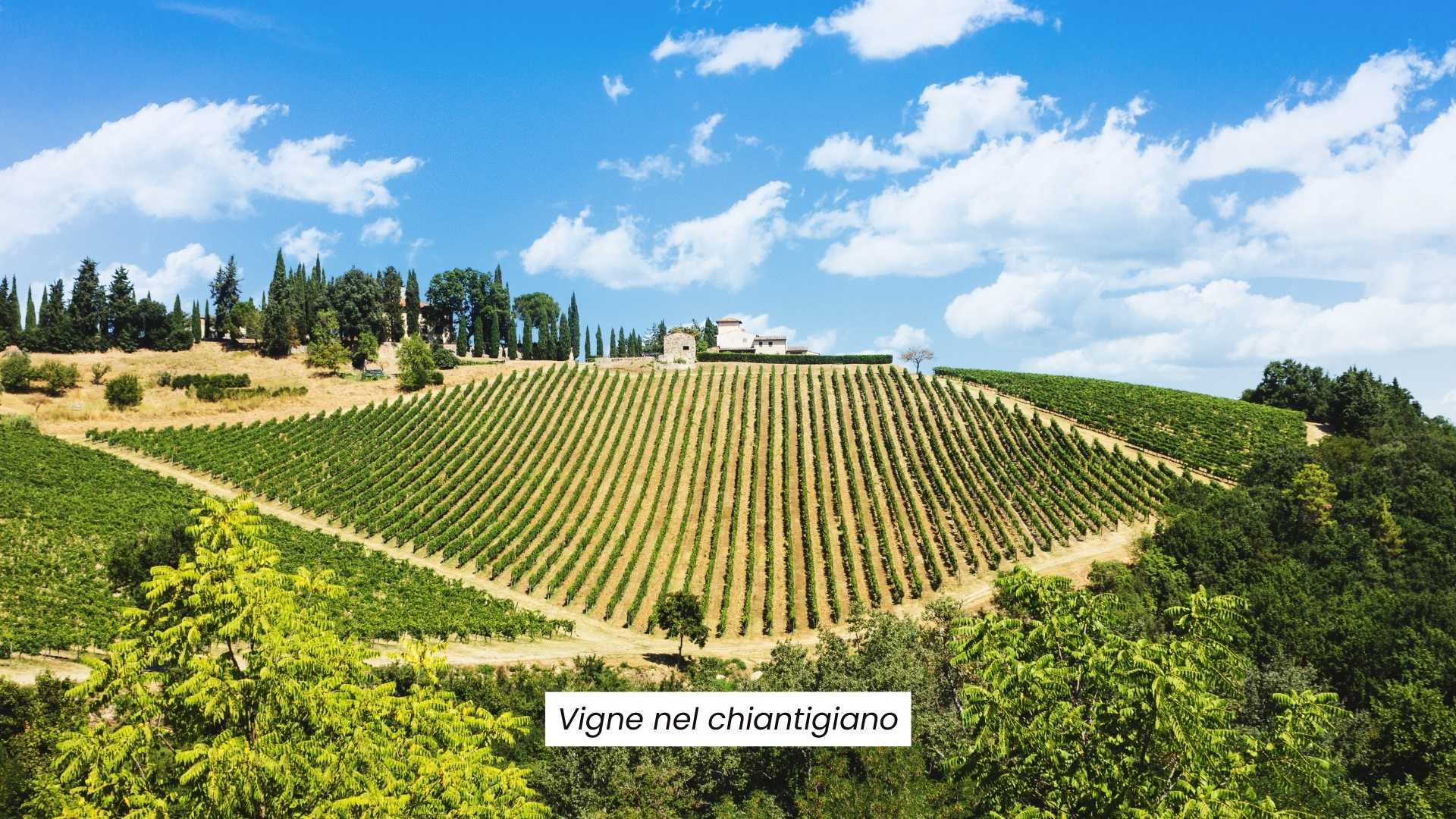
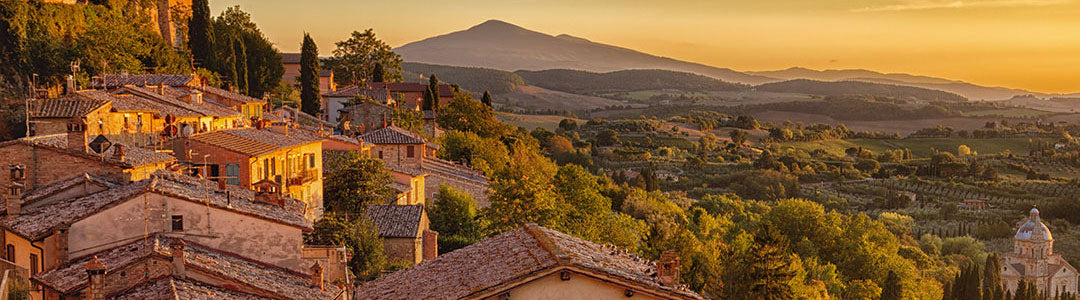
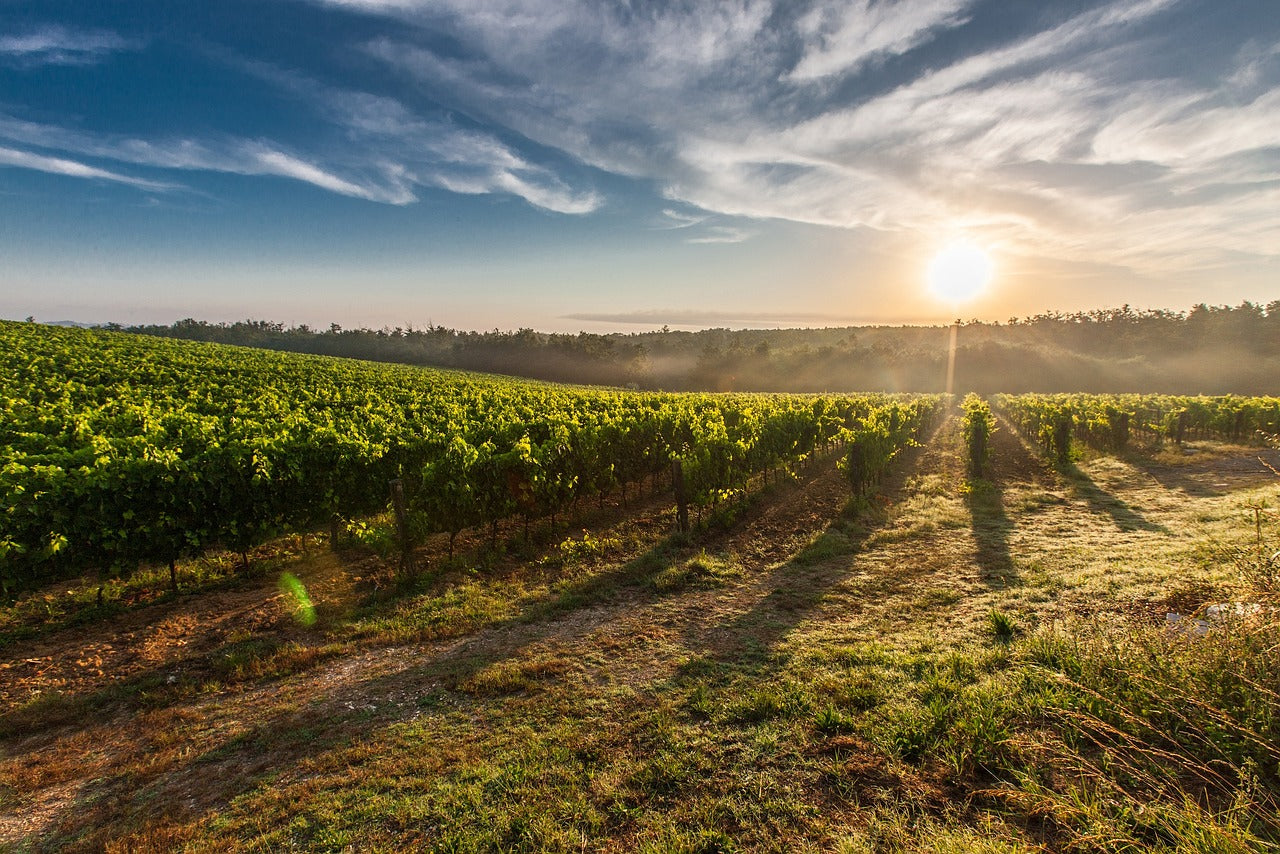
The Tuscan landscape also tells the story of the territory's strong winemaking vocation: from the hills of Chianti and the Etruscan Coast to the panoramas of Val d’Orcia and Val di Chiana, kilometers of splendid vineyards stretch out before our eyes, producing excellent wines.

Tuscany is one of Italy's most suitable regions for the production of quality wines and has conquered world markets since the 1980s. Bathed by the Ligurian Sea and the Tyrrhenian Sea, it has predominantly hilly terrain with a temperate climate, mild winters, and cool summers.
The various types of grapevines cultivated in Tuscany are greatly influenced by the soil on which they grow, ranging from sandy soils in the west to tuffaceous soils, and even clayey and calcareous soils.
A special mention goes to "galestro," a type of local soil that also gives its name to a wine from the Chianti area.

Montespertoli

Montespertoli, nestled among the hills of Tuscany, is a place renowned for its importance in the field of oenology, particularly for its Chianti DOCG appellation subzone Montespertoli: one of the most prestigious wine regions in Tuscany. Established in 1996, it encompasses the provinces of Florence, precisely demarcating the geographical boundaries where wines belonging to this appellation can be produced.

The area is characterized by a temperate Mediterranean climate and mineral-rich soil, ideal for the cultivation of Sangiovese vines, which form the basis of Montespertoli's Chianti DOCG wines.
Among white grapes, on the other hand, the most common are Trebbiano, Malvasia and Sauvignon.

Among the hills of Montespertoli, the magic of Chianti DOCG shines through.

Recommended pairings and dishes

Matching by concordance

The wine’s structure, softness and aromatic intensity call for dishes of equal intensity and complexity. Its fruity and spicy notes pair well with red meats, game, mushrooms and traditional Tuscan dishes, while its evolved character finds a natural match in structured dishes and aged cheeses.

Matching by contrast

The freshness and tannic character contrast with the succulence and richness of red meats, roasts, braised dishes and cured meats. The good acidity also balances the soft, rich character of aged cheeses and other rich preparations.

It pairs well with

First courses with meat-based sauces, grilled red meats, roasts, braised dishes, game, cured meats, aged cheeses and traditional Tuscan dishes. Also excellent enjoyed on its own.

Matching by concordance

The wine’s structure, softness and aromatic intensity call for dishes of equal intensity and complexity. Its fruity and spicy notes pair well with red meats, game, mushrooms and traditional Tuscan dishes, while its evolved character finds a natural match in structured dishes and aged cheeses.

Matching by contrast

The freshness and tannic character contrast with the succulence and richness of red meats, roasts, braised dishes and cured meats. The good acidity also balances the soft, rich character of aged cheeses and other rich preparations.

It pairs well with

First courses with meat-based sauces, grilled red meats, roasts, braised dishes, game, cured meats, aged cheeses and traditional Tuscan dishes. Also excellent enjoyed on its own.

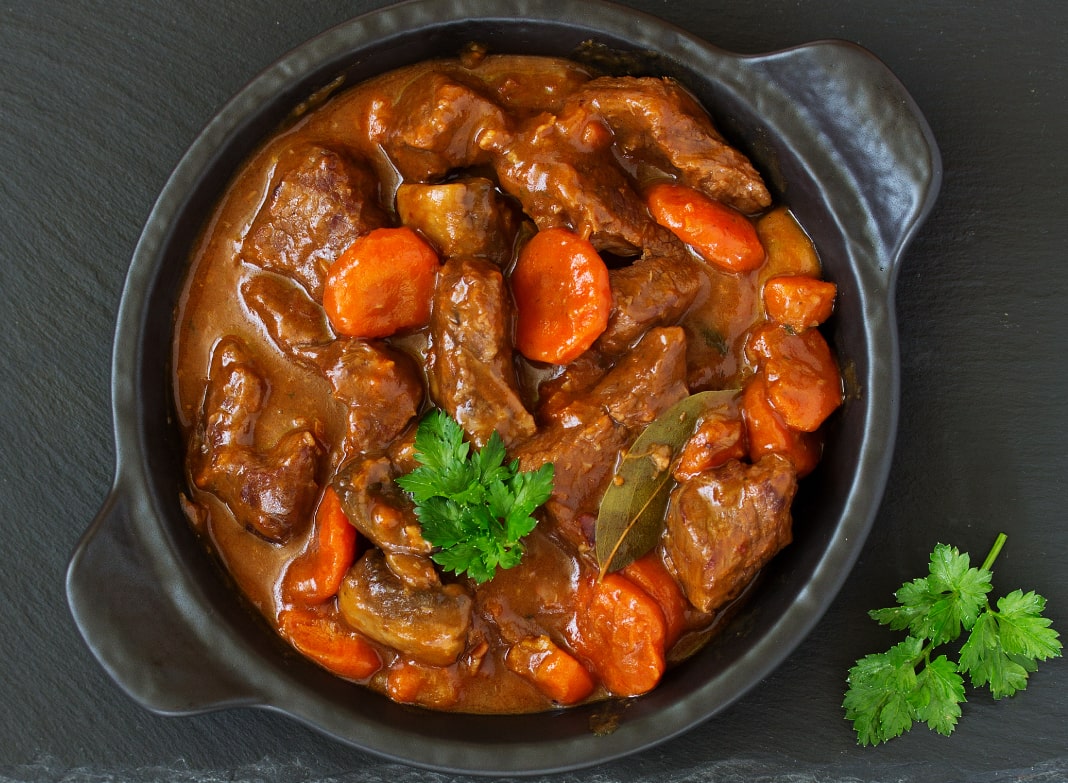
Wild Boar Stew

A rich autumnal dish with a bold flavor, enhanced by slow cooking and intense aromas. It pairs perfectly when served with delicious taragna polenta.

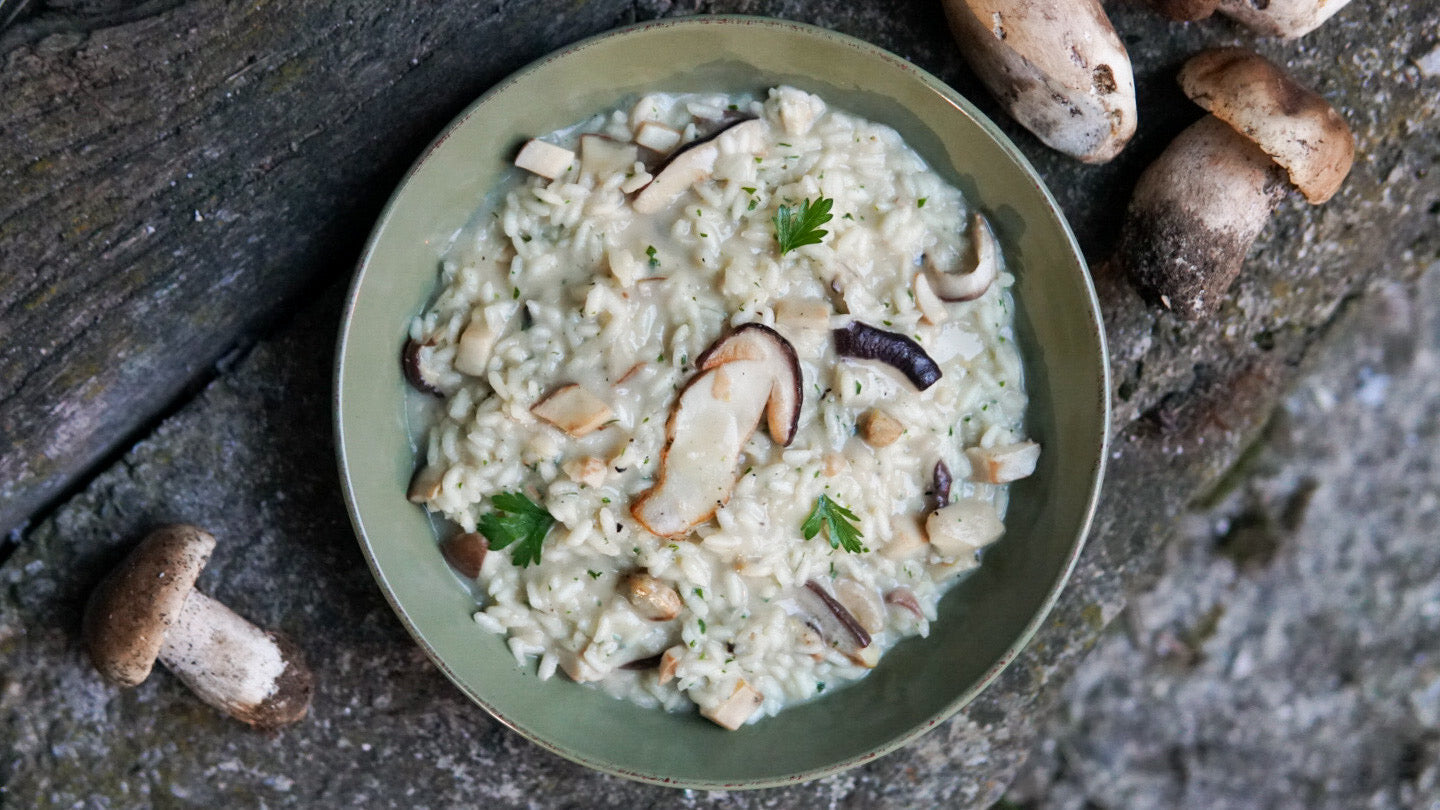
Mushroom Risotto

A dish rich in aromas and flavor, creamy and of medium structure, delicate and elegant. Chanterelles, porcini, button mushrooms, or a mix... the possibilities for an impressive first course are endless!

Sangiovese Gualandus | Gualandi , did you like it?

Tell us about it by clicking here

Review

Sangiovese Gualandus | Gualandi , did you like it?

Tell us about it by clicking here

Review