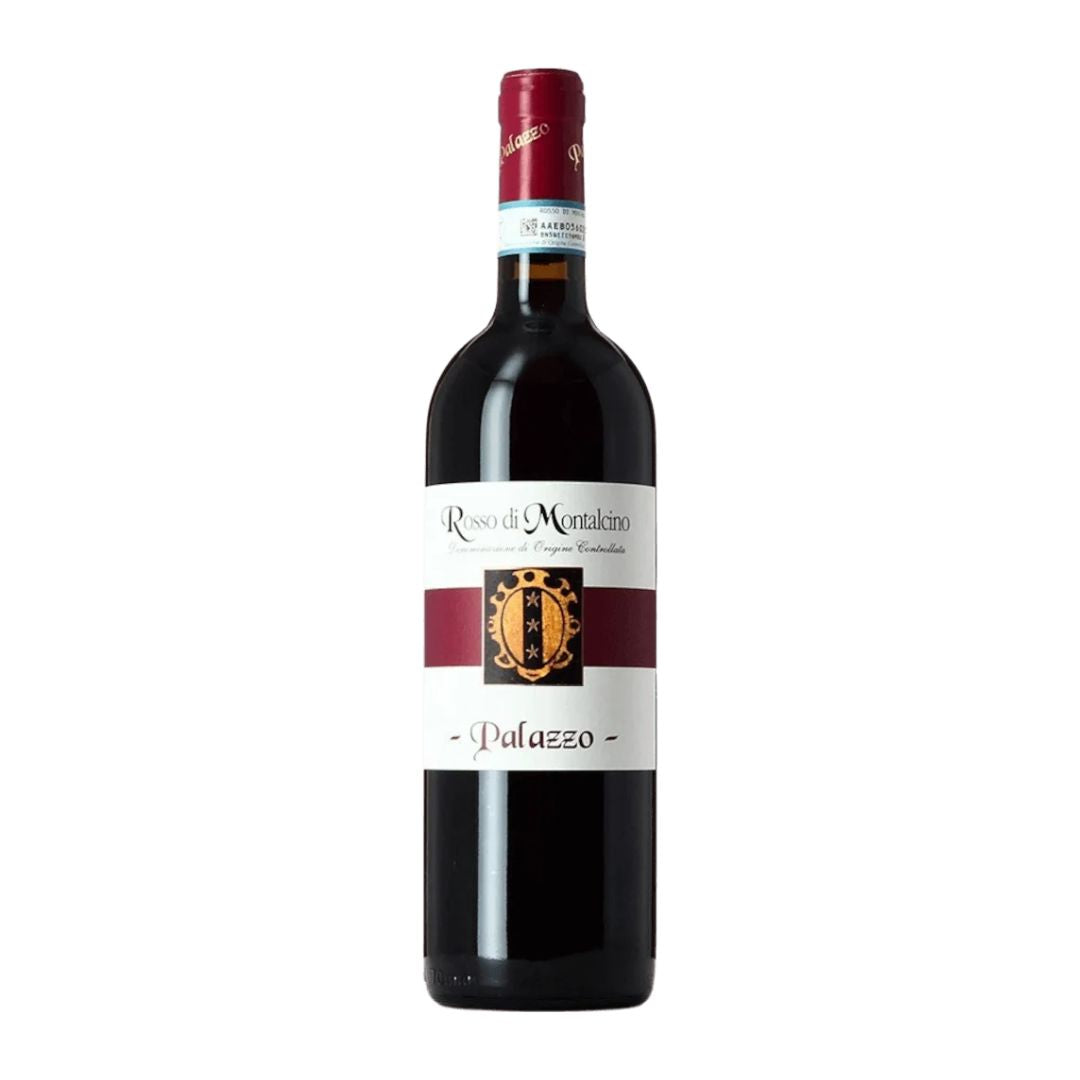
Rosso Montalcino | Palazzo

Sale price€20,00

Red
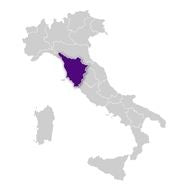
Tuscany (IT)
Rosso di Montalcino DOC
Sangiovese Grosso 100%
Enjoy it within 8 years
14% ABV

Download as PDF

Production and refinement

Made from 100% Sangiovese Grosso, sourced from vineyards planted in the 1980s and trained using the cordon spur system, with vines around 25 years old. The siliceous, stony soils naturally limit vigor, promoting concentrated grapes rich in aroma. Manual harvesting between late September and early October, along with careful selection of the bunches, ensures integrity and optimal quality for vinification.

Fermentation takes place in stainless steel and small oak vessels with 18–20 days of maceration at a controlled temperature (28°C), encouraging gentle extraction and fine tannins. The wine then undergoes 12 months of aging in oak barriques—or in 20–25 hl barrels depending on the vintage—adding spicy and balsamic nuances and a softer texture, without overshadowing the Sangiovese’s fruity character. After bottling, it rests for an additional 6–8 months before release. Production is limited.

Organoleptic analysis

Visual exam

It presents a deep, luminous ruby red color, with slight garnet reflections that foreshadow its complexity and elegance.

Olfactory examination

The bouquet is broad and layered: wild violet, crisp black cherry and raspberry, notes of forest undergrowth, balsamic touches, and hints of Mediterranean herbs. Well-integrated boisé nuances add sweet spices and a light toastiness without overpowering the fruit.

Tasting

The palate is silky, dry, and enveloping, with velvety, perfectly integrated tannins. The structure is substantial yet balanced by a vibrant minerality that lifts the finish. The persistence is long and harmonious, with appealing echoes of black cherry, raspberry, and a subtle balsamic note.

Contents index

From the vineyard to the table: discover our wine

Ready for a journey to discover Rosso Montalcino | Palazzo ? We will now take you to delve deeper into every aspect of this exceptional wine through three key sections:

Cellar

Come and learn about the history and values ​​of the winery which passionately grows and transforms grapes into wine

Territory

Immerse yourself in the land that gives life to these unique grapes, discovering the climate and terroir that influence its character

Pairings

Get expert advice on the perfect pairings that will enhance both the wine and your meal

The winery
Country: Italy

Region: Tuscany, Siena

Hectares of vineyards: 4

Palazzo

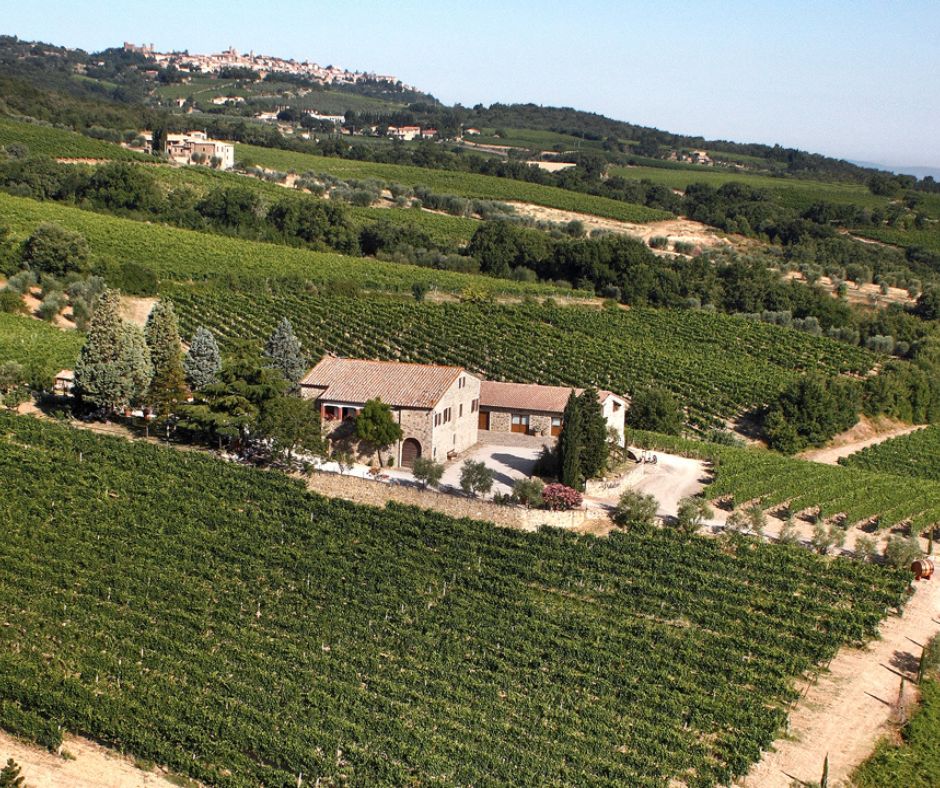
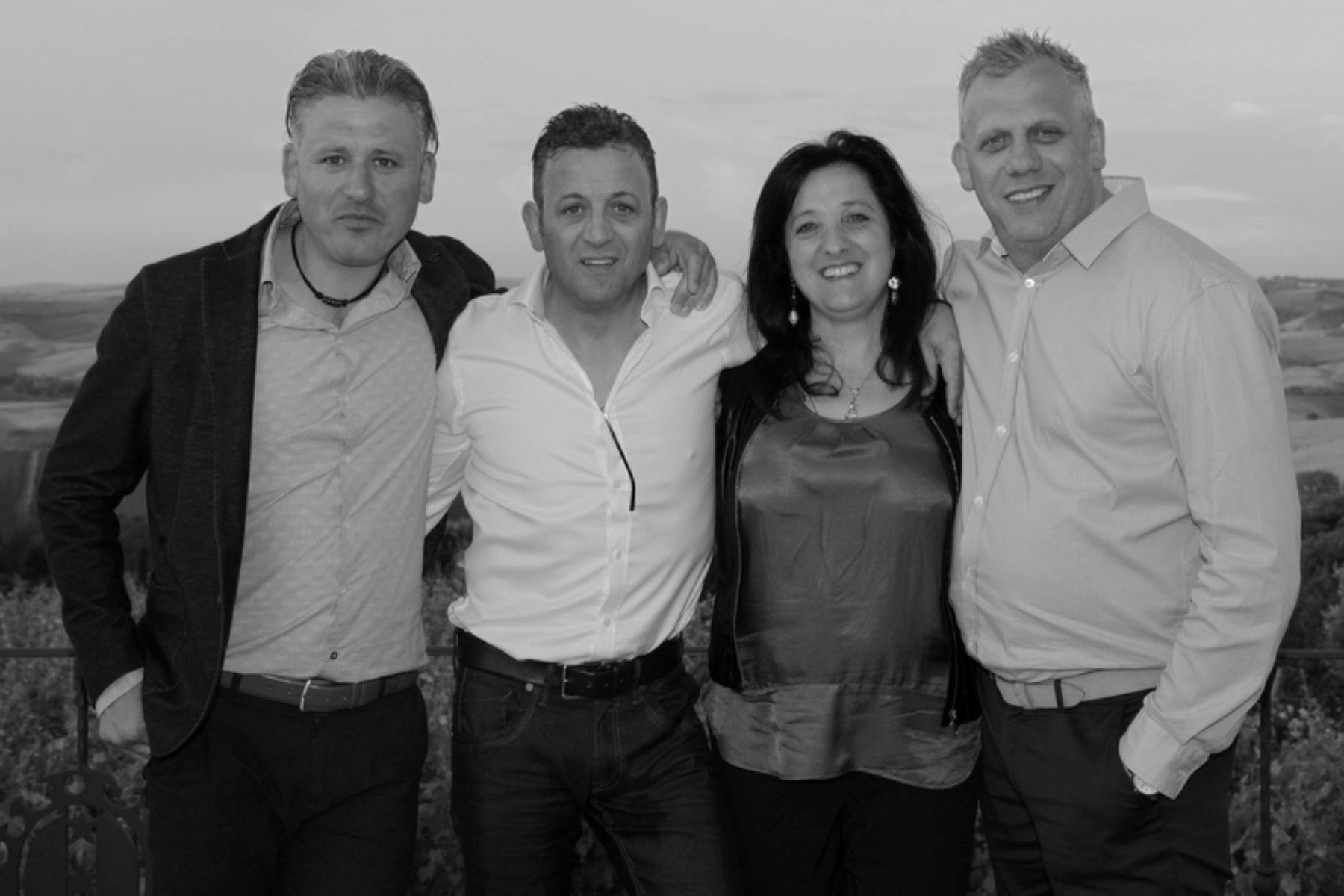
In 1983, Cosimo Loia purchased the "Palazzo" estate by pure coincidence, as it shared the same surname as his wife Antonietta. In 1986, together with their children, they began wine production. The estate practices integrated agriculture, using exclusively organic fertilizers and pest control for organic cultivation. The soils feature layers of original rock, particularly galestro, rich in limestone and clayey soil. Their vineyards are set in a stunning landscape: they are exposed to sunlight from morning until evening and are well protected from marine breezes.

Palazzo

The winery practices strict selection in the vineyard during the growing cycle, which allows the grapes to mature well before being harvested, strictly by hand. The Podere, a 17th-century farmhouse, has been fully restored while preserving the original structure of Tuscan farmhouses. The traditional viticulture follows a low-impact approach, and the winery and vinification facilities have been completely modernized.

Region and territory

Precious and elegant: the wines of the undisputed queen of Italian oenology
Tuscany

Precious and elegant: the wines of the undisputed queen of Italian oenology
Tuscany

Precious and elegant: the wines of the undisputed queen of Italian oenology
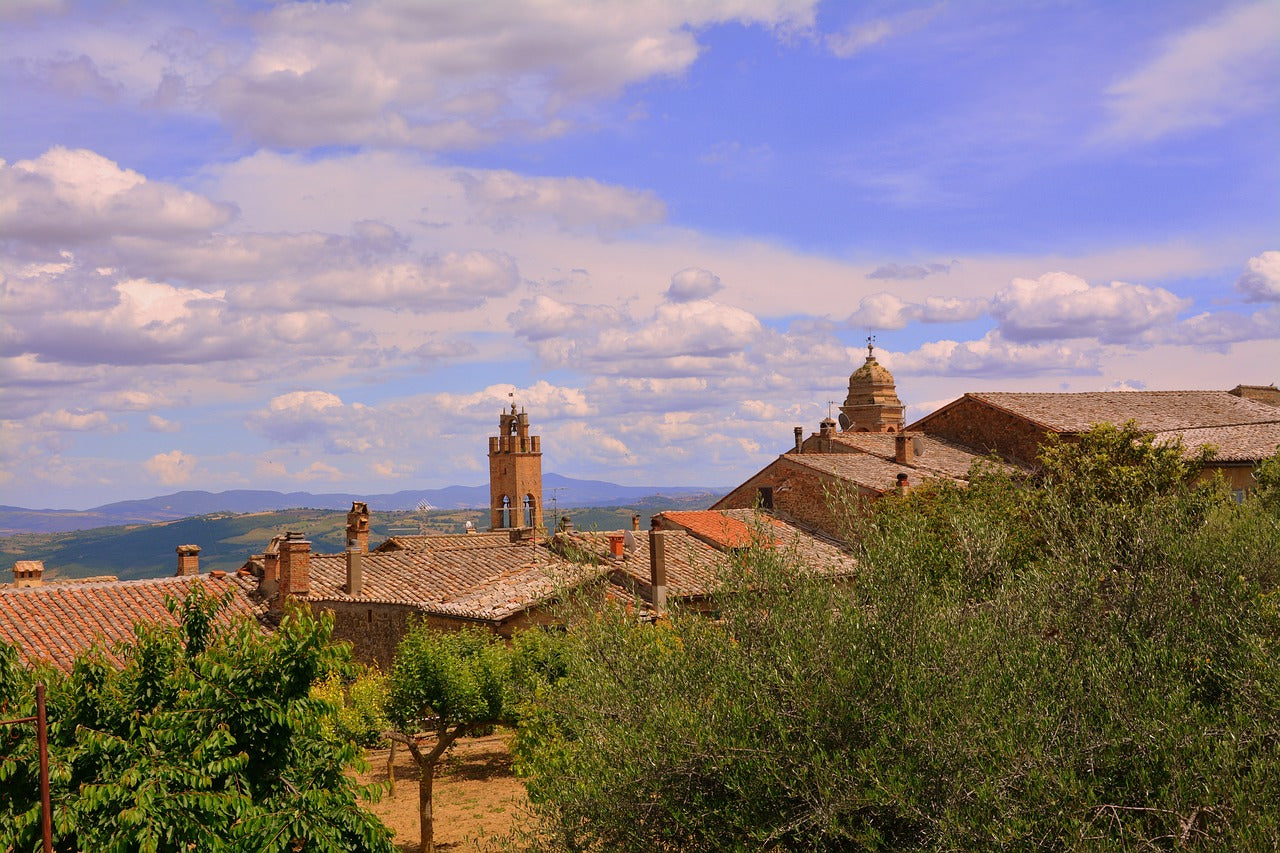
Tuscany

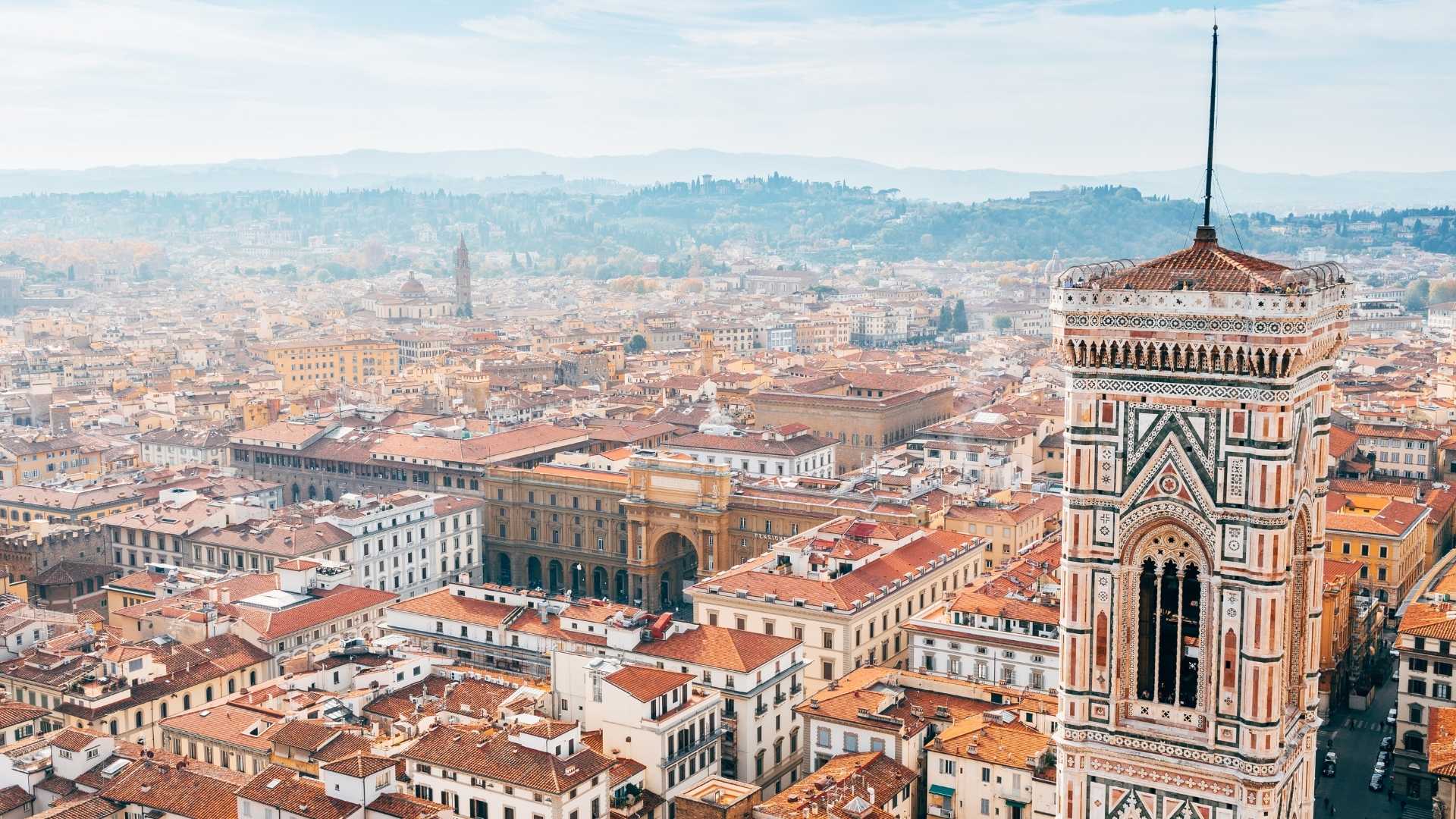
Tuscany is one of the most important Italian regions for wine, famous worldwide for its renowned labels. Here, wine truly has been part of history and culture for centuries, as far back as the 14th century with the establishment of the "Lega dei Vinattieri" (Wine Merchants Guild).
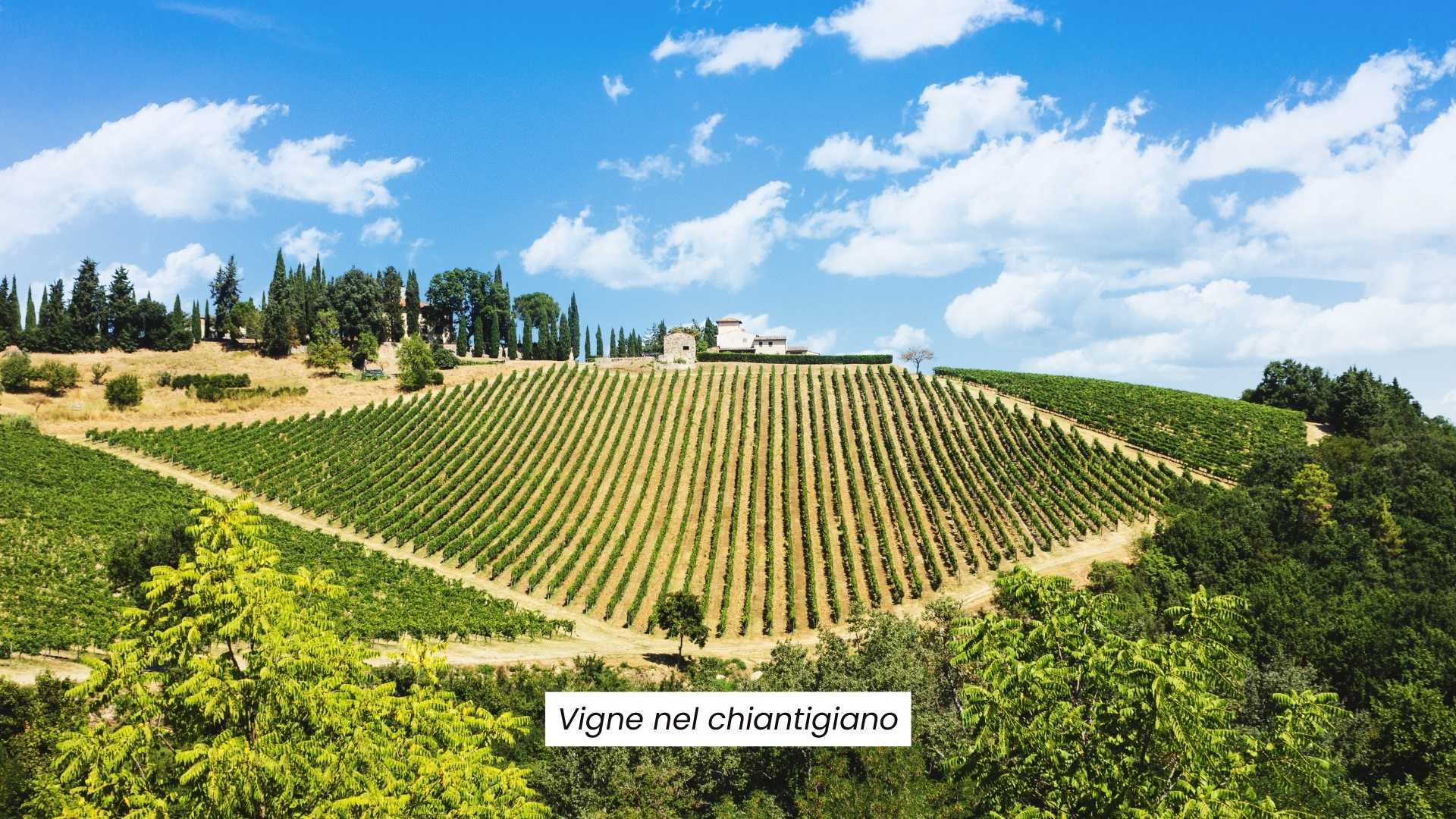
The Tuscan landscape also tells the story of the territory's strong winemaking vocation: from the hills of Chianti and the Etruscan Coast to the panoramas of Val d’Orcia and Val di Chiana, kilometers of splendid vineyards stretch out before our eyes, producing excellent wines.

Tuscany is one of Italy's most suitable regions for the production of quality wines and has conquered world markets since the 1980s. Bathed by the Ligurian Sea and the Tyrrhenian Sea, it has predominantly hilly terrain with a temperate climate, mild winters, and cool summers.
The various types of grapevines cultivated in Tuscany are greatly influenced by the soil on which they grow, ranging from sandy soils in the west to tuffaceous soils, and even clayey and calcareous soils.
A special mention goes to "galestro," a type of local soil that also gives its name to a wine from the Chianti area.

Montalcino

Montalcino is an area covering 24,000 hectares, of which only 15% is occupied by vineyards. The hill of Montalcino has numerous pedological environments due to its formation over different geological eras.

The soil becomes richer in skeleton while the active layer reduces, as these soils are formed from the decomposition of original rocks. The climate is typically Mediterranean, generally dry, but also with continental characteristics due to its intermediate position between the sea and the Central Apennines.

The presence of slopes with different orientations, the marked modulation of the hills, and the difference in altitude between valley areas and the higher territory create very different microclimatic environments, even in areas very close to each other. The most common training system in the vineyard is the spurred cordon, obtained through short pruning of a variable number of spurs.

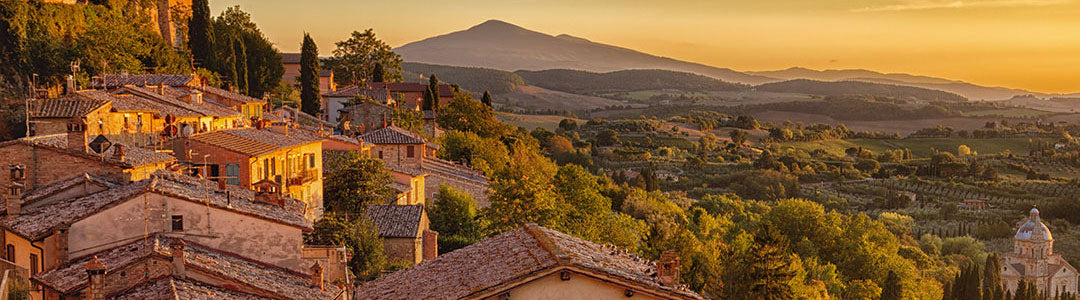
Montalcino offers a unique pedological variety, bearing witness to different geological eras.

Recommended pairings and dishes

Matching by concordance

Its notes of red fruits, spices, and forest undergrowth naturally harmonize with dishes that share the same aromatic register: mushrooms, Mediterranean herbs, and slow-cooked red meats. Its substantial body calls for dishes with comparable structure.

Matching by contrast

It can be paired successfully by contrast: its vibrant acidity and fine tannins cleanse the palate after succulent or rich dishes such as braised meats and game.

It pairs well with

Red meats, light game, roasts, and aged cheeses, but it also works well with simpler dishes such as vegetable couscous, white meats, or more structured appetizers. It pairs magnificently with duck breast, veal fillet, ossobuco, stuffed peppers, and even traditional preparations like lamb stew with chickpeas and dried figs.

Matching by concordance

Its notes of red fruits, spices, and forest undergrowth naturally harmonize with dishes that share the same aromatic register: mushrooms, Mediterranean herbs, and slow-cooked red meats. Its substantial body calls for dishes with comparable structure.

Matching by contrast

It can be paired successfully by contrast: its vibrant acidity and fine tannins cleanse the palate after succulent or rich dishes such as braised meats and game.

It pairs well with

Red meats, light game, roasts, and aged cheeses, but it also works well with simpler dishes such as vegetable couscous, white meats, or more structured appetizers. It pairs magnificently with duck breast, veal fillet, ossobuco, stuffed peppers, and even traditional preparations like lamb stew with chickpeas and dried figs.

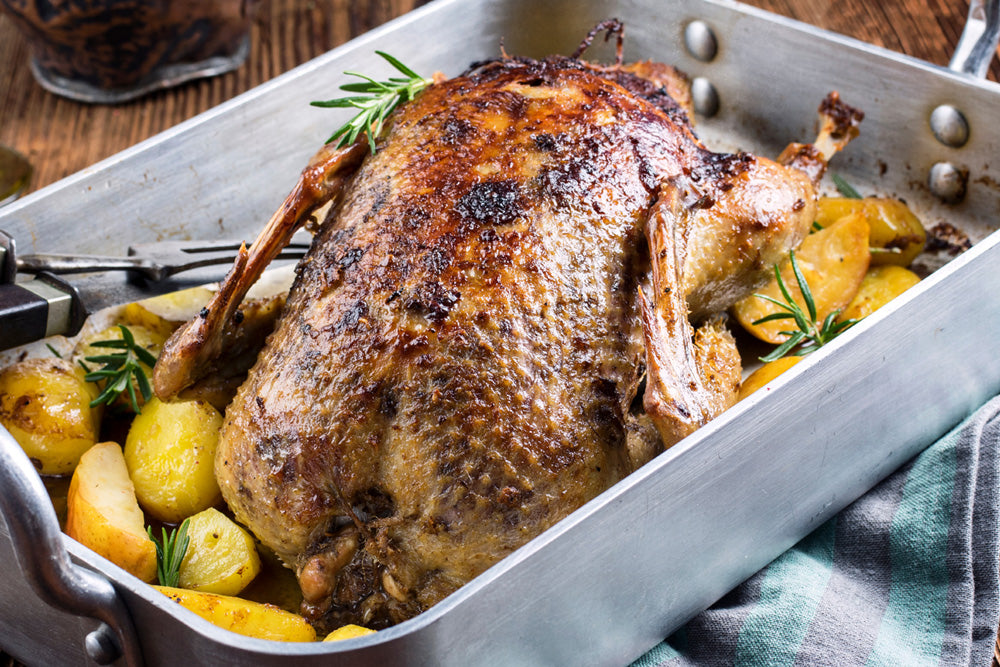
Roast Goose

Roast goose stuffed is a dish from the rural tradition, rather easy to prepare and enriched with chestnuts and figs, potatoes and onions, or other vegetables. Rich in flavor, with excellent structure and aromatic persistence.

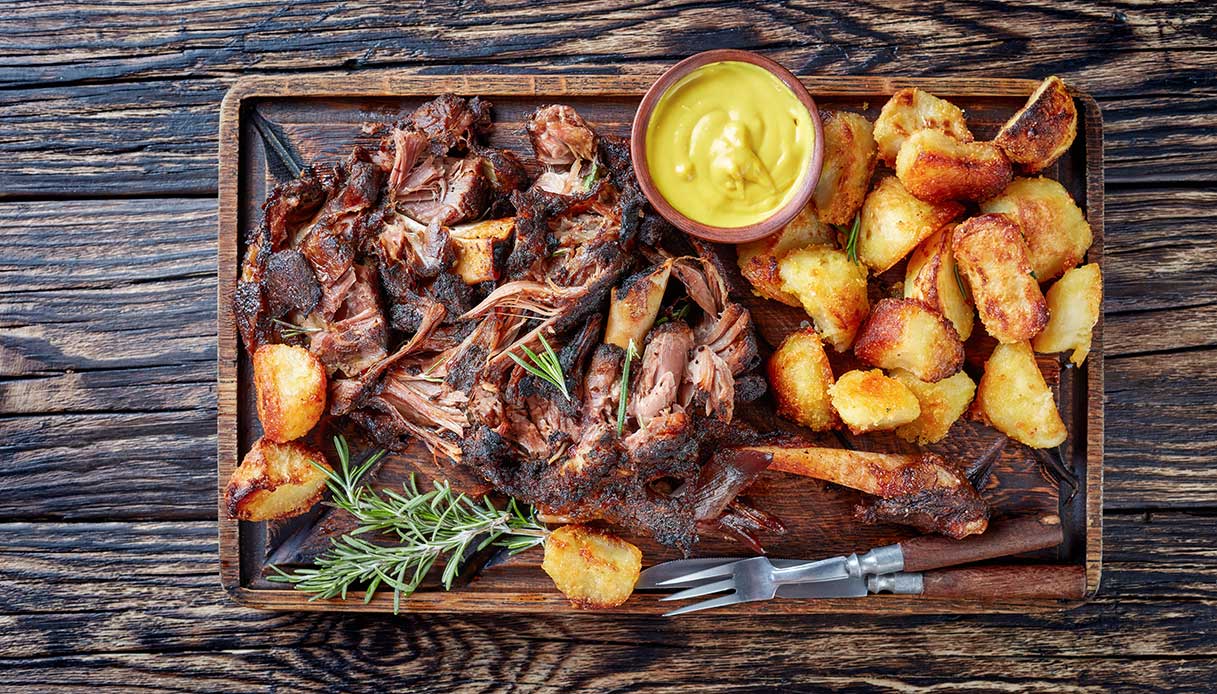
Lamb

Lamb, whether roasted or baked, is a rich and flavorful main course, with intense taste and aromas. Perfect with potatoes for important lunches.

Rosso Montalcino | Palazzo , did you like it?

Tell us about it by clicking here

Rosso Montalcino | Palazzo , did you like it?

Tell us about it by clicking here