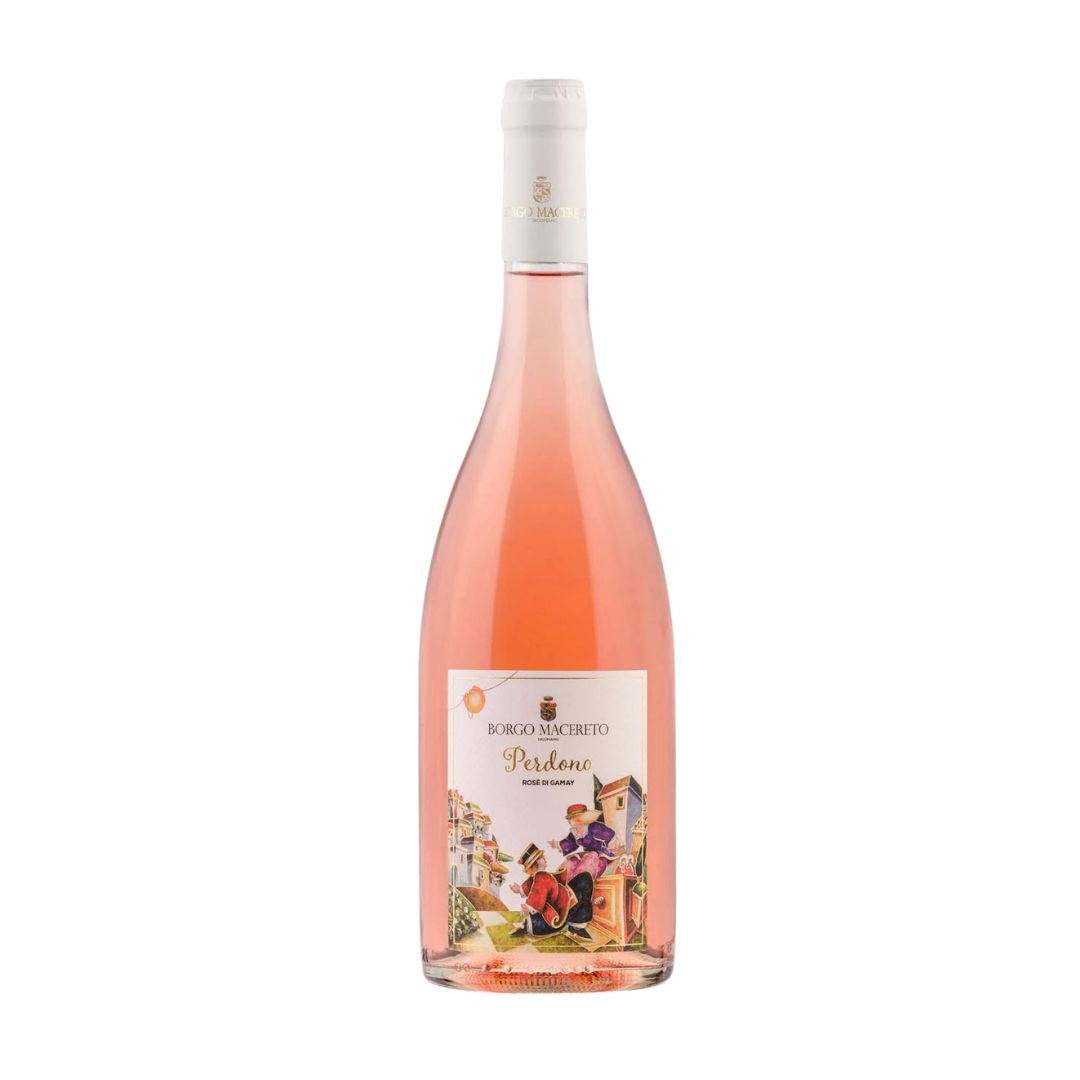
Rosato Perdono | Borgo Macereto

Sale price€19,00

Rosè
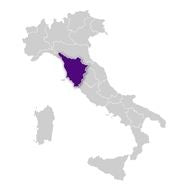
Tuscany (IT)
Toscana IGT
Gamay 100%
Enjoy it now!
12,5% ABV

Download as PDF

Production and refinement

Il Perdono is made from 100% Gamay, sourced from organically farmed vineyards. The vines are planted at around 350 metres above sea level, with south and south-eastern exposure, on medium-textured, loamy-silty soils. The vineyard is trained using the spur-pruned cordon system, at a density of approximately 4,800 vines per hectare. Harvesting is carried out by hand into crates, with several rounds of selection, concentrated in the lower sections of the vineyards, where ripening progresses more slowly, helping to preserve freshness and acidity.

The grapes are destemmed and directly pressed, then transferred swiftly to stainless-steel tanks using a peristaltic pump. A brief period of skin contact is followed by fermentation at a controlled temperature, generally kept between 15 and 18°C. The wine then ages for around six months in stainless steel, without undergoing malolactic fermentation, thereby preserving the Gamay’s vibrant acidity, fragrant character and varietal expression.

Organoleptic analysis

Visual exam

Intense and brilliant rosé, with onion-skin hues and copper highlights.

Olfactory examination

Fragrant and intense, with wild strawberry, raspberry and pomegranate, complemented by floral notes of jasmine, cyclamen and pansy. Subtle nuances of almond emerge alongside a delicate mineral character.

Tasting

Dry, fresh and supple, with pronounced yet beautifully integrated acidity. The palate is fluid, balanced and well structured, supported by a savoury character and refined minerality. The finish is persistent, with a clear return of red fruit and pomegranate. A highly food-friendly rosé, defined by balance and an exceptionally vibrant freshness.

Contents index

From the vineyard to the table: discover our wine

Ready for a journey to discover Rosato Perdono | Borgo Macereto ? We will now take you to delve deeper into every aspect of this exceptional wine through three key sections:

Cellar

Come and learn about the history and values ​​of the winery which passionately grows and transforms grapes into wine

Territory

Immerse yourself in the land that gives life to these unique grapes, discovering the climate and terroir that influence its character

Pairings

Get expert advice on the perfect pairings that will enhance both the wine and your meal

The winery
Country: Italy

Region: Tuscany, Florence

Hectares of vineyards: 6

Borgo Macereto

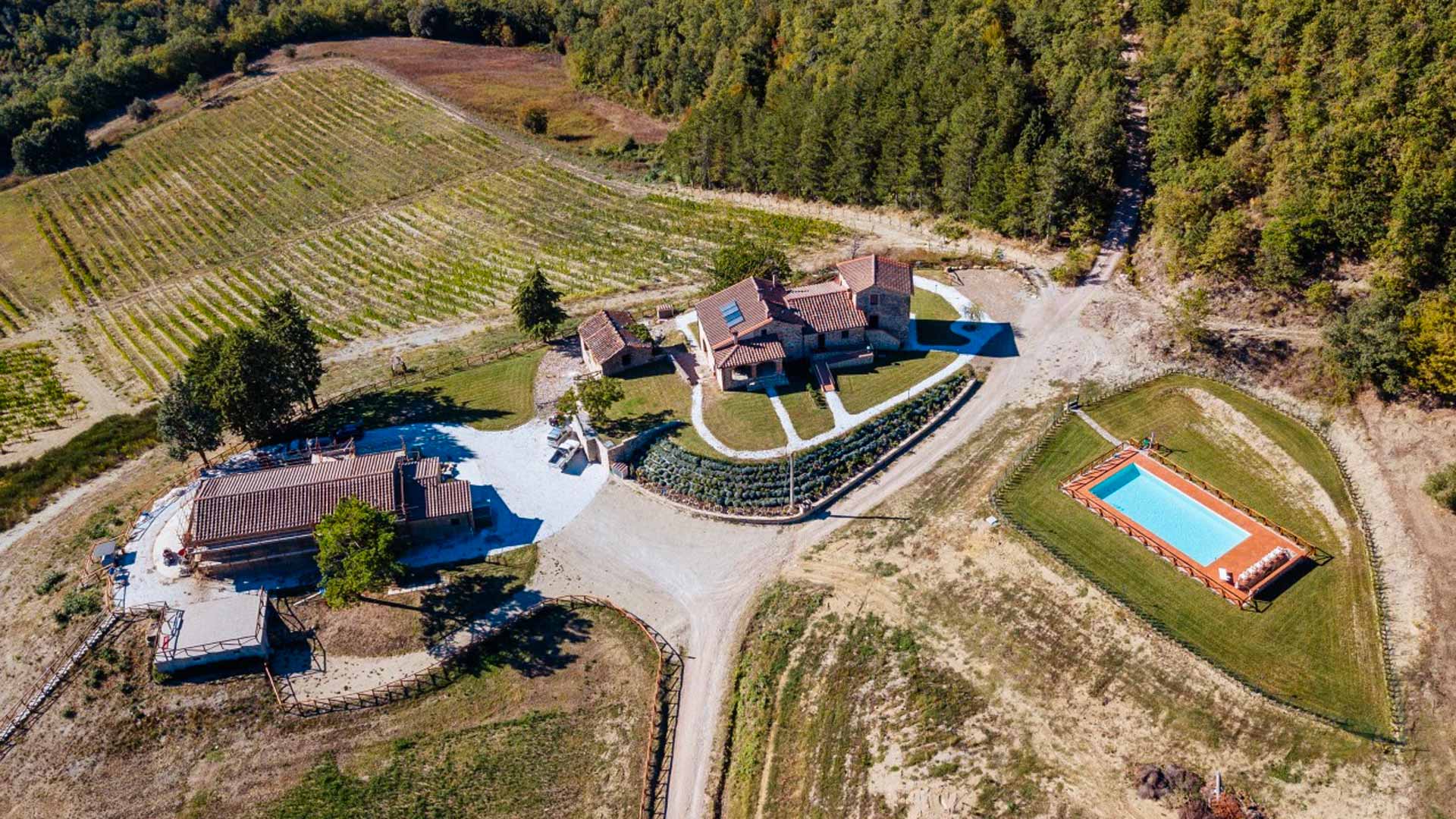
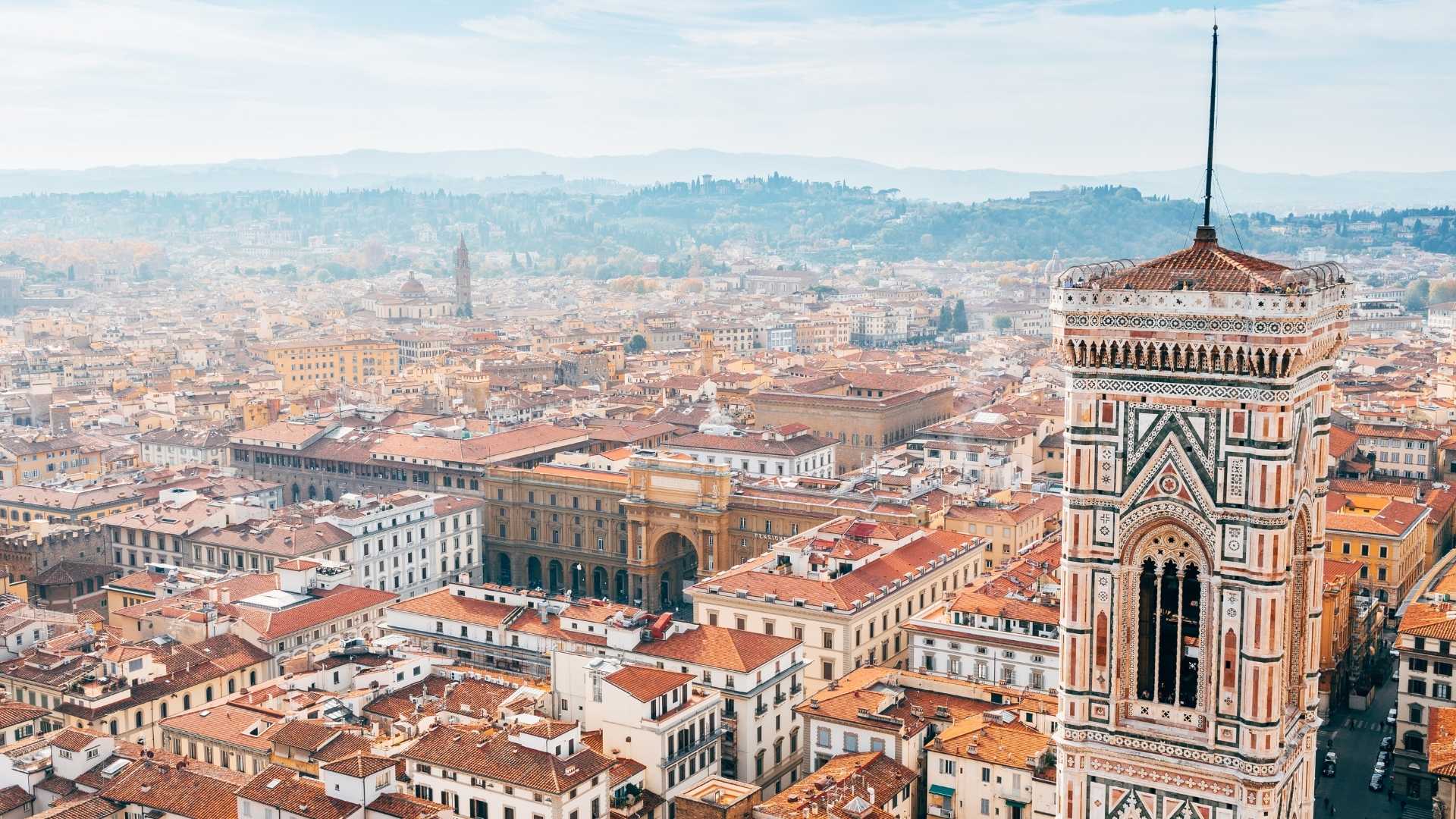
The Macereto farm extends for about 20 hectares on the hills overlooking the territory between Mugello and Valdisieve, in Dicomano, Florence. Six hectares are destined for vineyards (3 for olive groves, the remaining divided between meadows and woods).

The vineyards are located at an average altitude of 400 meters above sea level, and the farm is certified organic. It straddles the Chianti Rufina and Alto Mugello areas. Macereto was born in 2014 when the Foscarini family acquired it, recovering 3 hectares planted with Sangiovese and Gamay and planting new vineyards with Pinot Nero, as well as a variety of aromatic whites including Riesling, Manzoni crossing, Moscato, Sauvignon Blanc, and Viognier, to give a note of freshness and elegance. And then there's the inevitable Sangiovese, fundamental for the production of Chianti Rufina wines.

Borgo Macereto

The project was born from the beginning with the idea of ​​producing quality products from organic farming: theirs are high-level bottles that meet the parameters of DOCG and IGT. The training systems are spurred cordon and Guyot, suitable for limiting productivity in favor of quality. The Macereto farm is now managed by Nicola Foscarini and focuses heavily on quality Sangiovese, while also experimenting with other very original wines, evolving fermentation and aging techniques.

Region and territory

Precious and elegant: the wines of the undisputed queen of Italian oenology
Tuscany

Precious and elegant: the wines of the undisputed queen of Italian oenology
Tuscany

Precious and elegant: the wines of the undisputed queen of Italian oenology

Tuscany

Tuscany is one of the most important Italian regions for wine, famous worldwide for its renowned labels. Here, wine truly has been part of history and culture for centuries, as far back as the 14th century with the establishment of the "Lega dei Vinattieri" (Wine Merchants Guild).
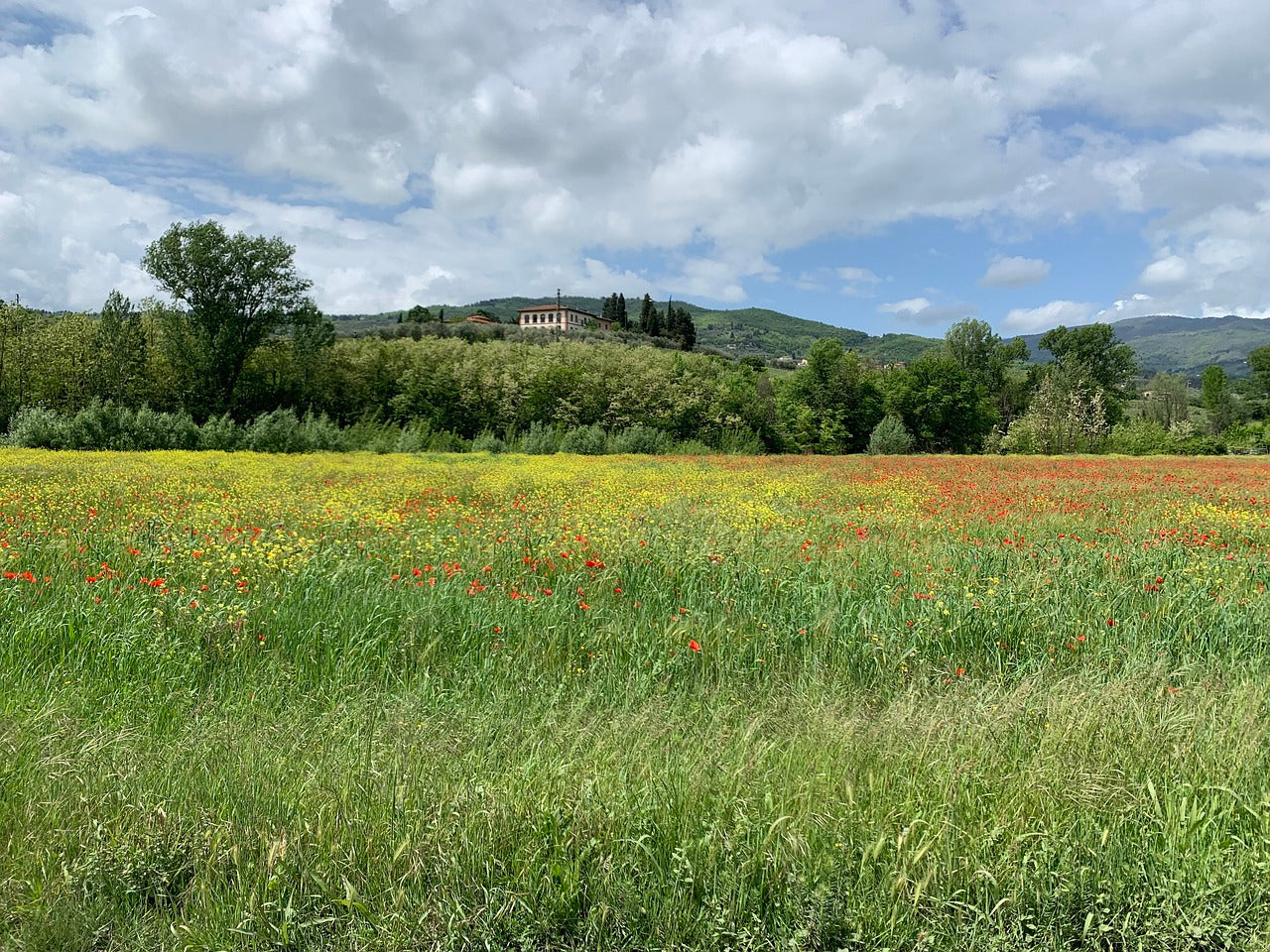
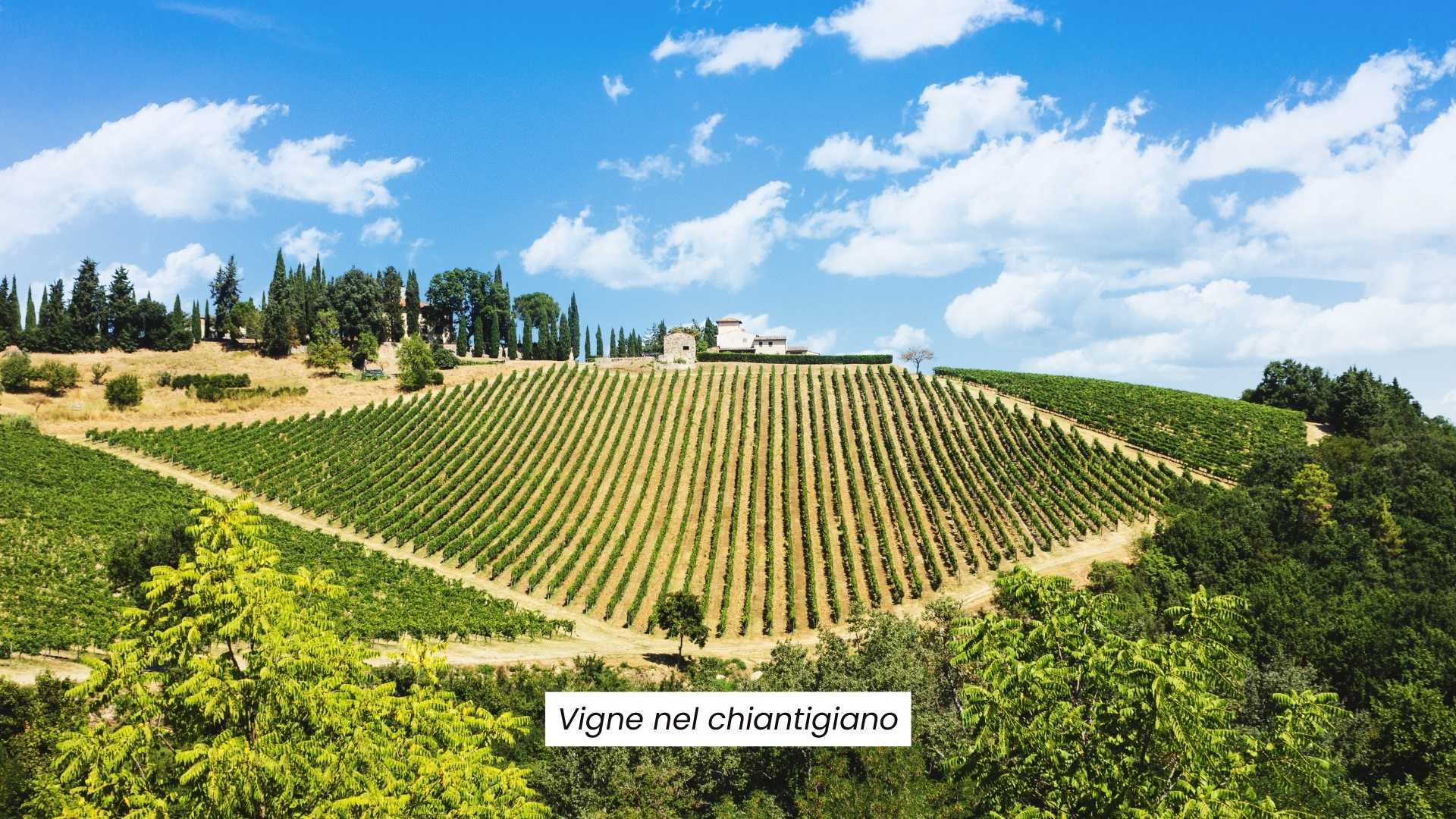
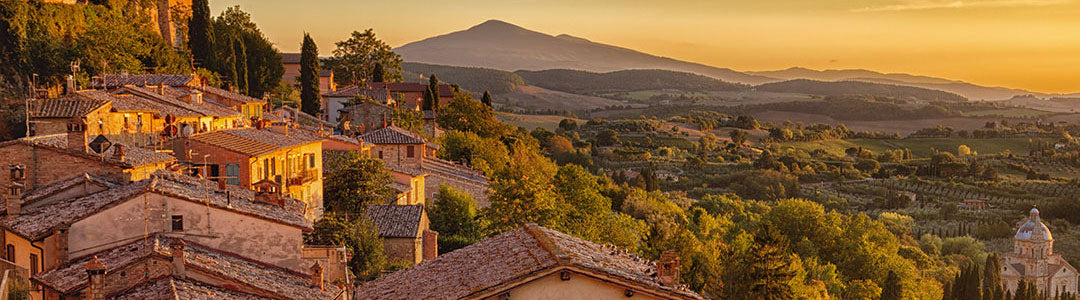
The Tuscan landscape also tells the story of the territory's strong winemaking vocation: from the hills of Chianti and the Etruscan Coast to the panoramas of Val d’Orcia and Val di Chiana, kilometers of splendid vineyards stretch out before our eyes, producing excellent wines.

Tuscany is one of Italy's most suitable regions for the production of quality wines and has conquered world markets since the 1980s. Bathed by the Ligurian Sea and the Tyrrhenian Sea, it has predominantly hilly terrain with a temperate climate, mild winters, and cool summers.
The various types of grapevines cultivated in Tuscany are greatly influenced by the soil on which they grow, ranging from sandy soils in the west to tuffaceous soils, and even clayey and calcareous soils.
A special mention goes to "galestro," a type of local soil that also gives its name to a wine from the Chianti area.

Rufina

The area is unique for grape cultivation. Its history is centuries-old, as this land has been civilized since the times of the Etruscans. The area boasts a significant number of origin denominations dedicated to wine, including Chianti DOCG, Chianti DOCG subzone Rufina (the so-called wine of Florence), Colli dell’Etruria Centrale DOC, Vin Santo del Chianti DOC, Vin Santo del Chianti DOC subzone Rufina, and Toscana IGT. The Rufina district had already been identified in 1716 by Cosimo III de’ Medici as a high-quality area under the name of Pomino.

The territory and the environment are the distinctive factors that outline the qualitative characteristics and differentiate the wines of Rufina from all others in the great denomination of Chianti (established in 1932, became DOC in 1967, and upgraded to DOCG in 1984). Thus, the rich galestro and alberese soils, altitudes reaching up to 400 meters, warm exposures, and cool Apennine winds, elements that create fresh wines here, with clear polyphenolic content (resulting from optimal grape ripeness) and innate longevity.

In the land of the Etruscans, amidst vineyards kissed by the sun and cooled by the fresh Apennine winds, the heart of Chianti Rufina is born: wines that are fresh, rich in history, and with longevity.

Recommended pairings and dishes

Matching by concordance

Gamay’s fruity, fragrant profile makes it a natural match for dishes of similarly pronounced aromatic intensity. Its fruit notes pair particularly well with Mediterranean flavours, while its mineral, savoury character complements fish, vegetables and lighter preparations.

Matching by contrast

The wine’s pronounced acidity and freshness counterbalance the richness and fattiness of cured meats, sausage, gratins and fried preparations, while its savoury character and fluidity help bring balance to more structured dishes and tomato-based preparations.

It pairs well with

Cured meats, cold cuts, pizza, tomato soups, fish soups, vegetable soups, pasta with sausage meatballs, veal and onion gratins, fish dishes, spiced cuisine, Asian cuisine, Japanese cuisine and Korean cuisine.

Matching by concordance

Gamay’s fruity, fragrant profile makes it a natural match for dishes of similarly pronounced aromatic intensity. Its fruit notes pair particularly well with Mediterranean flavours, while its mineral, savoury character complements fish, vegetables and lighter preparations.

Matching by contrast

The wine’s pronounced acidity and freshness counterbalance the richness and fattiness of cured meats, sausage, gratins and fried preparations, while its savoury character and fluidity help bring balance to more structured dishes and tomato-based preparations.

It pairs well with

Cured meats, cold cuts, pizza, tomato soups, fish soups, vegetable soups, pasta with sausage meatballs, veal and onion gratins, fish dishes, spiced cuisine, Asian cuisine, Japanese cuisine and Korean cuisine.

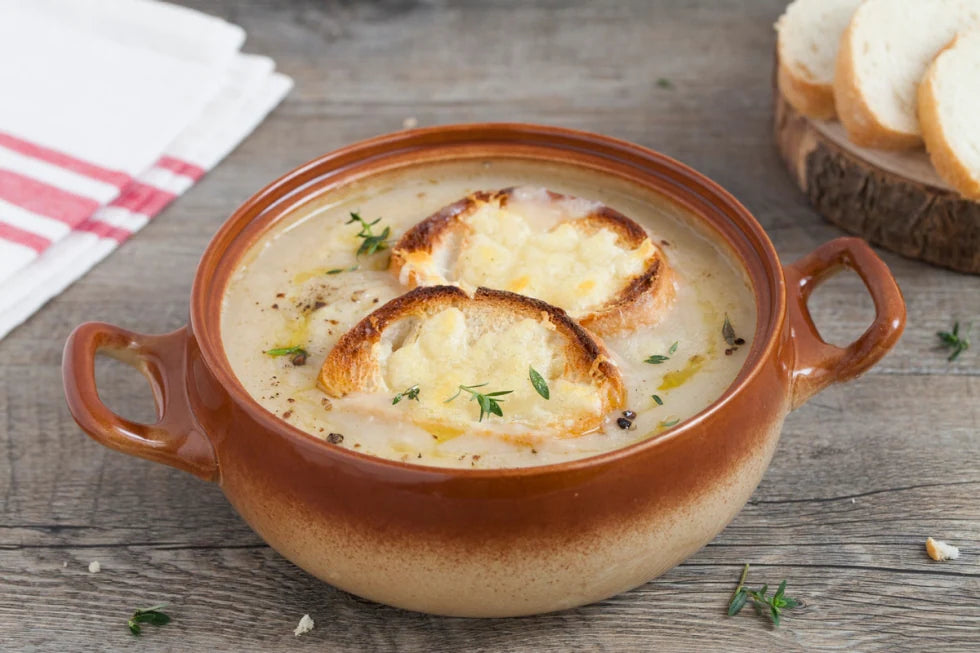
Onion Soup

A rich, fragrant, and flavorful dish, traditional in French cuisine, often enriched with bread and cheese in the gratin version. Ideal for convivial winter dinners.

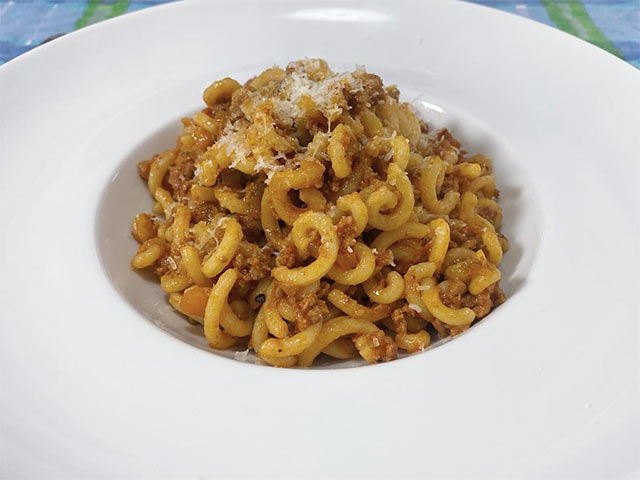
Gramigna with Sausage

An Emilian specialty made with egg pasta (the famous gramigna, a very common short pasta shape in Emilia), cream, and sausage. A rich first course that is highly satisfying.

Rosato Perdono | Borgo Macereto , did you like it?

Tell us about it by clicking here

Review

Rosato Perdono | Borgo Macereto , did you like it?

Tell us about it by clicking here

Review