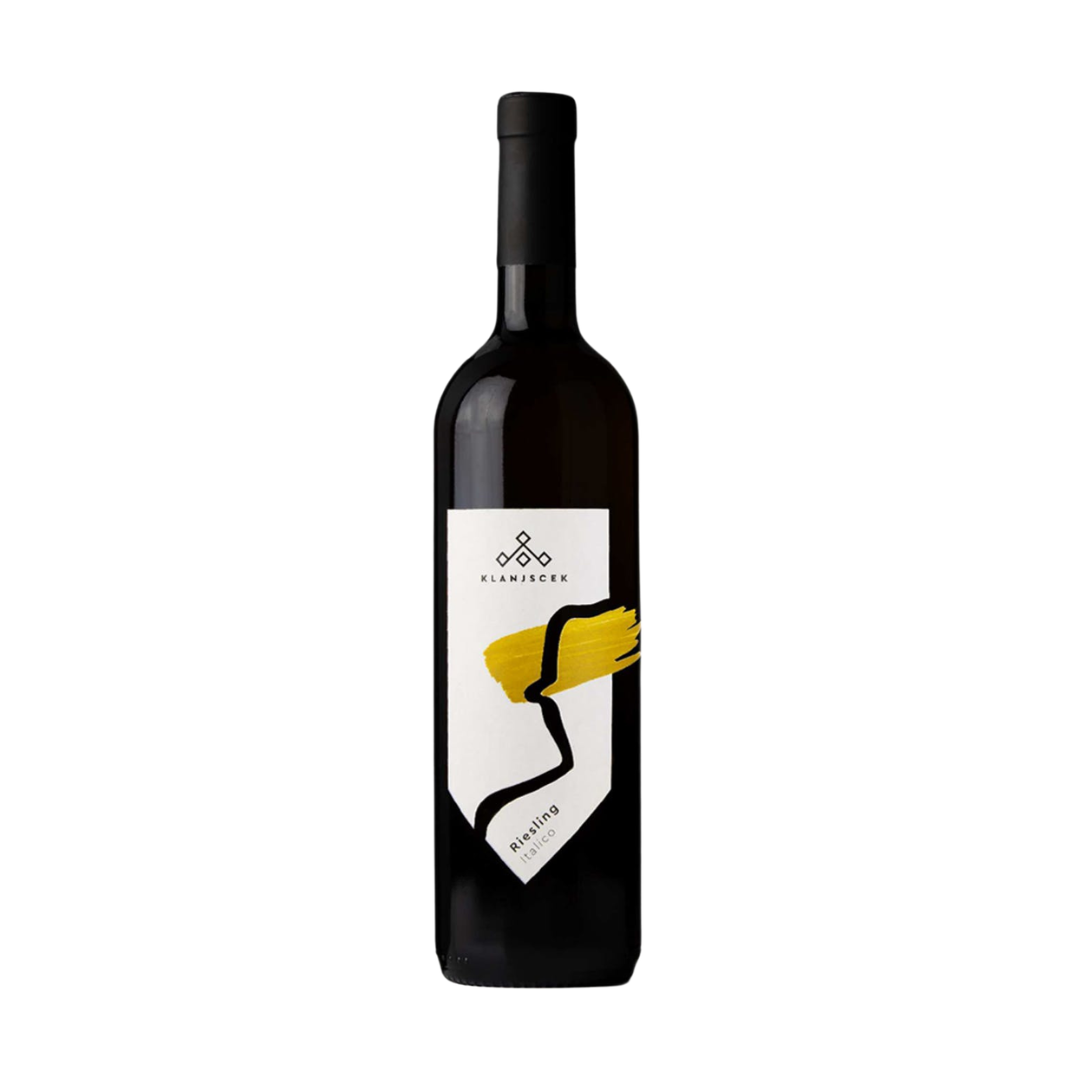
Riesling Italico | Klanjscek

Sale price€35,00

White
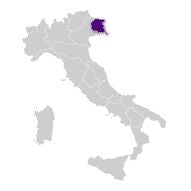
Friuli Venezia Giulia (IT)
Collio DOC
Riesling Italico
Enjoy it within 4 years
13% ABV

Download as PDF

Production and refinement

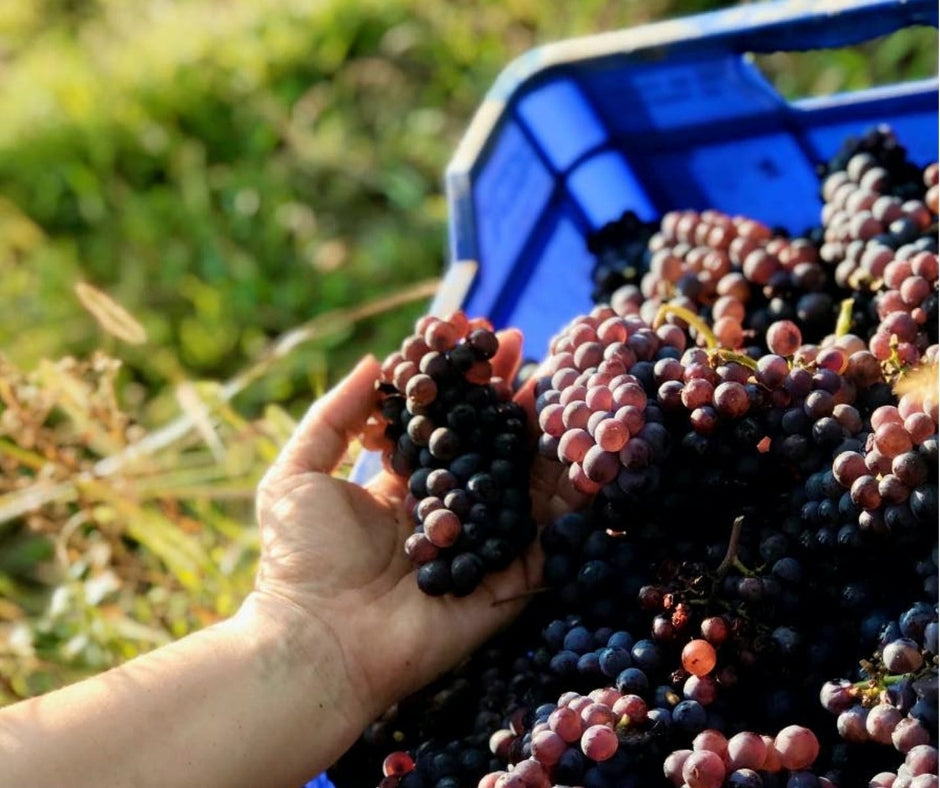
The grapes come from 3.5 hectares of hillside vineyards in the heart of the Collio, cultivated according to organic principles, with some older vines dating back to 1978. Harvested by hand in October, only the best Riesling Italico grapes were selected, some undergoing late ripening with 50% botrytis, producing just over a thousand bottles. The hillside soils provide good drainage, minerality, and optimal sun exposure, allowing the grapes to ripen evenly and develop complex aromas and natural structure.

In the winery, the process is meticulous and artisanal: the grapes undergo a few days of skin maceration, followed by spontaneous fermentation in open 22-hectoliter vats, without temperature control, selected yeasts, enzymes, or fining. After fermentation, the wine remains in settling for a month in stainless steel tanks, then matures in oak barrels for at least one year, allowing aromas and structure to harmonize. A final aging in glass for about five months completes the evolution, enabling the wine to fully develop intensity, balance, and aromatic complexity.

Organoleptic analysis

Visual exam

A beautiful bright straw yellow, with amber reflections that hint at the wine’s richness and depth.

Olfactory examination

On the nose, it is intense and complex, with fruity aromas of white peach and dried apricot, floral notes of yellow flowers, mineral hints of graphite and chalk, and subtle sweet spices, hazelnuts, and amaretto that add finesse and character.

Tasting

The sip is savory, intense, fresh, and balanced, with a harmonious structure and fruity and mineral sensations unfolding elegantly. The finish is remarkable, with a slight bitter aftertaste that completes the tasting, leaving a memorable impression.

Contents index

From the vineyard to the table: discover our wine

Ready for a journey to discover Riesling Italico | Klanjscek ? We will now take you to delve deeper into every aspect of this exceptional wine through three key sections:

Cellar

Come and learn about the history and values ​​of the winery which passionately grows and transforms grapes into wine

Territory

Immerse yourself in the land that gives life to these unique grapes, discovering the climate and terroir that influence its character

Pairings

Get expert advice on the perfect pairings that will enhance both the wine and your meal

The winery

Country: Italy

Region: Friuli Venezia Giulia (Gorizia)

Hectares of vineyards: 3

Klanjscek

In the heart of Collio Goriziano, in Oslavia, on a hill just a stone's throw from the monumental Military Shrine, lie the vineyards of Azienda Agricola Klanjscek.

The winery is young but boasts solid roots. Cultivation has been organic since 2016, but nature has always been a part of it: a few days of skin maceration and minimal sulfur dioxide dosages.

Klanjscek

The oldest vines date back to 1978, with half a hectare dedicated to Italian Riesling (Welschriesling), a variety that was particularly widespread in Collio during the time of the Austro-Hungarian Empire and which very few still cultivate today.

All this in just 3 and a half meticulously tended hectares, for a production of just 15,000 bottles per year.

Region and territory

An explosion of aromas and flavors that celebrate the unique territory of the region in the glass.
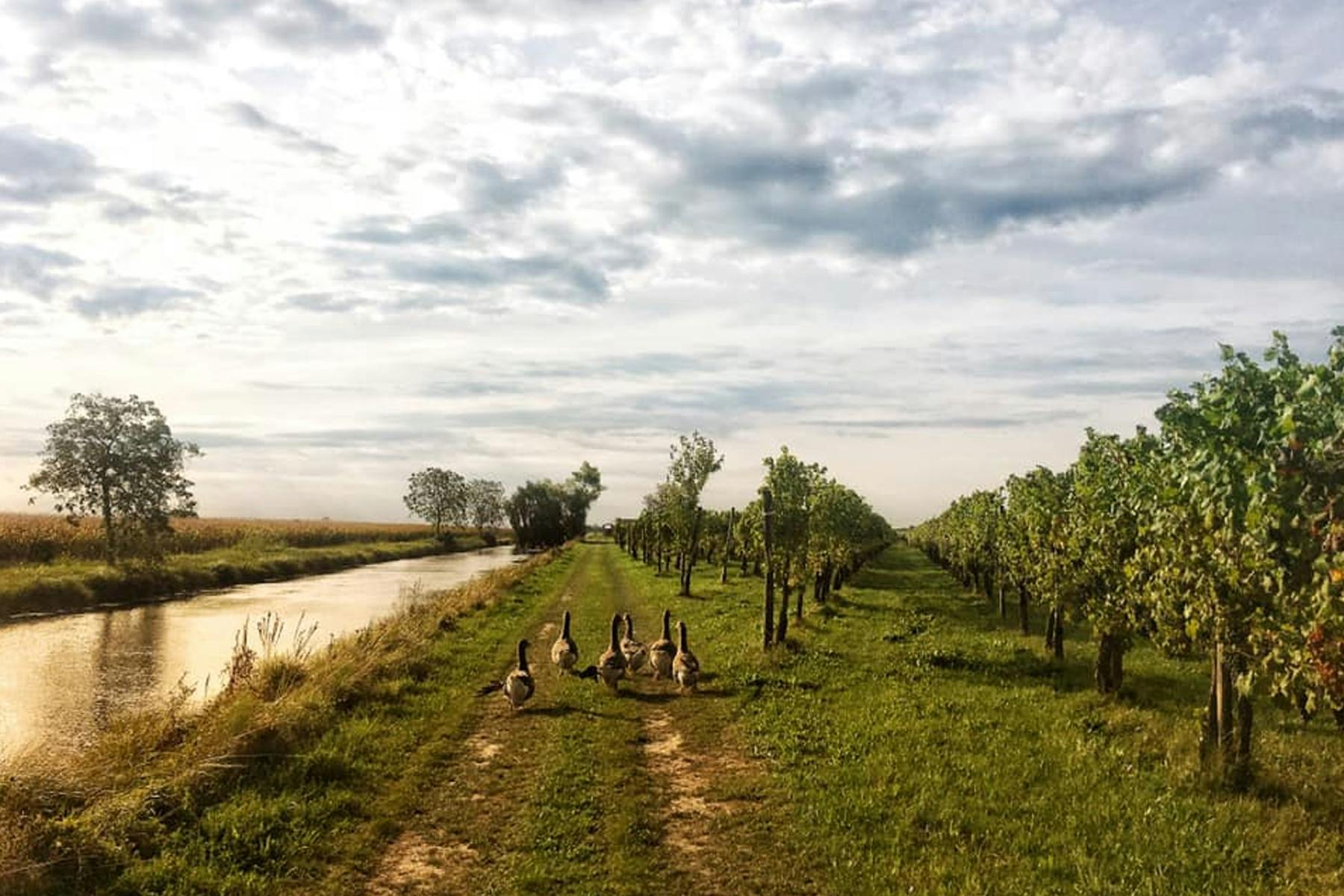
Friuli Venezia Giulia

An explosion of aromas and flavors that celebrate the unique territory of the region in the glass.
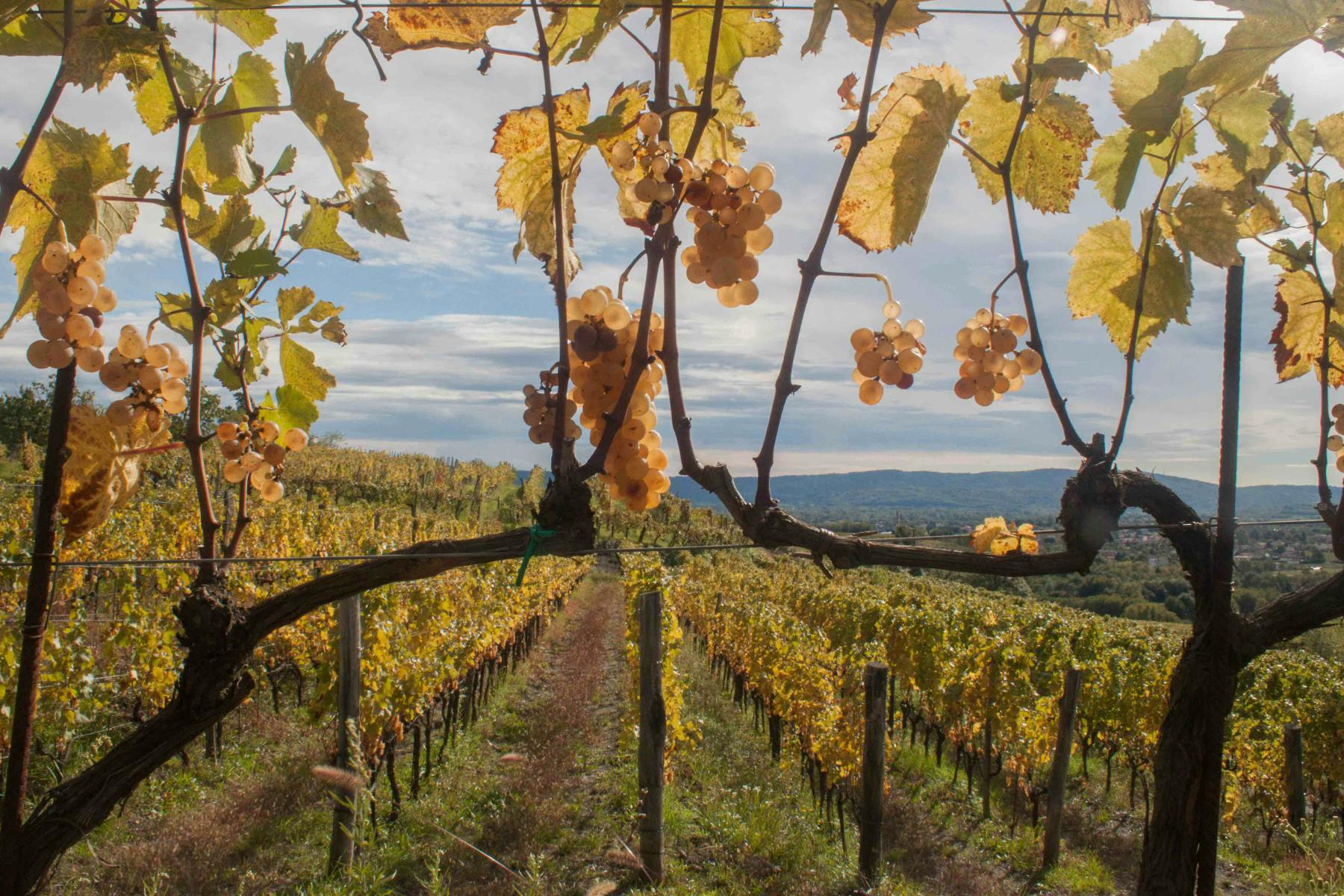
Friuli Venezia Giulia

An explosion of aromas and flavors that celebrate the unique territory of the region in the glass.
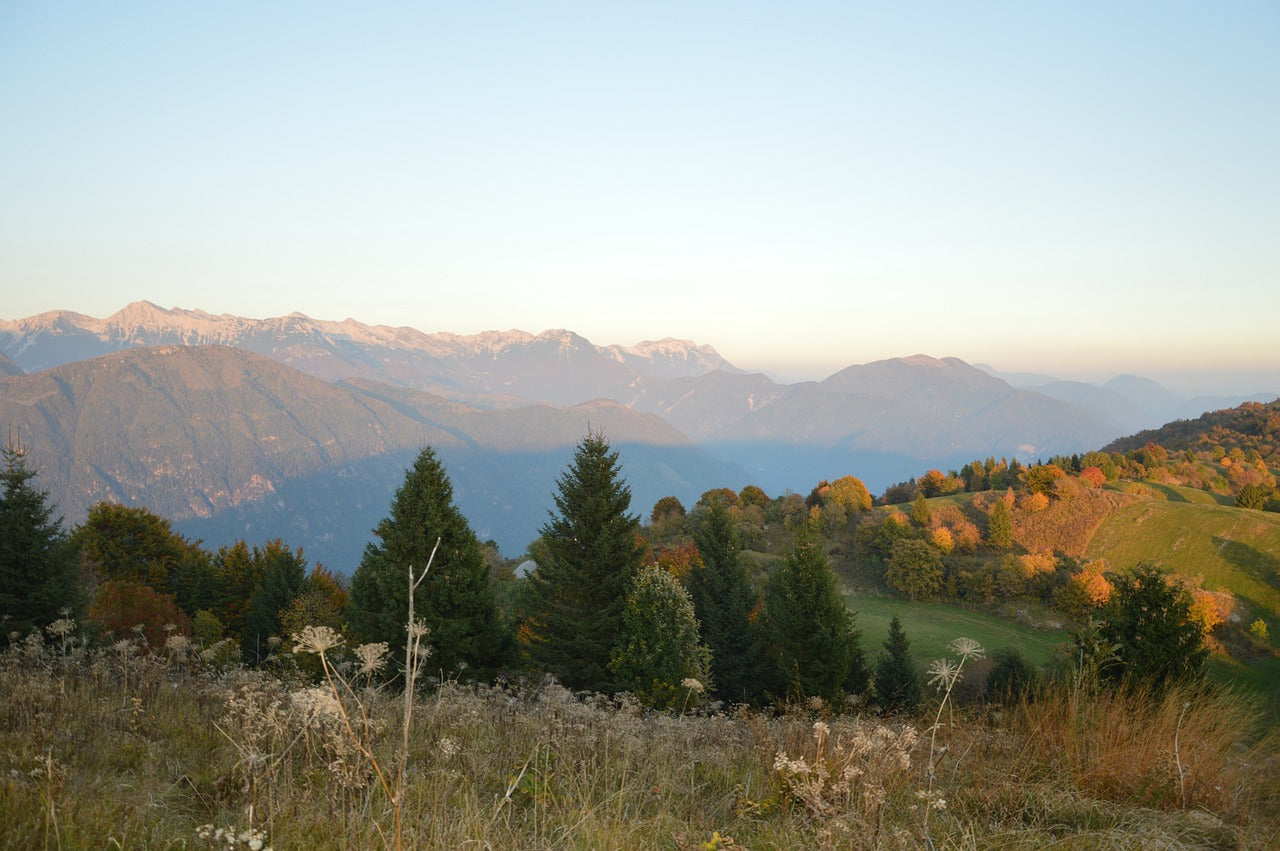
Friuli Venezia Giulia

Friuli-Venezia Giulia has always been the land of great whites and has achieved extraordinary fame for what some call the "superwhites."

Recently, Friuli Venezia Giulia was the battleground for a community-level dispute with Hungary regarding the right to continue calling the wine produced with the Tocai Friulano grape "Tocai," causing confusion with the well-known Hungarian sweet wine Tokaji. Italy lost the case in 2007, and since 2011 wines produced with Tocai Friulano are respectively called "Friulano" in Friuli Venezia Giulia and "Tai" in Veneto.

The region is divided into a mountainous area to the north, hilly terrain in the pre-Alpine arc, an alluvial plain, and a coastal area.
The northern part of the plain is suitable for the cultivation of white grape varieties, while the southern part is more favorable for black grape varieties.
To the east, in the area bordering Slovenia, the plain extends to the foothills of the Karst: here viticulture is challenging due to the limestone rocks eroded by water, and often it is only possible on terraces supported by retaining walls made of sandstone blocks called "pastini."

Collio

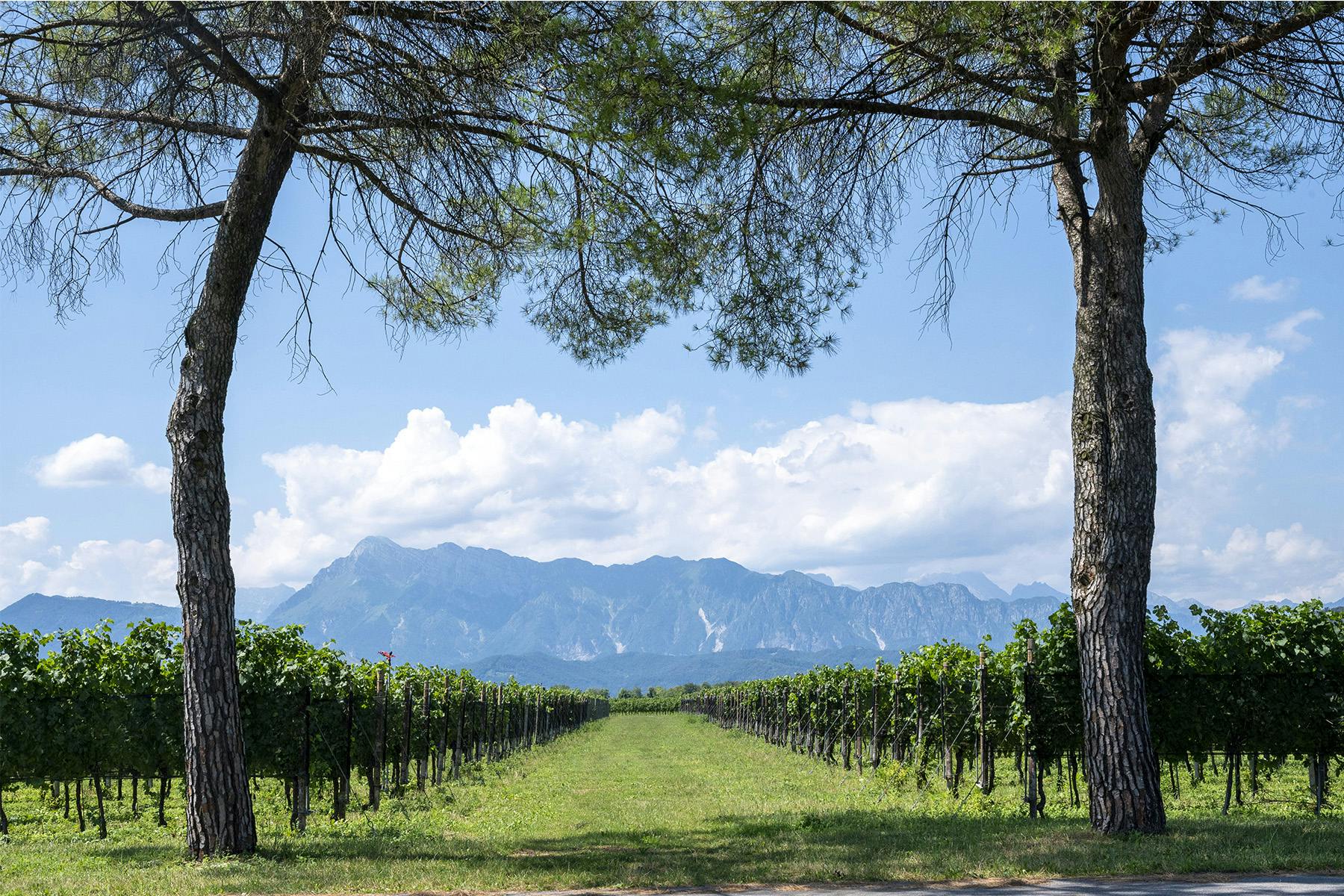
The wines produced in this area are the result of a unique terroir. The Collio Goriziano comprises the northern hilly area of the province of Gorizia, between the Isonzo and Judrio rivers. The area is located near the border with Slovenia, in a territory on both sides of the border, deeply interconnected.

The Collio encompasses approximately 1,500 hectares of vineyards situated on a sequence of hills along the east-west axis (altitude between 60 and 270 meters), which have ample surfaces with excellent exposures, ideal for quality viticulture.

The cultivation of vines in the Collio dates back to Roman times, while the names of the wines that have made the territory famous emerged from the 17th century: Ribolla, Cividino, Refosco, Corvino. Modern viticulture arrived in Collio in the second half of the 19th century. By then, the prevalence of white grape varieties was already marked.

After the Second World War, Collio was separated by the border, giving rise to two wine-producing areas, the Italian Collio and the Brda in the Slovenian part.

The hills, cultivated since Roman times, offer ample surfaces with perfect exposures for excellent viticulture.

Recommended pairings and dishes

Matching by concordance

The intensely floral, fruity, and slightly spicy character of Riesling Italico allows pairings with equally aromatic dishes, such as roasted white meats, steamed vegetables, or lightly spiced fish preparations, where the wine’s aromas interact with the dish without overpowering them.

Matching by contrast

The wine’s balanced acidity and minerality make it ideal for pairing with rich or slightly fatty preparations, such as tuna crudo or salmon tartare, as well as more complex fish dishes cooked en papillote, creating a play of freshness and roundness that delivers moments of true pleasure.

It pairs well with

Fish dishes, such as tuna crudo or salmon tartare, delicate white meats, light first courses and seafood main courses, and aged cheeses.

Matching by concordance

The intensely floral, fruity, and slightly spicy character of Riesling Italico allows pairings with equally aromatic dishes, such as roasted white meats, steamed vegetables, or lightly spiced fish preparations, where the wine’s aromas interact with the dish without overpowering them.

Matching by contrast

The wine’s balanced acidity and minerality make it ideal for pairing with rich or slightly fatty preparations, such as tuna crudo or salmon tartare, as well as more complex fish dishes cooked en papillote, creating a play of freshness and roundness that delivers moments of true pleasure.

It pairs well with

Fish dishes, such as tuna crudo or salmon tartare, delicate white meats, light first courses and seafood main courses, and aged cheeses.

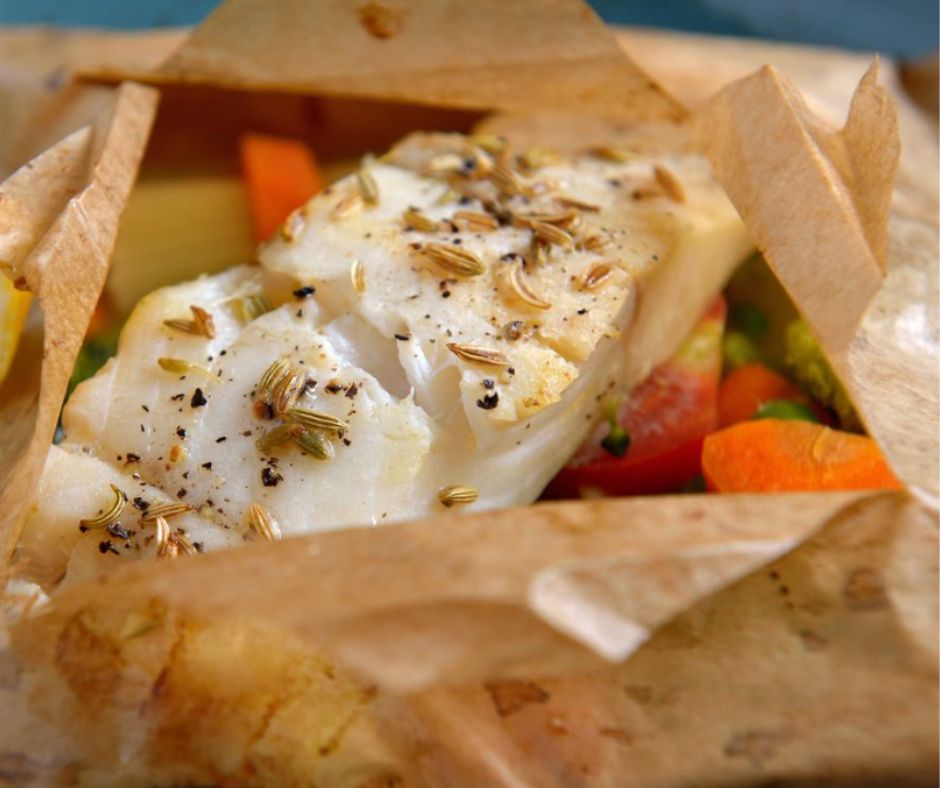
Perch in Parchment

A very delicate and flavorful dish, freshwater fish baked in the oven, seeking pairings with light and fragrant wines to enhance all the flavors without overpowering them.

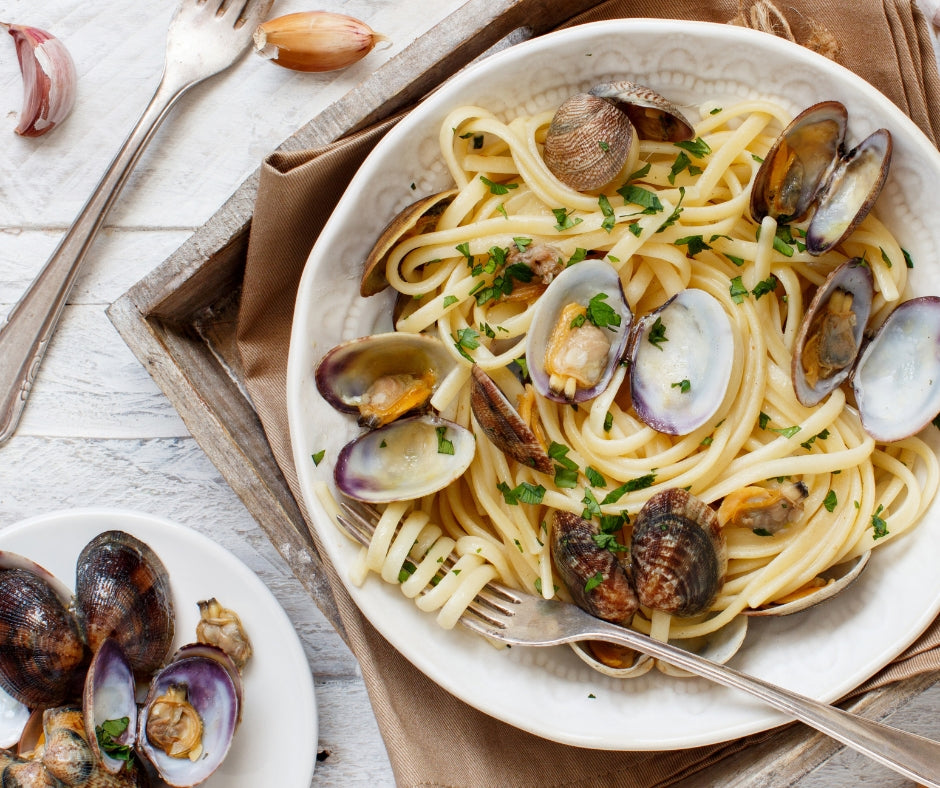
Pasta with Clams

A medium-bodied dish, fresh and delicate, yet characterized by broad aromas, offering an extremely satisfying combination.

Riesling Italico | Klanjscek , did you like it?

Tell us about it by clicking here

Riesling Italico | Klanjscek , did you like it?

Tell us about it by clicking here