

Refosco | Cecchini Marco
 Red
Red Friuli Venezia Giulia (IT)
 Colli Orientali del Friuli DOC
 Refosco dal peduncolo rosso
 Enjoy it within 6 years
 13% ABV
Send a copy to email:
By entering your email, you agree that it will be seen by store and may contact you.
Or Download now
 Open here
Production and refinement
Organoleptic analysis
Visual exam
Olfactory examination
Tasting
Contents index
From the vineyard to the table: discover our wine
Ready for a journey to discover Refosco | Cecchini Marco ? We will now take you to delve deeper into every aspect of this exceptional wine through three key sections:
Cellar
Come and learn about the history and values of the winery which passionately grows and transforms grapes into wine
Territory
Immerse yourself in the land that gives life to these unique grapes, discovering the climate and terroir that influence its character
Pairings
Get expert advice on the perfect pairings that will enhance both the wine and your meal
The winery

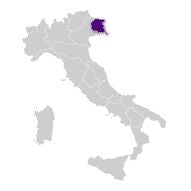


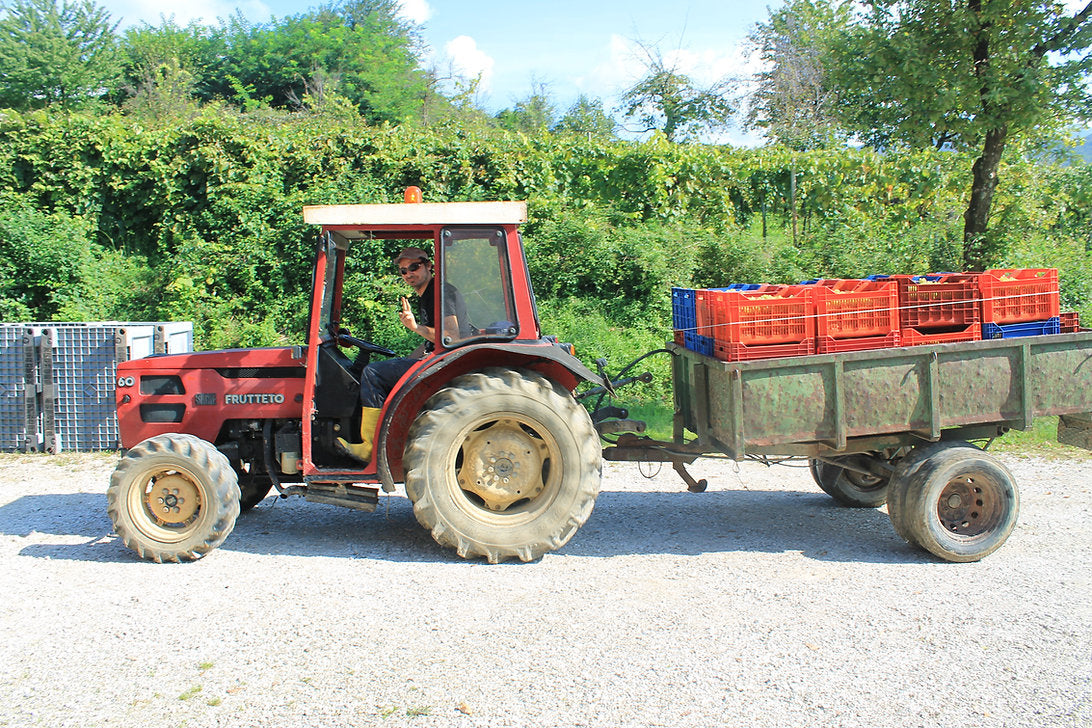
Region and territory
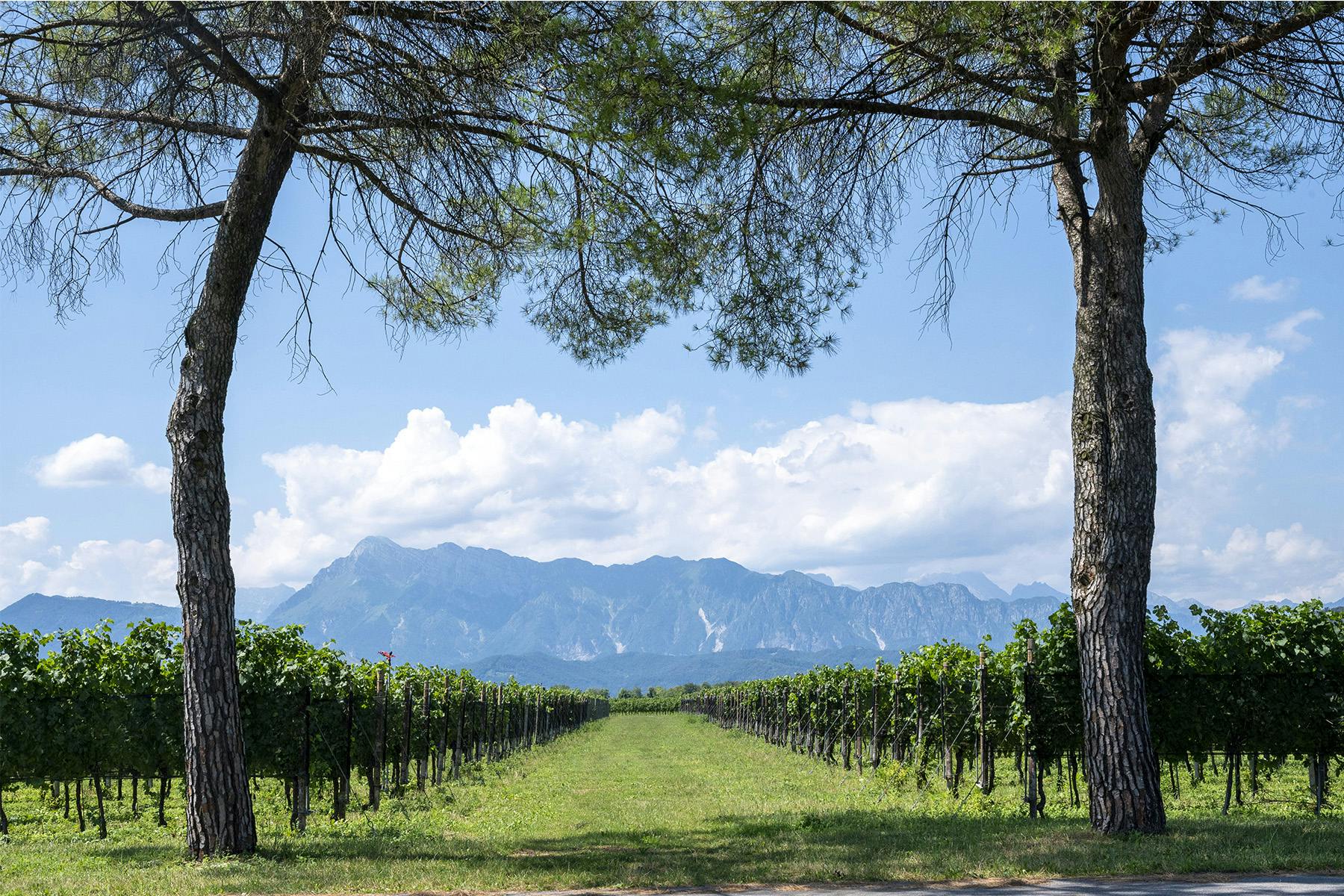
An explosion of aromas and flavors that celebrate the unique territory of the region in the glass.
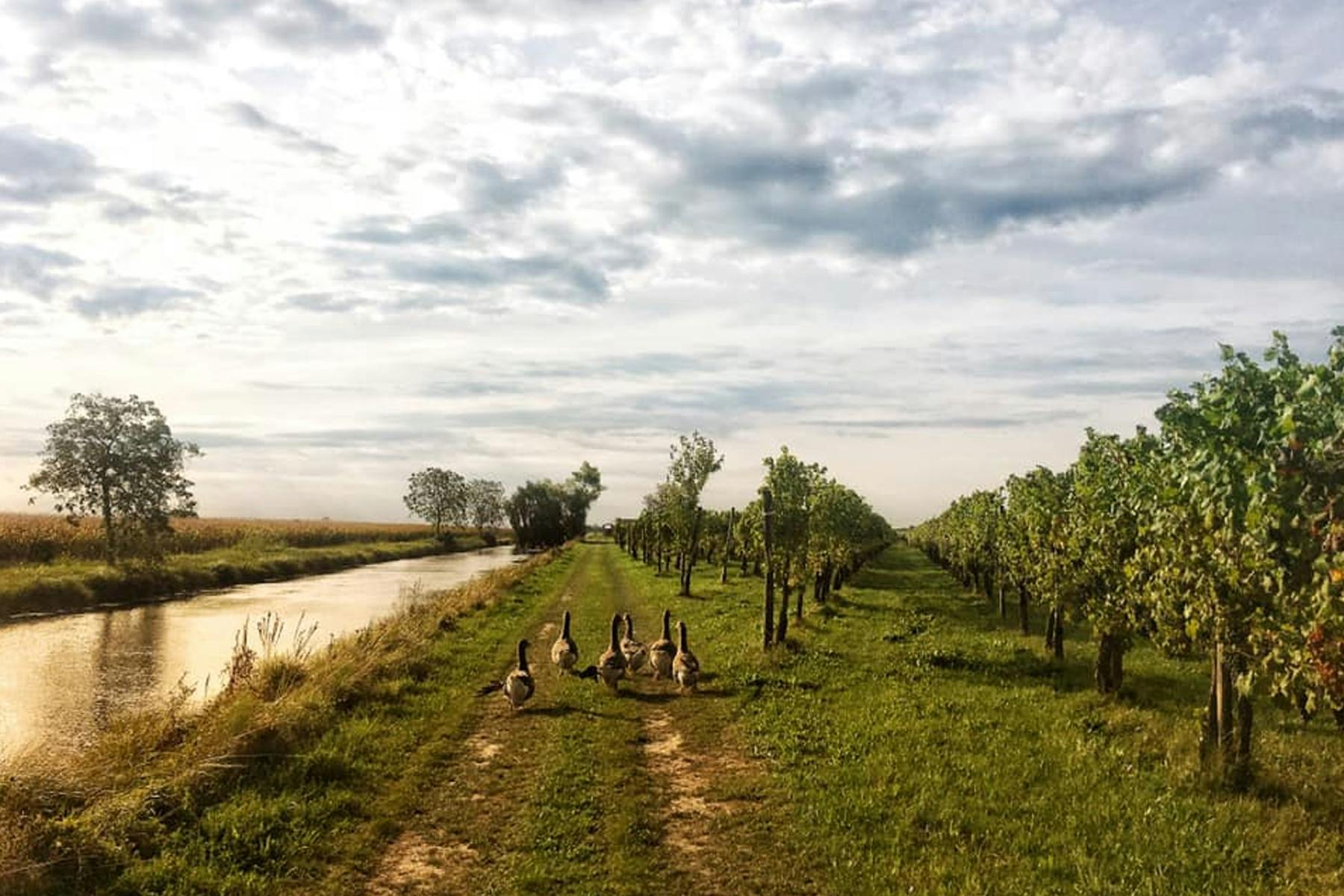
An explosion of aromas and flavors that celebrate the unique territory of the region in the glass.
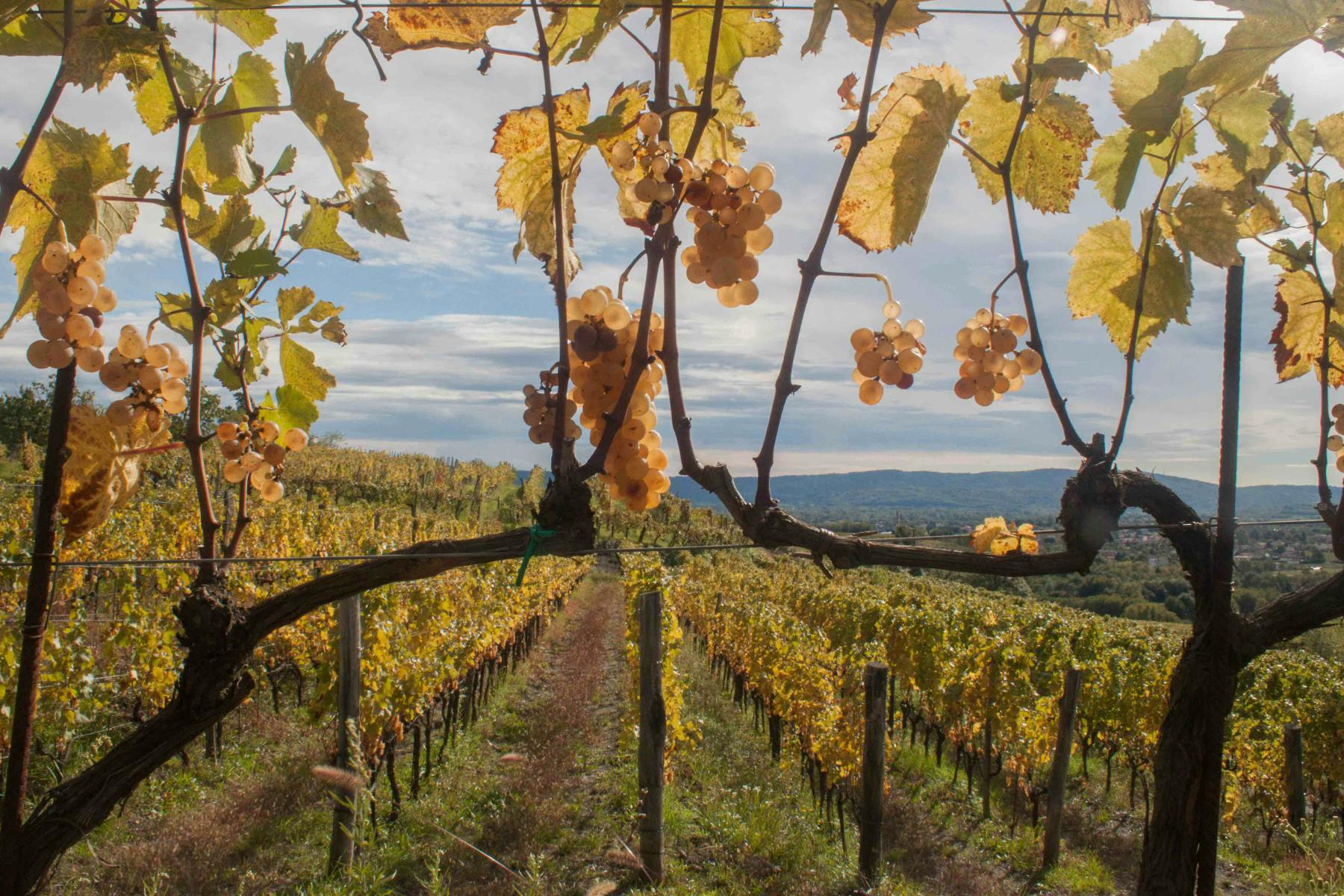
An explosion of aromas and flavors that celebrate the unique territory of the region in the glass.
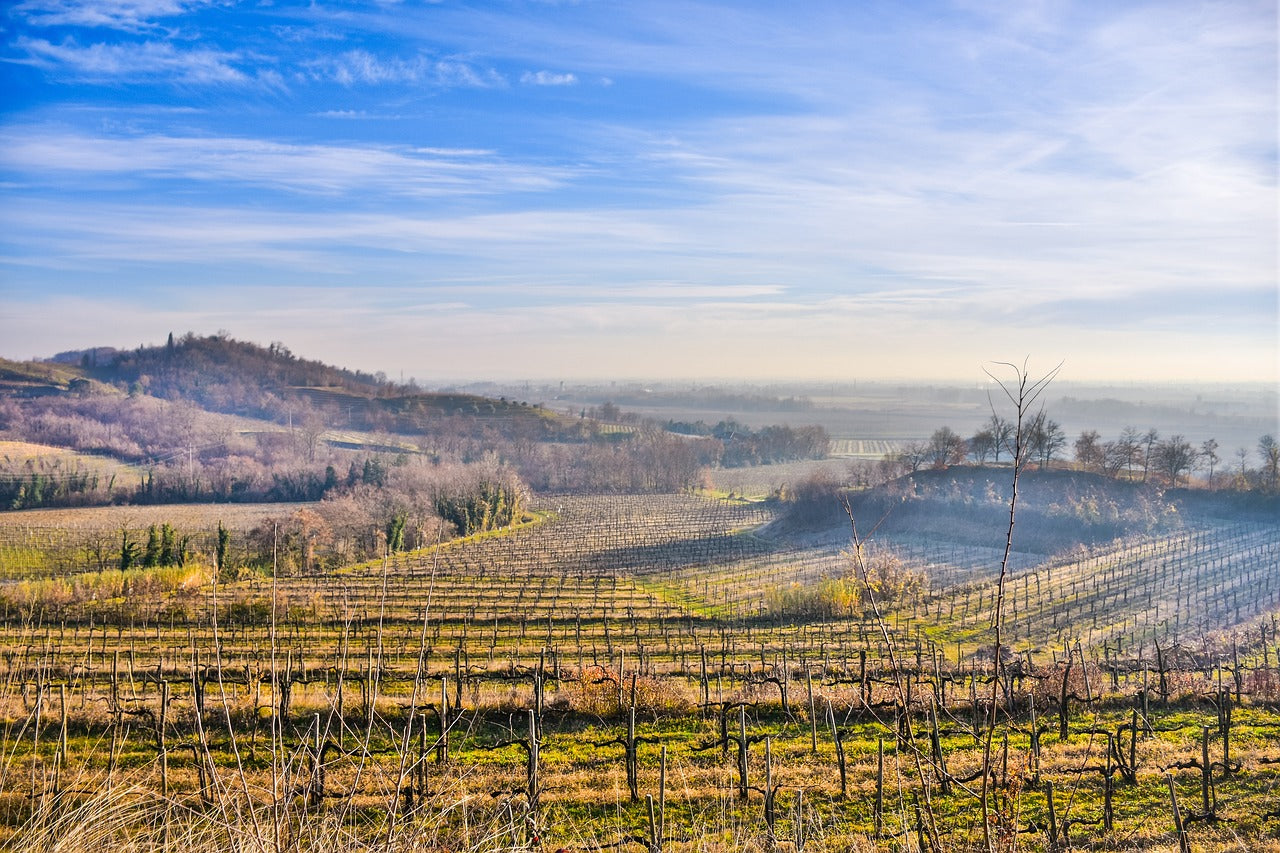
The magic of the Friuli Colli Orientali DOC is reflected in its ponca soils, where superb white wines and enchanting reds are born.
Recommended pairings and dishes
Matching by concordance
Matching by contrast
It pairs well with
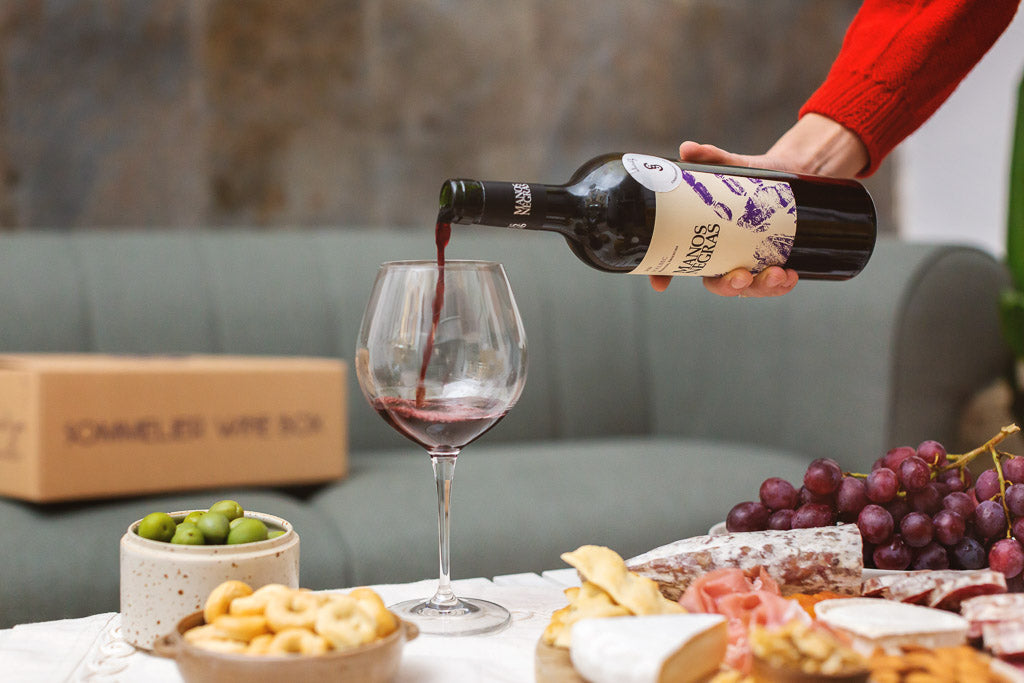
Matching by concordance
Matching by contrast
It pairs well with
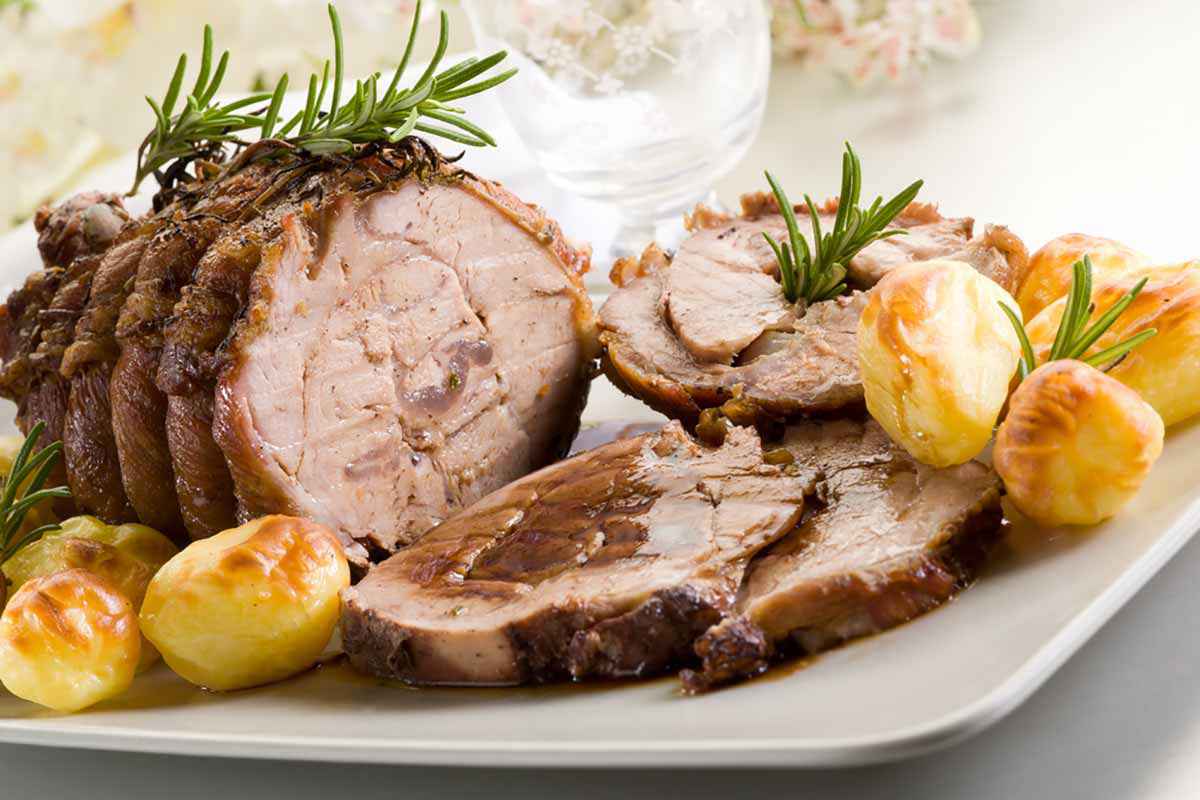
Roast Veal
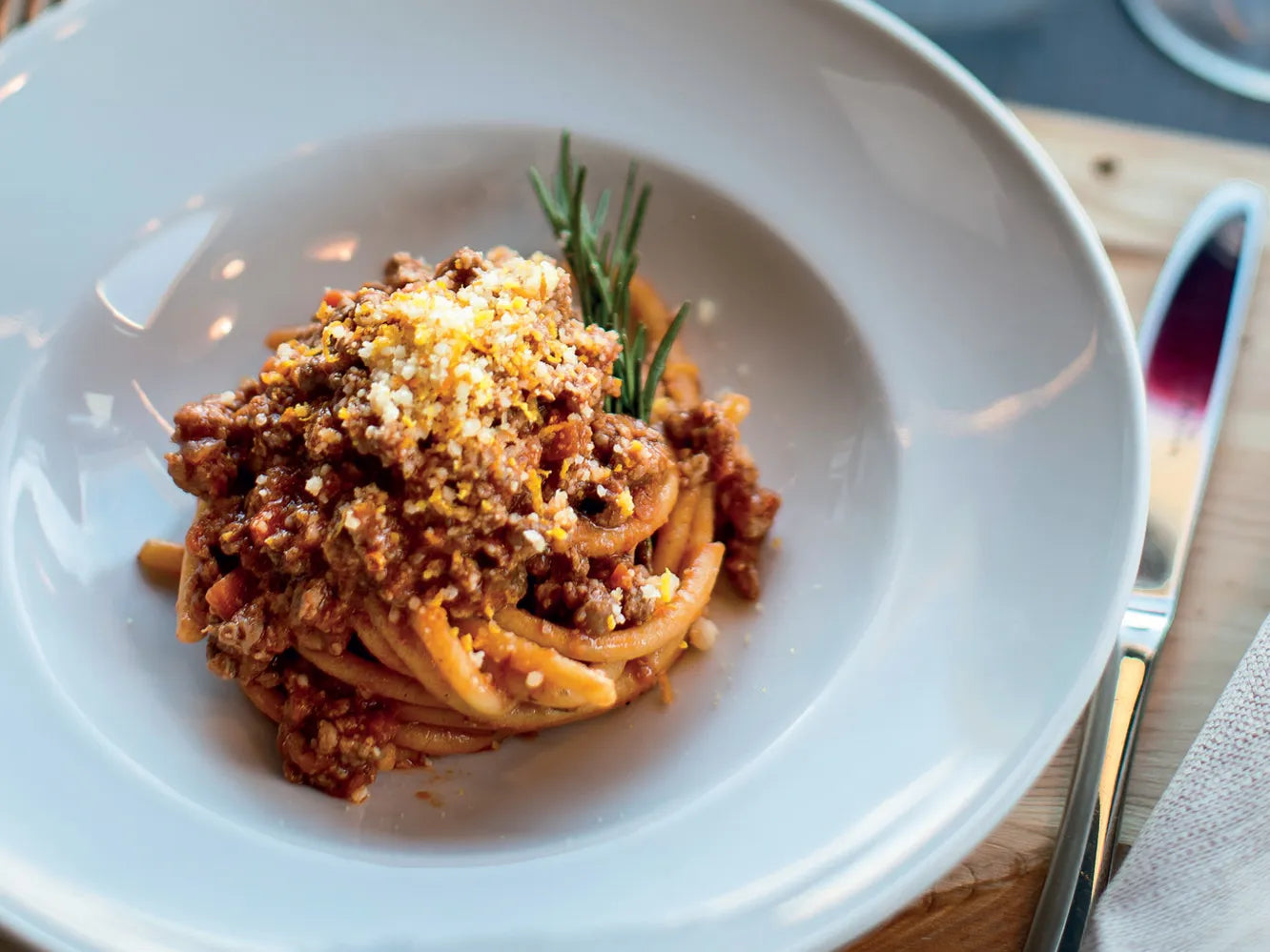
Bigoli al ragù