Pinot Noir Pays Pays D’oc | David Duband & Louis Max

Sale price€14,00

Red
Languedoc (FR)
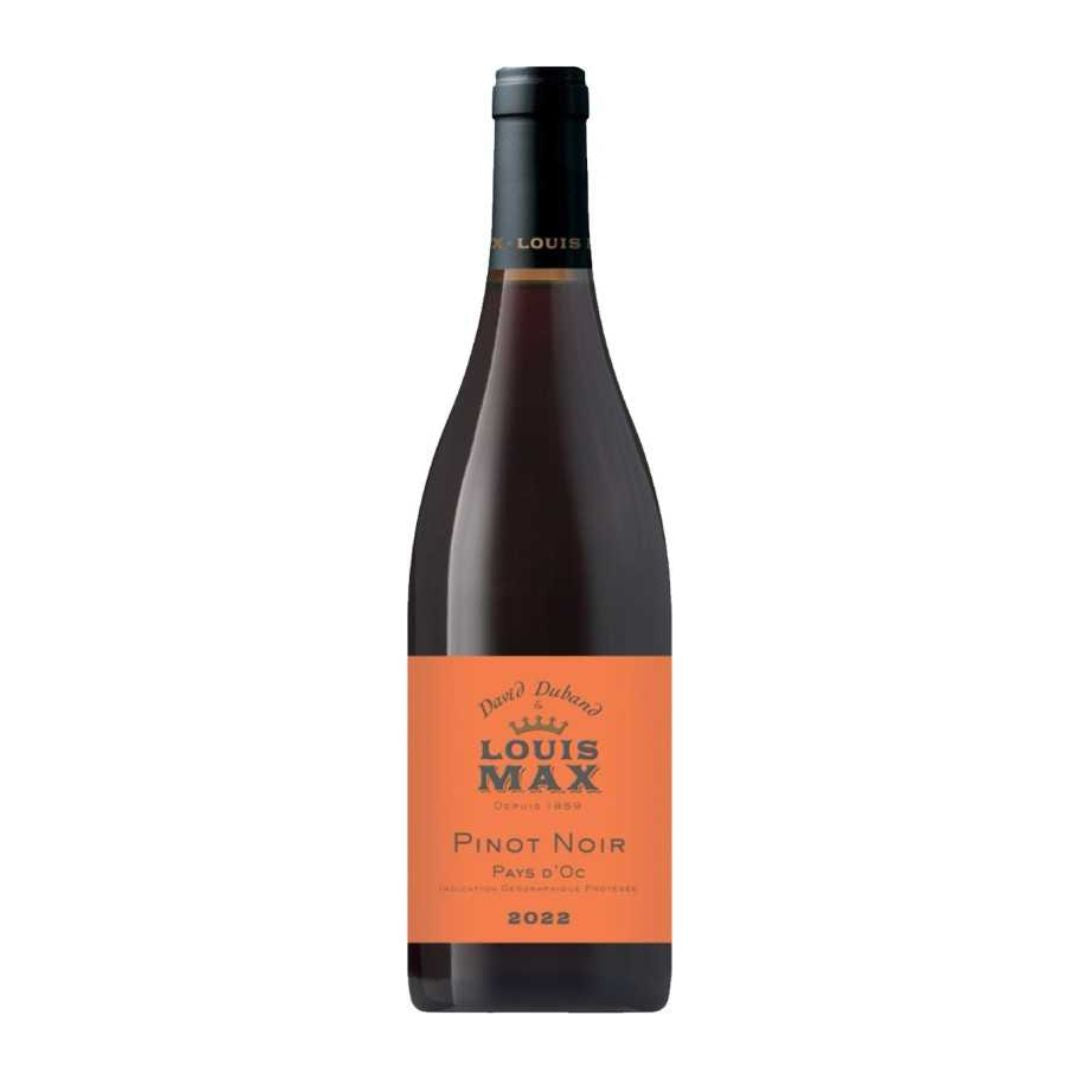
Pinot Noir Pays d’Oc IGP
Pinot noir 100%
Enjoy it within 5 years
13% ABV

Download as PDF

Production and refinement

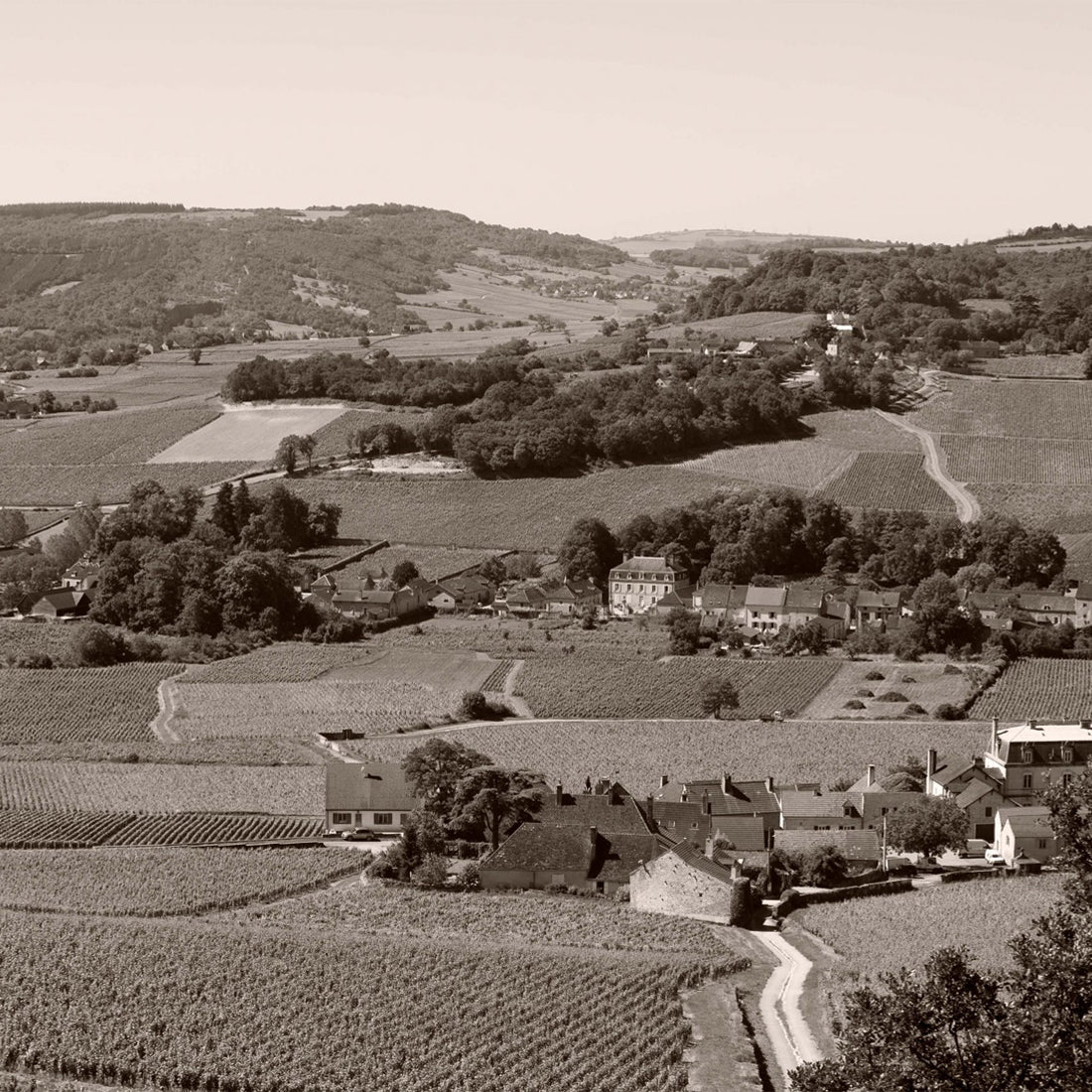
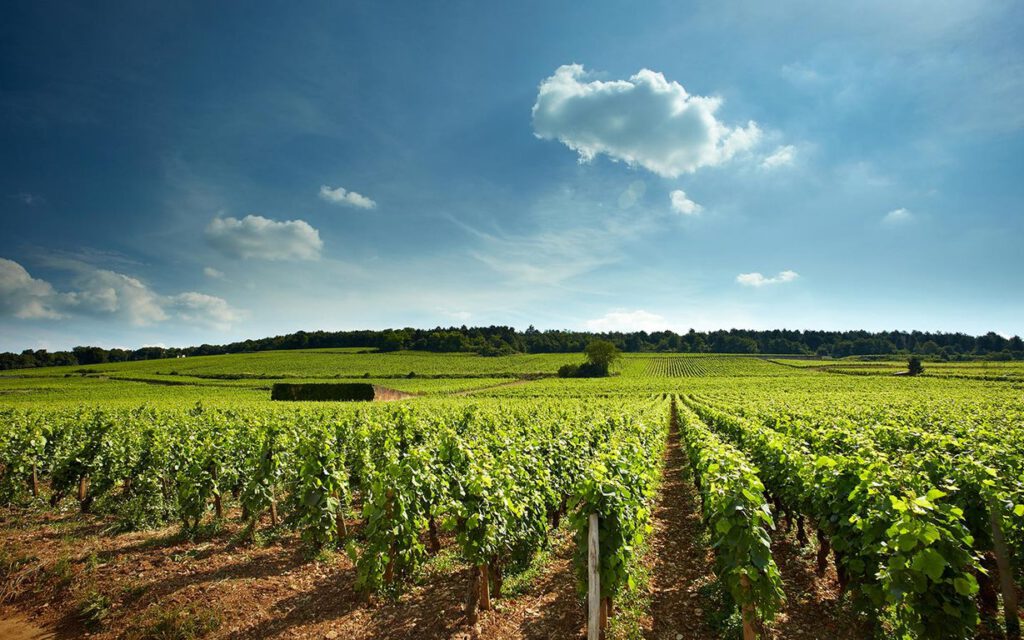
The wine is made from 100% Pinot Noir, grown on relatively steep slopes with north-west and north-east exposures, conditions that help preserve aromatic freshness and acidity even in the warm climate of southern France. The vineyards are rooted in deep clay-limestone soils, particularly well suited to ensuring water balance and aromatic development in Pinot Noir. Harvesting is carried out by hand, with careful selection of the bunches to preserve the integrity and quality of the grapes.

Winemaking follows a philosophy inspired by Burgundian tradition. The grapes are fermented in stainless steel tanks using traditional methods, prioritizing the varietal expression of Pinot Noir rather than seeking concentration or excessive extraction. The wine is aged in stainless steel to preserve the purity of the fruit, freshness, and lightness on the palate. The result is a Pinot Noir that is immediate, elegant, and highly drinkable.

Organoleptic analysis

Visual exam

It shows an intense and bright ruby red color, vivid and luminous, typical of a Pinot Noir vinified to enhance its fruity character.

Olfactory examination

The bouquet is fine and expressive. It reveals aromas of red and black fruits such as cherry, raspberry, redcurrant, and blueberry, accompanied by notes of fresh grape, light spicy hints of black pepper, and delicate floral nuances. The overall impression is fragrant, elegant, and immediately recognizable.

Tasting

On the palate it is delicate, elegant, and fruity, with soft, well-integrated tannins. Freshness supports the sip and carries a crisp, juicy fruit character. The structure is medium and balanced, with a pleasant lingering finish that recalls red fruit and light spice notes.

Contents index

From the vineyard to the table: discover our wine

Ready for a journey to discover Pinot Noir Pays Pays D’oc | David Duband & Louis Max ? We will now take you to delve deeper into every aspect of this exceptional wine through three key sections:
Cellar

Come and learn about the history and values ​​of the winery which passionately grows and transforms grapes into wine

Territory

Immerse yourself in the land that gives life to these unique grapes, discovering the climate and terroir that influence its character

Pairings

Get expert advice on the perfect pairings that will enhance both the wine and your meal

The winery
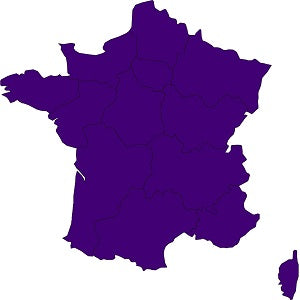
Country: France

Region: Languedoc

Hectares of vineyards: 17

David Duband & Louis Max

The David Duband & Louis Max project was born in 2022 with the aim of creating a range of wines that combines Burgundian savoir-faire with the potential of southern French terroirs. The production is based on sustainable viticulture and the pursuit of an authentic style.

The roots of the project trace back to the history of Evgueni Louis Max, a visionary entrepreneur who left his native Georgia to settle first in Burgundy and later in southern France. His intuition was to enhance the finest French terroirs through quality viticulture, gradually building the reputation of the historic Maison Louis Max.

This legacy has been taken up by David Duband, one of the most highly regarded winemakers of the Côte de Nuits, who has managed his family estate since 1991 and is recognized as one of the great contemporary interpreters of Burgundian Pinot Noir. The collaboration has resulted in a range of IGP Pays d’Oc wines made from Burgundy’s two emblematic grape varieties, Pinot Noir and Chardonnay, reinterpreted within the climatic context of Languedoc.

David Duband & Louis Max

The idea behind the project is both simple and ambitious: to transfer the technical rigor and oenological sensitivity of Burgundy to the vineyards of southern France. Between the Mediterranean Sea and the Massif Central, Languedoc offers a remarkable diversity of microclimates influenced by sun, wind, and varying altitudes. Here, Pinot Noir and Chardonnay find ideal conditions to express a more sun-driven and generous character compared to their Burgundian expressions, while retaining elegance and aromatic precision.

Thanks to careful parcel selection, controlled yields, and winemaking practices that respect the fruit, the resulting wines combine freshness, immediacy, and finesse, while maintaining a strong sense of territorial identity. The David Duband & Louis Max project represents a bridge between two great French wine cultures: the tradition of Burgundy and the vitality of Languedoc, achieving a perfect balance between experience, innovation, and the enhancement of terroir.

Region and territory

From white wines to reds, from the quantity of the past to the quality of the present and the future.
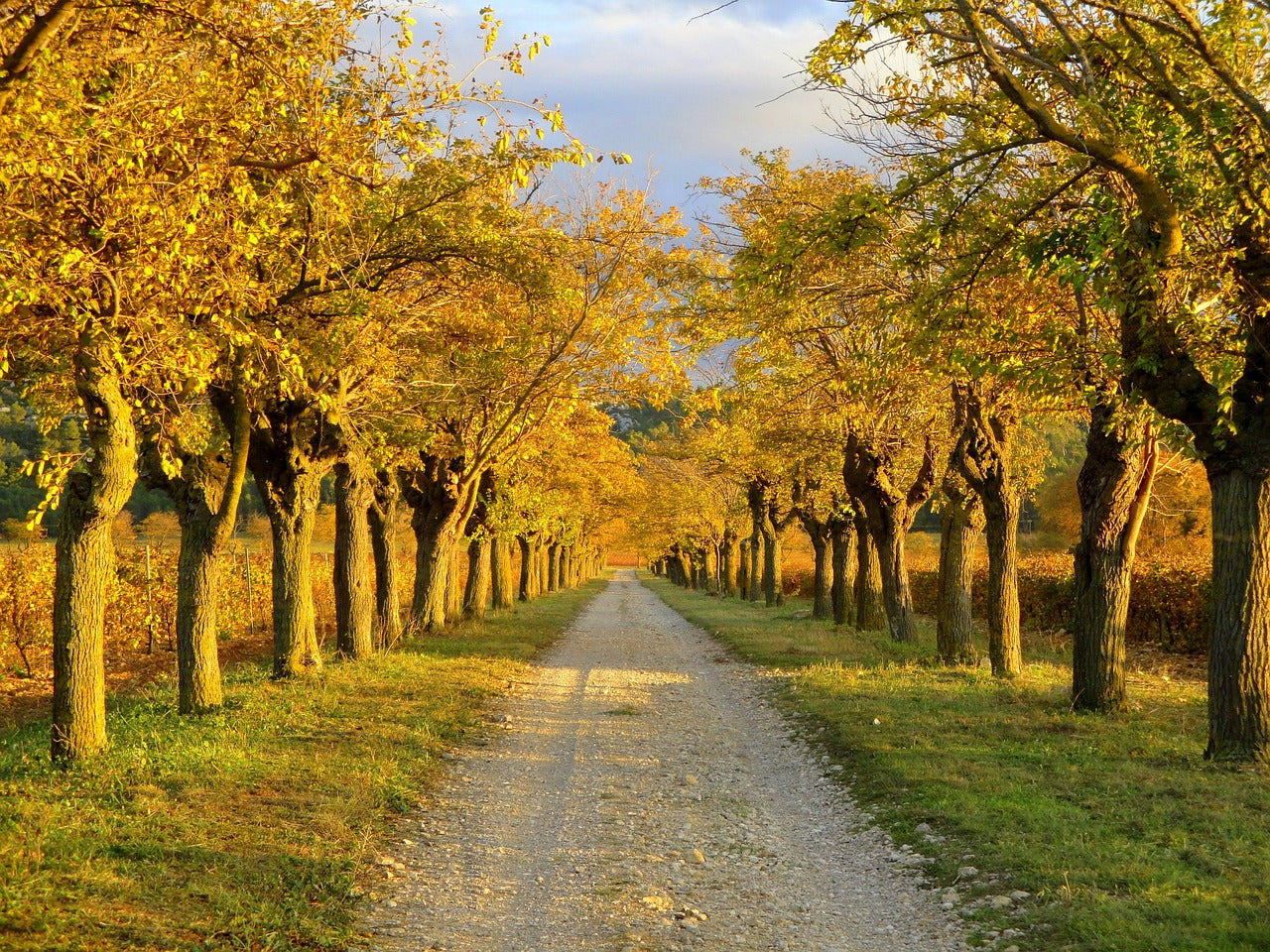
Languedoc-Roussillon

From white wines to reds, from the quantity of the past to the quality of the present and the future.
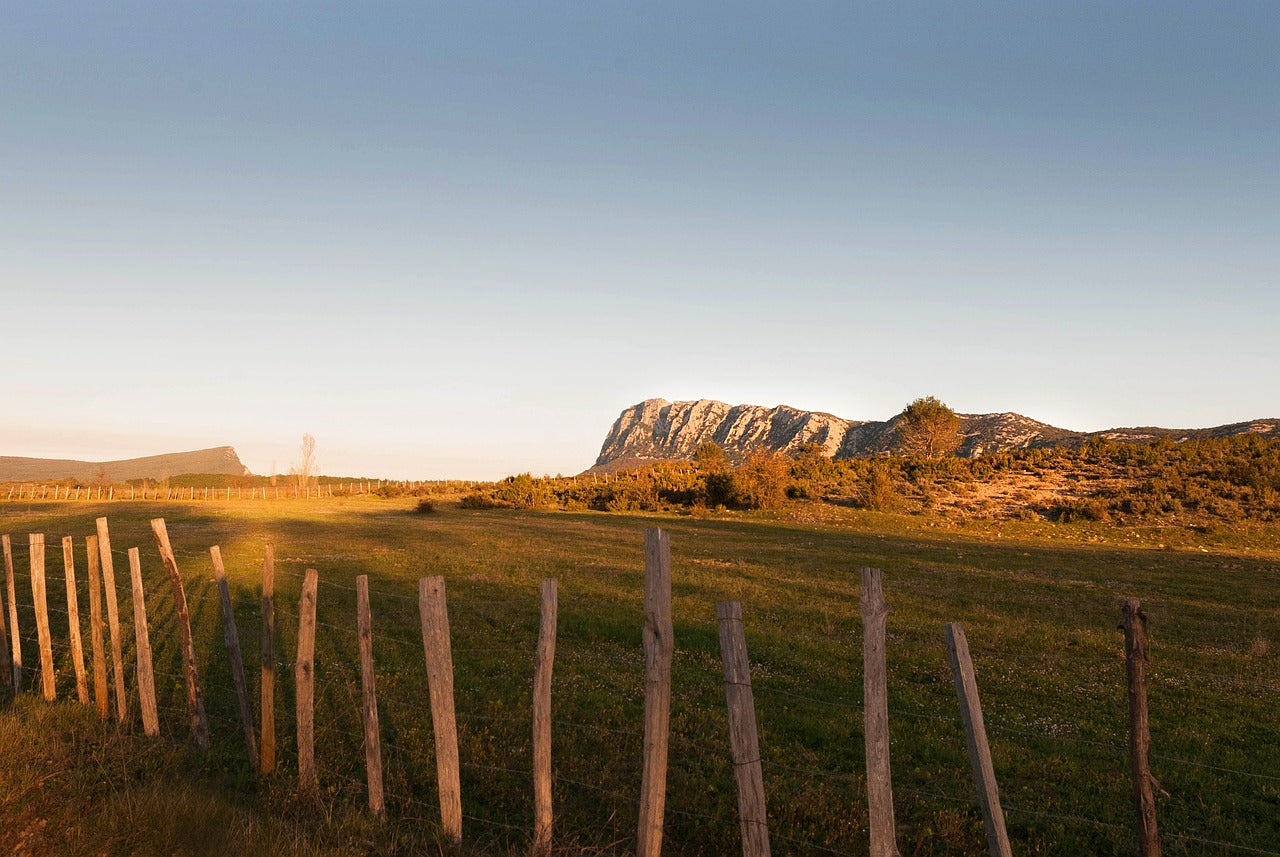
Languedoc-Roussillon

From white wines to reds, from the quantity of the past to the quality of the present and the future.
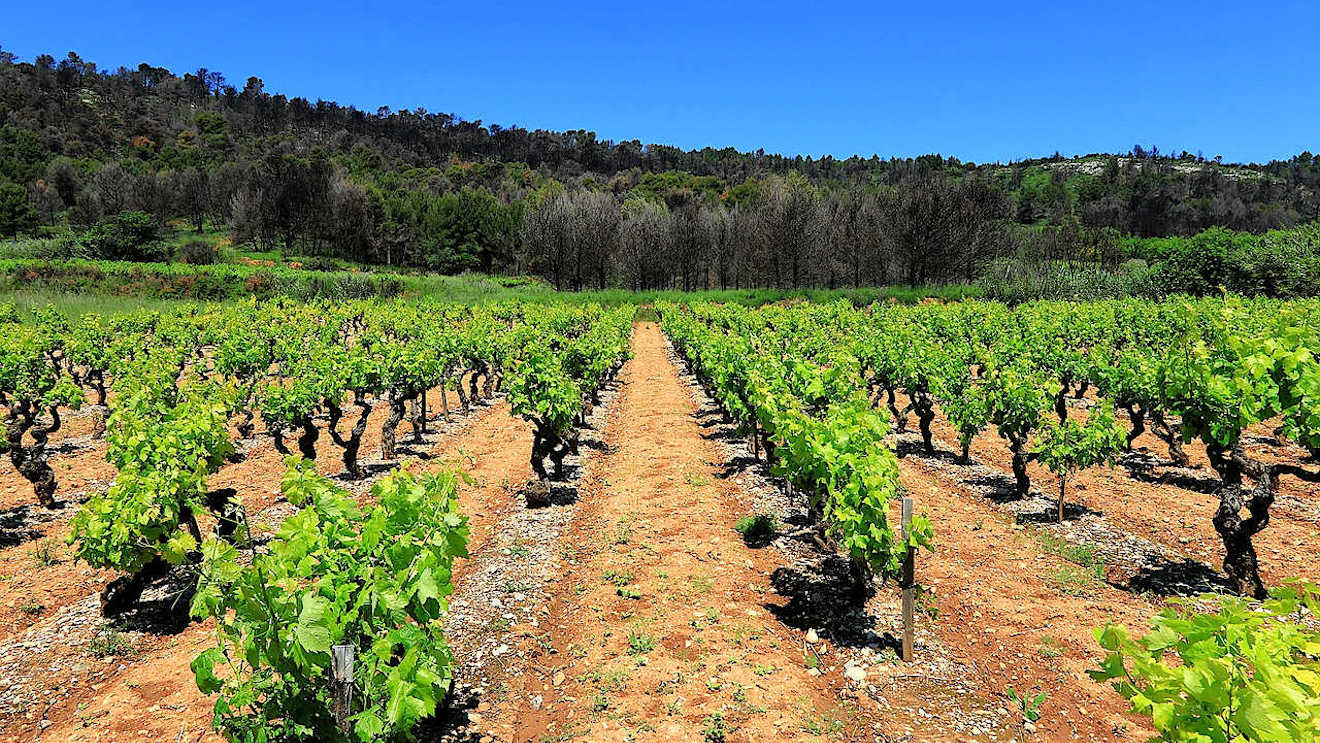
Languedoc-Roussillon

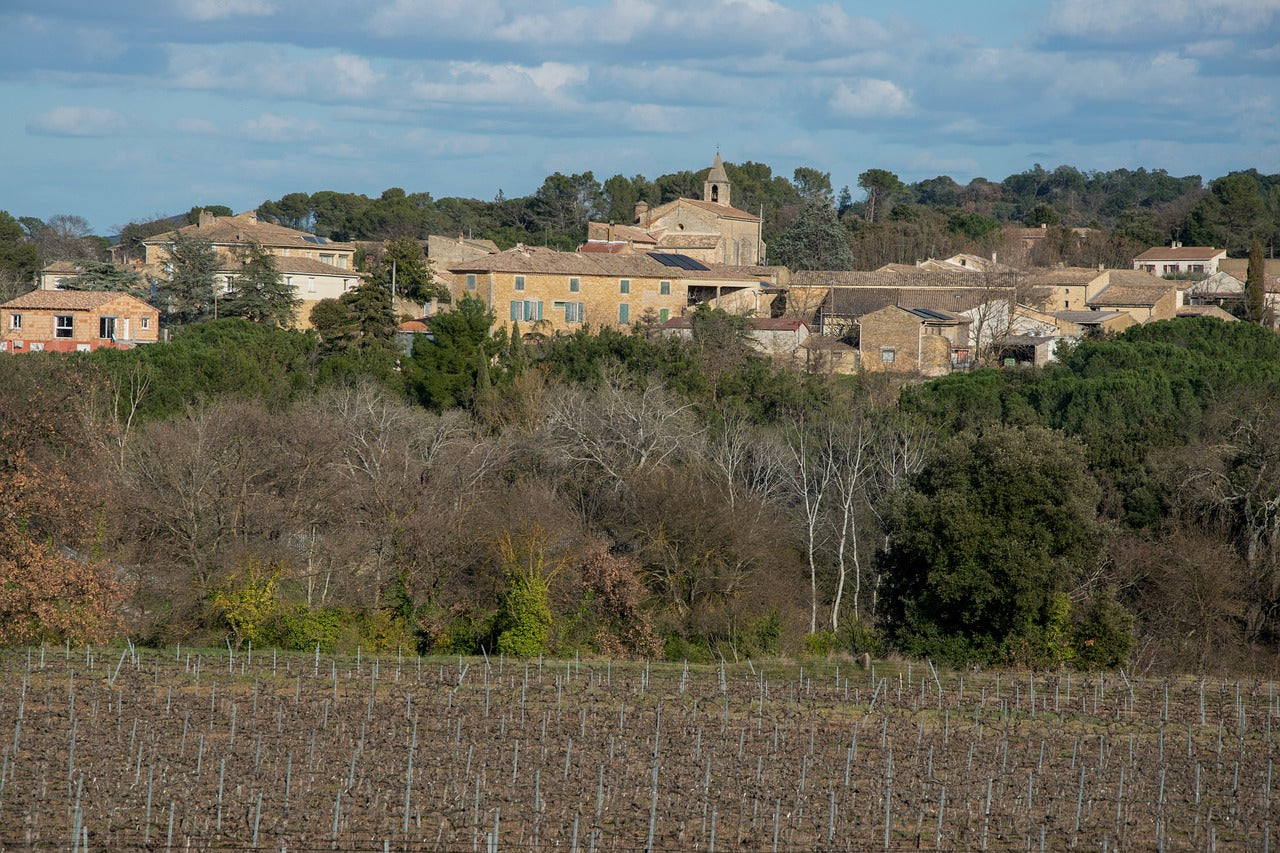
The Languedoc-Roussillon region is located in southern France and overlooks the Mediterranean Sea. It is one of the largest and most productive regions in all of France (accounting for over a third of the country's total wine production), with a production that in recent years has increasingly focused on quality.

The wine region, home to several AOCs (Appellation d’Origine Contrôlée), is divided into two distinct areas: Languedoc, further east, mostly flat, and Roussillon, further south near the Pyrenees.

The climate is Mediterranean and warm. In fact, on the southern coast of France, we find one of the most favorable microclimates for grape cultivation, although there are also some rather cool areas, such as the hills of Minervois and Limoux, where temperatures are lower due to slightly higher altitude.

The soils are mainly limestone, schist, and stony, forming the characteristic garrigues, a rocky landscape interspersed with lush Mediterranean scrubland. In these soils, Syrah and Carignan thrive and produce wines rich in structure, tannins, and salinity. In the plains, on the other hand, the soils are alluvial and fertile, mainly cultivating Grenache, Cinsault, and Muscat grapes, resulting in wines richer in alcohol.

The majority of the wine produced in the region belongs to the Vins de Pays category, but there are numerous oenological subzones, each producing wines with unique characteristics. Among these, the most productive are Corbières and Coteaux du Languedoc, where mainly red indigenous and international grape varieties are vinified.

Also interesting is the Limoux area, where excellent sparkling wines are produced: the Crémant and the Blanquette de Limoux with the traditional method, but also an excellent ancestral wine produced with the rural method.

The most characteristic wines of the region are the vins doux naturels, produced by fortifying the must through the addition of alcohol (a process called mutage).

Languedoc

The Languedoc, located in the south of France, is one of the country’s largest and most historic wine regions, with a Mediterranean climate ideal for viticulture. The region boasts a wide variety of soils and grape varieties, with predominant reds including Grenache, Syrah, and Mourvèdre, and whites such as Chardonnay, Viognier, and Marsanne.

The main denominations of Languedoc include:

- AOC Languedoc: The generic appellation covering the entire region, with sub-denominations like Pic Saint-Loup, La Clape, and Montpeyroux.
- AOC Minervois: Known for its robust and spicy red wines.
- AOC Corbières: Valued for its rich and aromatic reds.
- AOC Faugères: Famous for its mineral and concentrated red wines.
- AOC Saint-Chinian: Produces complex and well-structured reds.
- AOC Limoux: Renowned for its sparkling and white wines.

Languedoc is known for producing full-bodied and aromatic wines with an excellent quality-to-price ratio and has seen significant improvements in quality in recent years, making it one of France’s most interesting wine regions.

One of the largest and most diverse wine regions in France

Recommended pairings and dishes

Matching by concordance

An elegant red wine, suited to pairing with refined dishes. Notes of small red and black fruits, spicy hints of pepper, and floral nuances find continuity in elegant, not overly concentrated dishes such as mushroom risottos, truffle-based preparations, noble poultry, guinea fowl, or veal. The undergrowth notes in the bouquet naturally dialogue with porcini mushrooms and autumnal ingredients, while the softness of the palate harmonizes with tender meats and delicate cooking methods. Even some grilled fish or lightly seared tuna can create an interesting gustatory affinity, thanks to their shared elegance and balanced structure.

Matching by contrast

This Pinot Noir from the Pays d’Oc is characterized by ripe fruit and a generous structure. Its natural freshness and delicate tannic texture effectively balance the richness of roasted white meats, duck, cured meats, and medium-aged cheeses. The acidity helps cleanse the palate of oily sensations, while the moderate tannic structure balances well-seasoned dishes without overpowering them.

Even with fatty fish such as salmon or grilled tuna, the wine works by contrast, thanks to its freshness and the lightness of its palate.

It pairs well with

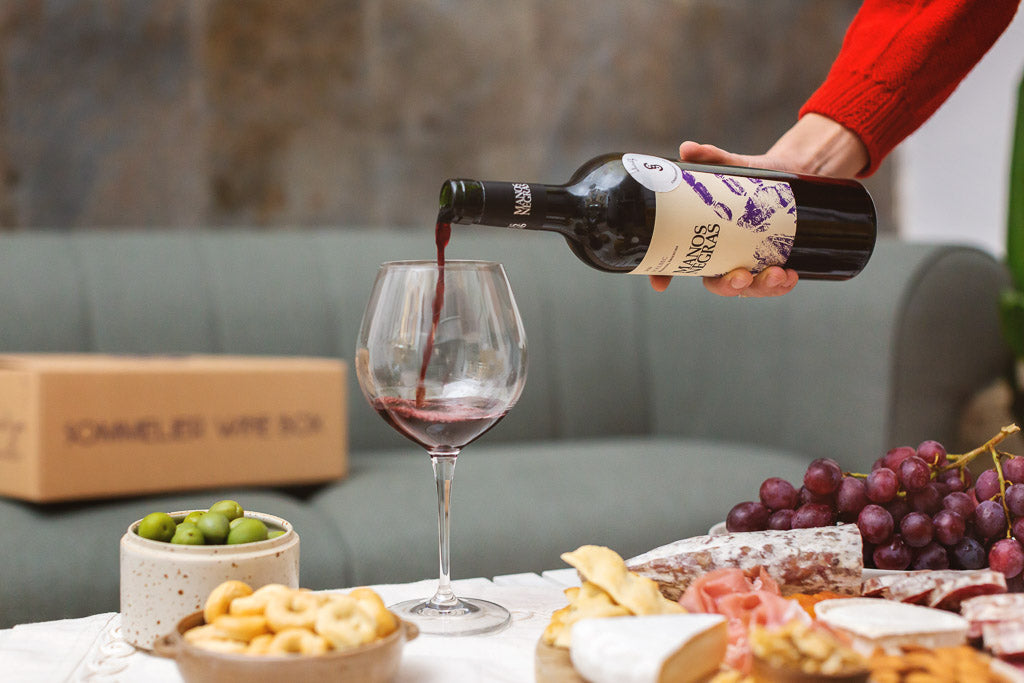
First courses with white ragù of veal or rabbit; tagliatelle with porcini mushrooms; mushroom and herb risottos; roasted poultry; guinea fowl; duck; quail; pork tenderloin; roast veal; seared tuna; grilled salmon; grilled fish; sautéed mushrooms; truffle-based dishes; delicate cured meats; terrines; rustic pâtés; semi-aged cheeses; French tommes; brie and camembert not too mature; Mediterranean cuisine; feathered game.

Matching by concordance

An elegant red wine, suited to pairing with refined dishes. Notes of small red and black fruits, spicy hints of pepper, and floral nuances find continuity in elegant, not overly concentrated dishes such as mushroom risottos, truffle-based preparations, noble poultry, guinea fowl, or veal. The undergrowth notes in the bouquet naturally dialogue with porcini mushrooms and autumnal ingredients, while the softness of the palate harmonizes with tender meats and delicate cooking methods. Even some grilled fish or lightly seared tuna can create an interesting gustatory affinity, thanks to their shared elegance and balanced structure.

Matching by contrast

This Pinot Noir from the Pays d’Oc is characterized by ripe fruit and a generous structure. Its natural freshness and delicate tannic texture effectively balance the richness of roasted white meats, duck, cured meats, and medium-aged cheeses. The acidity helps cleanse the palate of oily sensations, while the moderate tannic structure balances well-seasoned dishes without overpowering them.

Even with fatty fish such as salmon or grilled tuna, the wine works by contrast, thanks to its freshness and the lightness of its palate.

It pairs well with

First courses with white ragù of veal or rabbit; tagliatelle with porcini mushrooms; mushroom and herb risottos; roasted poultry; guinea fowl; duck; quail; pork tenderloin; roast veal; seared tuna; grilled salmon; grilled fish; sautéed mushrooms; truffle-based dishes; delicate cured meats; terrines; rustic pâtés; semi-aged cheeses; French tommes; brie and camembert not too mature; Mediterranean cuisine; feathered game.

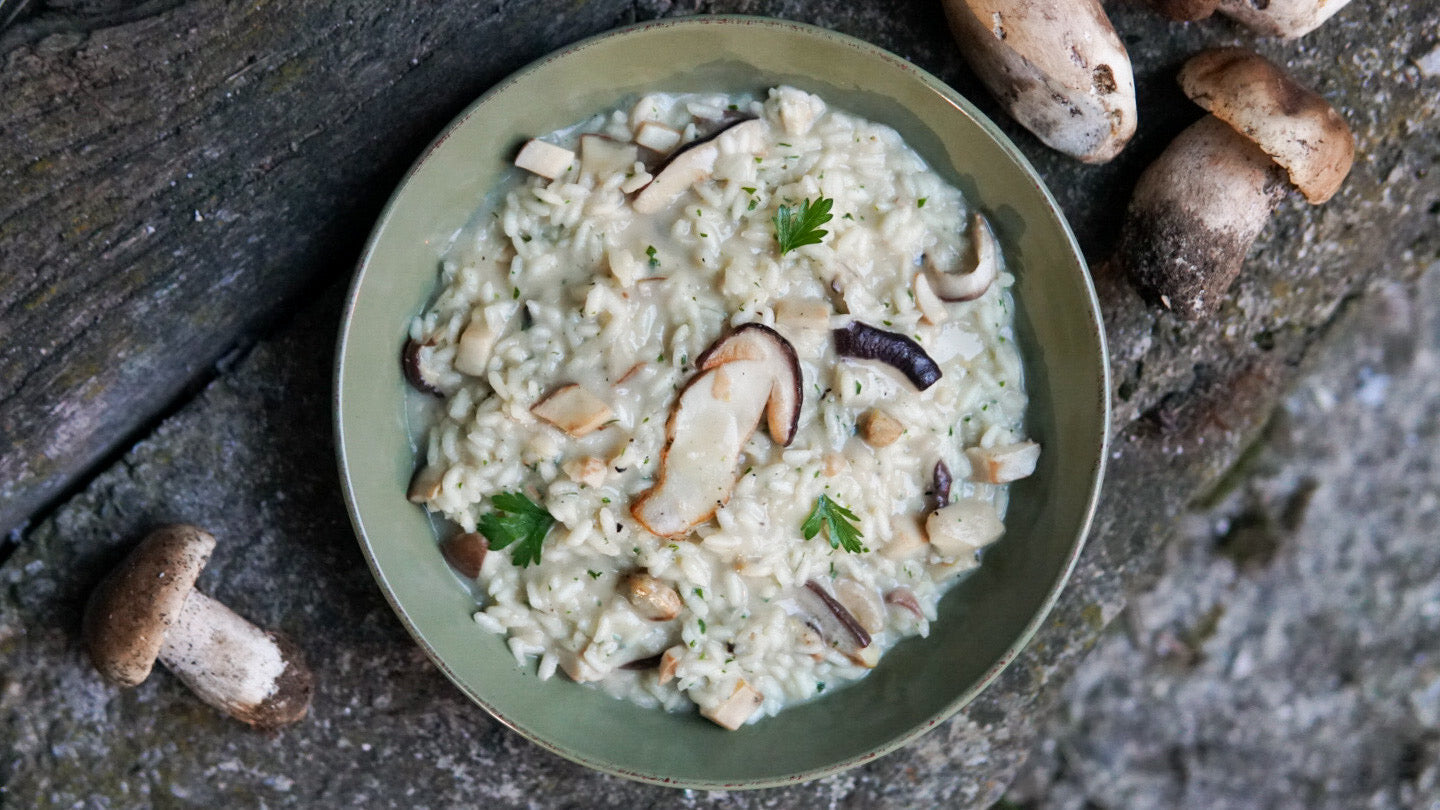
Mushroom Risotto

A dish rich in aromas and flavor, creamy and of medium structure, delicate and elegant. Chanterelles, porcini, button mushrooms, or a mix... the possibilities for an impressive first course are endless!

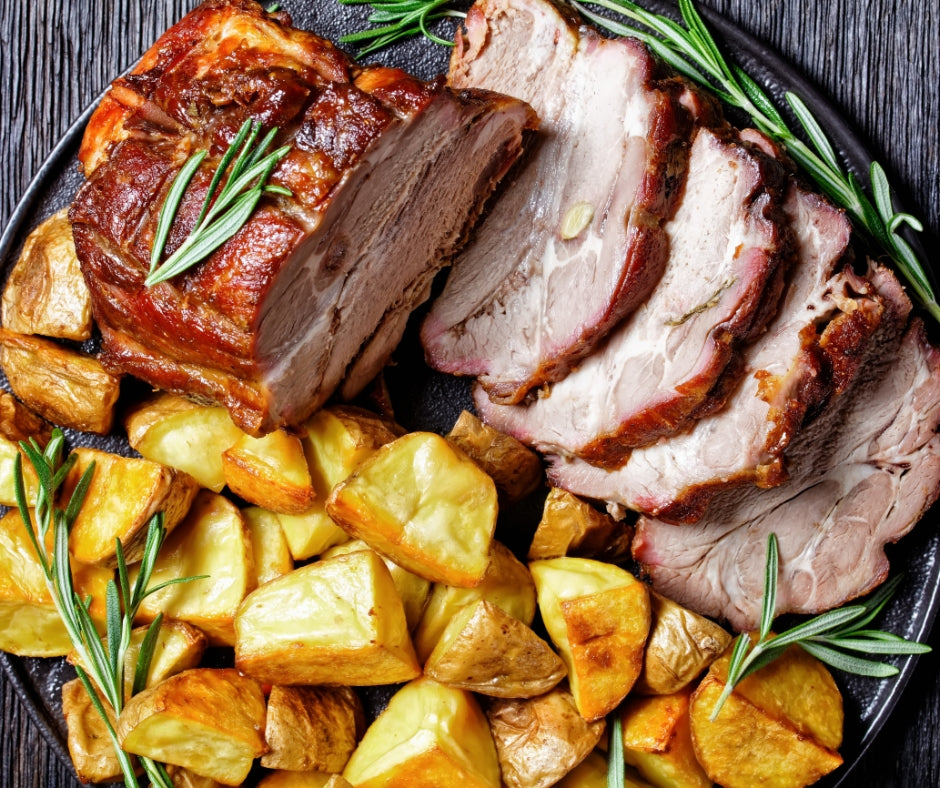
Oven-Roasted Pork

A traditional main course, served with cooked vegetables, that is easy to prepare in just 10 minutes and involves a two-step cooking process: browning the meat in a pan followed by roasting in the oven. A simple and flavorful dish.

Pinot Noir Pays Pays D’oc | David Duband & Louis Max , did you like it?

Tell us about it by clicking here

Pinot Noir Pays Pays D’oc | David Duband & Louis Max , did you like it?

Tell us about it by clicking here