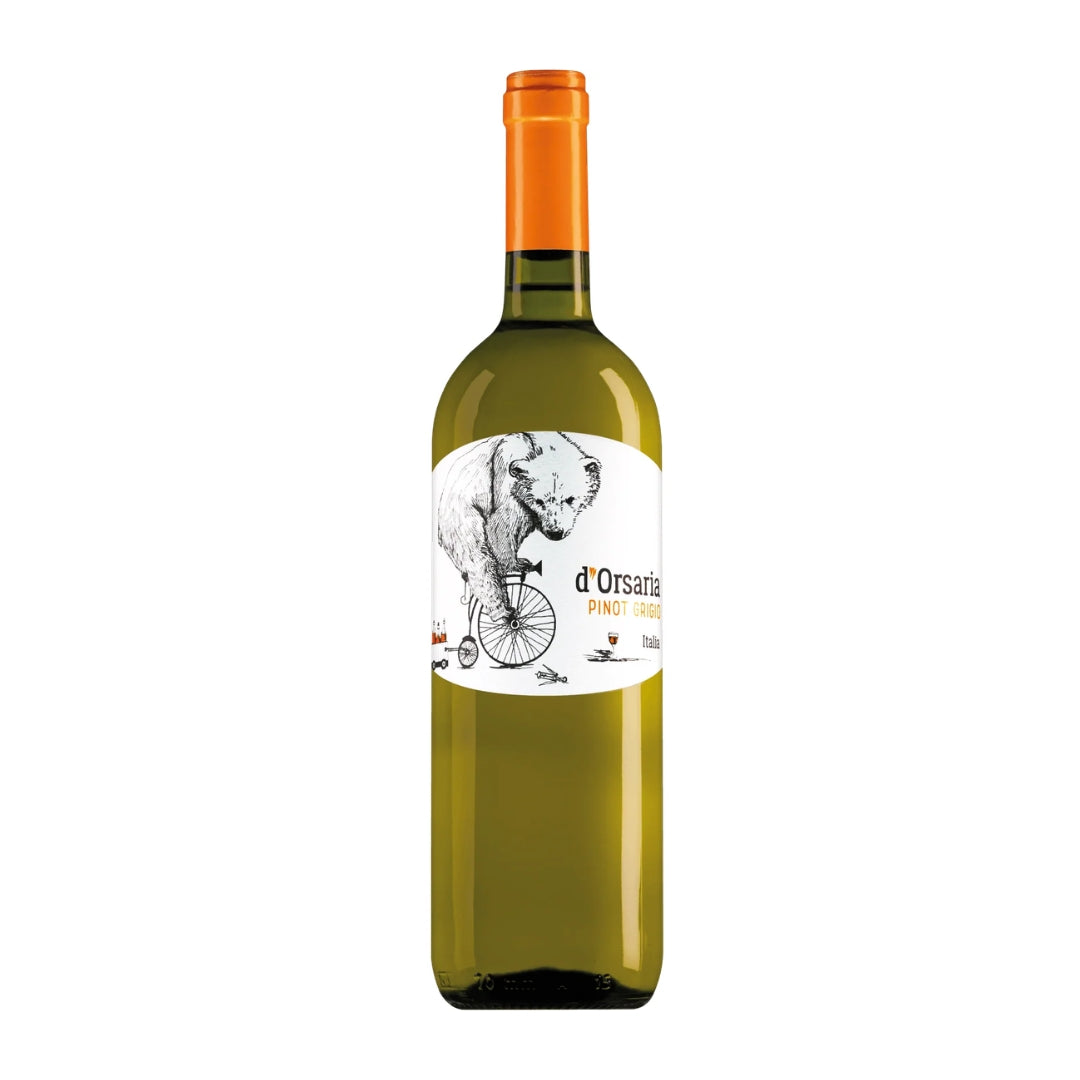
Pinot Grigio d'Orsaria | Cecchini Marco

Sale price€12,50

White
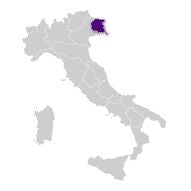
Friuli Venezia Giulia (IT)
Pinot Grigio IGT Venezia Giulia
Pinot gris
Enjoy it within 3 years
12,5% ABV

Download as PDF

Production and refinement

Pinot Grigio is grown on marl-sandstone soils, the typical "ponca" of the Colli Orientali, with the presence of clay and limestone. These are friable, stratified soils that ensure good drainage, forcing the vine to deepen its root system and contributing to the mineral tension found in the glass.

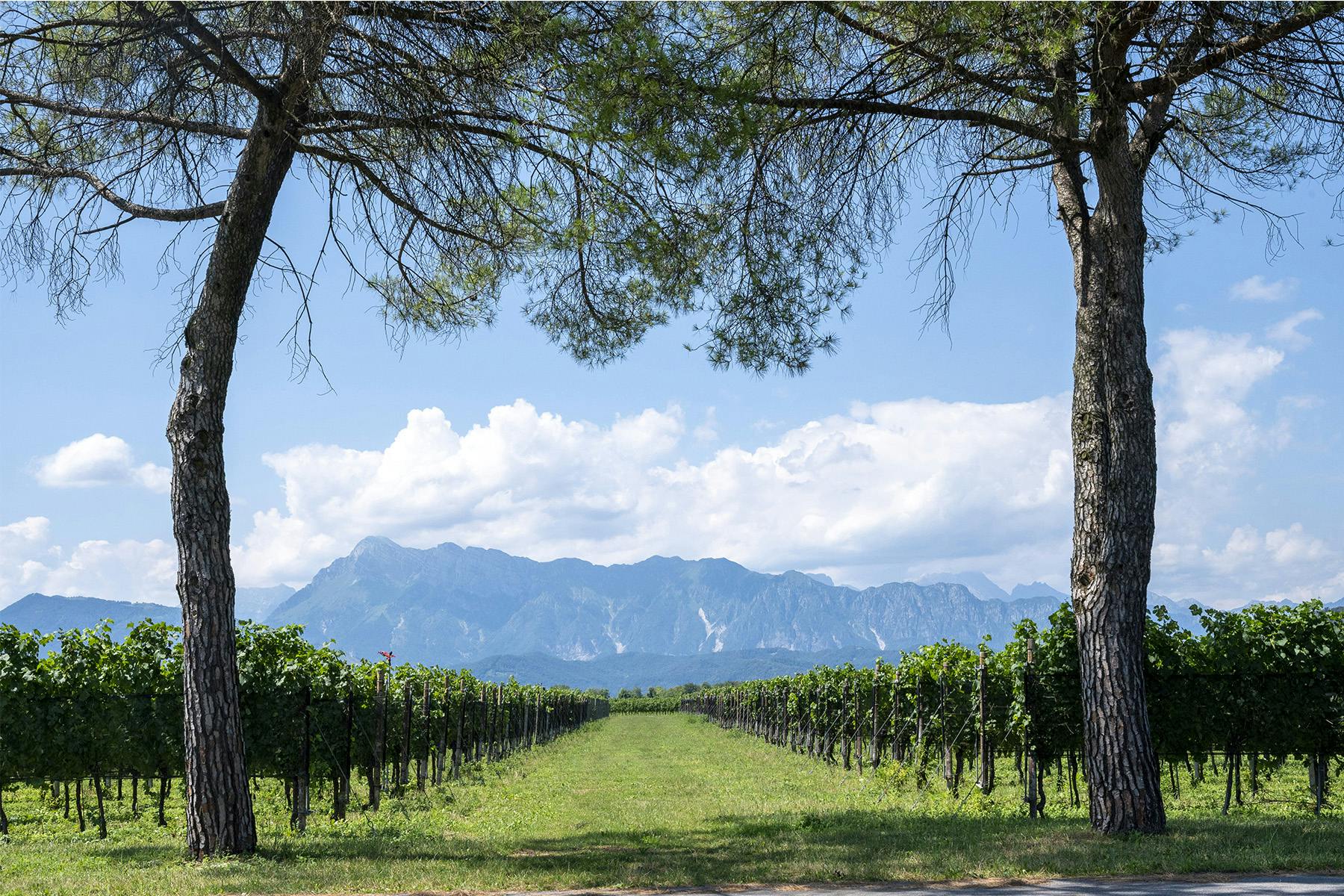
The vineyards are located at an average altitude of around 300 meters, with varying exposures but generally open toward the Adriatic Sea, while behind them rise the pre-Alpine hills that protect the area from cold northern winds. The climate is cool continental, with temperature fluctuations that favor aromatic synthesis and the preservation of acidity.

The vines, trained using the Guyot system, were planted between 2000 and 2010. Vineyard management for this label is conventional, yet focused on safeguarding the integrity of the grapes and on a harvest that prioritizes balance between sugar ripeness and fresh acidity.

The winemaking follows a deliberately reductive style, aimed at preserving the grape variety’s primary aromatic heritage. After pressing, fermentation takes place in stainless steel tanks at controlled temperature, using selected yeasts to ensure consistency and expressive clarity. During the process, regular stirring of the fine lees is carried out, helping to enrich the structure without weighing down the profile.

Aging continues on the fine lees, a technical choice that gives the wine greater roundness and tactile complexity. This is followed by fining and filtration, targeted interventions designed to achieve visual clarity and microbiological stability, in keeping with the winery’s style focused on precision and immediacy.

Organoleptic analysis

Visual exam

In the glass it appears a pale straw yellow, crossed by reflections that shift toward a coppery onion-skin hue, a distinctive hallmark of certain expressions of Friulian Pinot Grigio. The brightness is lively, and the texture elegant and proportionate to the alcohol content.

Olfactory examination

The olfactory impact is refined and progressive. Initially, notes of acacia flowers and green apple emerge, followed by candied lemon peel. More exotic hints of mango and unripe pineapple then appear, accompanied by a briny, mineral touch reminiscent of graphite warmed by the sun. In the finish, a delicate toasted almond note and an almost smoky nuance complete the aromatic profile, always measured and never redundant.

Tasting

The attack is taut, supported by a crisp acidity that structures the sip and defines its length. The savoriness, born of the marly soil matrix, accompanies the mid-palate, where the fruity notes perceived on the nose return. The body is medium-light yet well balanced, with a silky texture thanks to aging on the lees. The finish is dry and fresh, with lingering almond notes and a saline trail that invites another sip.

Contents index

From the vineyard to the table: discover our wine

Ready for a journey to discover Pinot Grigio d'Orsaria | Cecchini Marco ? We will now take you to delve deeper into every aspect of this exceptional wine through three key sections:

Cellar

Come and learn about the history and values ​​of the winery which passionately grows and transforms grapes into wine

Territory

Immerse yourself in the land that gives life to these unique grapes, discovering the climate and terroir that influence its character

Pairings

Get expert advice on the perfect pairings that will enhance both the wine and your meal

The winery

Country: Italy

Region: Friuli Venezia Giulia

Hectares of vineyards: 5

Cecchini Marco

The history of D’Orsaria is rooted in nearly a century of family tradition. The Cecchini family experiences wine both as a daily practice and as a passed-down culture, but it was in 1998 that the journey took a decisive turn. Marco Cecchini, then a student of financial market economics, was called by his grandfather Alfio to manage the harvest of the family vineyards. That vintage, undertaken with the help of friends and a rapid yet intense apprenticeship, brought a revelation: wine was not an accessory activity, but a vocation.

After completing his university studies, Marco chose the countryside. He transformed a rural warehouse into a home and a bramble-covered hill into a vineyard, spending three seasons on manual labor and continuous experimentation. This marked the birth of the Cecchini Marco farm, today covering five hectares in the Colli Orientali del Friuli, in Faedis, between Udine and the Slovenian border, in a valley shaped by the Grivò stream and protected by the Julian Prealps.

The Faedis territory is rich in historical layers: inhabited since 2000 B.C., traversed by the Romans, marked by the Great War, it preserves churches, manors, and rural landmarks that tell the story of a resilient, identity-rich Friuli. The very etymology of its name, from *fagetum* (beech forest), evokes the original image of a wooded land gradually converted to viticulture.

Cecchini Marco

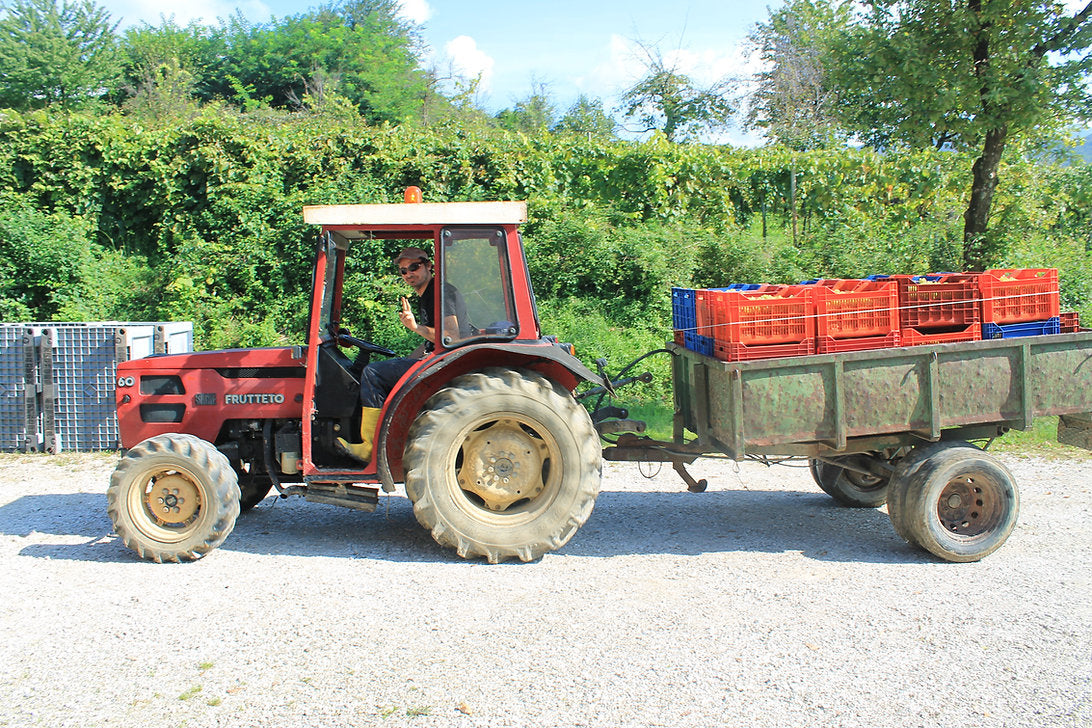
Since 2004, the estate has been managed according to organic principles, officially certified in 2014. In the vineyard, only copper and sulfur are used, and work is carried out entirely by hand, vine by vine, with five annual passes per plant. Soil and ecosystem health are an integral part of the project: the beehives hosted on the estate serve as a biological indicator of environmental quality, while during the harvest a diverse team is formed, including longtime friends and social collaborations with asylum seekers, reflecting a vision of agriculture as community.

In 2005, Marco also founded a négociant business, purchasing grapes from selected local small-scale growers and vinifying them in the modern Orsaria winery, near Premariacco. The name D’Orsaria recalls the native village and a past when the forests were inhabited by bears. The winemaking line is defined by a “smart and easy” concept: young, approachable wines at coherent prices, yet technically rigorous and territorially expressive. Alongside indigenous varieties, international grapes such as Chardonnay, Pinot Grigio, and Cabernet Franc are cultivated, interpreted with Friulian sensitivity.

Region and territory

An explosion of aromas and flavors that celebrate the unique territory of the region in the glass.
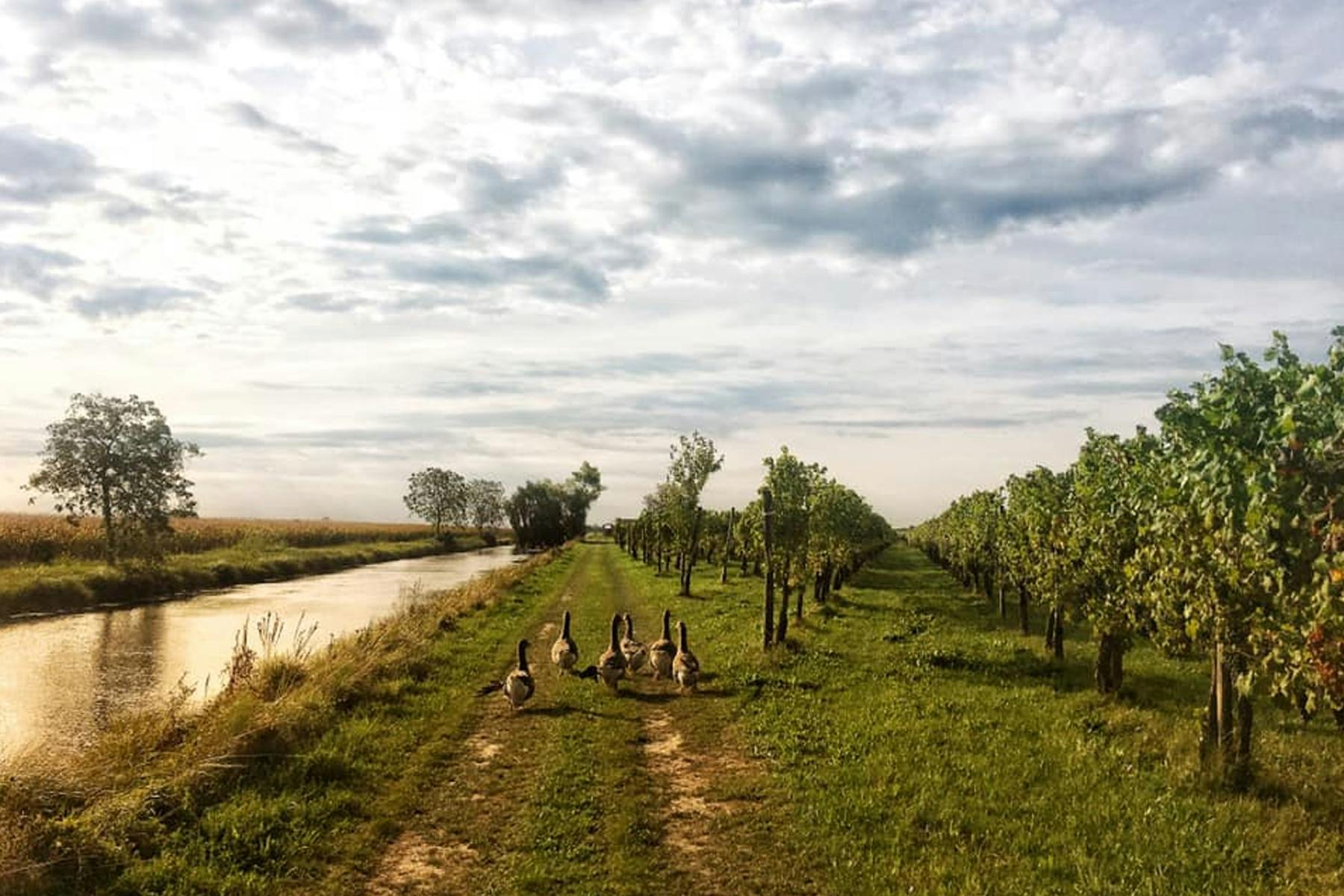
Friuli Venezia Giulia

An explosion of aromas and flavors that celebrate the unique territory of the region in the glass.
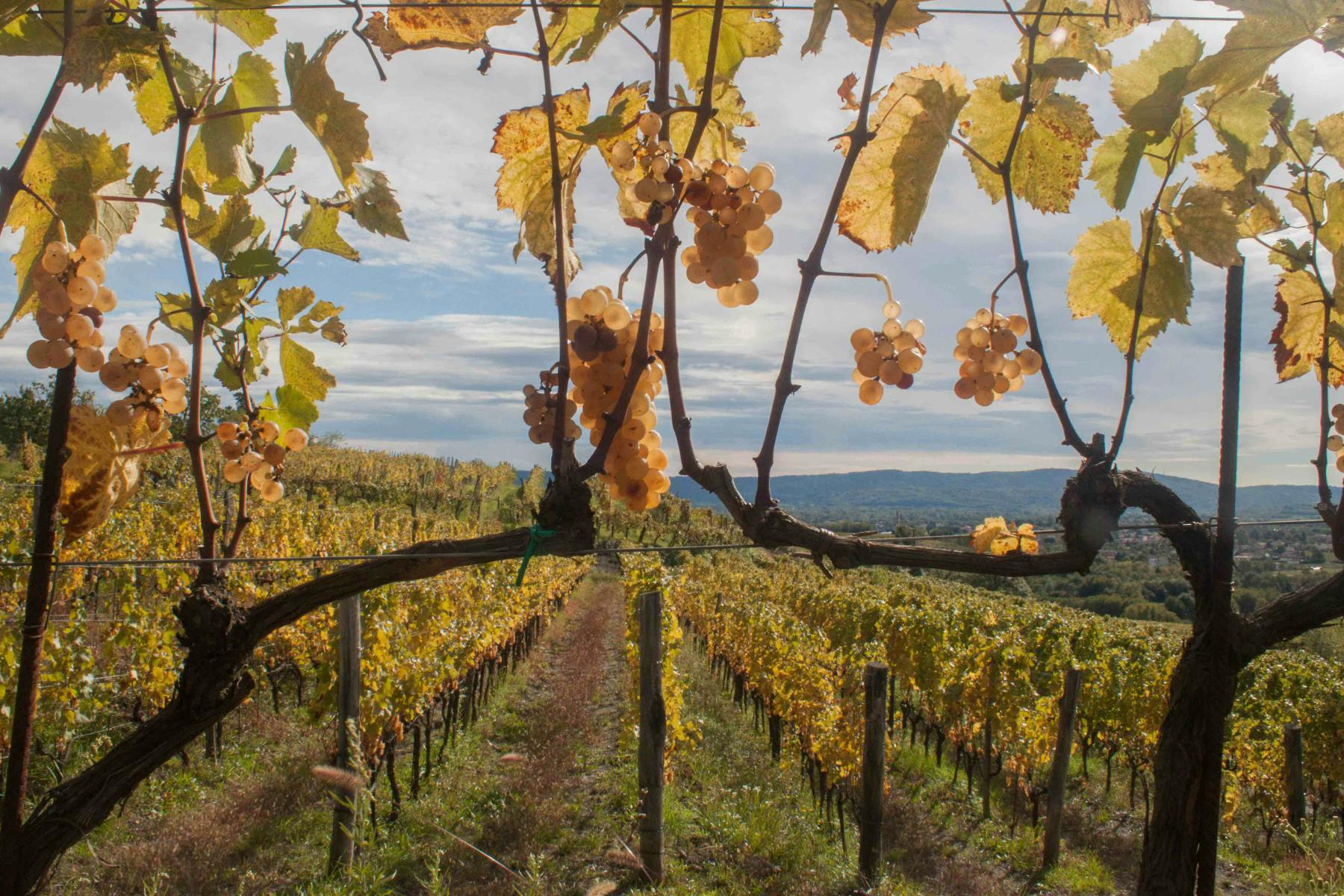
Friuli Venezia Giulia

An explosion of aromas and flavors that celebrate the unique territory of the region in the glass.
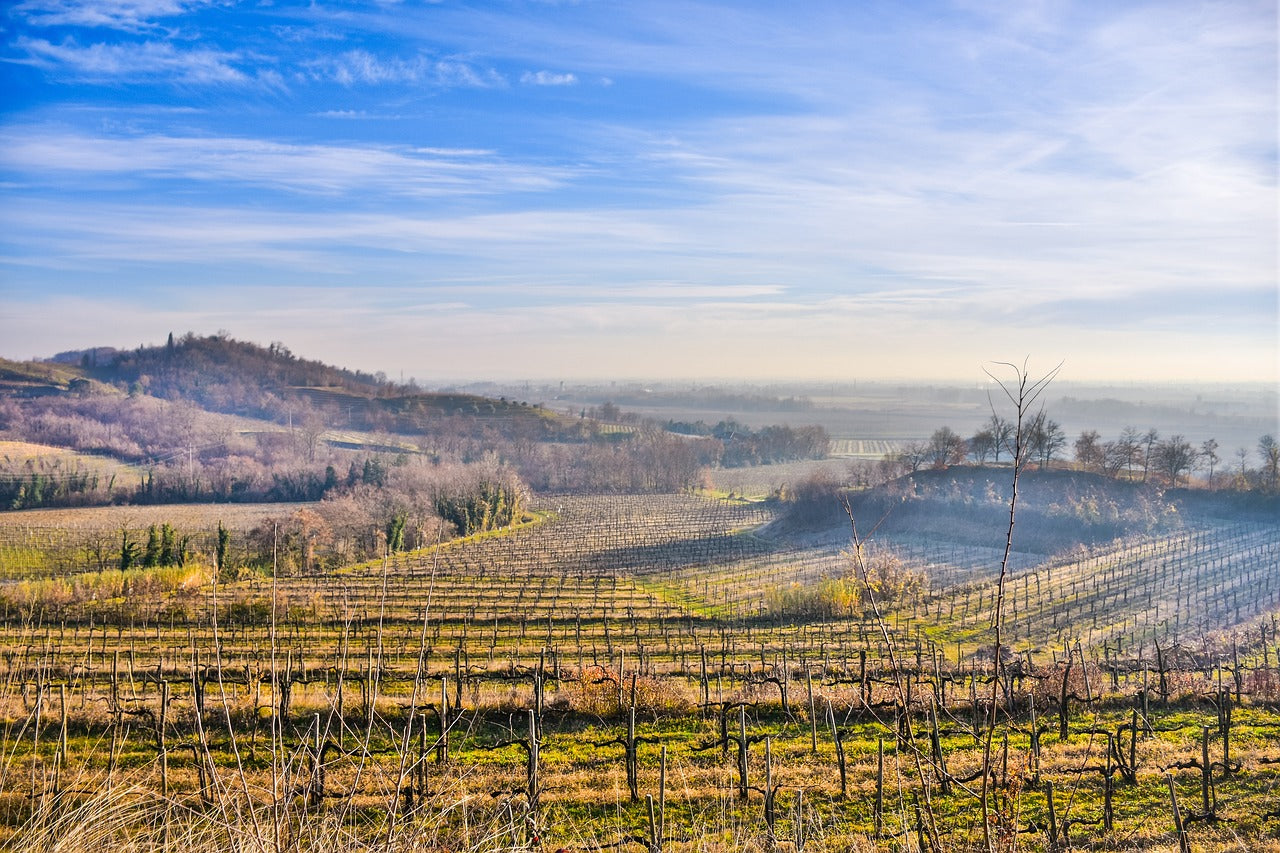
Friuli Venezia Giulia

Friuli-Venezia Giulia has always been the land of great whites and has achieved extraordinary fame for what some call the "superwhites."

Recently, Friuli Venezia Giulia was the battleground for a community-level dispute with Hungary regarding the right to continue calling the wine produced with the Tocai Friulano grape "Tocai," causing confusion with the well-known Hungarian sweet wine Tokaji. Italy lost the case in 2007, and since 2011 wines produced with Tocai Friulano are respectively called "Friulano" in Friuli Venezia Giulia and "Tai" in Veneto.

The region is divided into a mountainous area to the north, hilly terrain in the pre-Alpine arc, an alluvial plain, and a coastal area.
The northern part of the plain is suitable for the cultivation of white grape varieties, while the southern part is more favorable for black grape varieties.
To the east, in the area bordering Slovenia, the plain extends to the foothills of the Karst: here viticulture is challenging due to the limestone rocks eroded by water, and often it is only possible on terraces supported by retaining walls made of sandstone blocks called "pastini."

Colli Orientali

The DOC Friuli Colli Orientali extends over a territory that covers the central-eastern area of the Province of Udine, near the border with Slovenia. The soils of the Colli Orientali are composed of alternating layers of marl (limestone clays) and sandstone (calcified sands), called "ponca" in Friulian.
The easy erodibility of the predominantly marly soils has led to a gentle terrain, with elevations below 200 meters above sea level. Everywhere there are terraces. Here, the "Superwhites" are born, a definition that suits well a denomination that includes 12 types of white wines and the "dolce", to which 11 reds are added.

The controlled denomination of Friuli Colli Orientali boasts five subzones called respectively: Cialla, Pignolo di Rosazzo, Ribolla Gialla di Rosazzo, Schioppettino di Prepotto, and Refosco di Faedis.

The magic of the Friuli Colli Orientali DOC is reflected in its ponca soils, where superb white wines and enchanting reds are born.

Recommended pairings and dishes

Matching by concordance

By analogy, the wine finds harmony with dishes that share its aromatic freshness and floral delicacy. Preparations with fine herbs, citrus, crisp vegetal notes, or light toasting echo and enhance sensations of acacia, green apple, and almond. The analogy is built on linearity and balance: medium-structured dishes, not overloaded, capable of engaging with the wine’s finesse without overpowering it.

Matching by contrast

The acidity and savoriness of Pinot Grigio act in contrast to the slight sweetness of shellfish, white meats, and leavened doughs, rebalancing the taste perception and cleansing the palate. Its freshness also effectively counteracts light richness, such as that of mozzarella or a preparation with a generous amount of extra virgin olive oil, while the dry finish compensates for any soft sensations of the dish.

It pairs well with

Seafood preparations such as grilled fish, shellfish, and first courses with fresh tomato and seafood sauces; delicate white meats, fresh cheeses, and rice or pasta dishes with a pronounced vegetable component. Its versatility also makes it suitable for a structured aperitif and high-quality pizza.

Matching by concordance

By analogy, the wine finds harmony with dishes that share its aromatic freshness and floral delicacy. Preparations with fine herbs, citrus, crisp vegetal notes, or light toasting echo and enhance sensations of acacia, green apple, and almond. The analogy is built on linearity and balance: medium-structured dishes, not overloaded, capable of engaging with the wine’s finesse without overpowering it.

Matching by contrast

The acidity and savoriness of Pinot Grigio act in contrast to the slight sweetness of shellfish, white meats, and leavened doughs, rebalancing the taste perception and cleansing the palate. Its freshness also effectively counteracts light richness, such as that of mozzarella or a preparation with a generous amount of extra virgin olive oil, while the dry finish compensates for any soft sensations of the dish.

It pairs well with

Seafood preparations such as grilled fish, shellfish, and first courses with fresh tomato and seafood sauces; delicate white meats, fresh cheeses, and rice or pasta dishes with a pronounced vegetable component. Its versatility also makes it suitable for a structured aperitif and high-quality pizza.

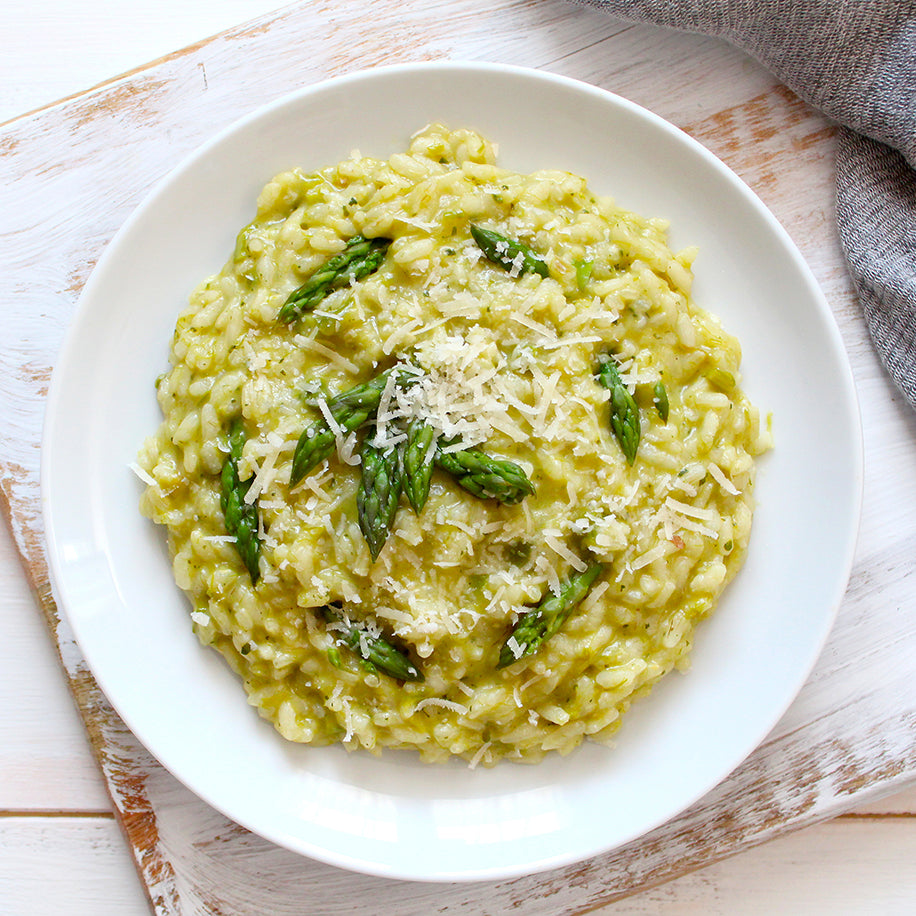
Rise with asparagus

Asparagus, with their herbaceous and slightly bitter taste, pair perfectly with rice, resulting in a dish that is soft, creamy, rich in flavors, and aromas. It's a light first course with great aromatic intensity.

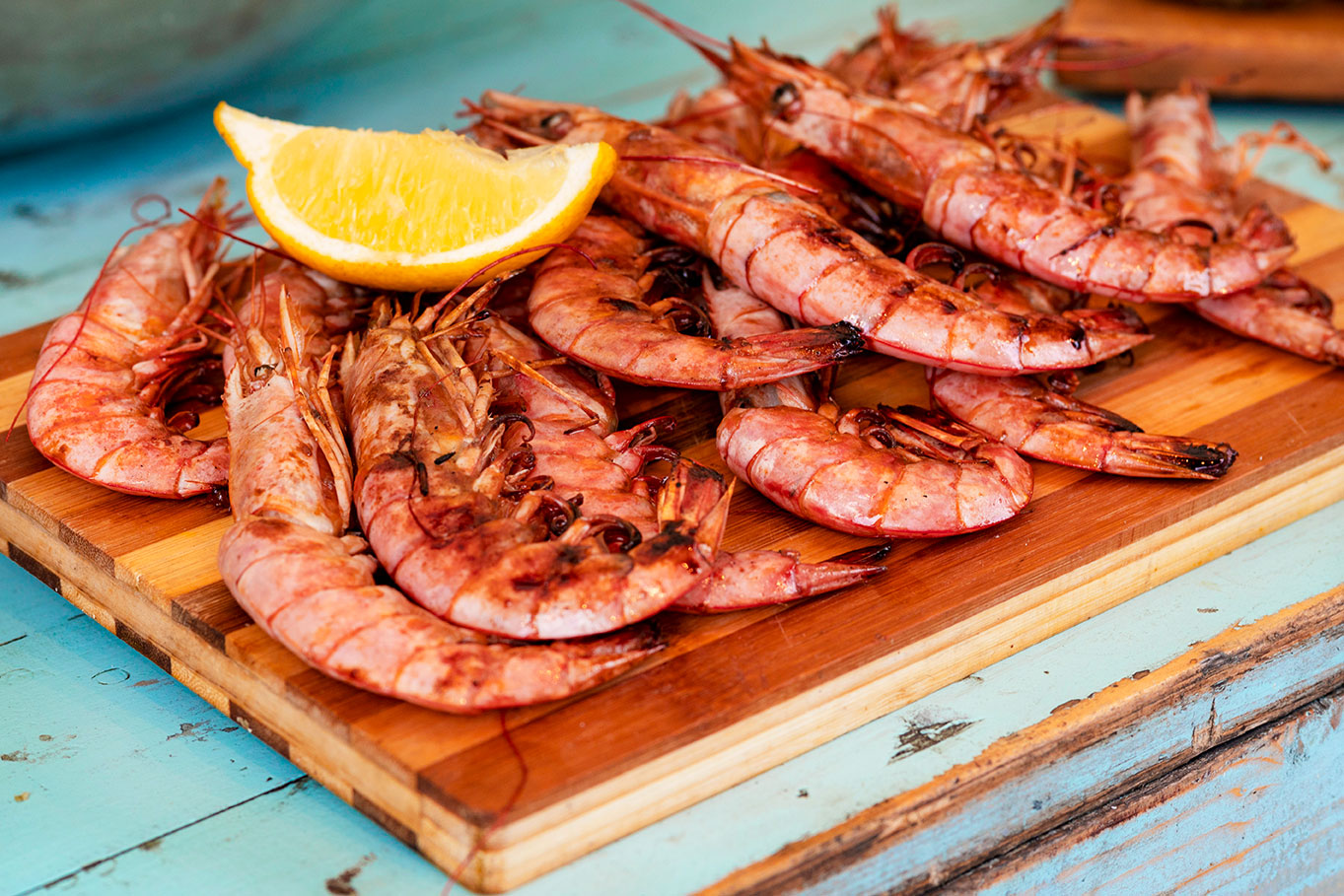
Gamberoni alla griglia

Un secondo piatto a base di pesce, raffinato, facile e veloce da preparare. Il sapore delicato e al tempo stesso i profumi intensi e decisi dei gamberi sono perfetti per pranzi estivi ma non solo. La ricetta si può arricchire con peperoncino, limone, aglio e trito di erbe in base ai gusti.

Pinot Grigio d'Orsaria | Cecchini Marco , did you like it?

Tell us about it by clicking here

Pinot Grigio d'Orsaria | Cecchini Marco , did you like it?

Tell us about it by clicking here