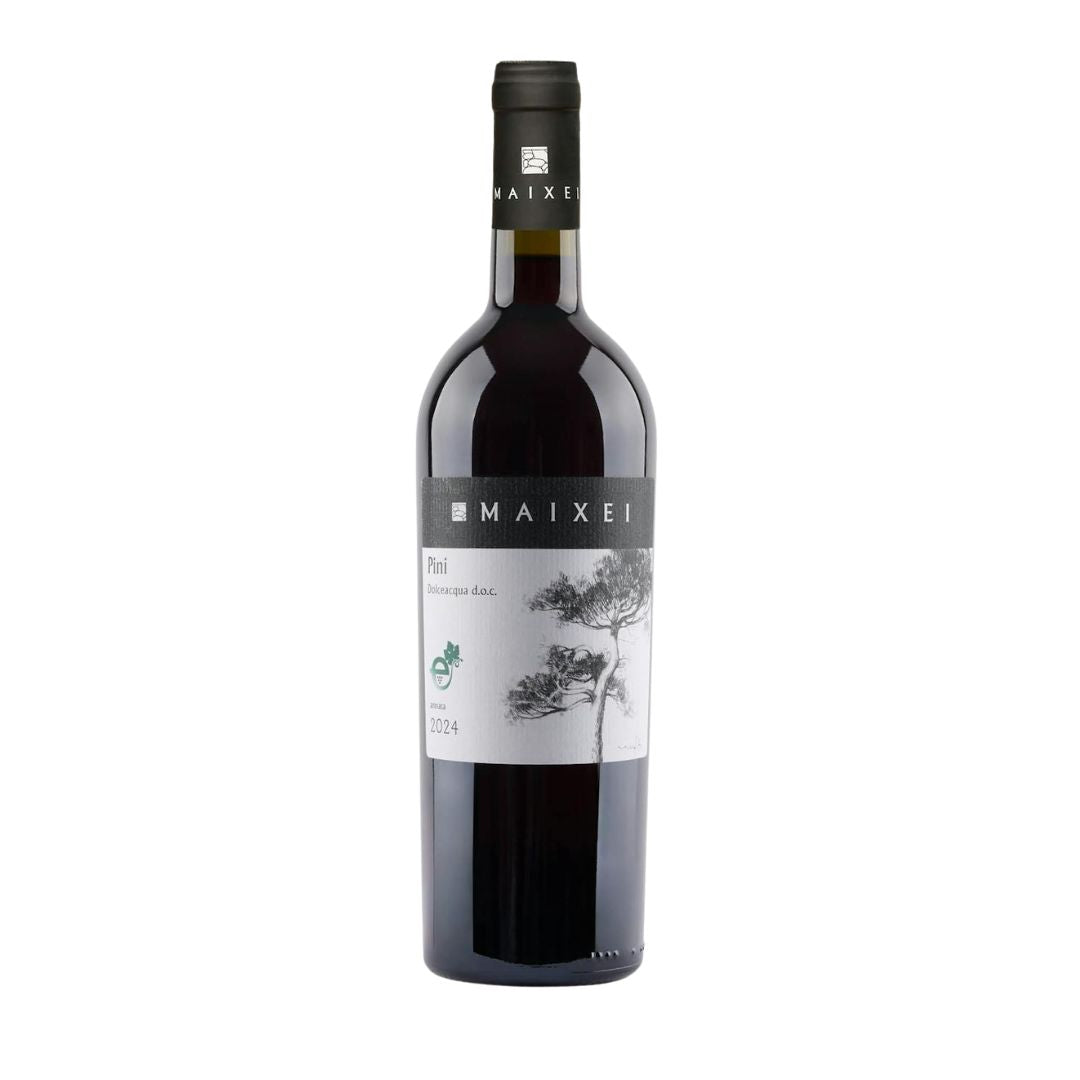
Pini Dolceacqua | Maixei

Sale price€21,00

Red
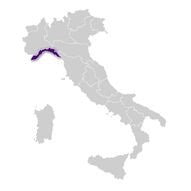
Liguria (IT)
Rossese di Dolceacqua DOC
Rossese 100%
Enjoy it within 4 years
13,5% ABV

Download as PDF

Production and refinement

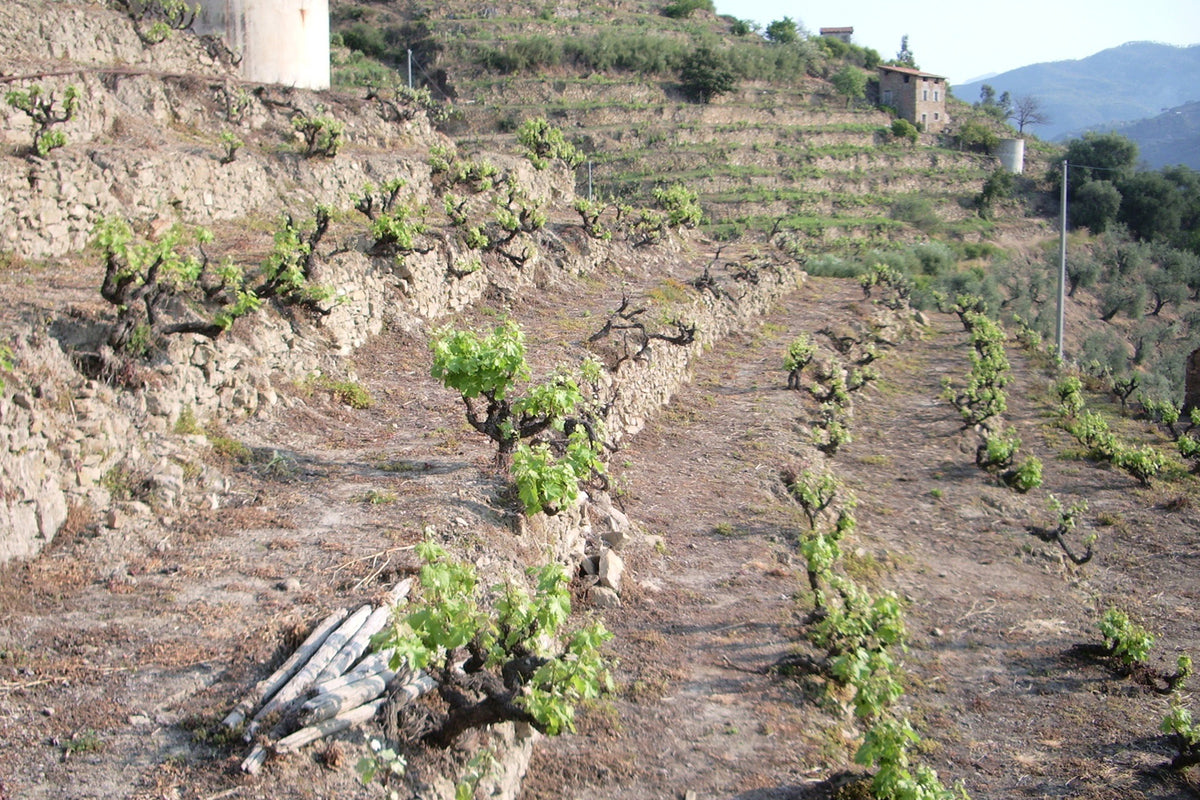
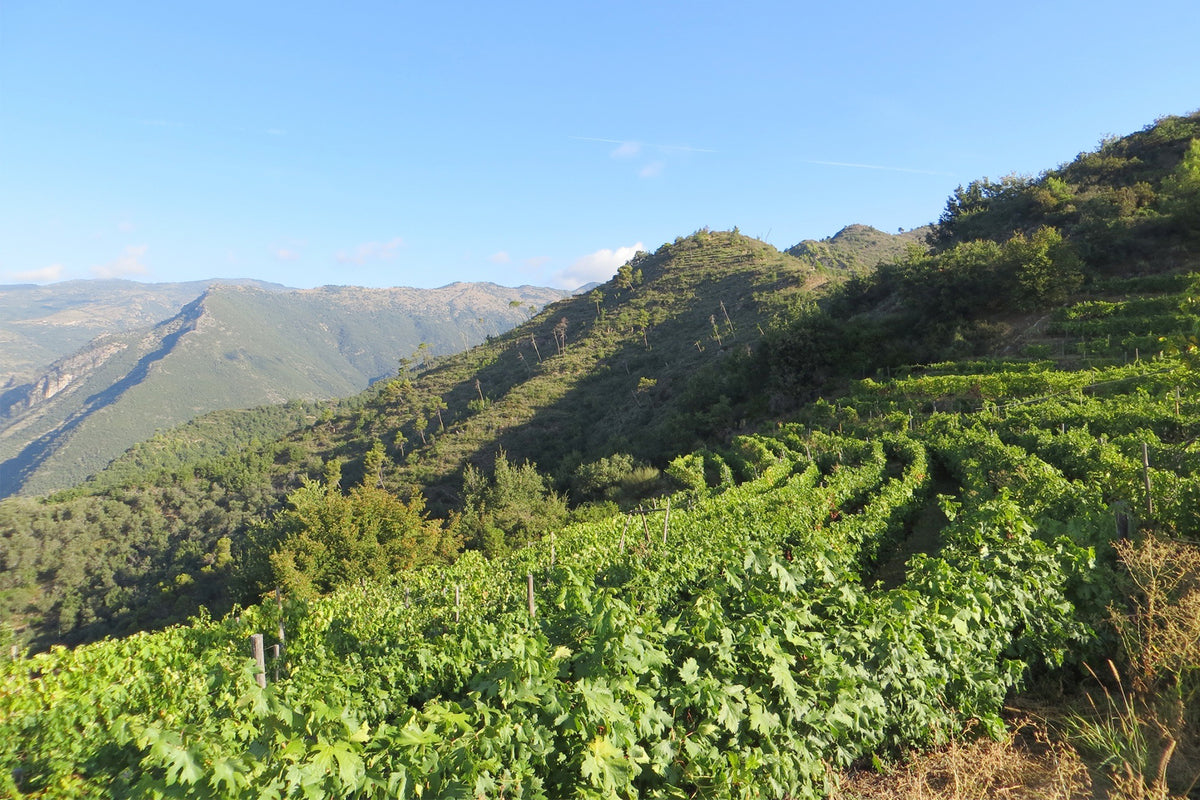
From the eponymous vineyard located in the municipality of Soldano (Pini), in Val Verbone, one of the steepest vineyard sites in the Dolceacqua area. Rossese is trained using the traditional bush-vine system, with one spur per branch. All vineyard operations are carried out by hand due to the steepness of the terrain, with post-veraison thinning of approximately 25–30%.

The soils are predominantly clay-sandy, rich in coarse fragments, with low limestone content and a pH ranging from sub-alkaline to acidic. Yields are approximately 75 quintals per hectare. Harvesting is carried out by hand, and the grapes are brought to the winery immediately after picking.

The vineyard takes its name from the maritime pine grove that once characterized the site before the vines were planted.

The grapes are carefully selected and gently crushed. Fermentation takes place at a controlled temperature of around 30°C in stainless steel and wooden vats, using selected yeasts. Maceration lasts approximately 6–8 days, longer than for the classic version of Rossese, with the aim of achieving greater colour and structural extraction. During fermentation, pump-overs and délestage are carried out, accompanied by chemical and sensory monitoring.

The wine then undergoes malolactic fermentation and is aged for a period in 25-hectolitre barrels. It is bottled only once it has reached an appropriate level of development and balance.

Organoleptic analysis

Visual exam

Ruby red, gradually evolving towards garnet hues with ageing.

Olfactory examination

The aromatic profile is characterized by wild strawberry, dried rose and violet, accompanied by notes of green pepper and a subtle blood-like nuance. Ageing gradually introduces hints of liquorice and aromatic herbs, together with a delicate oaky character imparted by the grape variety.

Tasting

The palate is soft, savoury, slightly warm and velvety, supported by good freshness and a pleasant bitter note on the finish. The structure is well balanced, with good gustatory tension and a gradual evolution towards more spicy, balsamic and liquorice sensations.

Contents index

From the vineyard to the table: discover our wine

Ready for a journey to discover Pini Dolceacqua | Maixei ? We will now take you to delve deeper into every aspect of this exceptional wine through three key sections:

Cellar

Come and learn about the history and values ​​of the winery which passionately grows and transforms grapes into wine

Territory

Immerse yourself in the land that gives life to these unique grapes, discovering the climate and terroir that influence its character

Pairings

Get expert advice on the perfect pairings that will enhance both the wine and your meal

The winery

Country: Italy

Region: Liguria

Hectares of vineyards: 10

Maixei

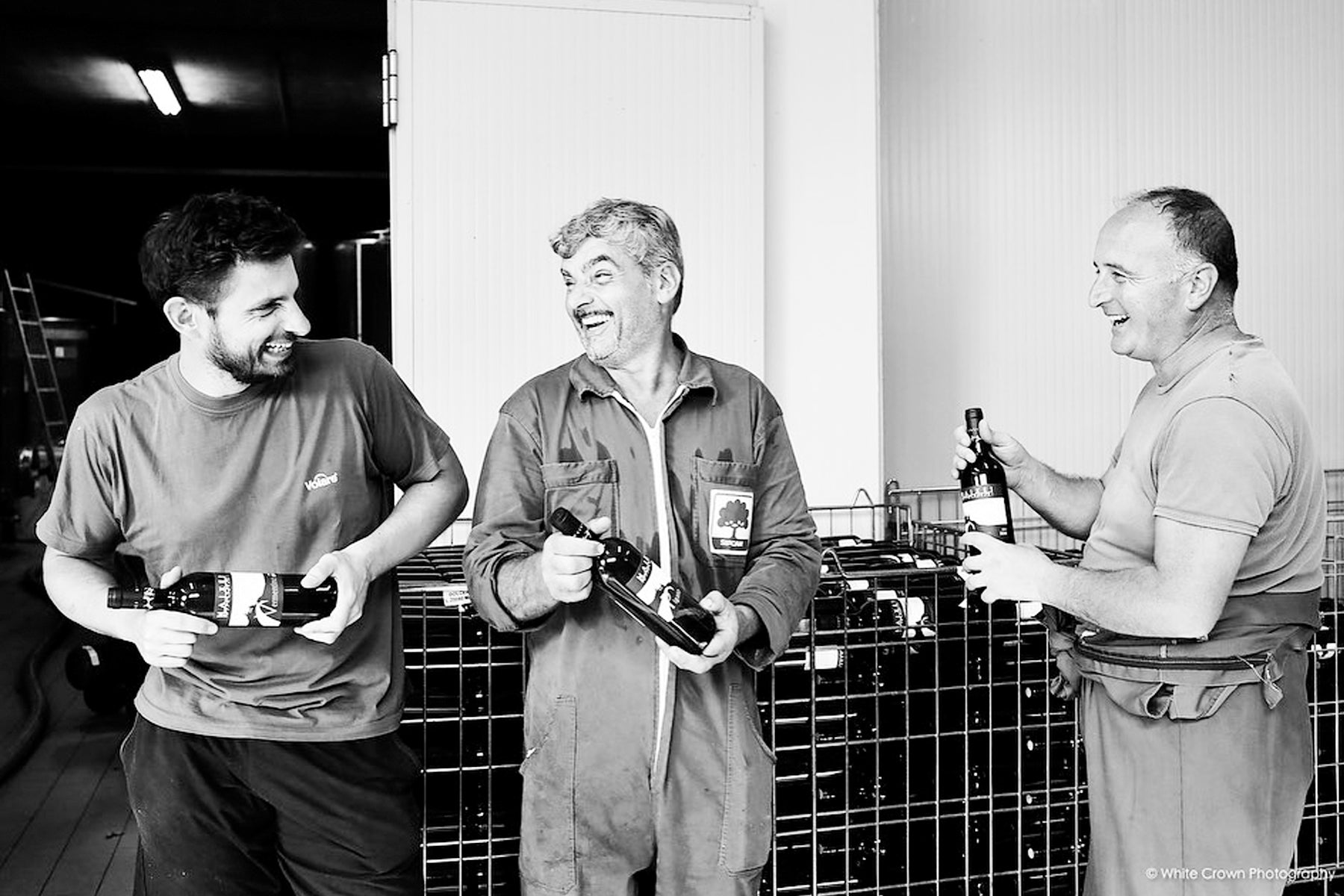
The history of Maixei dates back to 1978, when a group of small producers from western Liguria founded a cooperative to bring together and support winegrowers in a region characterized by very small plots and extremely demanding viticulture. The cooperative brought together producers from several municipalities in the Rossese di Dolceacqua area, including Dolceacqua, Soldano, Camporosso, Apricale, Isolabona, Perinaldo and Pigna.

Following the commercial difficulties faced by the sector in the 1980s, the cooperative also took on an important social role, creating a sales network to support small producers and helping to preserve the vineyards of a fragile territory. In 2007, the Maixei brand was established, its name deriving from the local dialect term used to refer to dry-stone walls, a characteristic feature of the Ligurian landscape. From that point onwards, the winery increasingly focused on quality, with the support of oenologists and greater attention to production standards.

Maixei

Today, Maixei has approximately 10 hectares of vineyards and plays an important role in promoting Rossese di Dolceacqua and the viticultural heritage of western Liguria.

This is truly extreme viticulture, given the particularly challenging growing conditions and the extensive reliance on manual labour.

Region and territory

A wine treasure often hidden outside the region, offering a great tasting experience
Liguria

A wine treasure often hidden outside the region, offering a great tasting experience
Liguria

A wine treasure often hidden outside the region, offering a great tasting experience
Liguria

Viticulture in Liguria has a long history dating back to ancient Rome. During the Middle Ages, the abundance of vineyards led to the creation of a thriving wine industry, especially along the coast. Over the centuries, viticulture has experienced ups and downs due to various diseases and climate changes. However, thanks to the passion and dedication of local winemakers, Ligurian winemaking has managed to survive and establish itself as an economic resource for the region, attracting visitors from around the world for tastings and wine tours.

The Ligurian climate favors viticulture due to its strategic geographic position between the sea and the mountains. The temperate Mediterranean climate allows the vines to grow slowly, developing complex and distinctive aromas and flavors that are then found in the wines. However, in this area, farmers often face sudden rains and periods of intense drought.

Another challenge for Ligurian winemakers is the orographic conformation, which has required the development of agricultural techniques such as terraced cultivation and manual grape harvesting. In the Ligurian hills, the soils differ depending on the area. Coastal soils are mainly composed of marine sediments and sand, giving the wines a note of freshness and salinity. Inland soils, on the other hand, are more clayey and calcareous, giving rise to fuller-bodied and structured wines.

Ligurian wines are a hidden treasure, appreciated for their uniqueness and quality, the result of the variety of soils, microclimates, and grape varieties used. Ligurian winemakers mainly produce fresh and aromatic white wines, but there are also full-bodied and intense red wines.

Liguria di Ponente

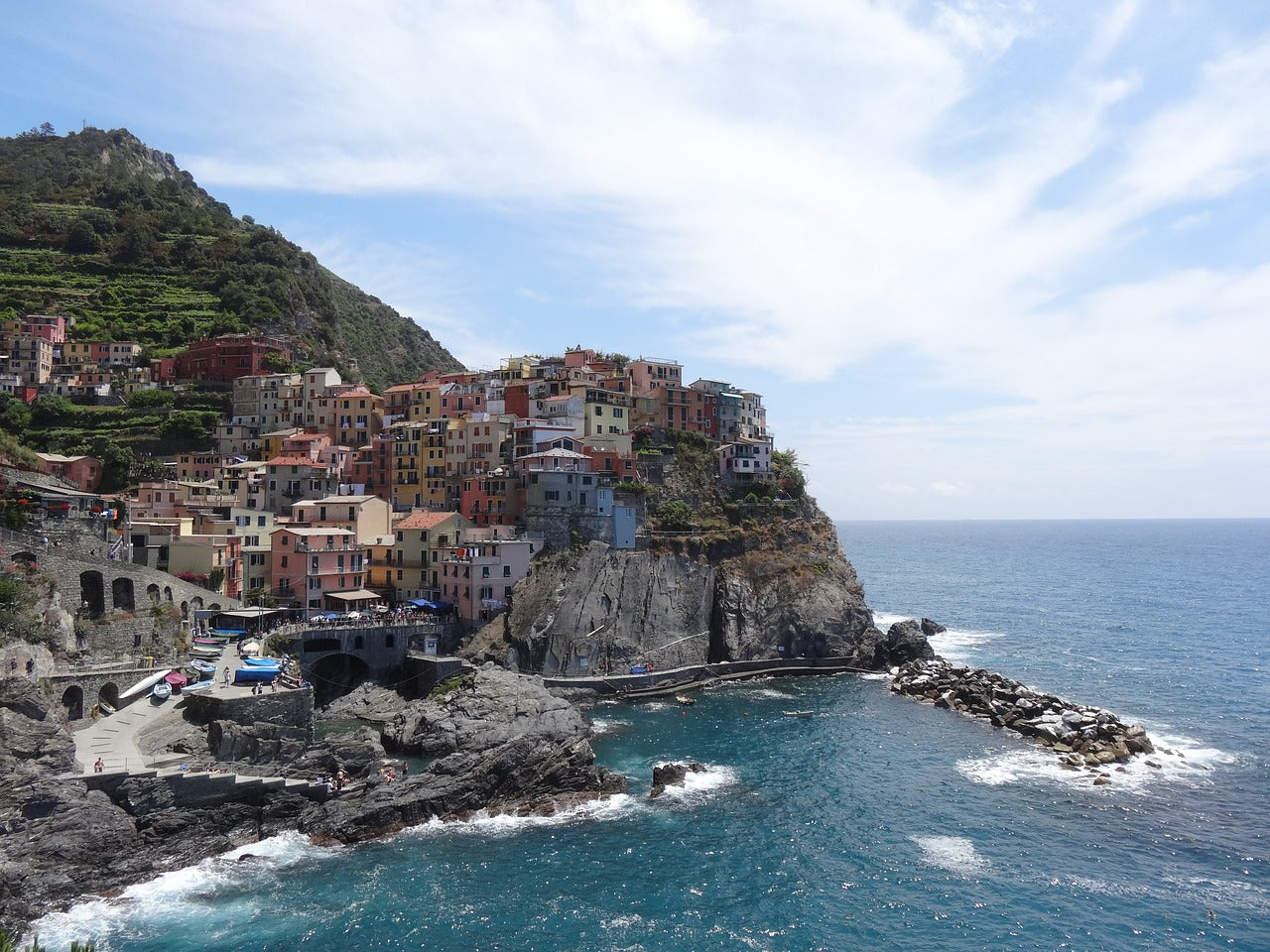
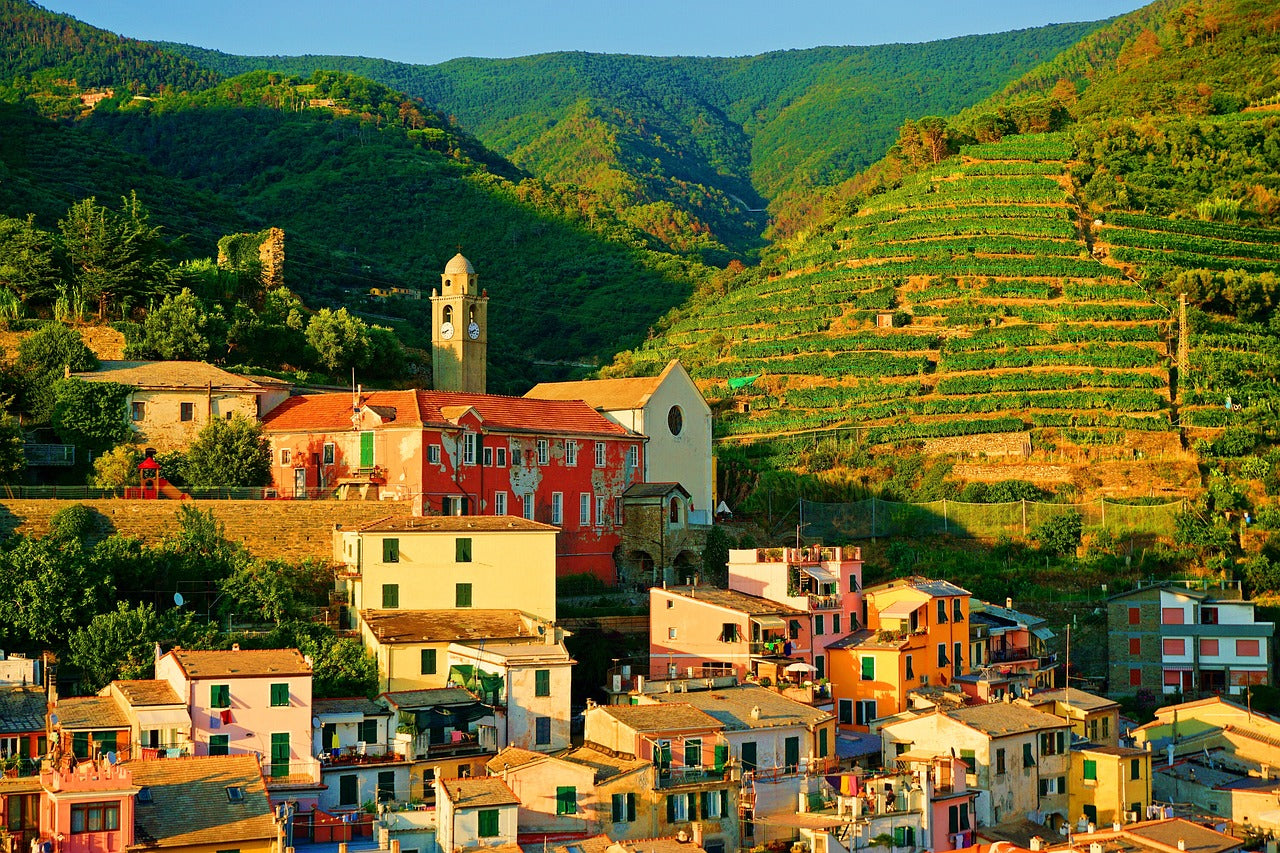
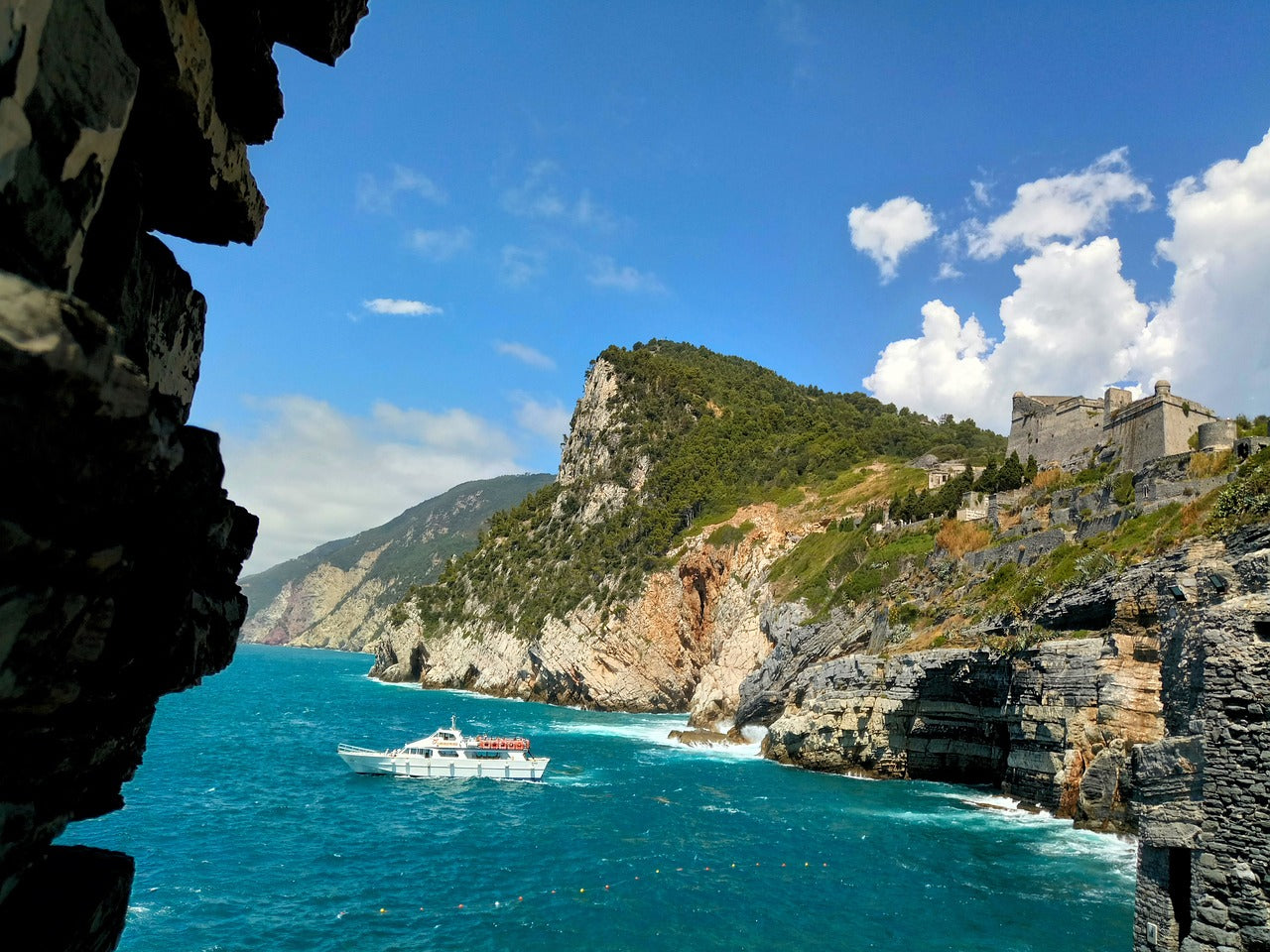
Western Liguria is a hilly coastal area overlooking the Mediterranean and protected to the north by the final foothills of the Alps. The landscape is characterized by narrow valleys, steep slopes and predominantly hillside viticulture, often carried out on steep, terraced slopes where the terrain makes vineyard work particularly demanding.

The Mediterranean climate, moderated by the proximity of the sea and protected by the surrounding hills, creates favourable conditions for vine cultivation. The soils are largely sandy and well drained, contributing freshness, savouriness and a pronounced sense of place to the wines. The presence of the sea and Mediterranean vegetation is also reflected in the aromatic profile, with wines characterized by fine yet intense, predominantly fruit-driven aromas, together with a distinctive savoury character and sometimes a slight bitter note.

Viticulture in western Liguria retains traditional training systems that have evolved over time to adapt to the slopes and the particular configuration of the landscape. Among the area’s most representative grape varieties are Pigato, Rossese and Granaccia, varieties that are deeply rooted in Liguria’s viticultural identity and particularly widespread in this area. White wines are generally fresh, dry and soft, while reds tend to show greater warmth and structure, while retaining good acidity and savouriness.

Heroic viticulture, terracing and the fragmentation of vineyard plots all contribute to the area’s strong sense of identity and help preserve a winemaking tradition closely connected to its environment.

Mediterranean climate and heroic viticulture

Recommended pairings and dishes

Matching by concordance

The notes of wild strawberry, dried rose, dried violet, aromatic herbs and liquorice find a natural harmony with Ligurian and Mediterranean cuisine, especially with dishes characterized by vegetal and wild aromas. The wine’s soft, velvety and slightly warm character also pairs well with aged cheeses, roast meats and game, thanks to the continuity of structure and aromatic intensity.

Matching by contrast

The freshness and savoury character of Rossese help counterbalance the succulence and richness of roast meats, game and structured dishes. Its tannic structure helps cleanse the palate of fatty richness, while its slightly bitter and balsamic character complements intensely flavoured dishes. It is also particularly well suited to traditional meat-based preparations such as “capra e fagioli”, where freshness and savouriness balance the structure of the dish.

It pairs well with

Aged cheeses, furred game, game birds, goat and beans, grilled meats, roasts, cured meats.

Matching by concordance

The notes of wild strawberry, dried rose, dried violet, aromatic herbs and liquorice find a natural harmony with Ligurian and Mediterranean cuisine, especially with dishes characterized by vegetal and wild aromas. The wine’s soft, velvety and slightly warm character also pairs well with aged cheeses, roast meats and game, thanks to the continuity of structure and aromatic intensity.

Matching by contrast

The freshness and savoury character of Rossese help counterbalance the succulence and richness of roast meats, game and structured dishes. Its tannic structure helps cleanse the palate of fatty richness, while its slightly bitter and balsamic character complements intensely flavoured dishes. It is also particularly well suited to traditional meat-based preparations such as “capra e fagioli”, where freshness and savouriness balance the structure of the dish.

It pairs well with

Aged cheeses, furred game, game birds, goat and beans, grilled meats, roasts, cured meats.

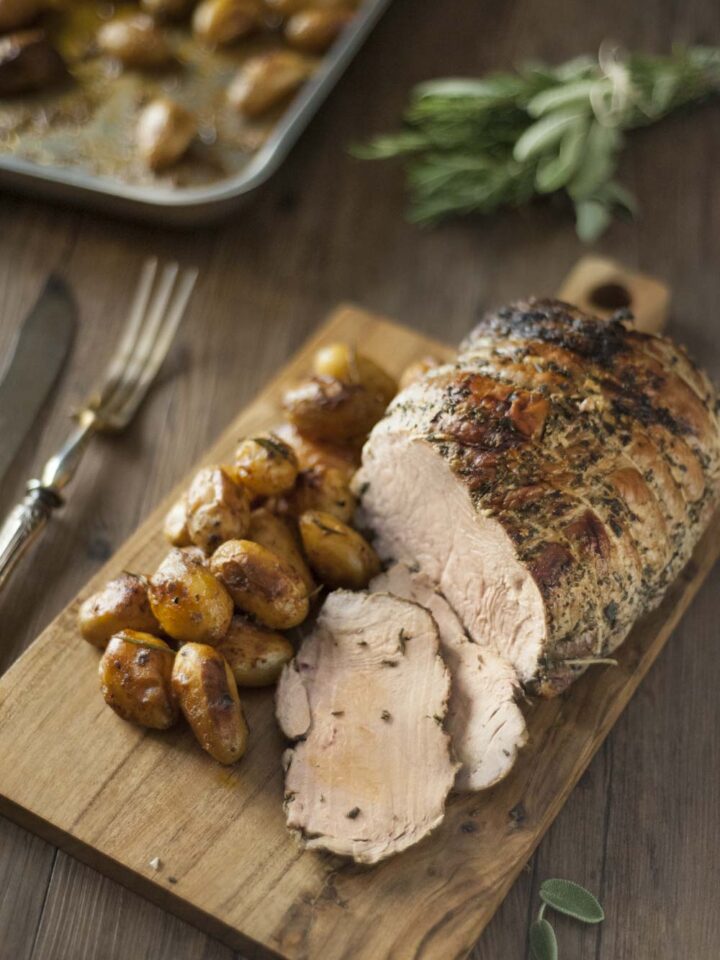
Roast in the Oven

A classic main course for festive occasions, simple and quite quick to prepare, tender and rich in flavor.

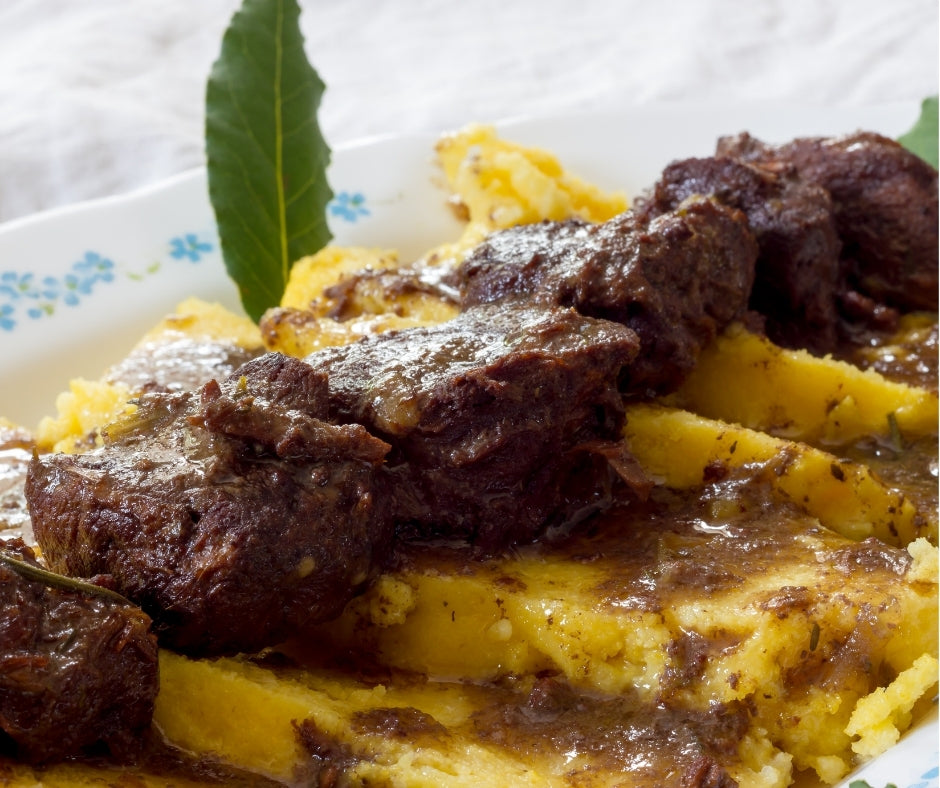
Wild boar stew with prunes

An exquisite main course, ideally cooked in the same wine you're tasting. Structured, rich in flavors and aromas, for unforgettable Sunday lunches.

Pini Dolceacqua | Maixei , did you like it?

Tell us about it by clicking here

Review

Pini Dolceacqua | Maixei , did you like it?

Tell us about it by clicking here

Review