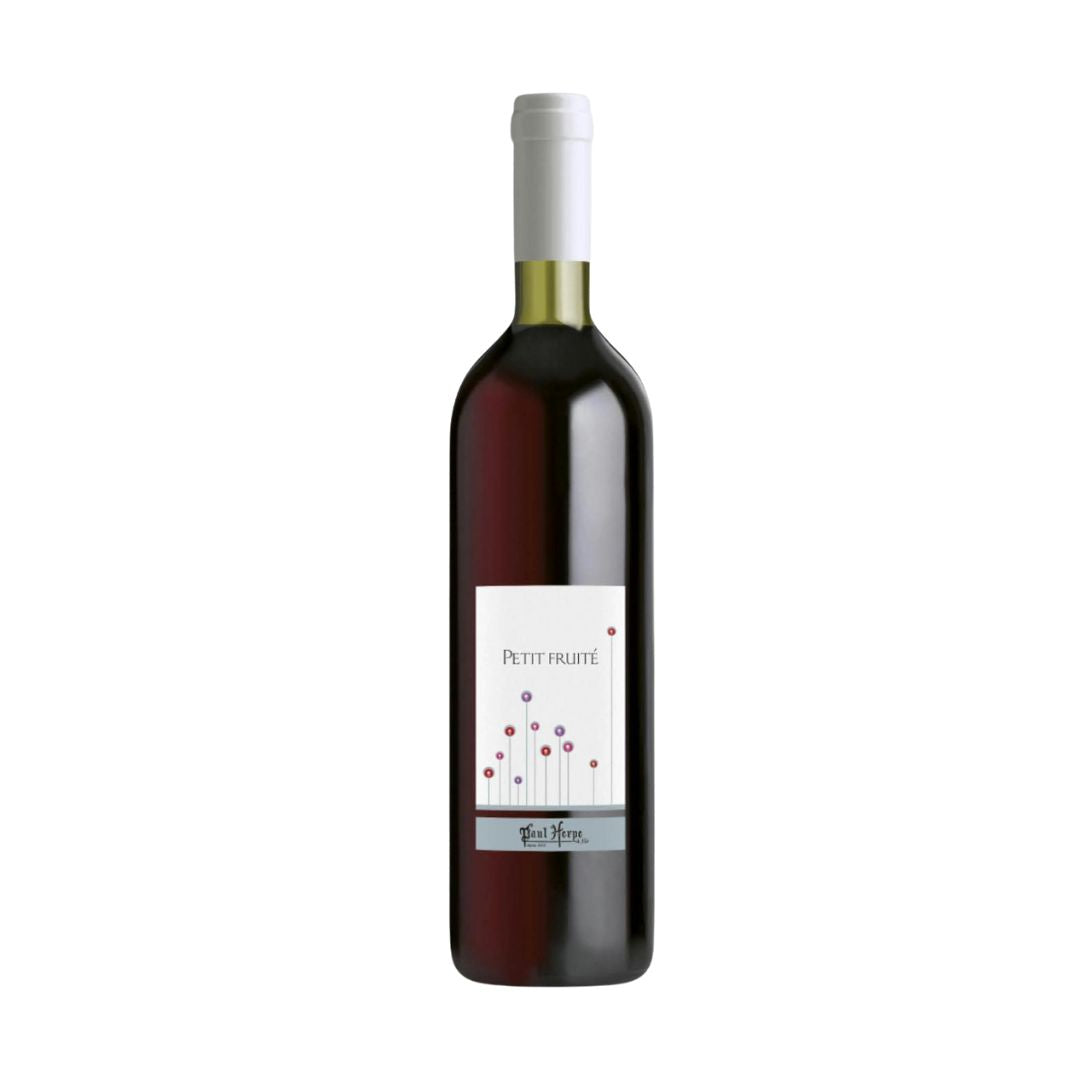
Petite Fruite | Herpe

Sale price€14,00

Red
Languedoc (FR)
Pays d’Oc IGP
Grenache Noir, Syrah
Enjoy it within 4 years
13% ABV

Download as PDF

Production and refinement

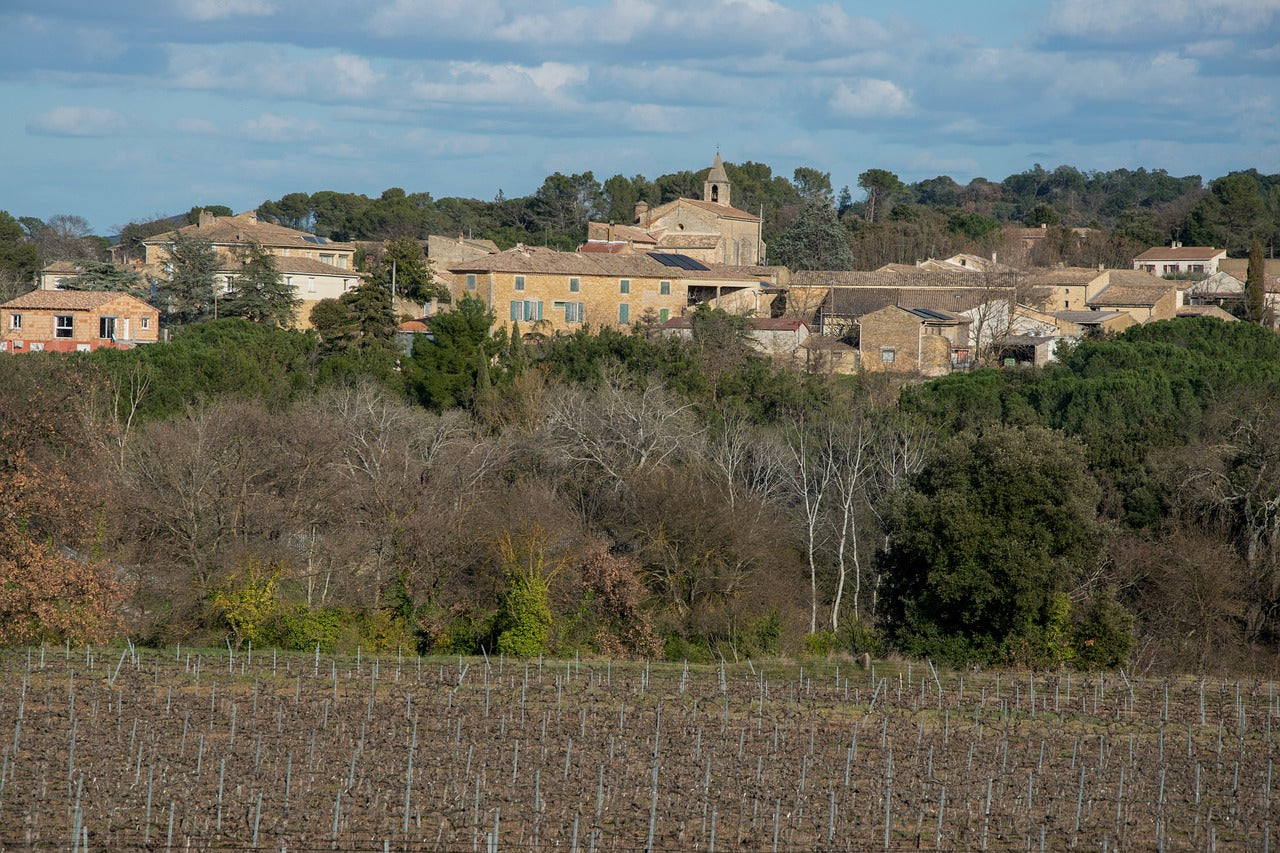
From a vineyard on stony hills located on the first slopes of the Corbières, where the exposures are ideal for vine cultivation, with good ventilation and strong sunlight. The poor, well-drained soils promote low yields, between 35 and 45 hl/ha, and a natural aromatic concentration. The vines have an average age of about 35 years, a factor that contributes to the depth of the fruit.

The grapes are harvested at full ripeness, around 13 potential degrees, and quickly transferred to the winery.

In the winery, fermentation of the grapes takes place in tanks and lasts 10–15 days, with gentle extraction. Pressing is soft, and the press juices are blended with the free-run musts to enhance structure and roundness. Aging takes place in inert containers, without wood, to preserve fruit purity and aromatic freshness.

Organoleptic analysis

Visual exam

To the eye it appears an intense ruby red with violet reflections, bright and youthful.

Olfactory examination

On the nose it is expressive and immediate, dominated by ripe red fruit such as strawberry, raspberry, and cherry, accompanied by light spicy notes and pleasant Mediterranean hints.

Tasting

On the palate it is broad and smooth, with a silky, well-integrated tannic texture. The fruit becomes riper, almost jam-like, without losing balance, and the finish is harmonious and pleasantly persistent.

Contents index

From the vineyard to the table: discover our wine

Ready for a journey to discover Petite Fruite | Herpe ? We will now take you to delve deeper into every aspect of this exceptional wine through three key sections:

Cellar

Come and learn about the history and values ​​of the winery which passionately grows and transforms grapes into wine

Territory

Immerse yourself in the land that gives life to these unique grapes, discovering the climate and terroir that influence its character

Pairings

Get expert advice on the perfect pairings that will enhance both the wine and your meal

The winery
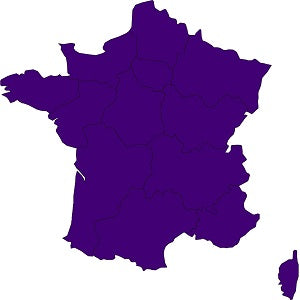
Country: France

Region: Languedoc-Roussillon

Hectares of vineyards: 30

Herpe

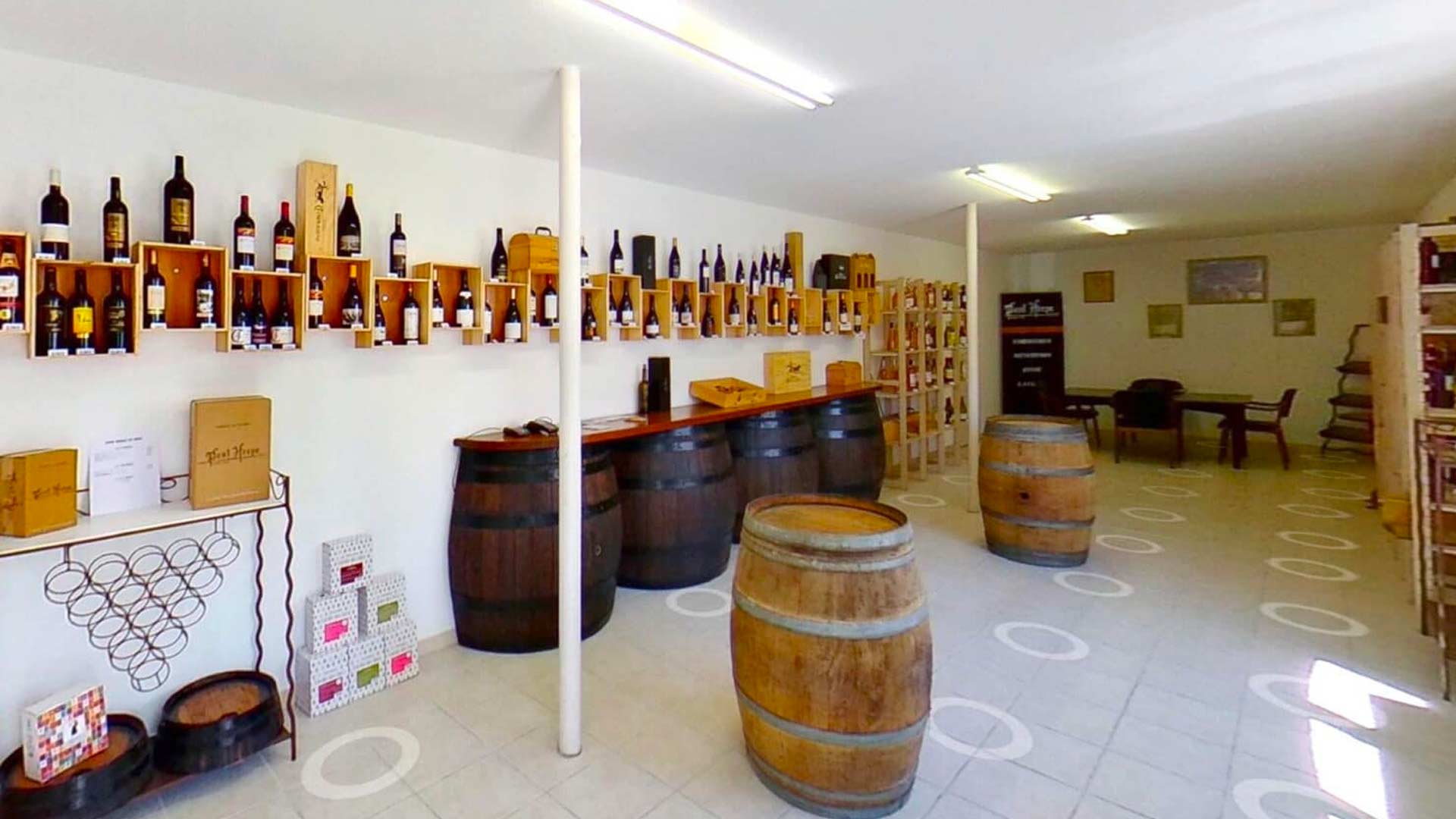
In Narbonne, in the Languedoc-Roussillon region, between the Rhône and the Pyrenees, lies Maison Paul Herpe et Fils. Founded in 1919, it is one of the most important and oldest wineries in Southern France, a region renowned for its wine production and relaxation.

Languedoc-Roussillon owes its fame to its characteristic and pleasant Mediterranean atmosphere, its diverse landscapes nestled between sea and mountains, just a stone's throw from Spain.

Herpe

The diversity of terrains and climates allows soils to develop unique characteristics particularly favorable to grape growing for the production of quality wines. In these areas, you can find whites, reds, rosés, and the famous Vin Doux Naturel, natural sweet wines such as AOC Banyuls.

In 90 years of winemaking activity, based on love for the land and respect for tradition, Paul Herpe et Fils winery boasts the experience of three generations, all dedicated to the pursuit of quality and territorial expression. The Maison has always integrated traditional practices with experimentation and modern methods, which have led in recent years to the production of excellent wines appreciated worldwide.

The company produces different types of wines from its two owned vineyards, Château Couderc and Le Clos des Oliviers, offering representative products such as AOC Minervois, Fitou, and Corbières, Blanquette de Limoux, and AOC Banyuls.

Region and territory

From white wines to reds, from the quantity of the past to the quality of the present and the future.
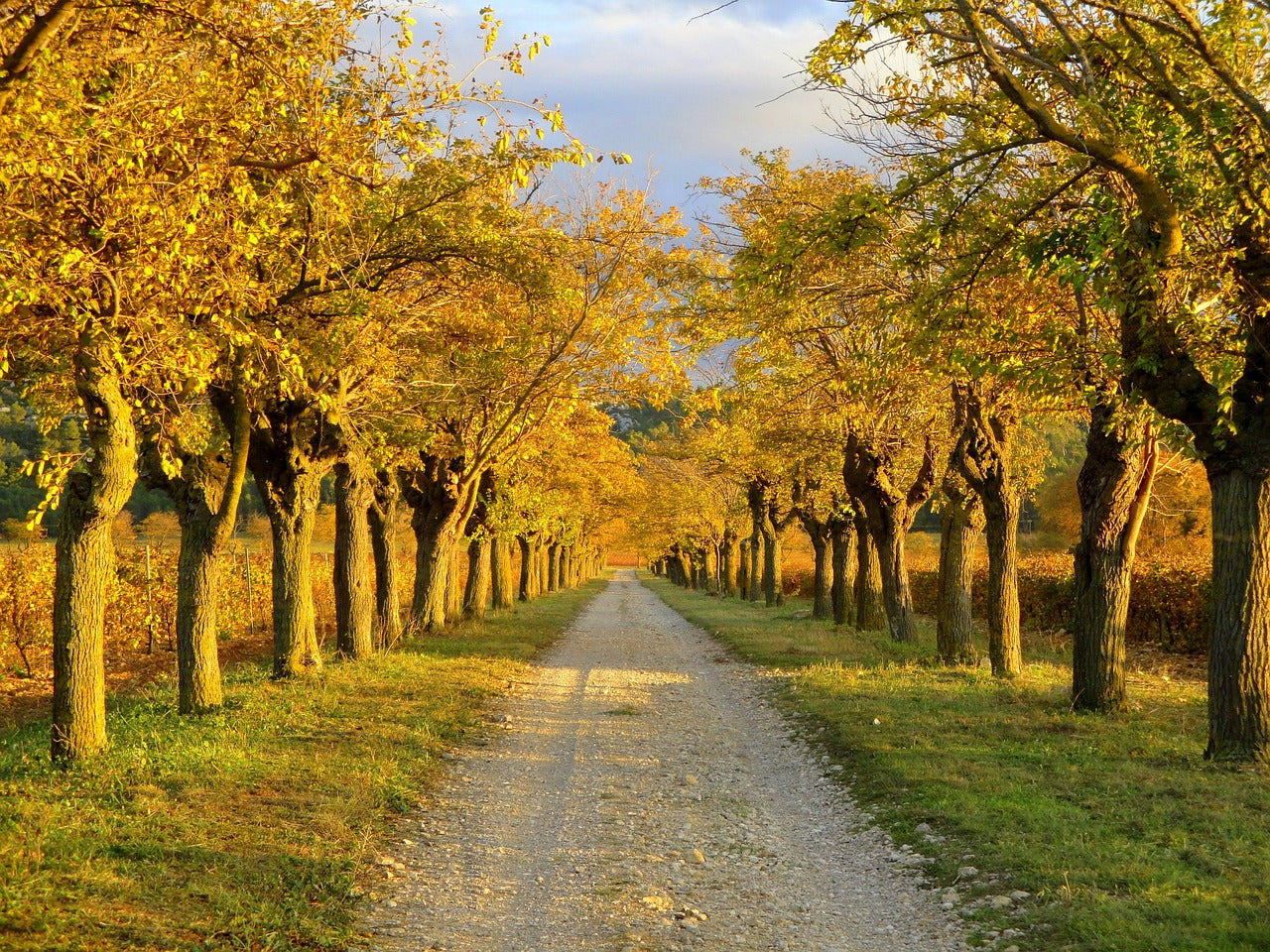
Languedoc-Roussillon

From white wines to reds, from the quantity of the past to the quality of the present and the future.
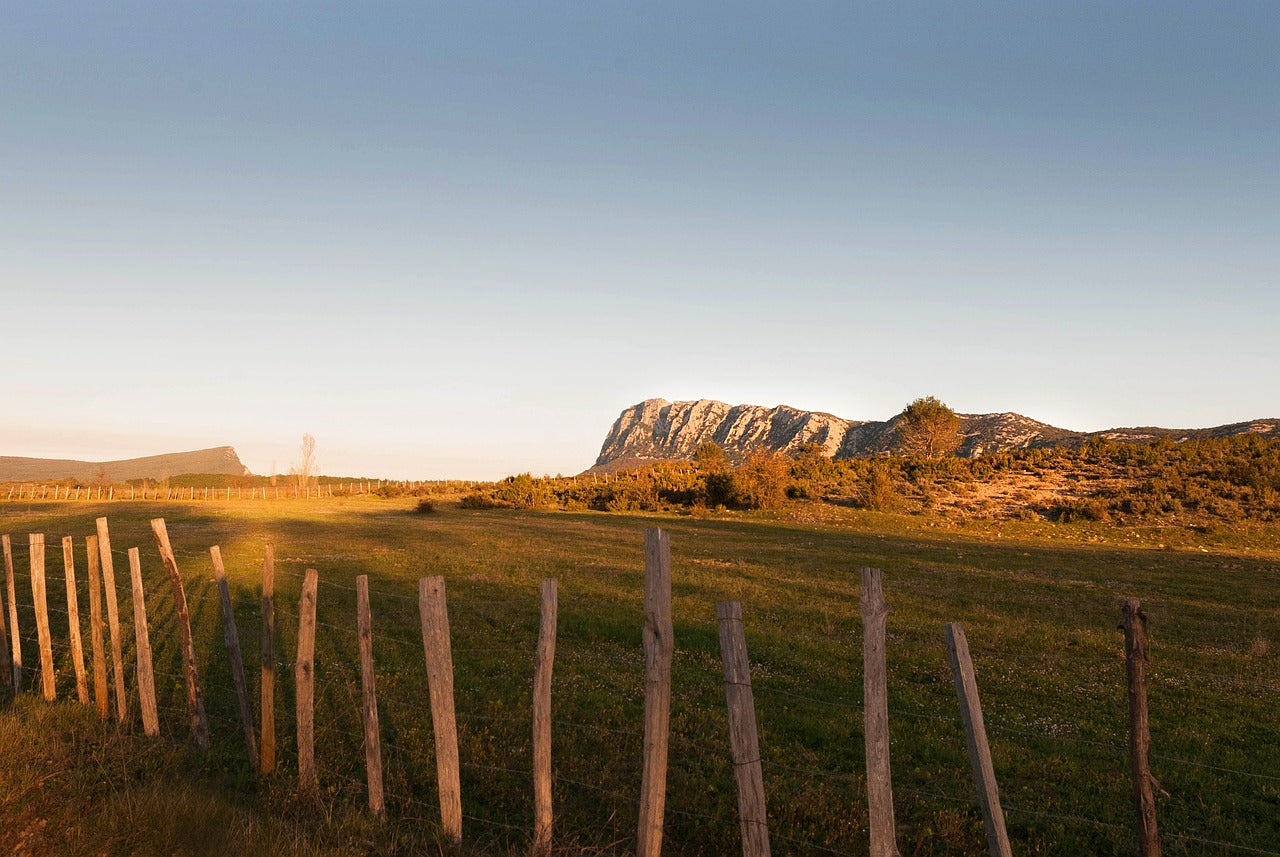
Languedoc-Roussillon

From white wines to reds, from the quantity of the past to the quality of the present and the future.
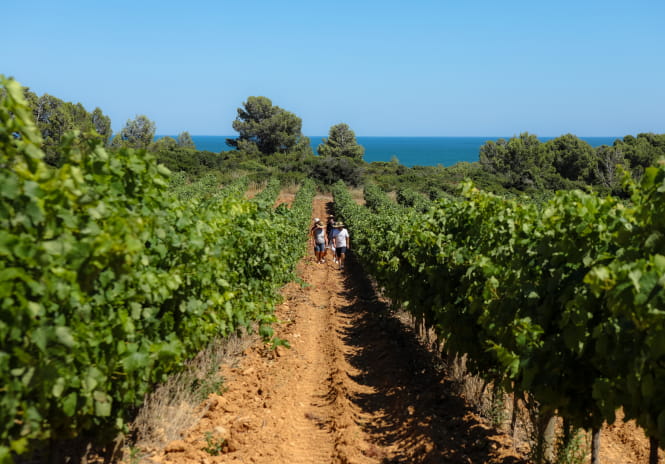
Languedoc-Roussillon

The Languedoc-Roussillon region is located in southern France and overlooks the Mediterranean Sea. It is one of the largest and most productive regions in all of France (accounting for over a third of the country's total wine production), with a production that in recent years has increasingly focused on quality.

The wine region, home to several AOCs (Appellation d’Origine Contrôlée), is divided into two distinct areas: Languedoc, further east, mostly flat, and Roussillon, further south near the Pyrenees.

The climate is Mediterranean and warm. In fact, on the southern coast of France, we find one of the most favorable microclimates for grape cultivation, although there are also some rather cool areas, such as the hills of Minervois and Limoux, where temperatures are lower due to slightly higher altitude.

The soils are mainly limestone, schist, and stony, forming the characteristic garrigues, a rocky landscape interspersed with lush Mediterranean scrubland. In these soils, Syrah and Carignan thrive and produce wines rich in structure, tannins, and salinity. In the plains, on the other hand, the soils are alluvial and fertile, mainly cultivating Grenache, Cinsault, and Muscat grapes, resulting in wines richer in alcohol.

The majority of the wine produced in the region belongs to the Vins de Pays category, but there are numerous oenological subzones, each producing wines with unique characteristics. Among these, the most productive are Corbières and Coteaux du Languedoc, where mainly red indigenous and international grape varieties are vinified.

Also interesting is the Limoux area, where excellent sparkling wines are produced: the Crémant and the Blanquette de Limoux with the traditional method, but also an excellent ancestral wine produced with the rural method.

The most characteristic wines of the region are the vins doux naturels, produced by fortifying the must through the addition of alcohol (a process called mutage).

Narbonne

The Narbonne area, recognized as the Coteaux de Narbonne appellation in January 1982, stands out for its unique location and high-quality winemaking tradition. The vineyard extends around the city of Narbonne, encompassing both coastal areas, such as the scenic vineyard of Narbonne Plage, and inland zones located in the communes of Cuxac-d'Aude, Ouveillan, Moussan, and Marcorignan.

The Mediterranean climate defines the character of this region: dry, hot summers, mild winters, and proximity to the sea, which provides constant ventilation and a unique terroir. The vineyards are spread across plains, garrigue areas—typical Mediterranean scrubland—and coastal zones where the vines overlook the sea, offering landscapes of rare beauty.

The cultivated grape varieties are traditional, perfectly expressing the potential of the terroir: Merlot, Grenache, and Syrah for red wines; Pinot Noir for elegant interpretations; and a wide range of whites, including Chardonnay, Chenin, Mauzac, Marsanne, Ugni Blanc, and Viognier, capable of producing fresh and aromatic wines.

The wines of Narbonne embody the essence of Mediterranean culture, deeply connected to the land, sea, and tradition, delivering authentic and unforgettable sensory experiences.

Constant ventilation and a distinctive terroir

Recommended pairings and dishes

Matching by concordance

It works perfectly by analogy with dishes that have a soft and juicy profile, such as grilled meats or lightly spiced preparations, which echo the sweetness of the fruit and the roundness of the sip.

Matching by contrast

By contrast, it pairs very well with dishes that have richness or a slight sweet tendency, such as pork roasts or lightly caramelized meats, where the wine’s freshness and delicate tannins help cleanse the palate and prepare it for the next bite.

It pairs well with

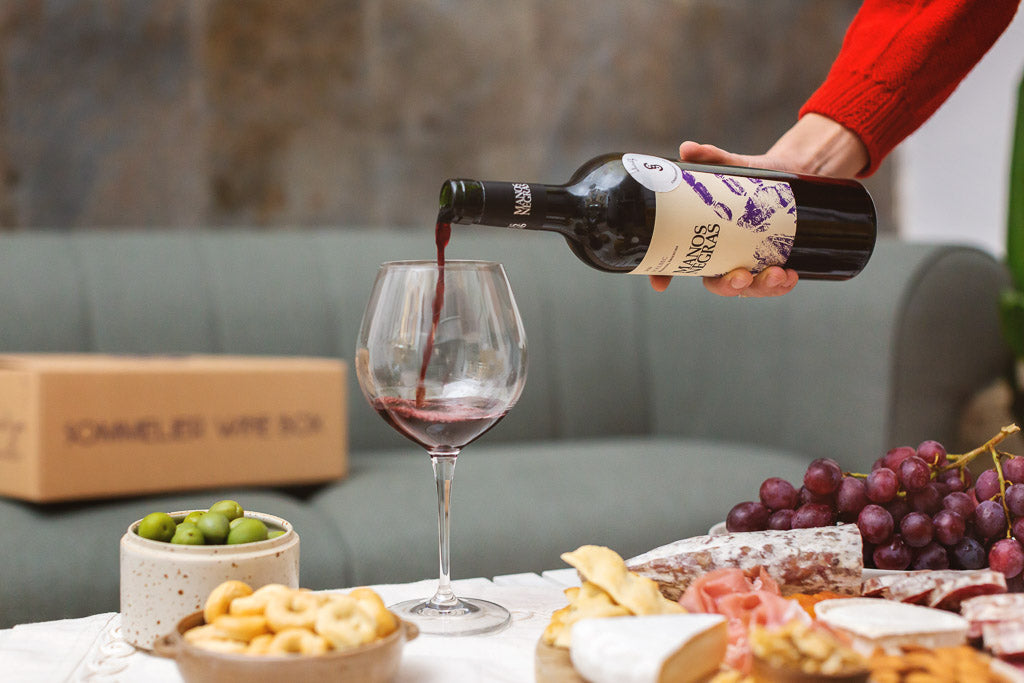
Flavorful meats including grilled or roasted dishes, sausages, skewers, tasty poultry, and casual cuisine. It is also well suited for aperitif time.

Matching by concordance

It works perfectly by analogy with dishes that have a soft and juicy profile, such as grilled meats or lightly spiced preparations, which echo the sweetness of the fruit and the roundness of the sip.

Matching by contrast

By contrast, it pairs very well with dishes that have richness or a slight sweet tendency, such as pork roasts or lightly caramelized meats, where the wine’s freshness and delicate tannins help cleanse the palate and prepare it for the next bite.

It pairs well with

Flavorful meats including grilled or roasted dishes, sausages, skewers, tasty poultry, and casual cuisine. It is also well suited for aperitif time.

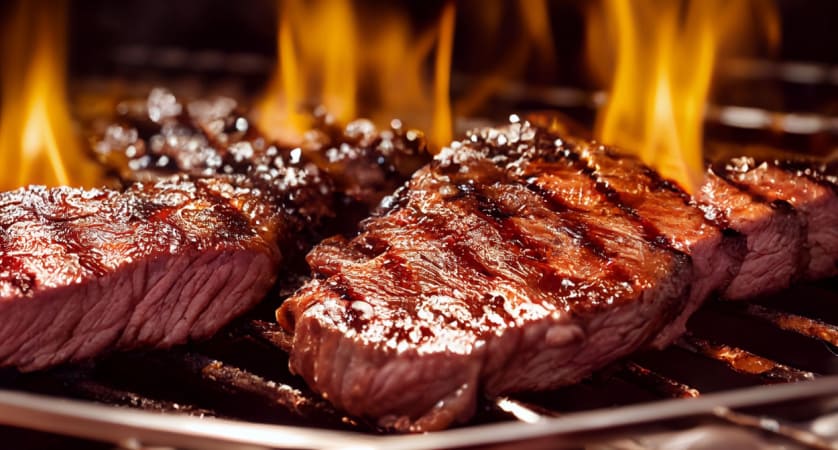
Grilled Meat

Skewers, pork, steaks, up to the noble Florentine steak... grilling enhances the flavor of the meat (properly marinated) and makes it pleasantly charred. Best enjoyed in company for truly convivial barbecues, always being careful not to place the meat directly over the flame.

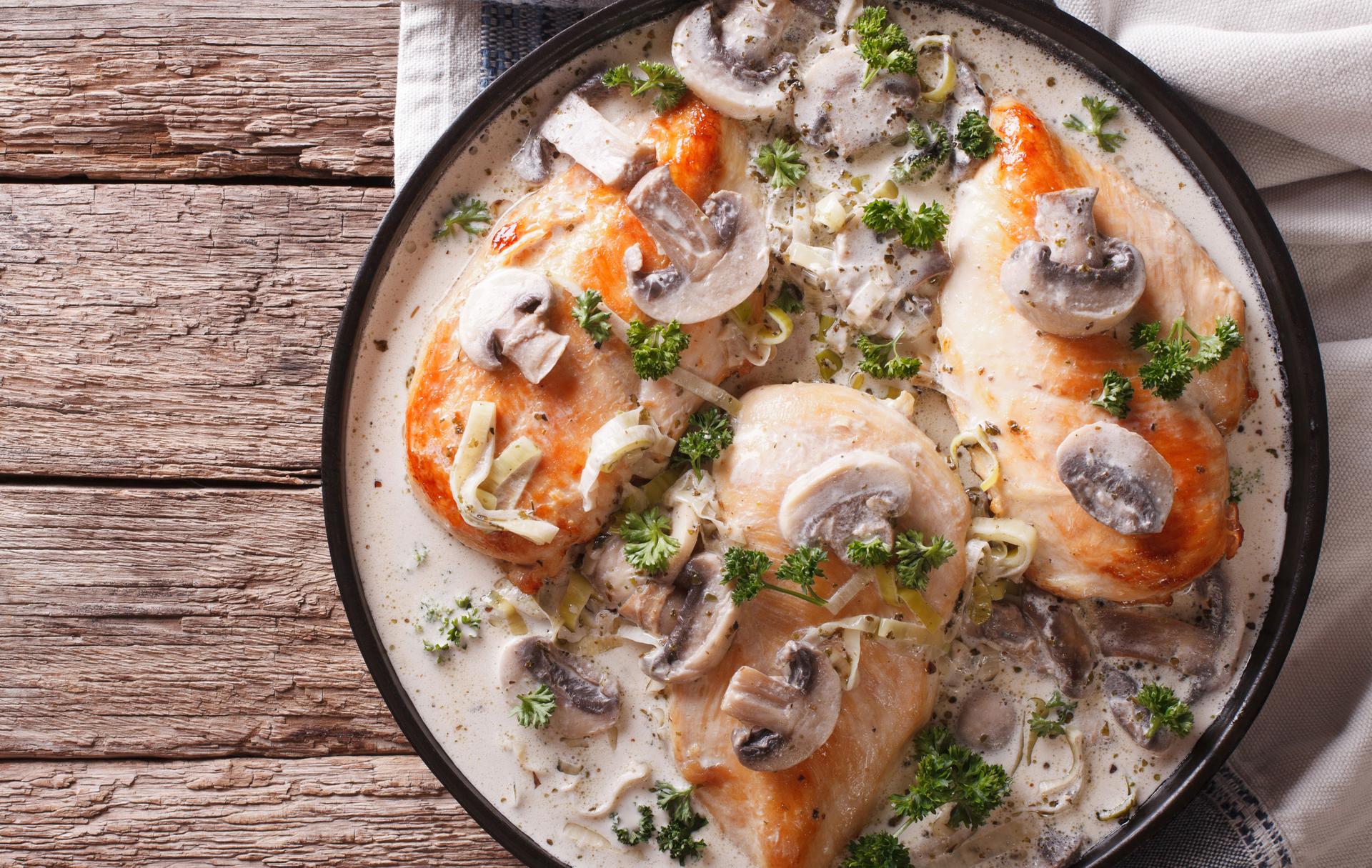
Poularde à la Crème

High-quality free-range chicken, served with a delicate cream sauce: a refined dish where the tender and succulent chicken harmoniously blends with the creaminess of the sauce. Aromatic herbs and spices add a delicate yet rich flavor.

Petite Fruite | Herpe , did you like it?

Tell us about it by clicking here

Petite Fruite | Herpe , did you like it?

Tell us about it by clicking here