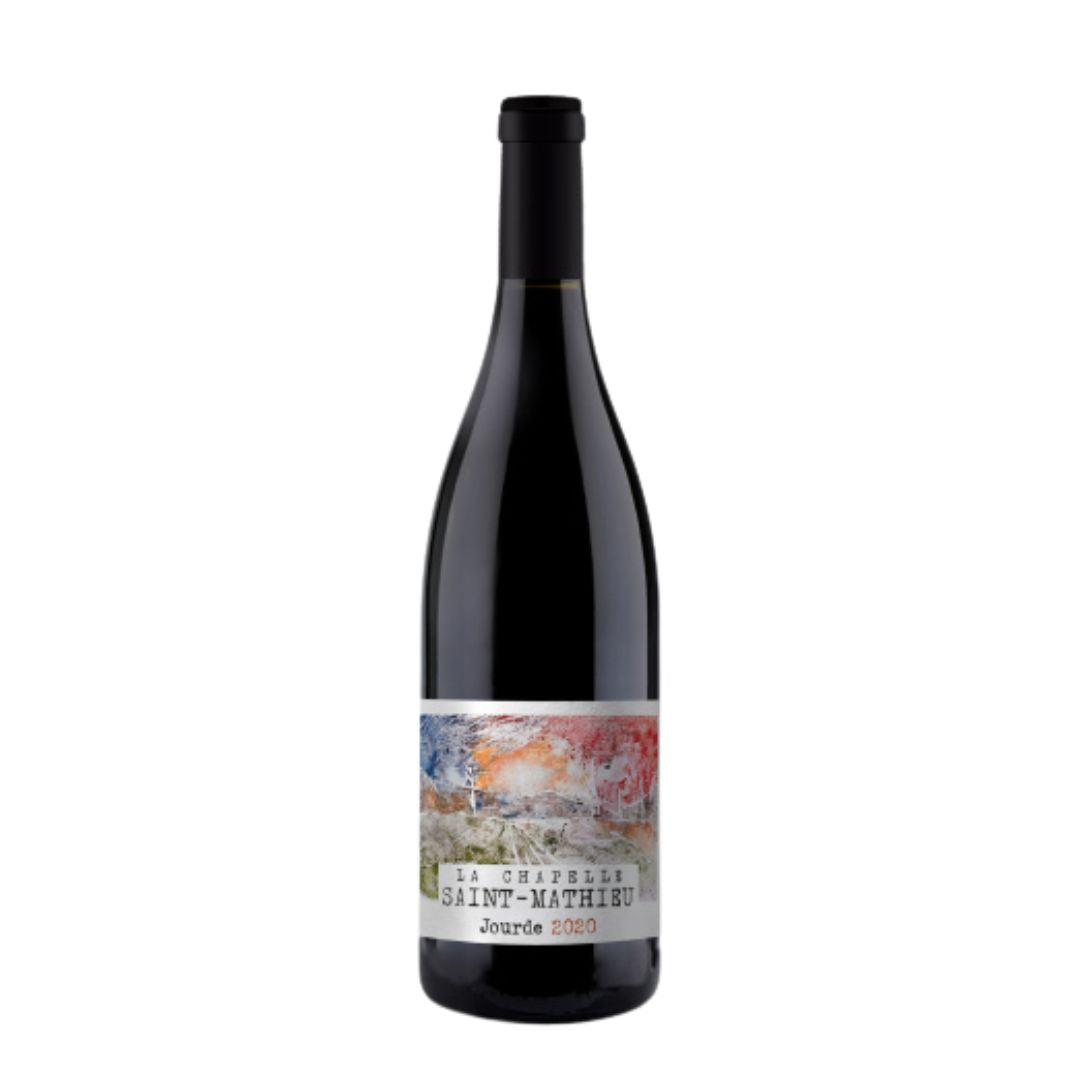
Pays D'hérault | Chapelle St-Mathieu

Sale price€35,00

Red
Languedoc (FR)
IGP Pays d’Hérault
Syrah (35%), Grenache (30%), Carignan (20%), Cabernet Sauvignon (15%)
Enjoy it within 5 years
13% ABV

Download as PDF

Production and refinement

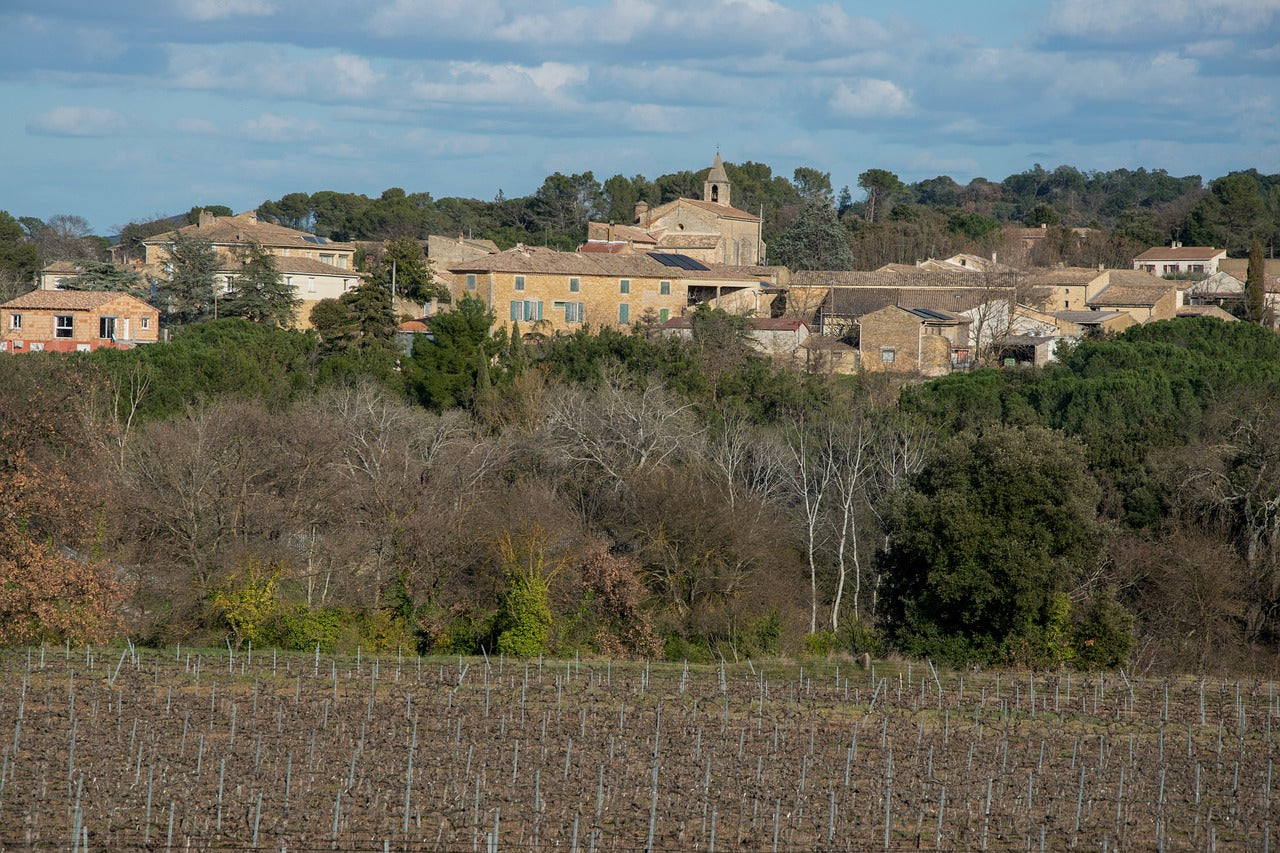
The wine is a blend of Syrah (35%), Grenache (30%), Carignan (20%), and Cabernet Sauvignon (15%), grown in the hillside vineyards of Aniane on clay-limestone soils rich in structure and minerals. The climate is Mediterranean but moderated by inland influences, allowing full ripening while preserving aromatic freshness. The vineyards are farmed organically, with attention to biodiversity and the recovery of historically abandoned land. Harvesting is carried out by hand, with careful selection of the bunches to ensure a balance between phenolic ripeness and natural acidity.

In the winery, the grapes are destemmed and gently crushed, followed by traditional fermentation. Extraction is carefully managed to preserve finesse and elegance, avoiding excessive concentration. The wine then matures for about 9 months in barriques, where it develops aromatic complexity, integrated tannins, and light spicy and toasty notes, while maintaining a fruit-driven profile.

Organoleptic analysis

Visual exam

It shows an intense, luminous ruby red color, typical of Languedoc wines based on Syrah and Grenache.

Olfactory examination

The bouquet is broad and Mediterranean, with notes of ripe red fruits, cherry, raspberry, and blackberry, enriched by nuances of sweet spices, black pepper, garrigue herbs, and light oak toast. The Cabernet Sauvignon adds a darker, slightly herbal nuance that contributes to the wine’s complexity.

Tasting

On the palate it is soft, round, and structured, with present but well-polished tannins. The fruit is juicy and ripe, supported by good freshness that lengthens the sip. The finish is persistent, with spicy echoes and subtle balsamic notes.

Contents index

From the vineyard to the table: discover our wine

Ready for a journey to discover Pays D'hérault | Chapelle St-Mathieu ? We will now take you to delve deeper into every aspect of this exceptional wine through three key sections:
Cellar

Come and learn about the history and values ​​of the winery which passionately grows and transforms grapes into wine

Territory

Immerse yourself in the land that gives life to these unique grapes, discovering the climate and terroir that influence its character

Pairings

Get expert advice on the perfect pairings that will enhance both the wine and your meal

The winery
Country: France

Region: Languedoc

Hectares of vineyards: 10

Chapelle St-Mathieu

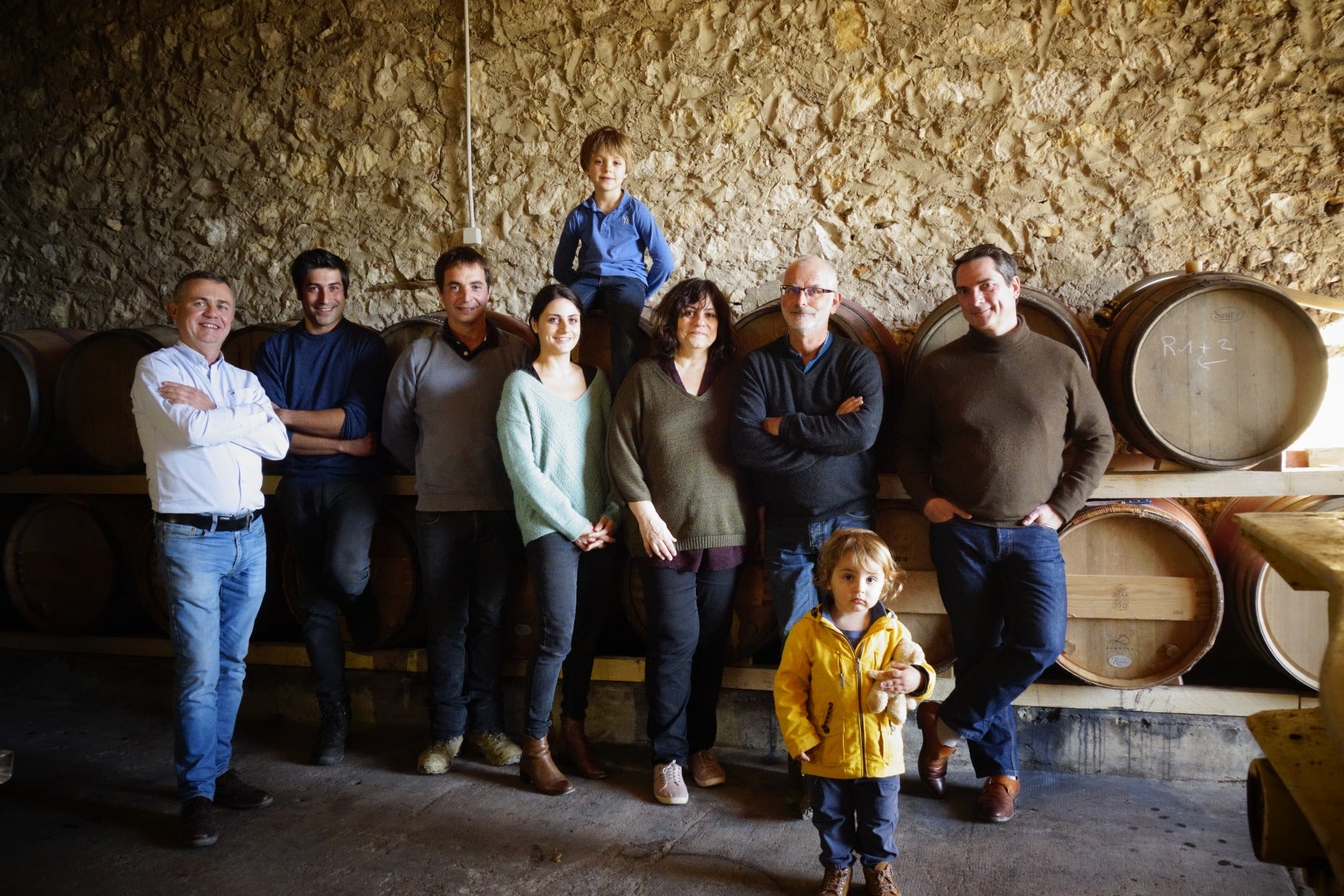
The Domaine La Chapelle Saint-Mathieu was founded in 2017 in the heart of the Hérault region through a project led by Jean-Emmanuel Parcé, in collaboration with négociants Dauvergne and Ranvier. The aim was to recover a viticultural area left uncultivated for around fifty years, restoring it to production through an organic and terroir-respecting approach. The initial work required the reclamation and rehabilitation of about 10 hectares of garrigue, later replanted with grape varieties suited to the Mediterranean environment.

The domaine is located in Aniane, one of the most renowned areas of Languedoc, often referred to for its elegance as “the little Burgundy of the South.” The project is also inspired by leading figures in contemporary French wine and by the desire to explore a style distinct from that of nearby Collioure. The estate’s philosophy is based on organic farming, manual work, and low yields, with the goal of expressing the purity of the terroir.

Chapelle St-Mathieu

The vines are young but set within a context rich in biodiversity and complex soils, including clay, limestone, and rocky deposits. Production is deliberately limited and quality-driven, with wines that combine finesse, structure, and a very precise sense of territorial identity, representing one of the most interesting interpretations of the new Languedoc.

Region and territory

From white wines to reds, from the quantity of the past to the quality of the present and the future.
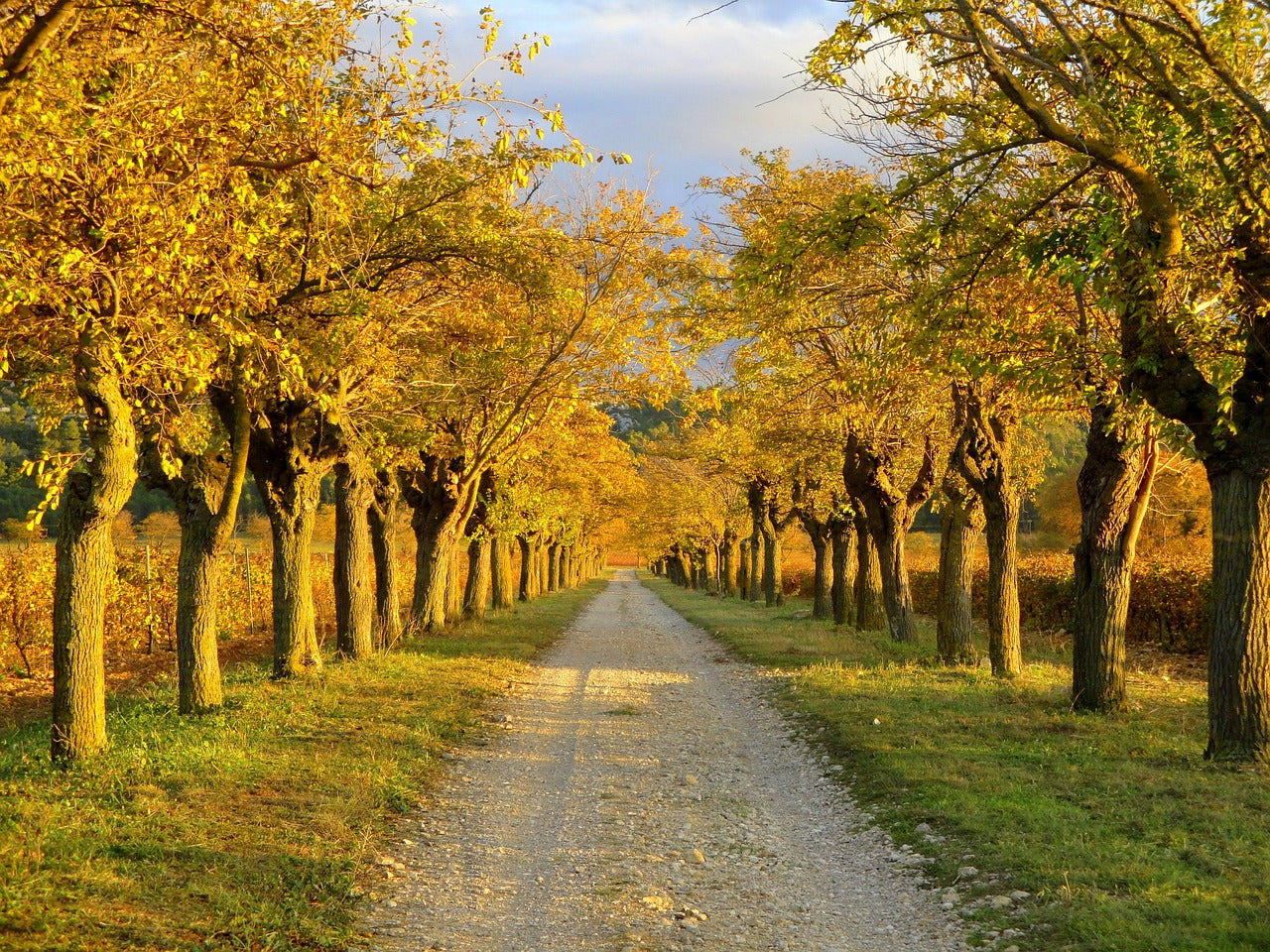
Languedoc-Roussillon

From white wines to reds, from the quantity of the past to the quality of the present and the future.
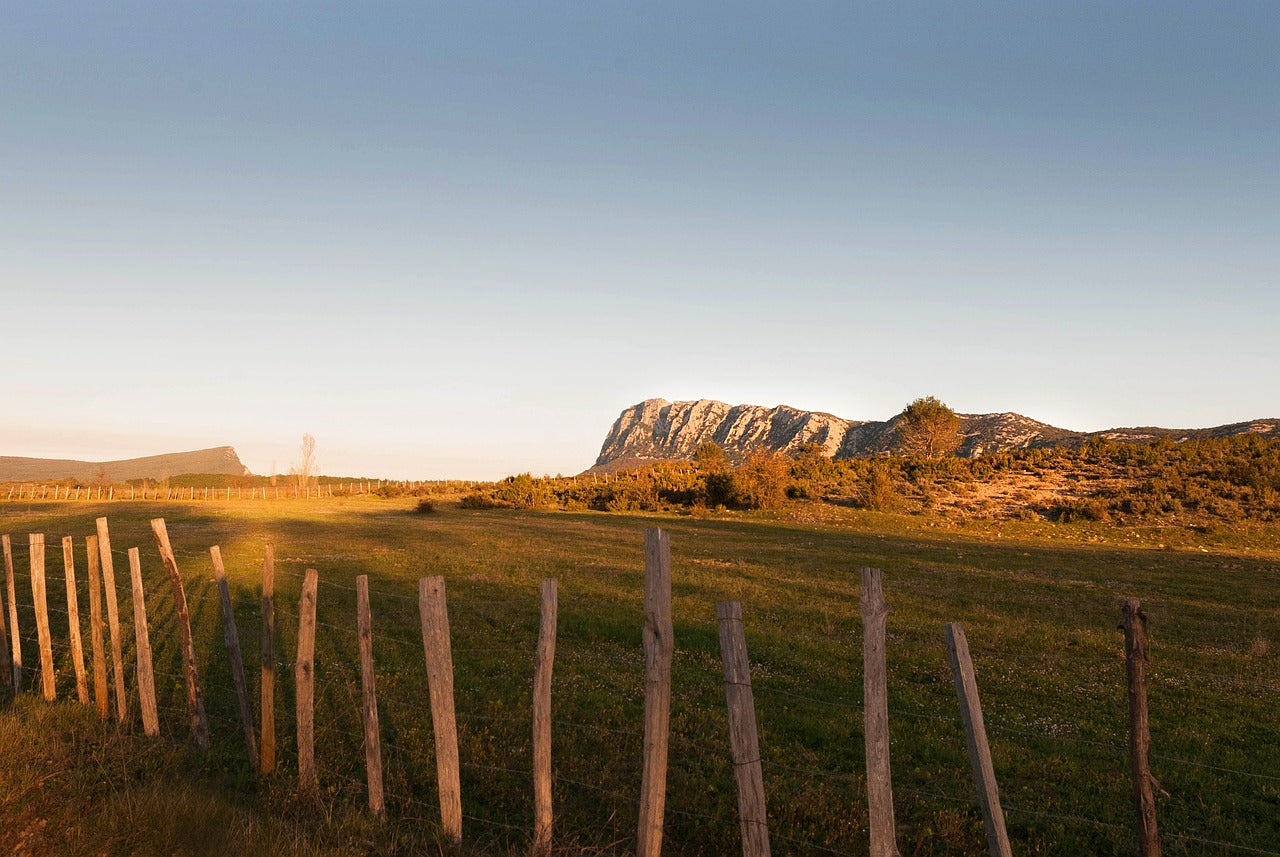
Languedoc-Roussillon

From white wines to reds, from the quantity of the past to the quality of the present and the future.
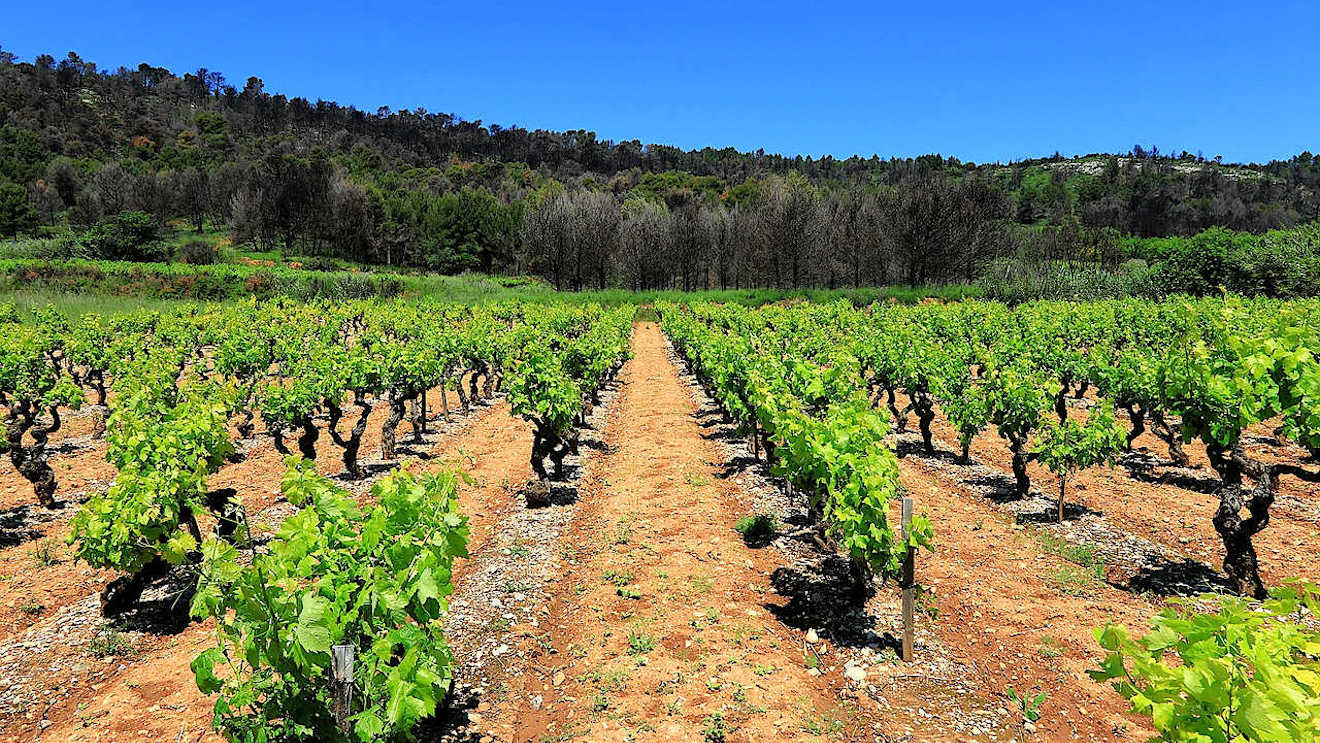
Languedoc-Roussillon

The Languedoc-Roussillon region is located in southern France and overlooks the Mediterranean Sea. It is one of the largest and most productive regions in all of France (accounting for over a third of the country's total wine production), with a production that in recent years has increasingly focused on quality.

The wine region, home to several AOCs (Appellation d’Origine Contrôlée), is divided into two distinct areas: Languedoc, further east, mostly flat, and Roussillon, further south near the Pyrenees.

The climate is Mediterranean and warm. In fact, on the southern coast of France, we find one of the most favorable microclimates for grape cultivation, although there are also some rather cool areas, such as the hills of Minervois and Limoux, where temperatures are lower due to slightly higher altitude.

The soils are mainly limestone, schist, and stony, forming the characteristic garrigues, a rocky landscape interspersed with lush Mediterranean scrubland. In these soils, Syrah and Carignan thrive and produce wines rich in structure, tannins, and salinity. In the plains, on the other hand, the soils are alluvial and fertile, mainly cultivating Grenache, Cinsault, and Muscat grapes, resulting in wines richer in alcohol.

The majority of the wine produced in the region belongs to the Vins de Pays category, but there are numerous oenological subzones, each producing wines with unique characteristics. Among these, the most productive are Corbières and Coteaux du Languedoc, where mainly red indigenous and international grape varieties are vinified.

Also interesting is the Limoux area, where excellent sparkling wines are produced: the Crémant and the Blanquette de Limoux with the traditional method, but also an excellent ancestral wine produced with the rural method.

The most characteristic wines of the region are the vins doux naturels, produced by fortifying the must through the addition of alcohol (a process called mutage).

Languedoc

The Languedoc, located in the south of France, is one of the country’s largest and most historic wine regions, with a Mediterranean climate ideal for viticulture. The region boasts a wide variety of soils and grape varieties, with predominant reds including Grenache, Syrah, and Mourvèdre, and whites such as Chardonnay, Viognier, and Marsanne.

The main denominations of Languedoc include:

- AOC Languedoc: The generic appellation covering the entire region, with sub-denominations like Pic Saint-Loup, La Clape, and Montpeyroux.
- AOC Minervois: Known for its robust and spicy red wines.
- AOC Corbières: Valued for its rich and aromatic reds.
- AOC Faugères: Famous for its mineral and concentrated red wines.
- AOC Saint-Chinian: Produces complex and well-structured reds.
- AOC Limoux: Renowned for its sparkling and white wines.

Languedoc is known for producing full-bodied and aromatic wines with an excellent quality-to-price ratio and has seen significant improvements in quality in recent years, making it one of France’s most interesting wine regions.

One of the largest and most diverse wine regions in France

Recommended pairings and dishes

Matching by concordance

The pairing by analogy is a great way to highlight the wine’s Mediterranean character: its aromas of ripe red fruits, herbs, and sweet spices harmonize with dishes that are equally rich, structured, and aromatically intense. Roasted meats, herb-crusted lamb, and game directly echo the wine’s aromatic profile, creating continuity between taste and aroma. Dishes enriched with Mediterranean herbs or slow-cooking methods also reflect its warm and enveloping nature.

Matching by contrast

The wine’s softness and fruity character find balance with savory, rich, or even lightly smoked dishes. Its freshness and tannic structure help cleanse the palate from preparations such as grilled meats, aged cheeses, or rich stews. The wine also works very well with lightly spicy dishes.

It pairs well with

Grilled red meats; entrecôte and rib steaks; oven-roasted lamb with Mediterranean herbs; braised and stewed dishes; feathered and furred game; roast duck; free-range chicken with herbs; guinea fowl; meat stews; pasta with meat sauces; lasagna and baked pasta dishes; aged cured meats; semi-aged and aged cheeses; spiced Mediterranean cuisine; charcoal-grilled dishes.

Matching by concordance

The pairing by analogy is a great way to highlight the wine’s Mediterranean character: its aromas of ripe red fruits, herbs, and sweet spices harmonize with dishes that are equally rich, structured, and aromatically intense. Roasted meats, herb-crusted lamb, and game directly echo the wine’s aromatic profile, creating continuity between taste and aroma. Dishes enriched with Mediterranean herbs or slow-cooking methods also reflect its warm and enveloping nature.

Matching by contrast

The wine’s softness and fruity character find balance with savory, rich, or even lightly smoked dishes. Its freshness and tannic structure help cleanse the palate from preparations such as grilled meats, aged cheeses, or rich stews. The wine also works very well with lightly spicy dishes.

It pairs well with

Grilled red meats; entrecôte and rib steaks; oven-roasted lamb with Mediterranean herbs; braised and stewed dishes; feathered and furred game; roast duck; free-range chicken with herbs; guinea fowl; meat stews; pasta with meat sauces; lasagna and baked pasta dishes; aged cured meats; semi-aged and aged cheeses; spiced Mediterranean cuisine; charcoal-grilled dishes.

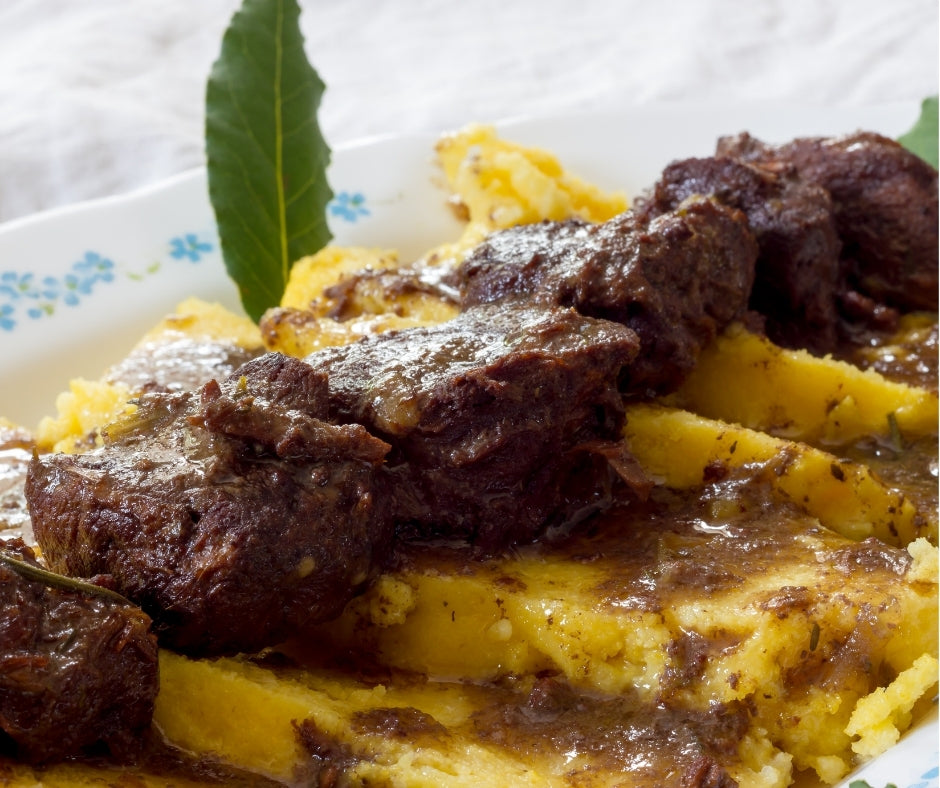
Wild boar stew with prunes

An exquisite main course, ideally cooked in the same wine you're tasting. Structured, rich in flavors and aromas, for unforgettable Sunday lunches.

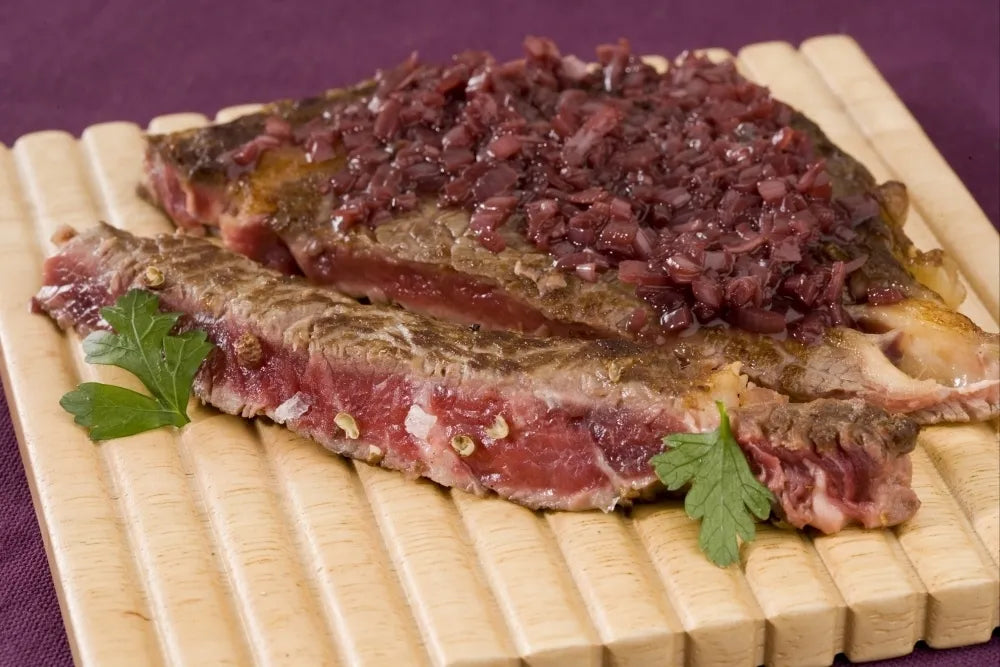
Entrecôte bordelaise

The Bordelaise entrecote is a succulent dish because the meat is seared and then served with a rich sauce ideally made with the same wine, along with butter, shallots, aromatic herbs, and marrow. It has a bold and persistent flavor.

Pays D'hérault | Chapelle St-Mathieu , did you like it?

Tell us about it by clicking here

Pays D'hérault | Chapelle St-Mathieu , did you like it?

Tell us about it by clicking here