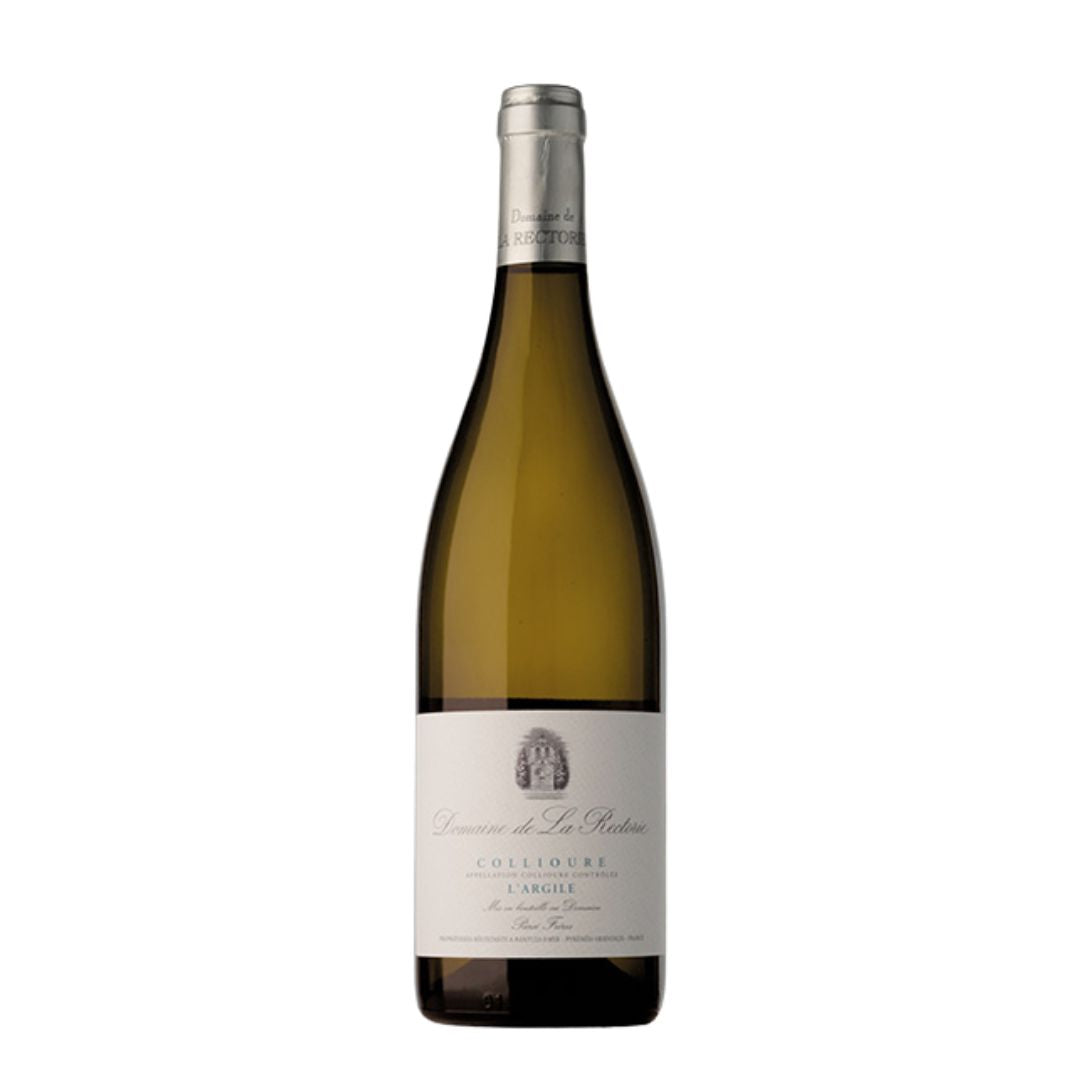
L’argile Collioure Blanc | Domaine de La Rectorie

Sale price€33,00

White
Languedoc (FR)
Collioure Blanc AOC
Grenache Gris, Grenache Blanc
Enjoy it within 8 years
14% ABV

Download as PDF

Production and refinement

The grapes come from old vines over 80 years of age, cultivated on schist soils that are poor and highly draining, forcing the vines to root deeply and develop concentration and aromatic complexity. The vineyards are selected from early-ripening parcels in order to preserve a balance between freshness, finesse, and structure. Harvest is carried out by hand, with careful picking of the bunches at optimal ripeness to maintain acidity and aromatic integrity.

Winemaking involves direct pressing of whole clusters, followed by fermentation and aging in barrels and barriques (225 and 400 liters), with around 30% new oak. The wine matures for approximately 8 months on the fine lees, with frequent bâtonnage—initially daily, then weekly until December. This process adds volume, richness, and aromatic complexity while preserving the typical saline tension of Collioure.

Organoleptic analysis

Visual exam

It shows an intense, luminous golden yellow color, indicative of concentration and a subtle oak aging.

Olfactory examination

The bouquet is broad and layered, with notes of ripe white fruit, yellow peach, apricot, and pear, accompanied by citrus accents, white flowers, and more evolved nuances of anise, sweet spices, honey, and light oak toast. With aeration, herbal hints and a subtle balsamic touch also emerge.

Tasting

On the palate it is round, structured, and at the same time fresh, with a clear savory and mineral imprint typical of schist soils. The texture is creamy but not heavy, supported by good acidity that lengthens the sip. The finish is long, slightly almond-like, and marked by a pleasant phenolic and saline sensation.

Contents index

From the vineyard to the table: discover our wine

Ready for a journey to discover L’argile Collioure Blanc | Domaine de La Rectorie ? We will now take you to delve deeper into every aspect of this exceptional wine through three key sections:

Cellar

Come and learn about the history and values ​​of the winery which passionately grows and transforms grapes into wine

Territory

Immerse yourself in the land that gives life to these unique grapes, discovering the climate and terroir that influence its character

Pairings

Get expert advice on the perfect pairings that will enhance both the wine and your meal

The winery
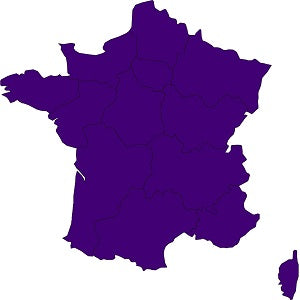
Country: France

Region: Roussillon

Hectares of vineyards: 30

Domaine de la Rectorie

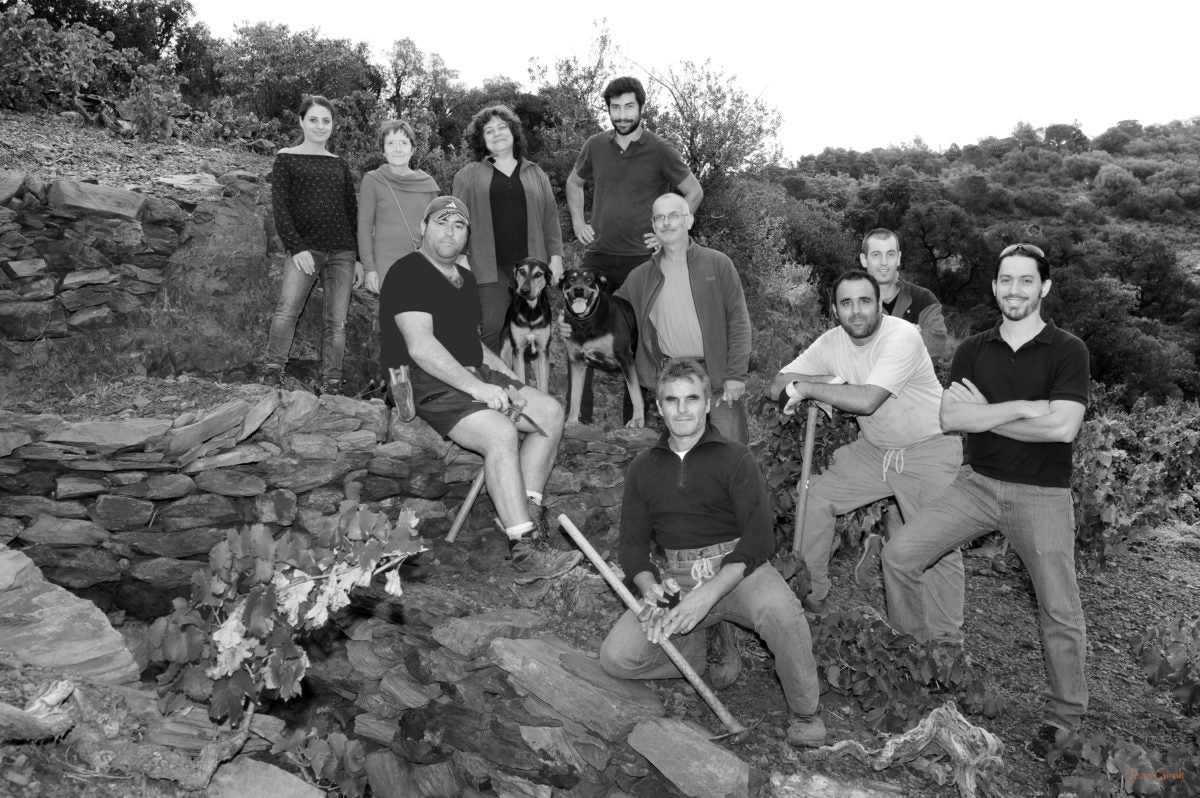
Domaine de la Rectorie is one of the most representative estates of the French Roussillon. Its origins date back to 1904, when the Parcé family began cultivating vineyards in Banyuls and Collioure. A central figure in the estate’s history was Thérèse Parcé, who, after the death of her husband Jean in 1913, led the Domaine for nearly half a century, preserving its viticultural heritage.

In 1984, Marc and Thierry Parcé carried out the first estate bottling, marking the beginning of the modern era of the winery. Today the estate is run by Thierry and Emmanuel Parcé, who continue to enhance a heritage of around 30 hectares of vineyards spread across numerous terraced parcels overlooking the Mediterranean Sea.

Domaine de la Rectorie

The production philosophy is based on respect for the land, old vines, and the historic grape varieties of Roussillon. Low yields, manual work, and sustainable vineyard management make it possible to produce wines that authentically express the character of schist soils and the Mediterranean climate.

The Domaine is today considered one of the leading interpreters of the heroic viticulture of Banyuls and Collioure, thanks to wines that combine depth, elegance, and a strong sense of territorial identity.

Region and territory

From white wines to reds, from the quantity of the past to the quality of the present and the future.
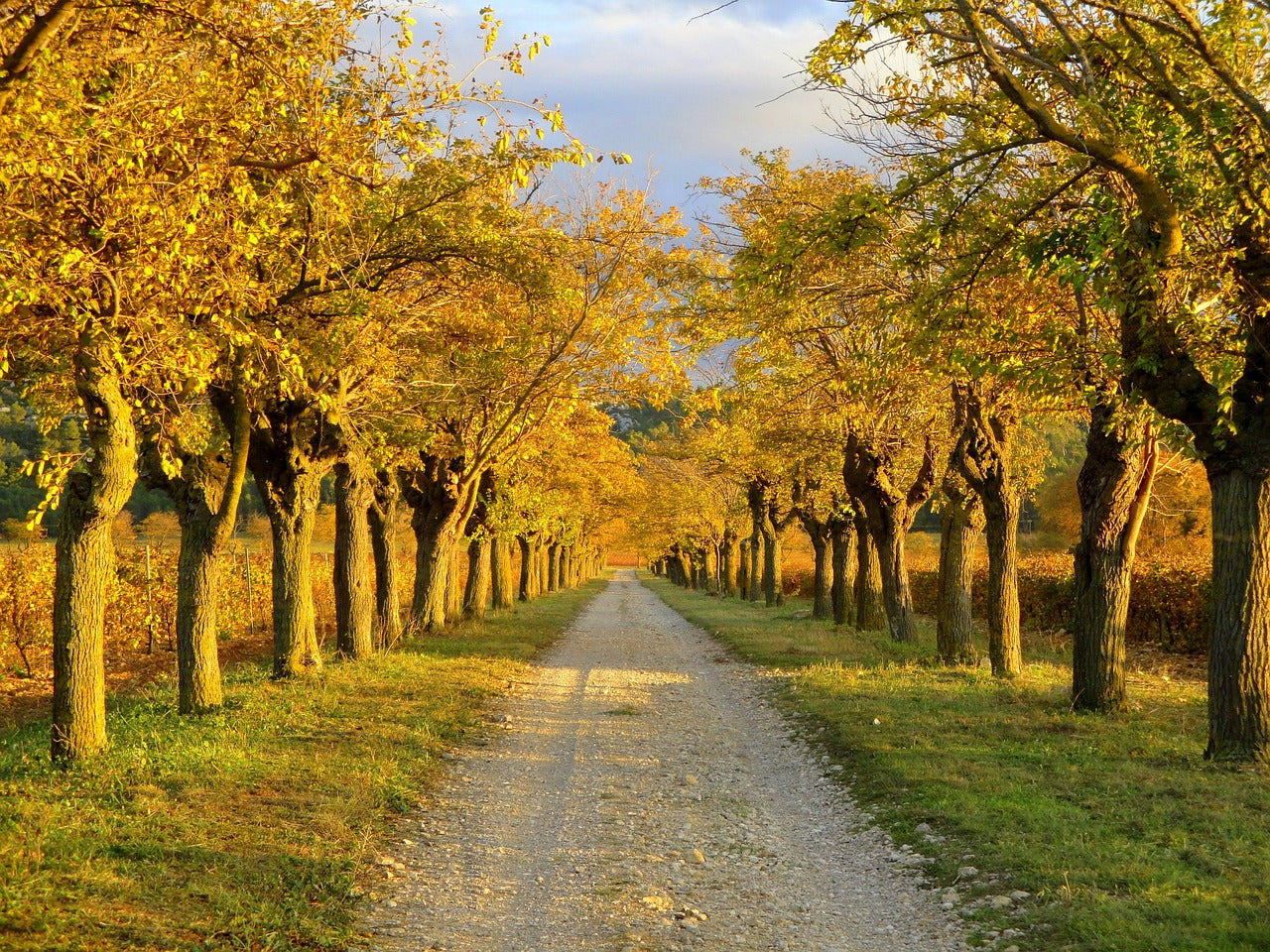
Languedoc-Roussillon

From white wines to reds, from the quantity of the past to the quality of the present and the future.
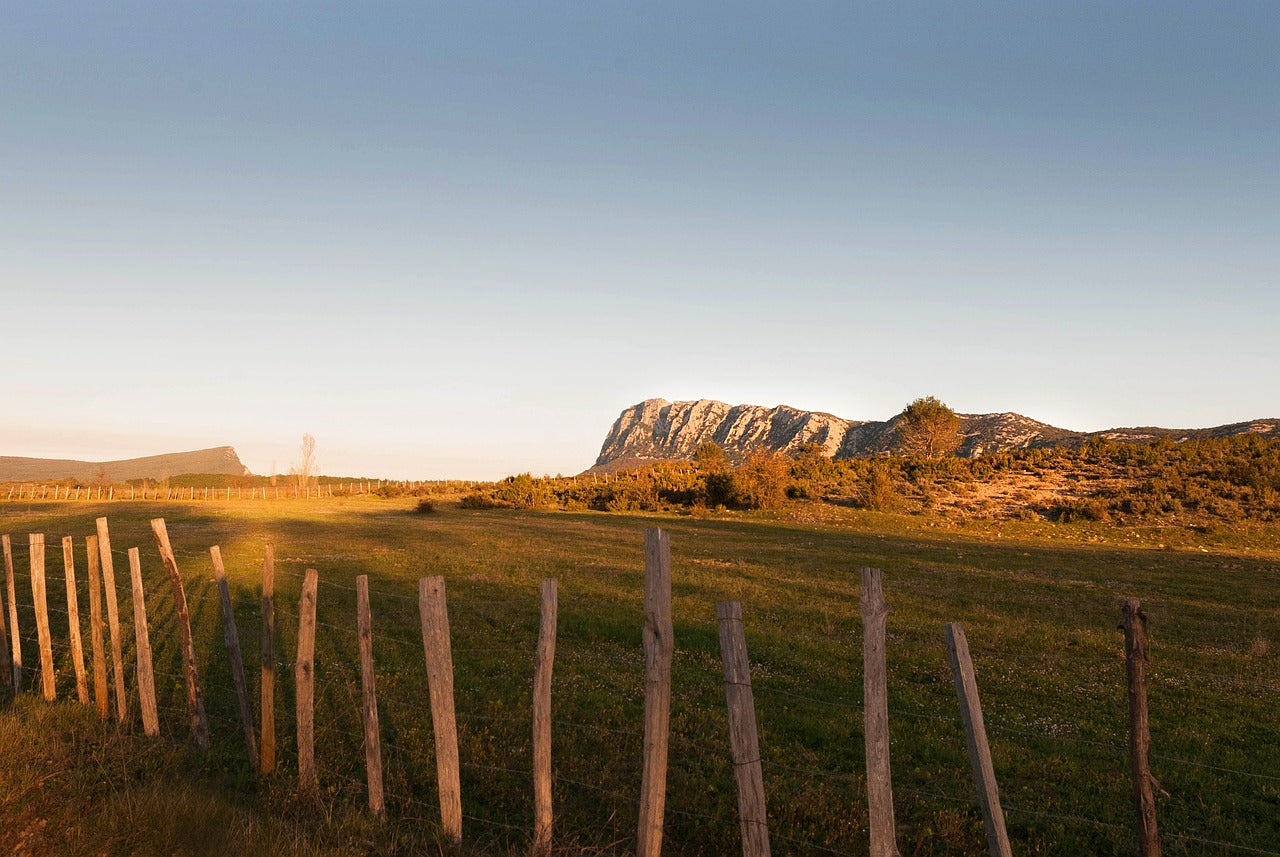
Languedoc-Roussillon

From white wines to reds, from the quantity of the past to the quality of the present and the future.
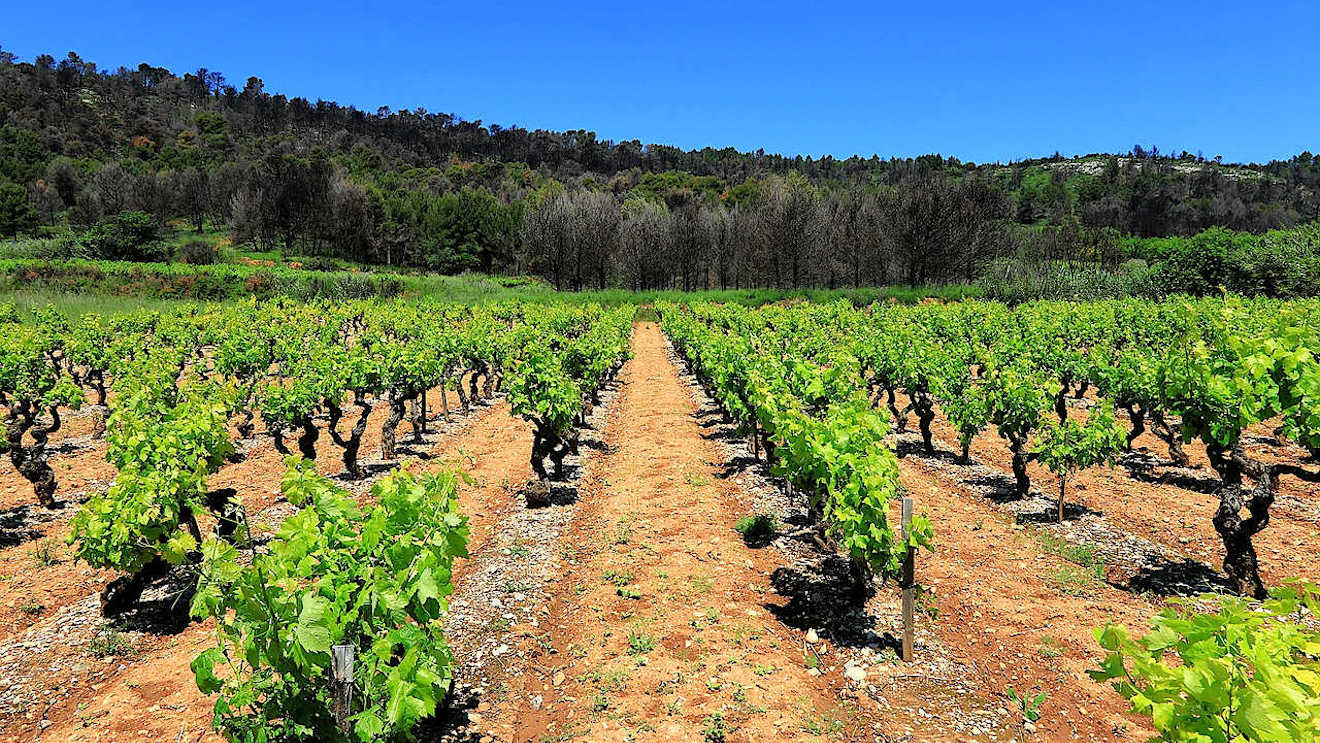
Languedoc-Roussillon

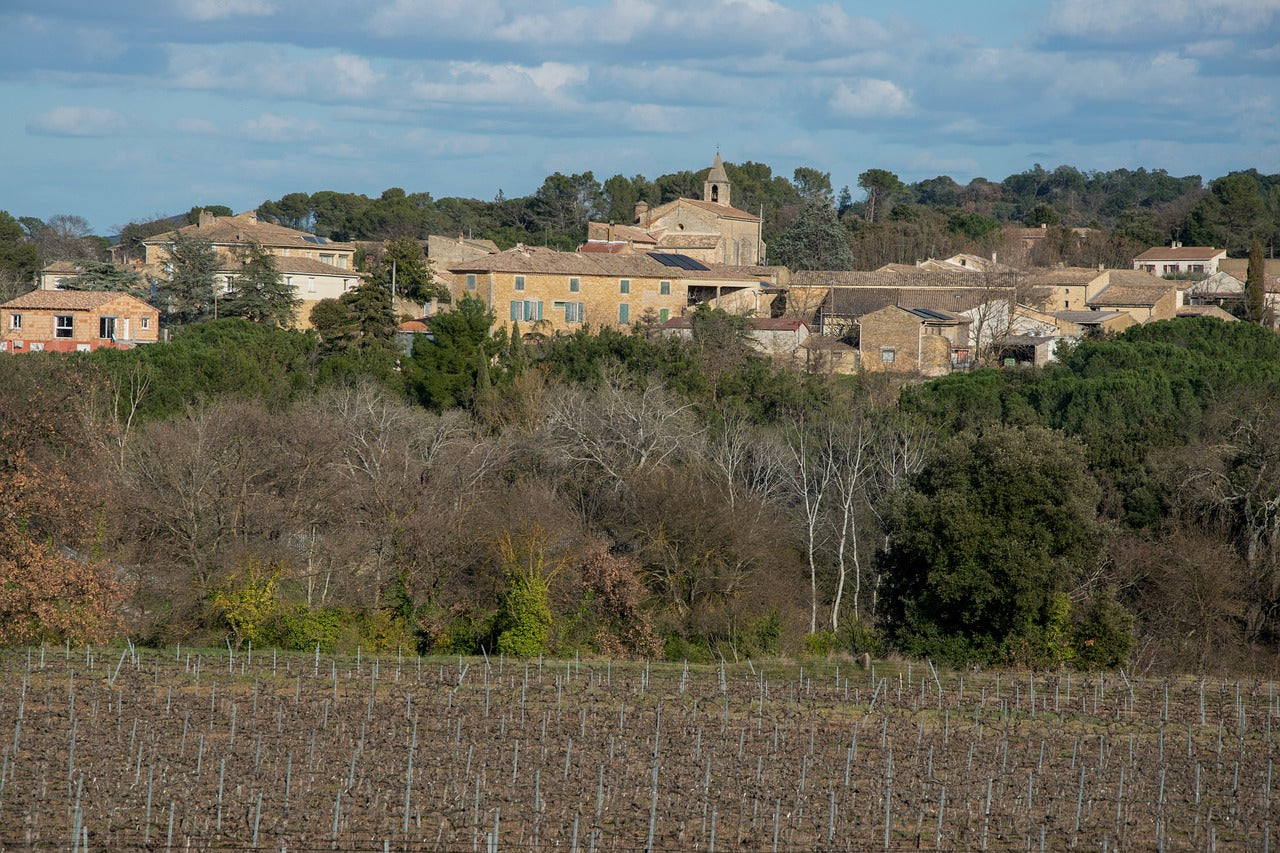
The Languedoc-Roussillon region is located in southern France and overlooks the Mediterranean Sea. It is one of the largest and most productive regions in all of France (accounting for over a third of the country's total wine production), with a production that in recent years has increasingly focused on quality.

The wine region, home to several AOCs (Appellation d’Origine Contrôlée), is divided into two distinct areas: Languedoc, further east, mostly flat, and Roussillon, further south near the Pyrenees.

The climate is Mediterranean and warm. In fact, on the southern coast of France, we find one of the most favorable microclimates for grape cultivation, although there are also some rather cool areas, such as the hills of Minervois and Limoux, where temperatures are lower due to slightly higher altitude.

The soils are mainly limestone, schist, and stony, forming the characteristic garrigues, a rocky landscape interspersed with lush Mediterranean scrubland. In these soils, Syrah and Carignan thrive and produce wines rich in structure, tannins, and salinity. In the plains, on the other hand, the soils are alluvial and fertile, mainly cultivating Grenache, Cinsault, and Muscat grapes, resulting in wines richer in alcohol.

The majority of the wine produced in the region belongs to the Vins de Pays category, but there are numerous oenological subzones, each producing wines with unique characteristics. Among these, the most productive are Corbières and Coteaux du Languedoc, where mainly red indigenous and international grape varieties are vinified.

Also interesting is the Limoux area, where excellent sparkling wines are produced: the Crémant and the Blanquette de Limoux with the traditional method, but also an excellent ancestral wine produced with the rural method.

The most characteristic wines of the region are the vins doux naturels, produced by fortifying the must through the addition of alcohol (a process called mutage).

Languedoc

The Languedoc, located in the south of France, is one of the country’s largest and most historic wine regions, with a Mediterranean climate ideal for viticulture. The region boasts a wide variety of soils and grape varieties, with predominant reds including Grenache, Syrah, and Mourvèdre, and whites such as Chardonnay, Viognier, and Marsanne.

The main denominations of Languedoc include:

- AOC Languedoc: The generic appellation covering the entire region, with sub-denominations like Pic Saint-Loup, La Clape, and Montpeyroux.
- AOC Minervois: Known for its robust and spicy red wines.
- AOC Corbières: Valued for its rich and aromatic reds.
- AOC Faugères: Famous for its mineral and concentrated red wines.
- AOC Saint-Chinian: Produces complex and well-structured reds.
- AOC Limoux: Renowned for its sparkling and white wines.

Languedoc is known for producing full-bodied and aromatic wines with an excellent quality-to-price ratio and has seen significant improvements in quality in recent years, making it one of France’s most interesting wine regions.

One of the largest and most diverse wine regions in France

Recommended pairings and dishes

Matching by concordance

A great white wine characterized by aromatic richness and broad structure. Notes of ripe white fruit, citrus, honey, and sweet spices pair well with dishes that share similar aromatic sensations and a soft, enveloping texture, such as delicate shellfish, juicy-fleshed fish, or Mediterranean preparations with olive oil, herbs, and light sweet elements. The wine’s saline character interacts with marine ingredients and iodine-driven dishes, creating a seamless gustatory continuity between wine and food.

Matching by contrast

By contrast, the wine’s round structure and softness find balance with savory, rich, or lightly spiced dishes. Its acidity and mineral backbone help cleanse the palate from indulgent preparations such as shellfish with butter, creamy sauces, or fatty grilled fish. The slight phenolic sensation on the finish also allows it to stand up well to more intense textures such as octopus, juicy white meats, or lightly smoked dishes, creating a dynamic interplay between the wine’s softness and the dish’s gustatory tension.

It pairs well with

Fish soups and bouillabaisse; grilled or steamed shellfish; oysters and seafood; noble fish baked or cooked à la plancha such as sea bream, gilthead bream, and amberjack; fish tartare; grilled octopus; seafood risottos; pasta with shellfish; white meats in light sauces; roast chicken with herbs; Mediterranean-style rabbit; grilled vegetables; artichokes; lightly spiced dishes; Mediterranean cuisine.

Matching by concordance

A great white wine characterized by aromatic richness and broad structure. Notes of ripe white fruit, citrus, honey, and sweet spices pair well with dishes that share similar aromatic sensations and a soft, enveloping texture, such as delicate shellfish, juicy-fleshed fish, or Mediterranean preparations with olive oil, herbs, and light sweet elements. The wine’s saline character interacts with marine ingredients and iodine-driven dishes, creating a seamless gustatory continuity between wine and food.

Matching by contrast

By contrast, the wine’s round structure and softness find balance with savory, rich, or lightly spiced dishes. Its acidity and mineral backbone help cleanse the palate from indulgent preparations such as shellfish with butter, creamy sauces, or fatty grilled fish. The slight phenolic sensation on the finish also allows it to stand up well to more intense textures such as octopus, juicy white meats, or lightly smoked dishes, creating a dynamic interplay between the wine’s softness and the dish’s gustatory tension.

It pairs well with

Fish soups and bouillabaisse; grilled or steamed shellfish; oysters and seafood; noble fish baked or cooked à la plancha such as sea bream, gilthead bream, and amberjack; fish tartare; grilled octopus; seafood risottos; pasta with shellfish; white meats in light sauces; roast chicken with herbs; Mediterranean-style rabbit; grilled vegetables; artichokes; lightly spiced dishes; Mediterranean cuisine.

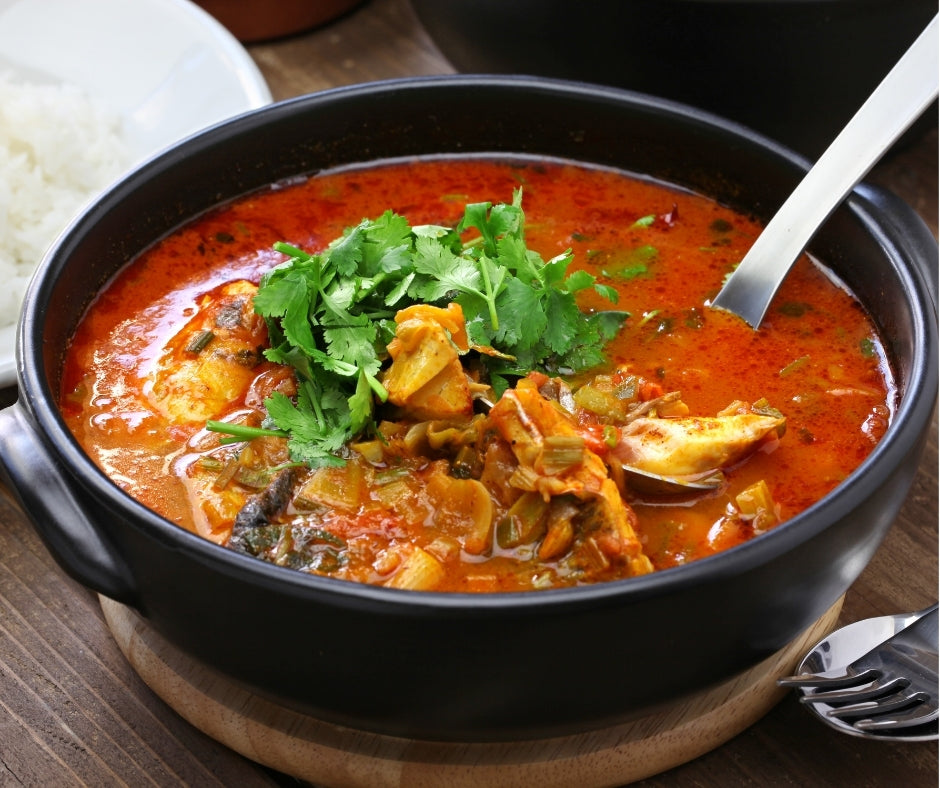
Fish Broth

A typical soup made with various types of fish, including shellfish, cooked and flavored with garlic and parsley. A dish of medium structure but very aromatic, intense in character, and with excellent aromatic persistence.

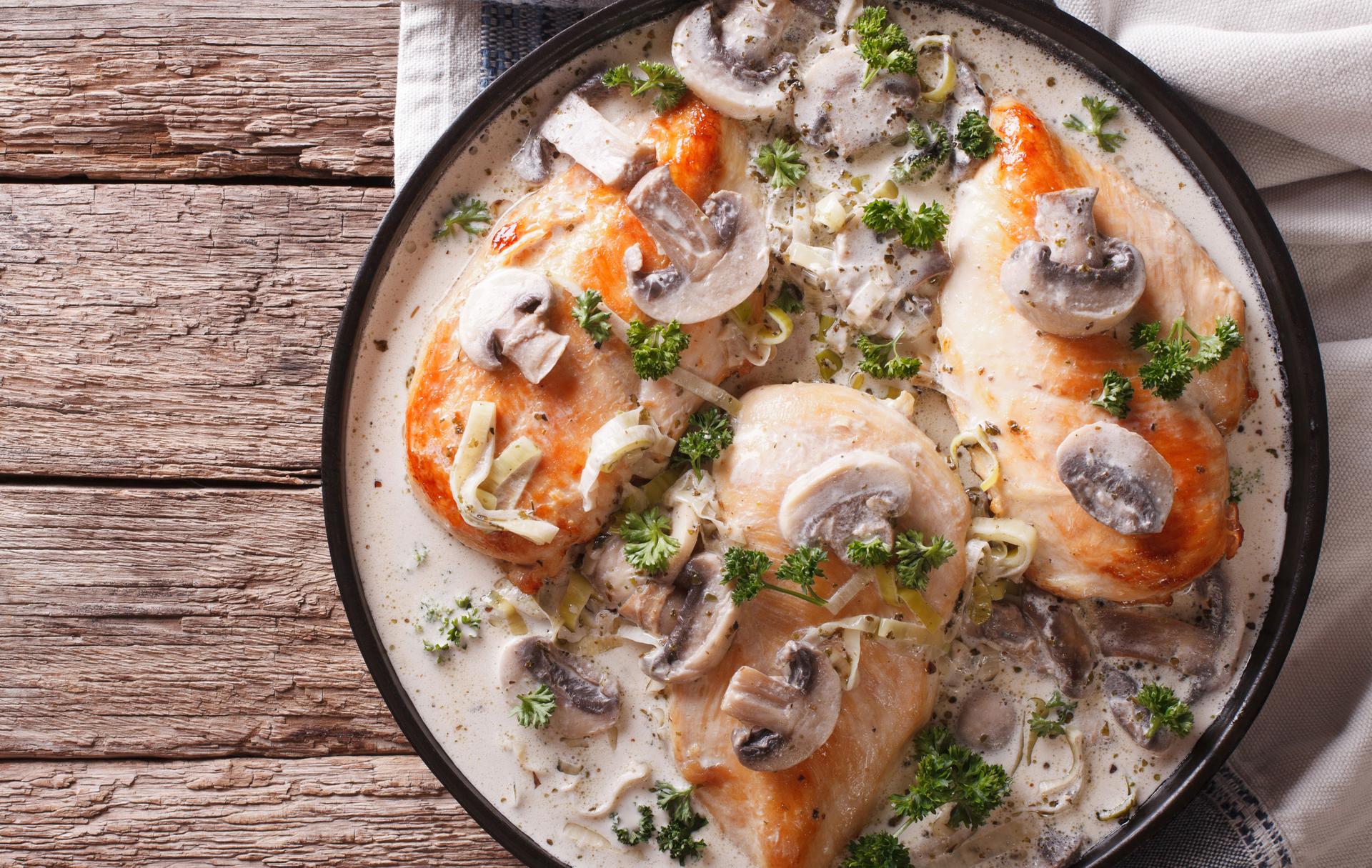
Poularde à la Crème

High-quality free-range chicken, served with a delicate cream sauce: a refined dish where the tender and succulent chicken harmoniously blends with the creaminess of the sauce. Aromatic herbs and spices add a delicate yet rich flavor.

L’argile Collioure Blanc | Domaine de La Rectorie , did you like it?

Tell us about it by clicking here

L’argile Collioure Blanc | Domaine de La Rectorie , did you like it?

Tell us about it by clicking here