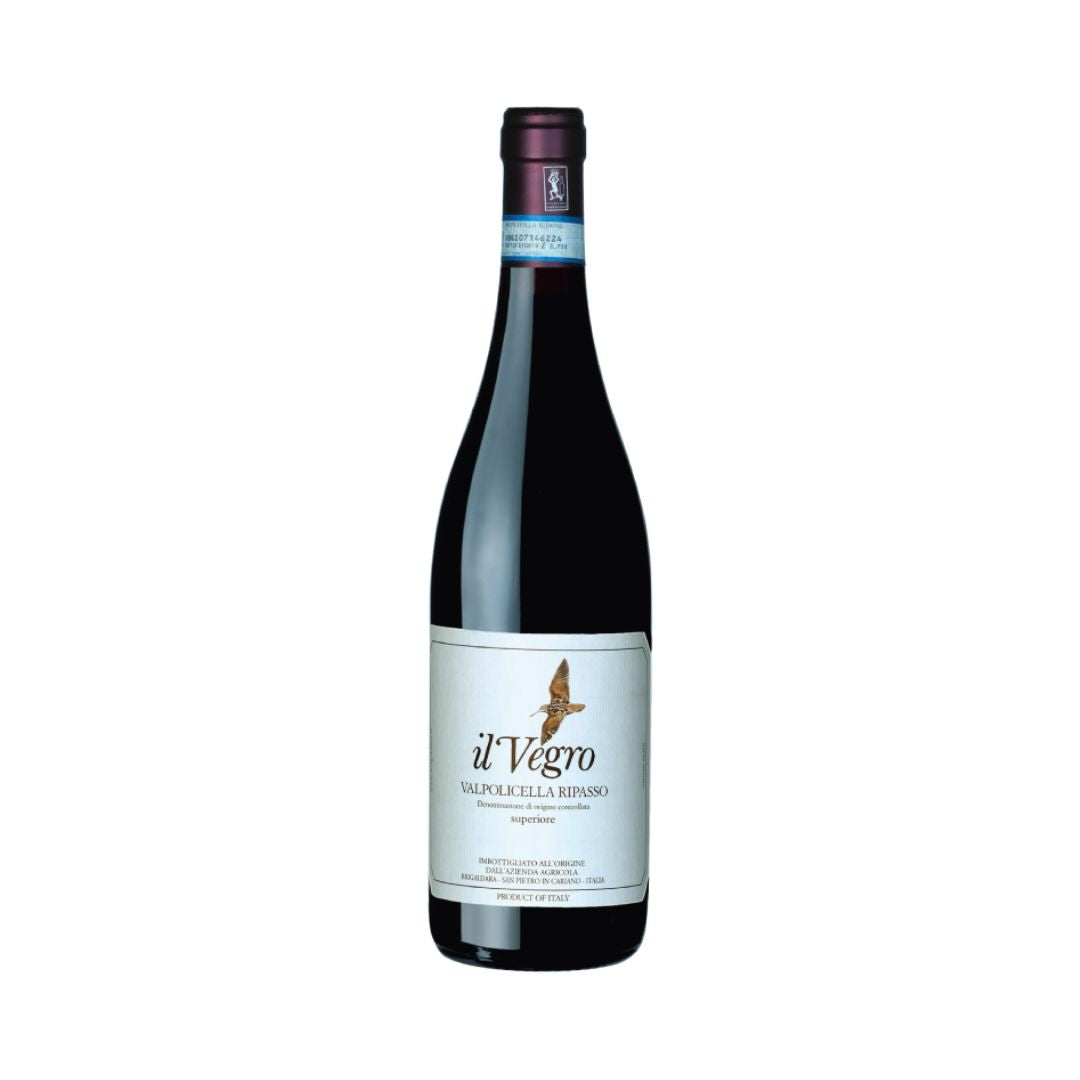
Il Vegro Valpolicella Superiore Ripasso | Brigaldara

Sale price€24,00

Red
Veneto (IT)
Valpolicella Ripasso Superiore DOC
Corvina, Corvinone, Rondinella
Enjoy it within 10 years
14,5% ABV

Download as PDF

Production and refinement

Vinification follows the traditional Ripasso method: the vintage Valpolicella is passed over the Amarone pomace, still rich in sugars and aromas, triggering a second fermentation that lasts from five to seven days. During this process, brief pump-overs are carried out to keep the cap moist and promote aromatic extraction. Once the refermentation is complete, the wine matures for 18 months in large Slavonian oak casks, an aging process that contributes to its balanced structure and to the delicate spicy and tertiary notes.

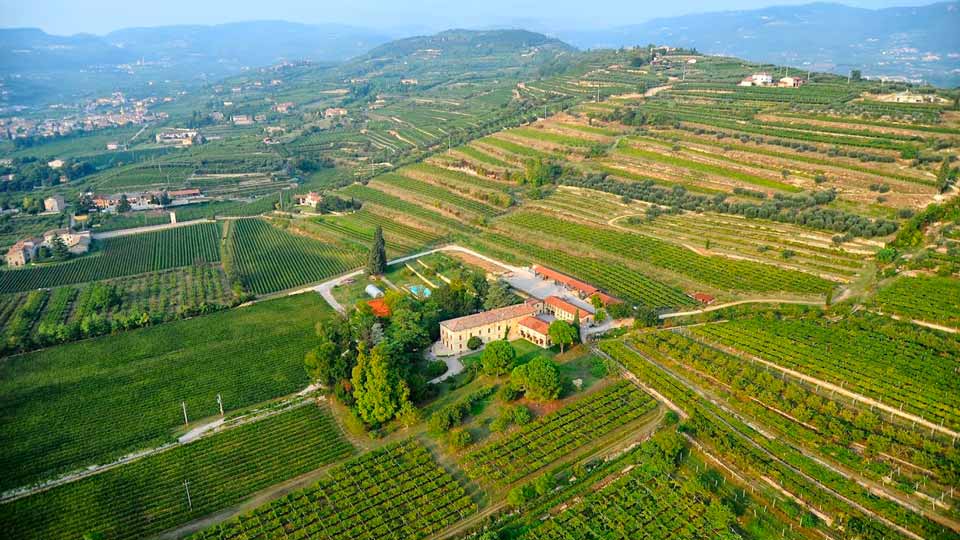
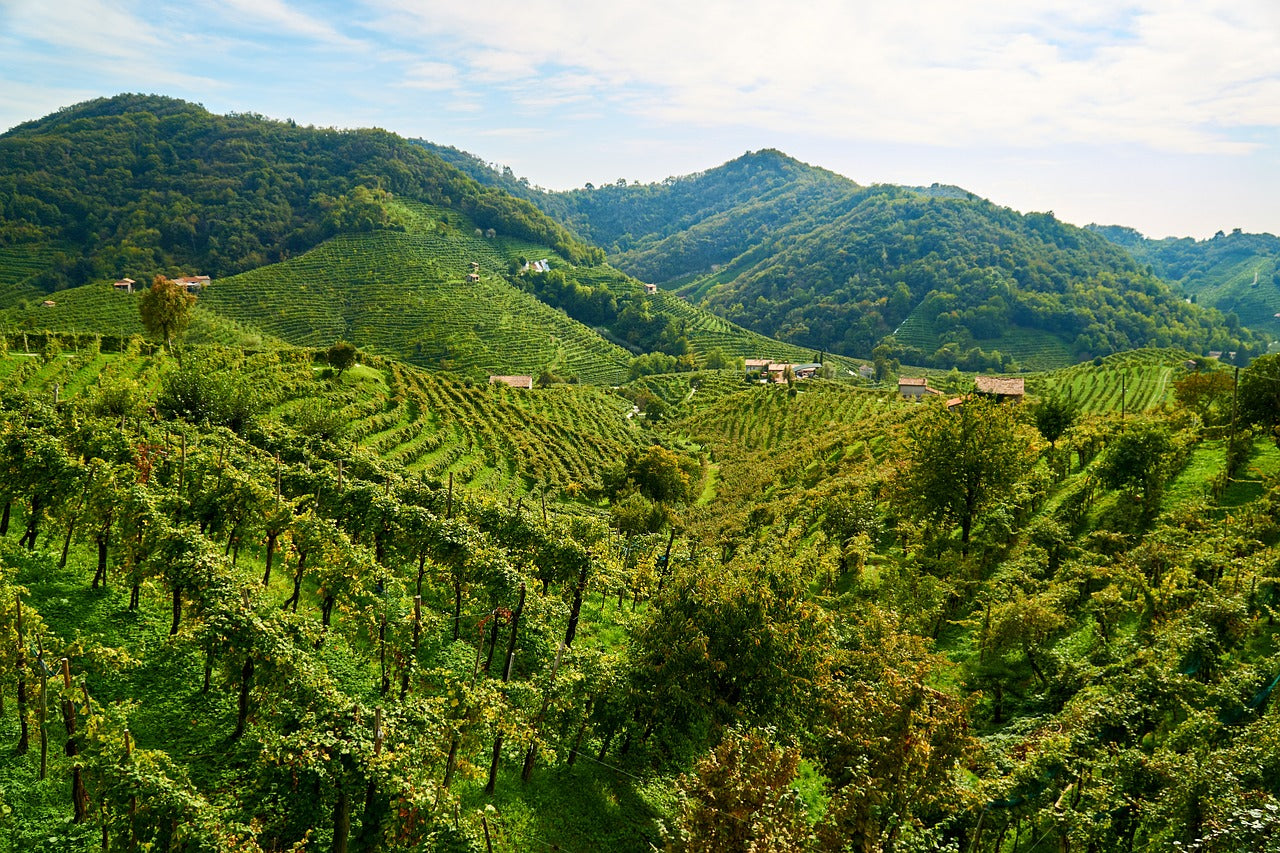
This Ripasso is made from Corvina, Corvinone, and Rondinella grapes, grown in the hillside vineyards of Marcellise and Brigaldara, between 150 and 250 meters above sea level. The vines, planted in 1980, root in calcareous–clay soils and are trained using traditional systems such as Pergola Veronese and Guyot, which help maintain vegetative balance and steady ripening. The harvest, carried out by hand in the second half of September, selects only the best clusters, destined to express finesse and aromatic intensity.

Organoleptic analysis

Visual exam

Visually, the wine presents an intense, bright ruby red, both luminous and deep.

Olfactory examination

On the nose, it offers a rich and enveloping bouquet, characterized by red plum, ripe cherry, woodland berries, with touches of marzipan, exotic flowers, sweet tobacco, and oriental spices. A triumph of aromas.

Tasting

On the palate, it is juicy, full, and enveloping, supported by a lovely acidity that preserves its freshness. The fruity aromas return, while the spicy notes blend into a harmonious, long sip. The persistent, clean finish enhances the purity of the fruit and leaves a very pleasant sense of balance. A long finish.

Contents index

From the vineyard to the table: discover our wine

Ready for a journey to discover Il Vegro Valpolicella Superiore Ripasso | Brigaldara ? We will now take you to delve deeper into every aspect of this exceptional wine through three key sections:

Cellar

Come and learn about the history and values ​​of the winery which passionately grows and transforms grapes into wine

Territory

Immerse yourself in the land that gives life to these unique grapes, discovering the climate and terroir that influence its character

Pairings

Get expert advice on the perfect pairings that will enhance both the wine and your meal

The winery

Country: Italy

Region: Veneto, Verona

Hectares of vineyards: 10

Brigaldara

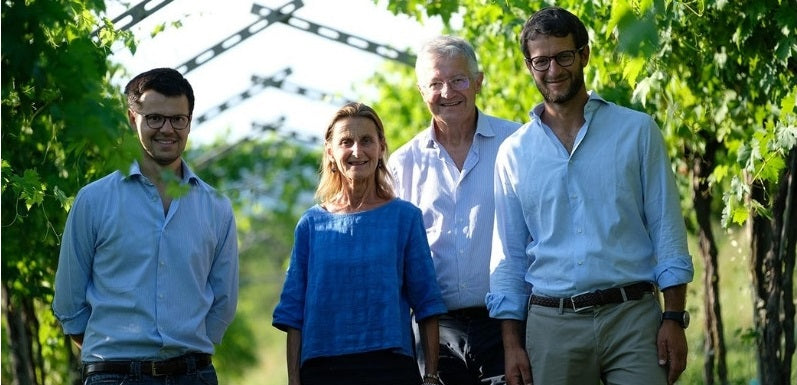
The Brigaldara winery is located near the village of San Floriano, amidst the gentle hills of Valpolicella. The property is completely nestled within a natural park, surrounded by ancient woods, vineyards, and olive groves. The vineyards are cultivated in the Marano valley, one of the valleys in the Classico area of Valpolicella.

Brigaldara

The winery is one of the most interesting entities in the entire denomination from a qualitative perspective.

The wines produced are typical expressions of the Valpolicella region, faithful to the centuries-old traditions of winemaking in the Veronese area and the indigenous grape varieties of the territory.

Region and territory

From Prosecco to Amarone: wines for every taste
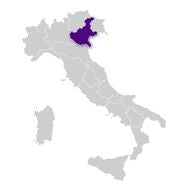
Veneto

From Prosecco to Amarone: wines for every taste
Veneto

From Prosecco to Amarone: wines for every taste
Veneto

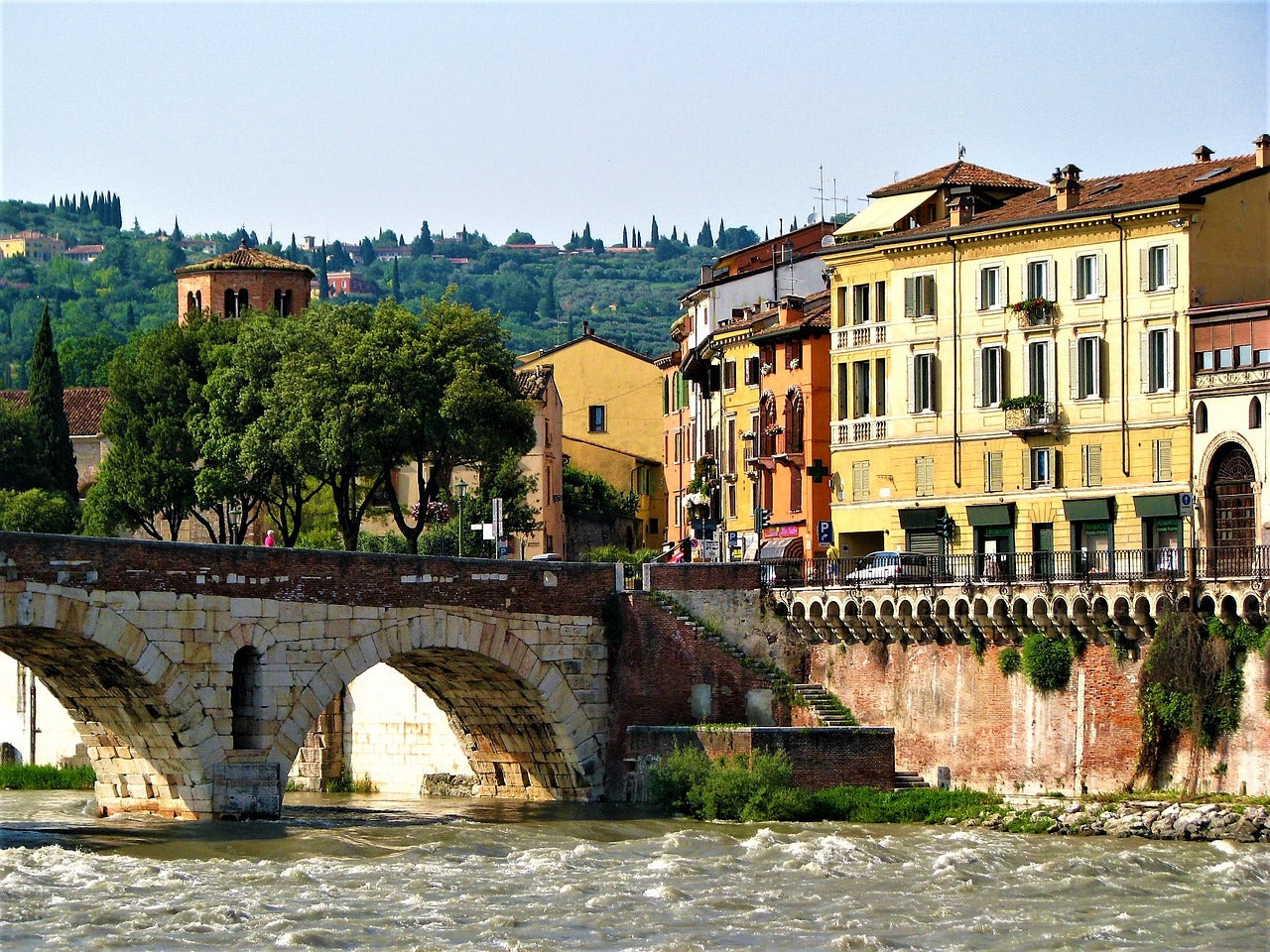
Grapevines have been cultivated in Veneto since the 7th century B.C., perfected by the Romans and continued in the Middle Ages. With Venetian domination from 1405, viticulture almost completely covers the territory, and Veronese wines, thanks to the Adige River, reach Venice. What sets this region apart from many others is the continuous commercial success of its wine products. From the late 18th century, the region experienced a crisis. However, the following century saw a qualitative leap in Venetian wines, also driven by the establishment of the Società Enologica Veronese in 1872. The first edition of Vinitaly took place in 1967.

Veneto has a complex wine production chain. Important areas include the Colline del Garda Veronese and Valpolicella, with Bardolino Superiore DOCG and Amarone della Valpolicella DOCG. Worth noting is the interregional Lugana DOC, between the provinces of Verona and Mantua. In the volcanic hills between the provinces of Verona and Vicenza lies the area of Soave Superiore DOCG, Soave DOC, and Gambellara DOC. The Colli Berici DOC, south of Vicenza, is known for its reds based on international varieties and Tocai Rosso. The Breganze DOC area, north of Vicenza, is renowned for its reds and whites based on Vespaiola grapes. In the Paduan area, there are the Colli Euganei with the Moscato Fior d’Arancio DOCG, while to the south lies the Friularo di Bagnoli DOCG. In Treviso, we find the Prosecco DOCG and the Colli di Conegliano DOCG. At the borders with Friuli is the Lison DOCG.

The presence of mountain ranges, hills, and vast plains provides significant temperature variations, mitigated near Lake Garda and along the coast. Veneto is therefore rich in diverse wines, made with both native and international grape varieties that find a second home here.

Valpolicella

The Valpolicella region, located in the province of Verona amidst hills and valleys north of the city of Verona, in Veneto, extends from the Adige River valley on its western side to the volcanic territories of the Soave production area on its eastern side. Valpolicella is a controlled designation of origin (DOC - DOCG) area and includes 3 subzones: Valpolicella Classica, Valpantena, and Estesa.

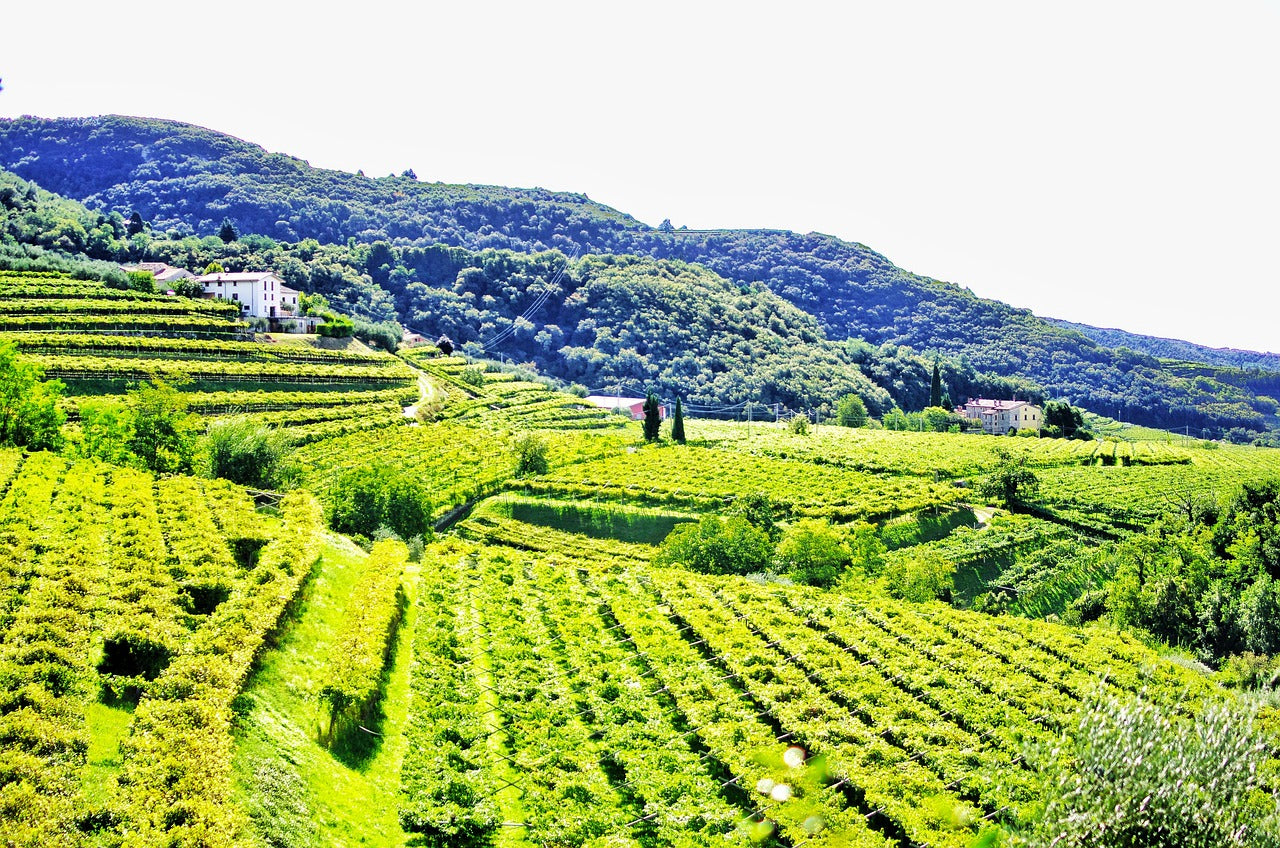
The landscape is extremely rich due to the presence of morphologically varied terrain, which can be divided into three main areas: the calcareous mountainous zone formed by the Monti Lessini; the hilly belt, which hosts a large part of the vineyards; and the valley floor zone.

Consisting of valleys that run north-south, Valpolicella ideally appears as a fan of valleys that emanate from Verona. The landscape is predominantly hilly, with gentle slopes and low ridges, and is virtually dominated everywhere by vineyards, interspersed with olive trees and cherry trees. The geological and climatic characteristics of the territory, unique and varied, are the basis of the great peculiarity and typicality of its wines.

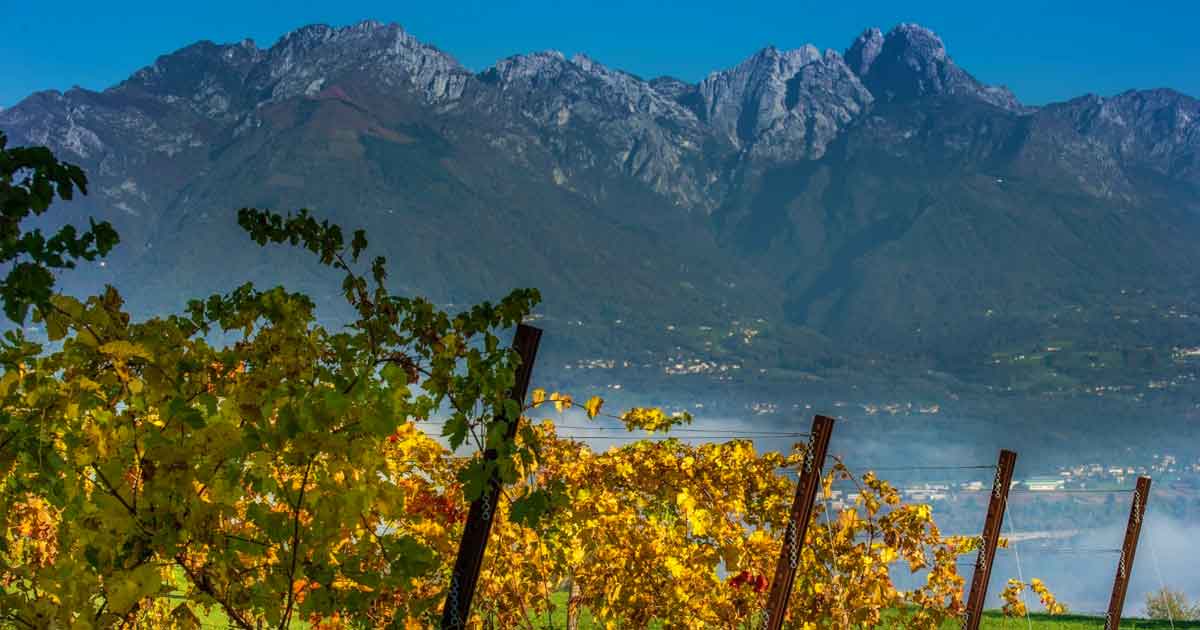
The unique and varied territory offers ideal geological and climatic conditions for the production of distinctive wines.

Recommended pairings and dishes

Matching by concordance

By analogy, this great red wine pairs divinely with dishes that share intensity, structure, and aromatic complexity. It naturally harmonizes with plates that express notes of ripe fruit, sweet spices, toasted nuances, or long cooking methods. For this reason, it is perfect with game, substantial roasts, rich ragù, glazed ribs, as well as aromatic cheeses that echo its sensory richness.

Matching by contrast

You can play with its freshness and acidic backbone: its lively acidity and firm yet balanced tannins contrast very well with the succulence of red meats and the richness of aged cheeses. It is precisely this balance between structure and freshness that cleanses the palate, harmonizing even very rich dishes.

It pairs well with

Stewed or roasted red meats, braised dishes, game, pasta with meat ragù, and aged or semi-aged hard cheeses. It is also excellent with dishes that have a more intense aromatic profile, such as grilled cuts of meat or recipes featuring sweet and oriental spices.

Matching by concordance

By analogy, this great red wine pairs divinely with dishes that share intensity, structure, and aromatic complexity. It naturally harmonizes with plates that express notes of ripe fruit, sweet spices, toasted nuances, or long cooking methods. For this reason, it is perfect with game, substantial roasts, rich ragù, glazed ribs, as well as aromatic cheeses that echo its sensory richness.

Matching by contrast

You can play with its freshness and acidic backbone: its lively acidity and firm yet balanced tannins contrast very well with the succulence of red meats and the richness of aged cheeses. It is precisely this balance between structure and freshness that cleanses the palate, harmonizing even very rich dishes.

It pairs well with

Stewed or roasted red meats, braised dishes, game, pasta with meat ragù, and aged or semi-aged hard cheeses. It is also excellent with dishes that have a more intense aromatic profile, such as grilled cuts of meat or recipes featuring sweet and oriental spices.

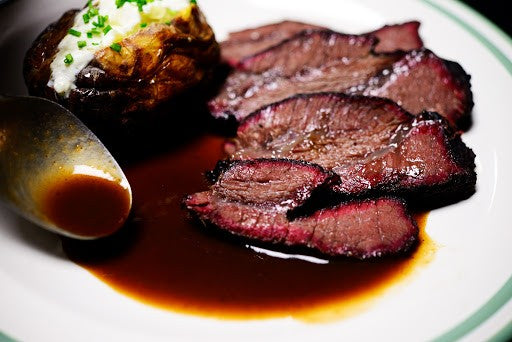
Braised beef in Amarone

An exceptionally refined dish, rich and structured, made with tender, succulent beef slowly cooked in Amarone, which imparts deep notes of ripe red fruit, sweet spices, and a subtle balsamic hint. It is enveloping and flavorful.

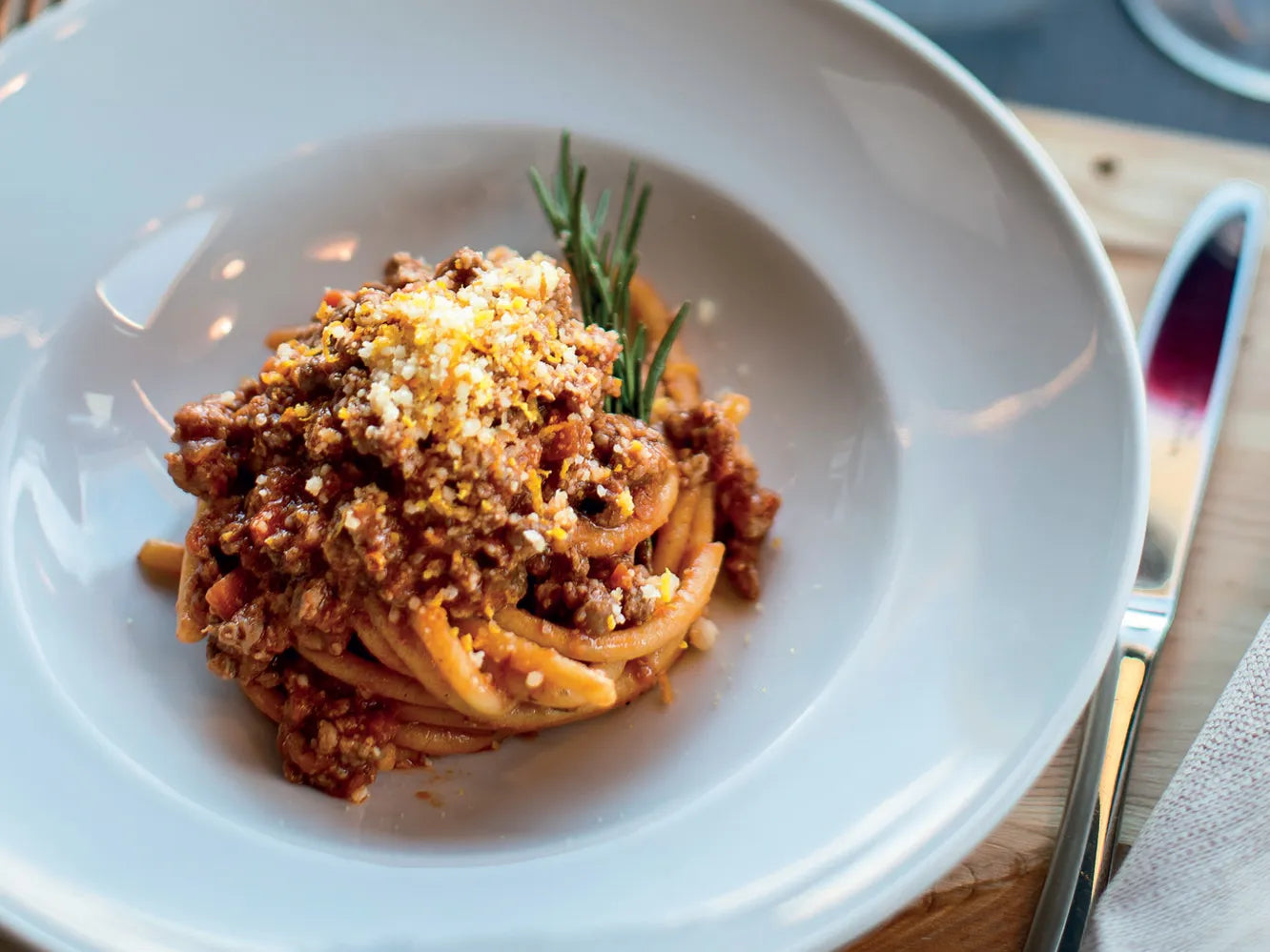
Bigoli al ragù

Egg pasta typical of the hills of Northern Italy, which can be dressed with various ragù sauces including wild boar, duck, or even sardine sauce. A first course rich in aromas, savory, and delicious. Meat preparations can also be enhanced with truffle.

Il Vegro Valpolicella Superiore Ripasso | Brigaldara , did you like it?

Tell us about it by clicking here

Il Vegro Valpolicella Superiore Ripasso | Brigaldara , did you like it?

Tell us about it by clicking here