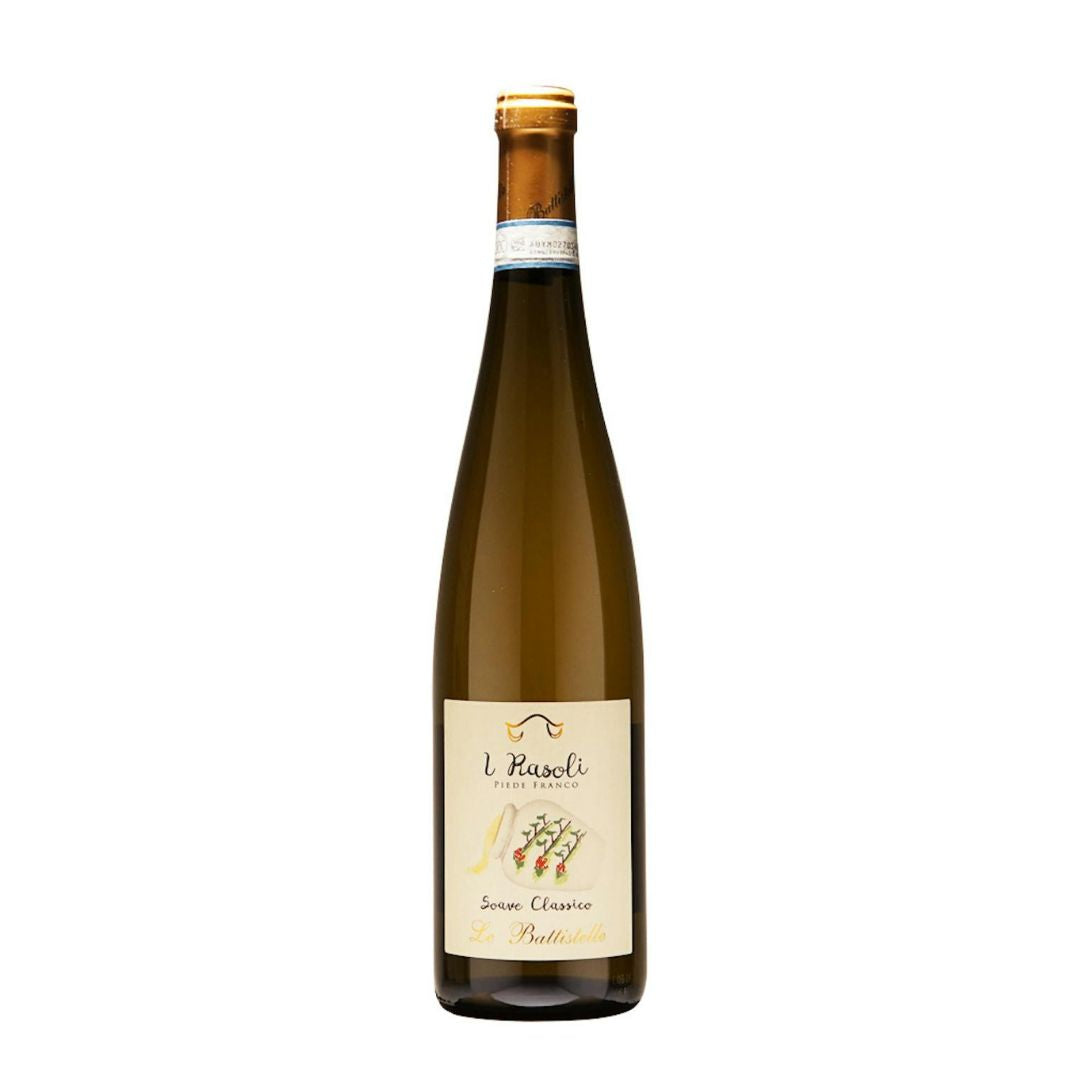
I Rasoli Soave Classico | Le Battistelle

Sale price€37,00

White
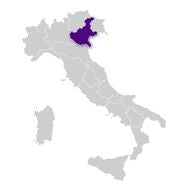
Veneto (IT)
Soave Classico DOC
Garganega 100%
Enjoy it within 6 years
13% ABV

Download as PDF

Production and refinement

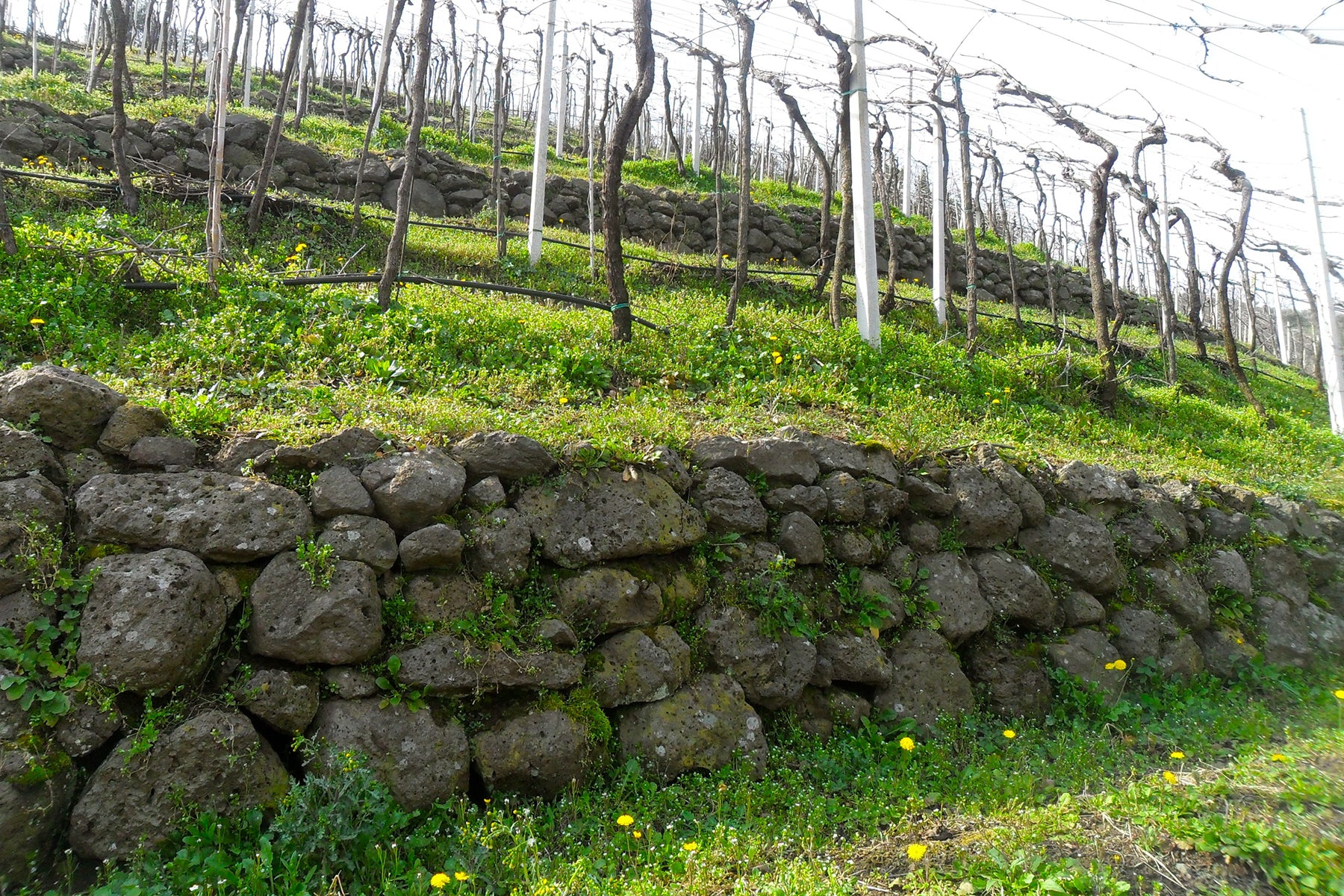
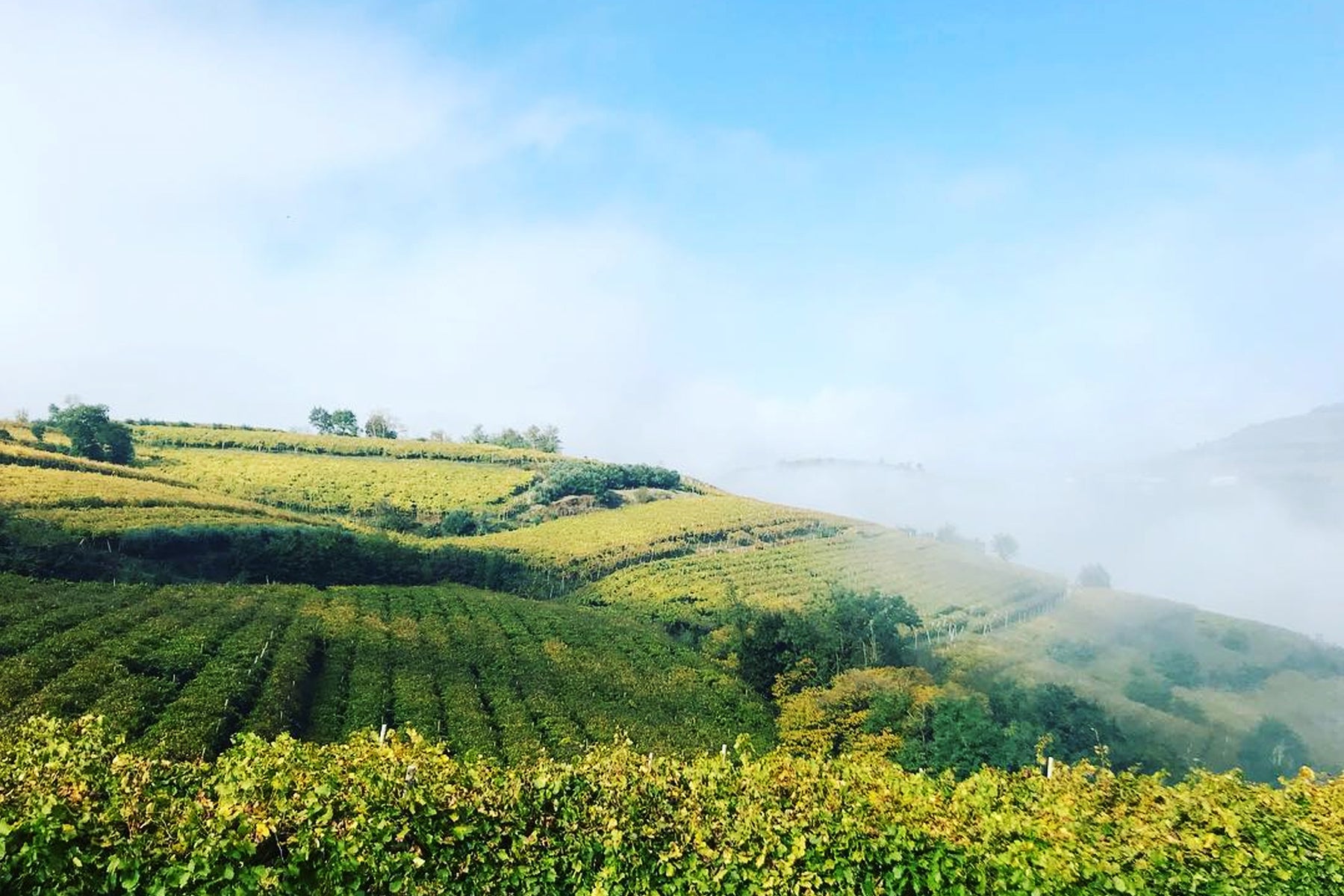
This wine comes from a historically focused viticulture approach, with ungrafted vines (own-rooted) obtained through massal selection from old, over-century-old plants. Production is extremely limited and artisanal, with a strong emphasis on preserving the genetic memory of both the grape variety and the territory. The Garganega grapes come from a micro-vineyard of about 650 m² located in “Carbonare,” in Brognoligo, within the municipality of Monteforte d’Alpone (Verona), at 270 meters above sea level. The vineyard is planted on volcanic soils, mainly basaltic and tuffaceous in origin, which give the wine a marked mineral and savory character. The vines, ungrafted, are trained using the single pergola Veronese system and derive from genetic material selected from historic pre-phylloxera vines. Harvesting is done by hand and is highly selective, with extremely low yields due to the very small size of the vineyard. The aim is to preserve the authentic expression of a vineyard that stands as a living testimony to the history of Soave.

After a gentle manual pressing using a traditional press, the must ferments in stainless steel at low temperature for about 20 days. Vinification is carried out in an essential way to preserve the aromatic purity of Garganega and its mineral character.

The wine is then aged in lightly glazed terracotta amphorae, a process that allows controlled micro-oxygenation without adding external aromas, while preserving the varietal and territorial identity intact.

Organoleptic analysis

Visual exam

Intense straw yellow with golden reflections. The appearance is bright and dense.

Olfactory examination

Fine and terroir-driven on the nose. It reveals notes of yellow-fleshed fruit such as peach, apricot, and ripe apple, accompanied by wildflowers and hawthorn. The profile is completed by delicate citrus hints, flint, saline nuances, and a subtle smoky trace derived from its volcanic origin.

Tasting

The palate is direct and vibrant. The attack is fresh, supported by a well-defined acidity and marked savoriness. The structure is surprisingly solid for such a small vineyard, with a tense, mineral-driven mid-palate. The finish is long, saline, and slightly almond-like, with citrus echoes and great gustatory precision.

Contents index

From the vineyard to the table: discover our wine

Ready for a journey to discover I Rasoli Soave Classico | Le Battistelle ? We will now take you to delve deeper into every aspect of this exceptional wine through three key sections:

Cellar

Come and learn about the history and values ​​of the winery which passionately grows and transforms grapes into wine

Territory

Immerse yourself in the land that gives life to these unique grapes, discovering the climate and terroir that influence its character

Pairings

Get expert advice on the perfect pairings that will enhance both the wine and your meal

The winery

Country: Italy

Region: Veneto, Verona

Hectares of vineyards: 9

Le Battistelle

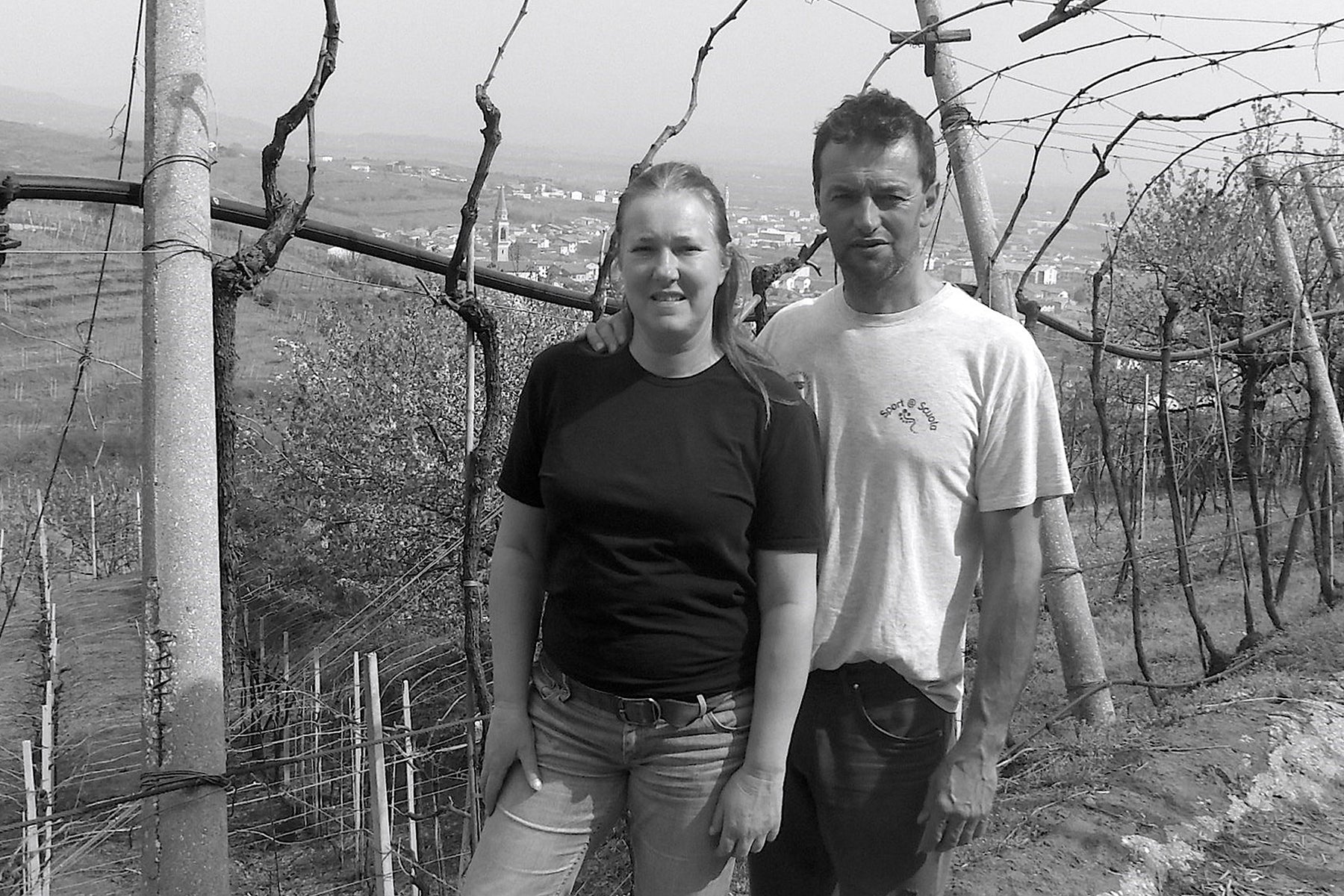
Le Battistelle was born in the heart of Soave Classico, in the hamlet of Brognoligo, among the hills of Monteforte d’Alpone (VR). The estate takes its name from its most representative vineyard: the Battistelle slope. Cristina and Gelmino, owners and creators of the project, have over the years built a well-established reality that reflects the terroir and their passion for Garganega. All of this takes place in heroic vineyards, whose steep slopes require entirely manual work.

Le Battistelle

With 9 hectares of vineyards, the winery cultivates exclusively this variety, taking full advantage of the ideal conditions provided by the climate, altitude, and constant vineyard breezes. The combination of volcanic soil and artisanal care produces elegant, mineral, and distinctive wines that convey the unique character of Soave Classico.

Region and territory

From Prosecco to Amarone: wines for every taste
Veneto

From Prosecco to Amarone: wines for every taste
Veneto

From Prosecco to Amarone: wines for every taste
Veneto

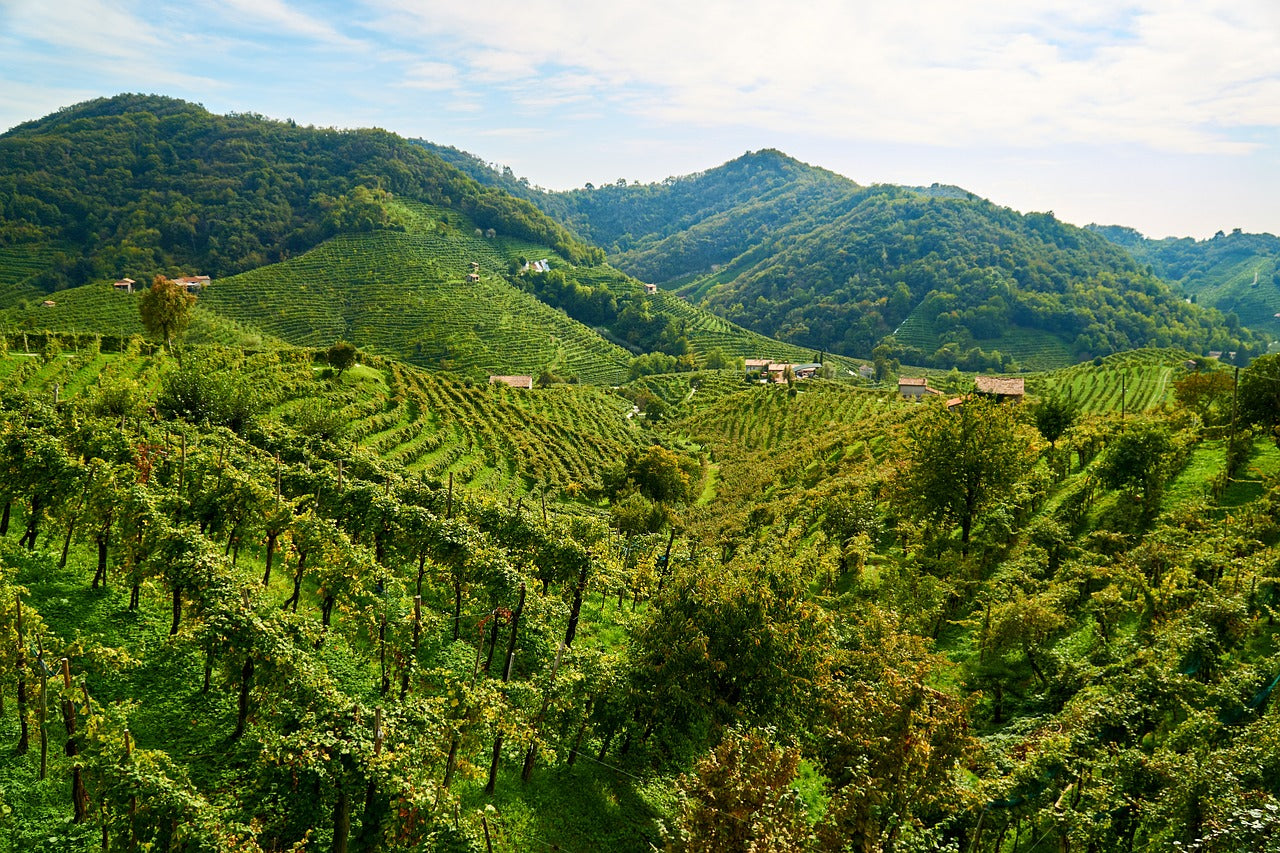
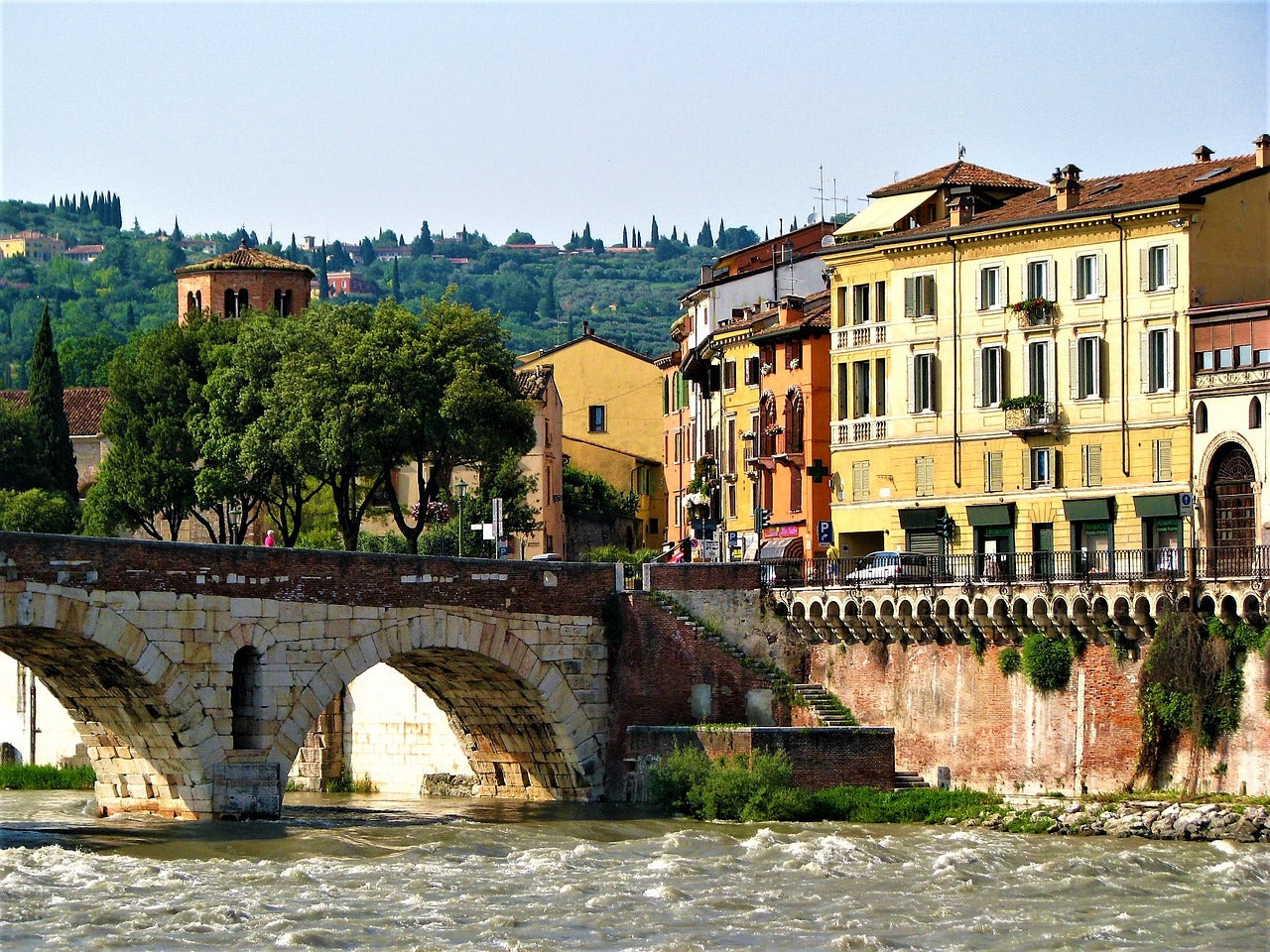
Grapevines have been cultivated in Veneto since the 7th century B.C., perfected by the Romans and continued in the Middle Ages. With Venetian domination from 1405, viticulture almost completely covers the territory, and Veronese wines, thanks to the Adige River, reach Venice. What sets this region apart from many others is the continuous commercial success of its wine products. From the late 18th century, the region experienced a crisis. However, the following century saw a qualitative leap in Venetian wines, also driven by the establishment of the Società Enologica Veronese in 1872. The first edition of Vinitaly took place in 1967.

Veneto has a complex wine production chain. Important areas include the Colline del Garda Veronese and Valpolicella, with Bardolino Superiore DOCG and Amarone della Valpolicella DOCG. Worth noting is the interregional Lugana DOC, between the provinces of Verona and Mantua. In the volcanic hills between the provinces of Verona and Vicenza lies the area of Soave Superiore DOCG, Soave DOC, and Gambellara DOC. The Colli Berici DOC, south of Vicenza, is known for its reds based on international varieties and Tocai Rosso. The Breganze DOC area, north of Vicenza, is renowned for its reds and whites based on Vespaiola grapes. In the Paduan area, there are the Colli Euganei with the Moscato Fior d’Arancio DOCG, while to the south lies the Friularo di Bagnoli DOCG. In Treviso, we find the Prosecco DOCG and the Colli di Conegliano DOCG. At the borders with Friuli is the Lison DOCG.

The presence of mountain ranges, hills, and vast plains provides significant temperature variations, mitigated near Lake Garda and along the coast. Veneto is therefore rich in diverse wines, made with both native and international grape varieties that find a second home here.

Soave

Grapevines have been cultivated here since Roman times.

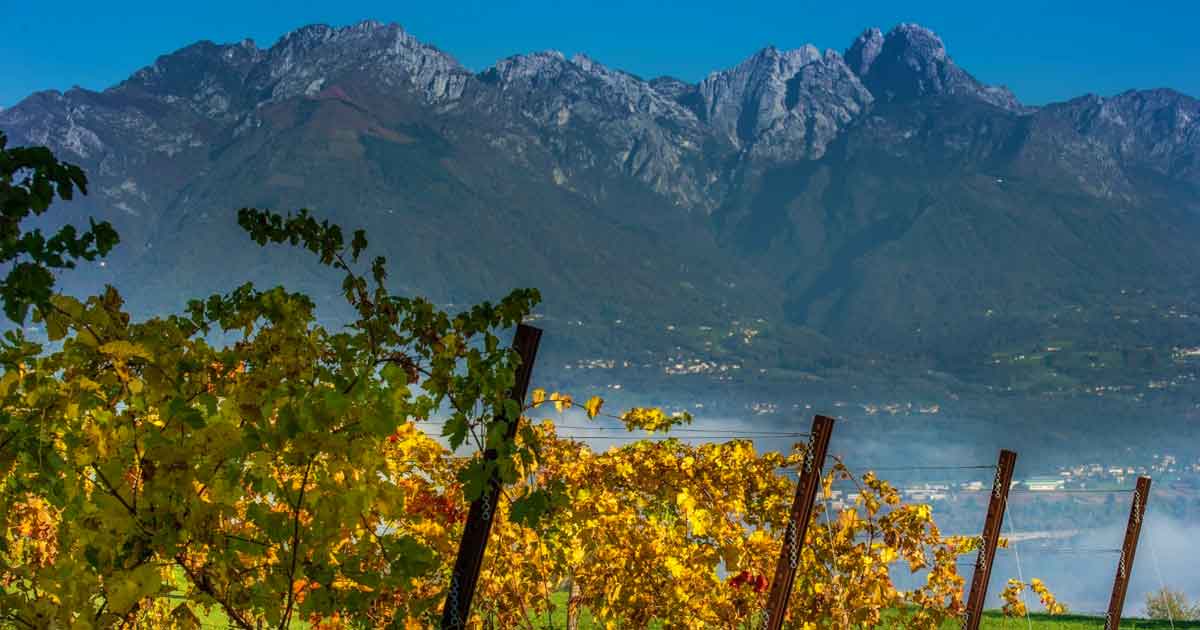
The Soave vineyards lie within a large volcanic basin. There is a profound relationship between soils composed of basalt and the flavor richness found in the glass. Basalts are volcanic rocks formed through successive cycles of eruptions, spanning three geological cycles in a submarine environment. These eruptions produced volcaniclastic materials of varying colors—from gray to yellow to red—depending on the formation environment and degree of oxidation. The action of exogenous agents then shaped the landscape, creating the stunning territory we see today.

But it’s not just basalt: the black stone is mixed with white limestone, creating a blend of minerals that greatly benefit the vineyards. The limestones are what remain of ancient submarine seabeds; these calcium-rich sediments, deposited on the sea floor, trapped animals and shells, which we can still recognize today as fossils in the most curious and varied shapes. All of this creates truly special conditions for grape cultivation.

In 1931, the first delimited zone for the production of “Vino Tipico Soave” was recognized, while the historical area of the Soave Classico DOC was delimited in 1968.

As for the grapes grown in the area, Garganega reigns supreme. It has a long vegetative cycle, reaching full ripeness in October; its skin is thick and often a deep yellow due to the prolonged ripening. It does not have pronounced acidity but offers a fascinating balance between extract and sugars.

There is a profound relationship between soils composed of basalt and the flavor richness found in the glass.

Recommended pairings and dishes

Matching by concordance

An important white wine that calls for aromatic, equally structured dishes. Notes of yellow fruit, white flowers, and citrus harmonize with preparations such as baked fish, seafood risottos, lemon chicken, and spring vegetable dishes. The wine’s floral component enhances the delicacy of these preparations.

Matching by contrast

The pronounced savoriness and mineral tension effectively counterbalance the richness of fried fish, butter- or cream-based dishes, and more structured preparations such as seafood lasagna or spiced dishes, cleansing the palate and maintaining freshness.

It pairs well with

Seafood first courses, seafood risottos, spaghetti with clams, pasta and beans, dishes based on white fish, shellfish, light white meats, grilled vegetables, Mediterranean vegetarian cuisine, and fresh or medium-aged cheeses.

Matching by concordance

An important white wine that calls for aromatic, equally structured dishes. Notes of yellow fruit, white flowers, and citrus harmonize with preparations such as baked fish, seafood risottos, lemon chicken, and spring vegetable dishes. The wine’s floral component enhances the delicacy of these preparations.

Matching by contrast

The pronounced savoriness and mineral tension effectively counterbalance the richness of fried fish, butter- or cream-based dishes, and more structured preparations such as seafood lasagna or spiced dishes, cleansing the palate and maintaining freshness.

It pairs well with

Seafood first courses, seafood risottos, spaghetti with clams, pasta and beans, dishes based on white fish, shellfish, light white meats, grilled vegetables, Mediterranean vegetarian cuisine, and fresh or medium-aged cheeses.

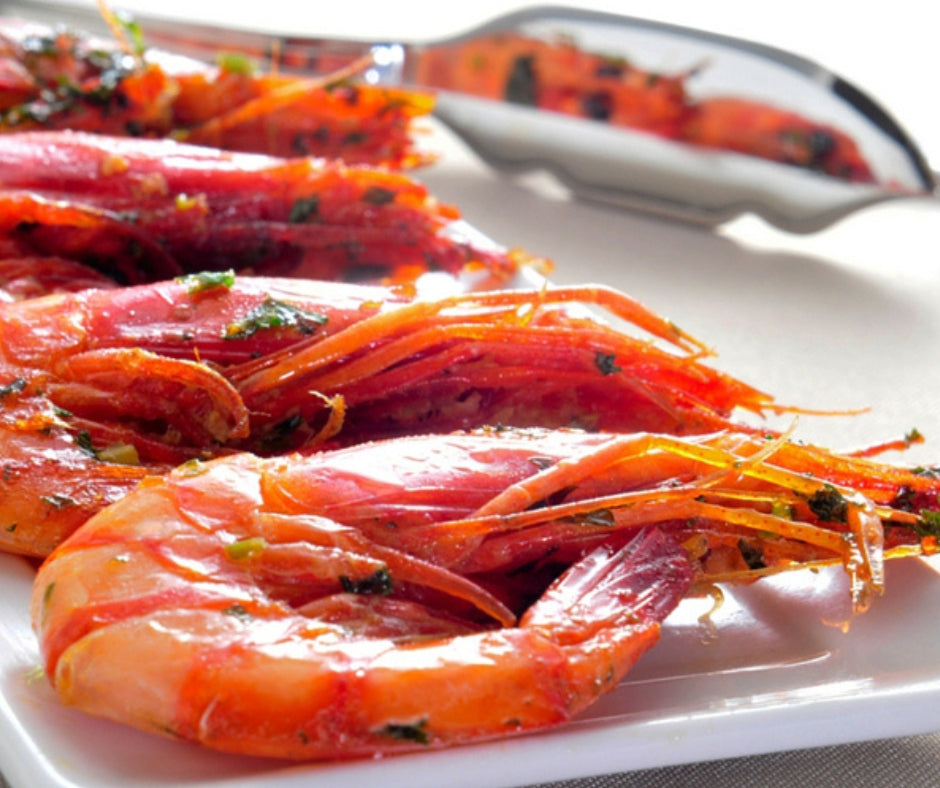
Shellfish

Shrimp, prawns, and various shellfish make for a sophisticated dish for special occasions: the flavorful and delicate flesh, along with the scents of the sea, offer a unique culinary experience.

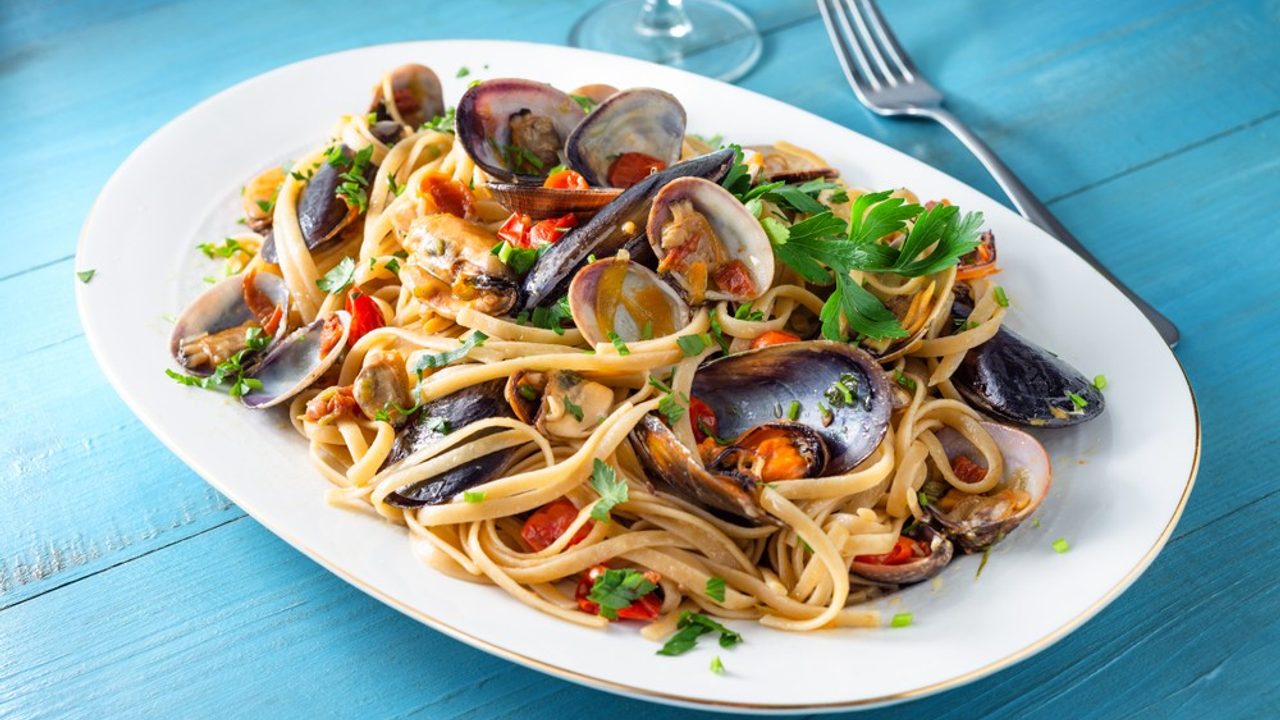
Seafood Pasta

A light, fragrant, and tasty seafood first course, typical of Italian cuisine, that encapsulates the true flavors and aromas of the sea. Simple to prepare, with a guaranteed impressive result!

I Rasoli Soave Classico | Le Battistelle , did you like it?

Tell us about it by clicking here

Review

I Rasoli Soave Classico | Le Battistelle , did you like it?

Tell us about it by clicking here

Review