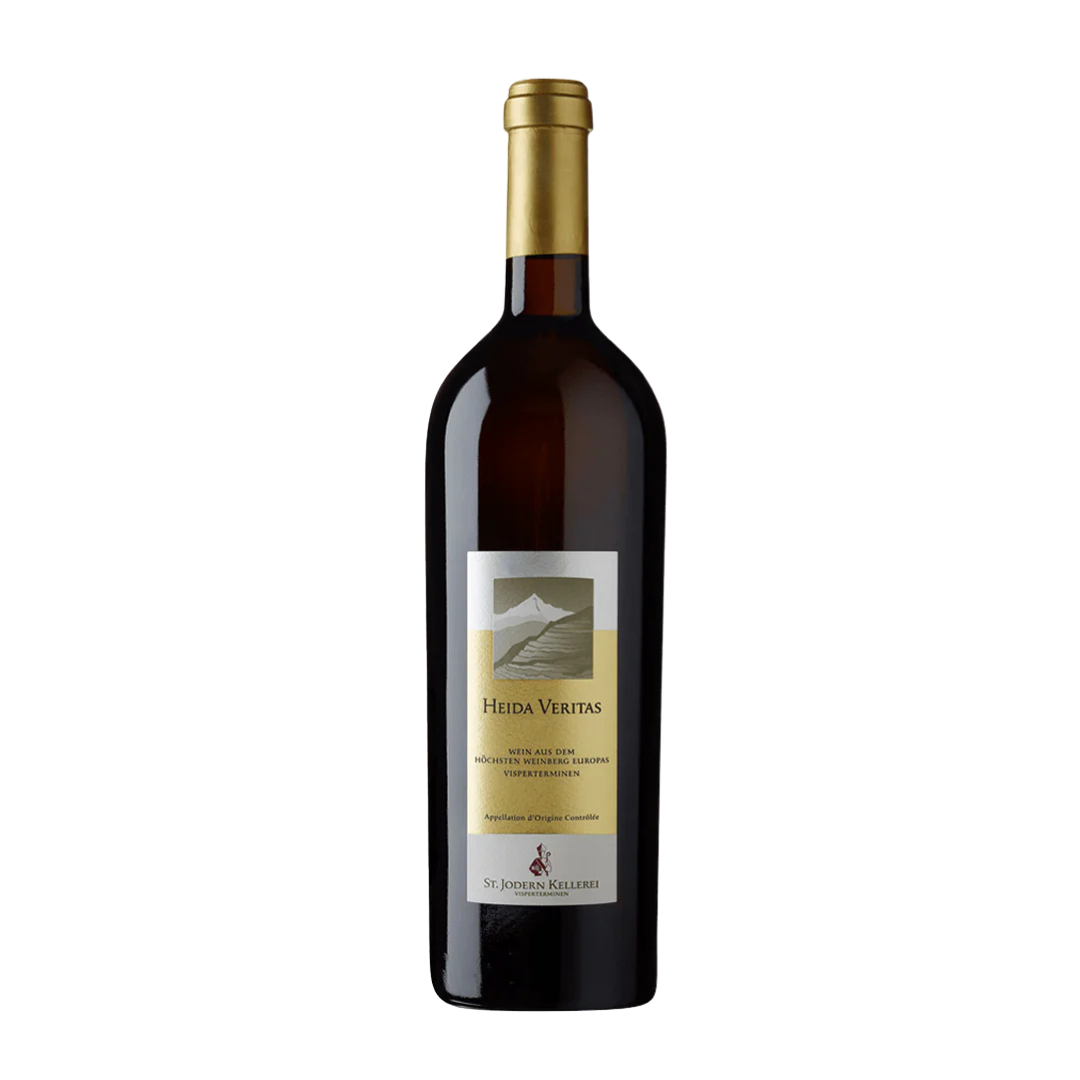
Heida Veritas | St. Jodern Kellerei

Sale price€125,00

White
Vallese (CH)
AOC Valais
Heida (Savagnin Blanc)
Enjoy it within 6 years
14,7% ABV

Download as PDF

Production and refinement

The wine is made from 100% Heida (Savagnin Blanc), a historic variety of the Valais. The oldest vines are over a century old and grow in an alpine environment characterized by strong temperature variations, ideal conditions for preserving freshness and aromatic complexity in the grapes. The presence of ungrafted vines is a rarity in the European wine landscape and helps reinforce the wine’s distinctive identity.

Vinification follows a traditional approach, aimed at maximizing the varietal purity and natural structure of Heida. After fermentation, the wine is carefully aged, allowing it to develop complexity and aromatic depth.

Organoleptic analysis

Visual exam

In the glass, it shows an intense and bright straw yellow color, a sign of concentration and ripeness.

Olfactory examination

The bouquet is refined and complex, with notes of citrus, crisp apple, and exotic fruit, enriched by elegant hints of hazelnut and orange peel that give an intriguing aromatic depth.

Tasting

On the palate, the attack is soft and round, followed by a firm and linear structure that supports the aromatic intensity. The wine is powerful yet harmonious, with lively citrus freshness that accompanies the sip through to a slightly bitter and very persistent finish, leaving a long and unforgettable impression.

Contents index

From the vineyard to the table: discover our wine

Ready for a journey to discover Heida Veritas | St. Jodern Kellerei ? We will now take you to delve deeper into every aspect of this exceptional wine through three key sections:
Cellar

Come and learn about the history and values ​​of the winery which passionately grows and transforms grapes into wine

Territory

Immerse yourself in the land that gives life to these unique grapes, discovering the climate and terroir that influence its character

Pairings

Get expert advice on the perfect pairings that will enhance both the wine and your meal

The winery
Country: Switzerland

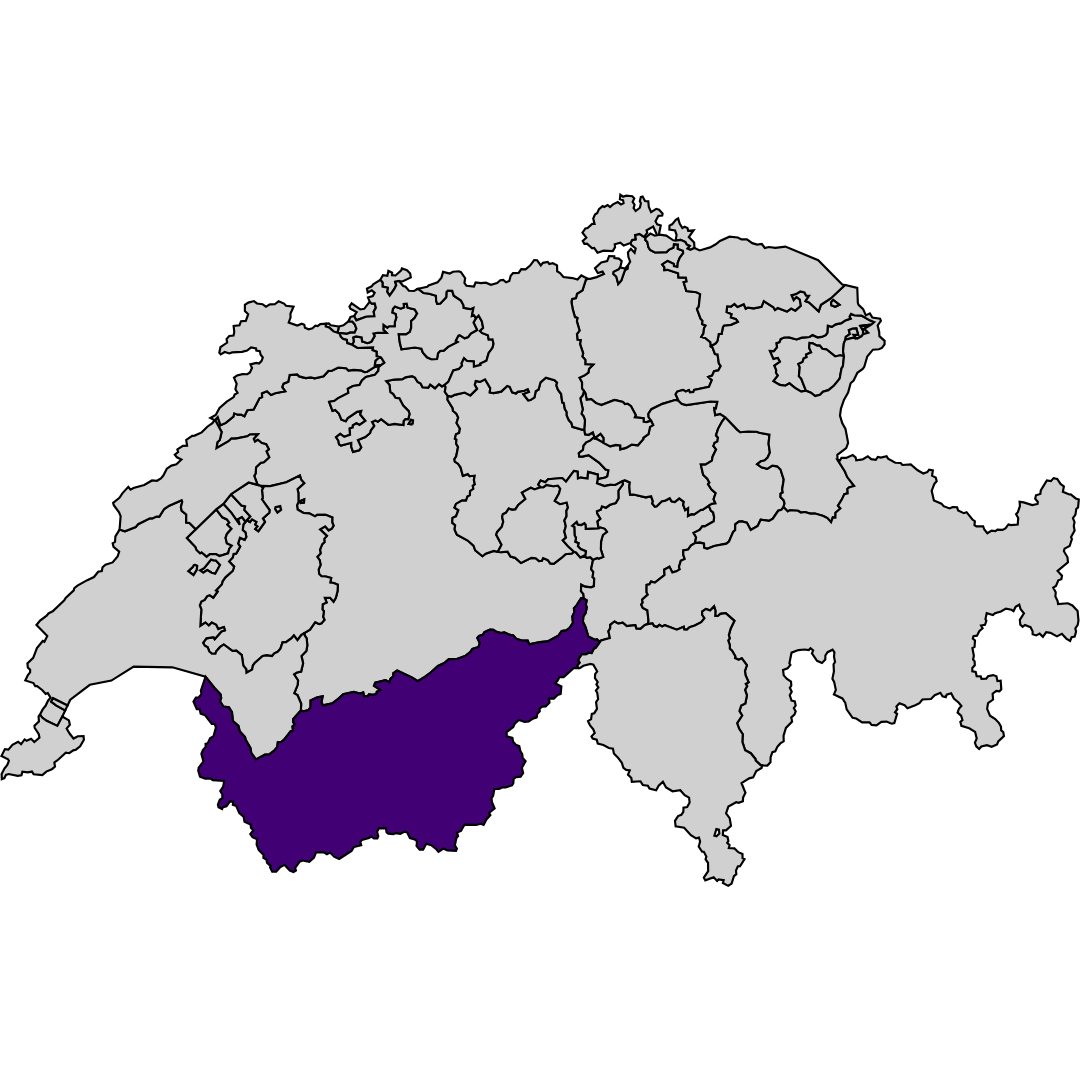
Region: Valais

Hectares of vineyards: 42

St. Jodern Kellerei

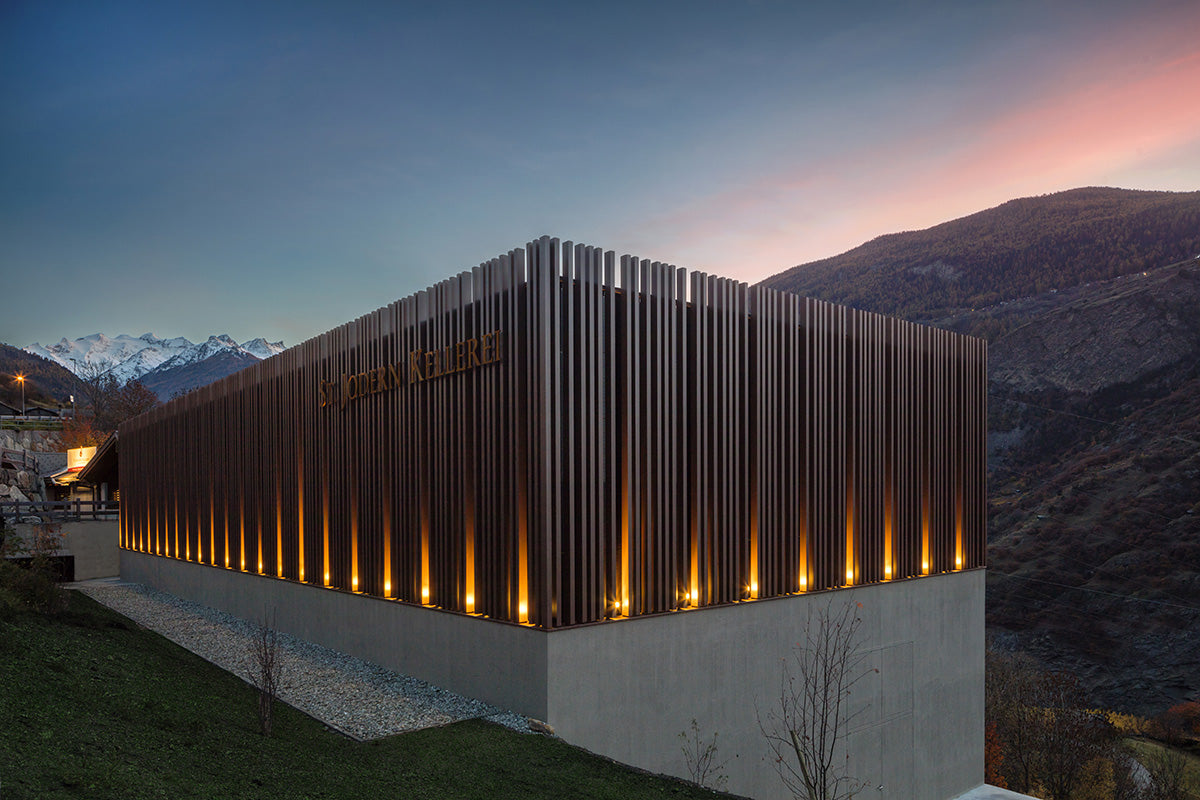
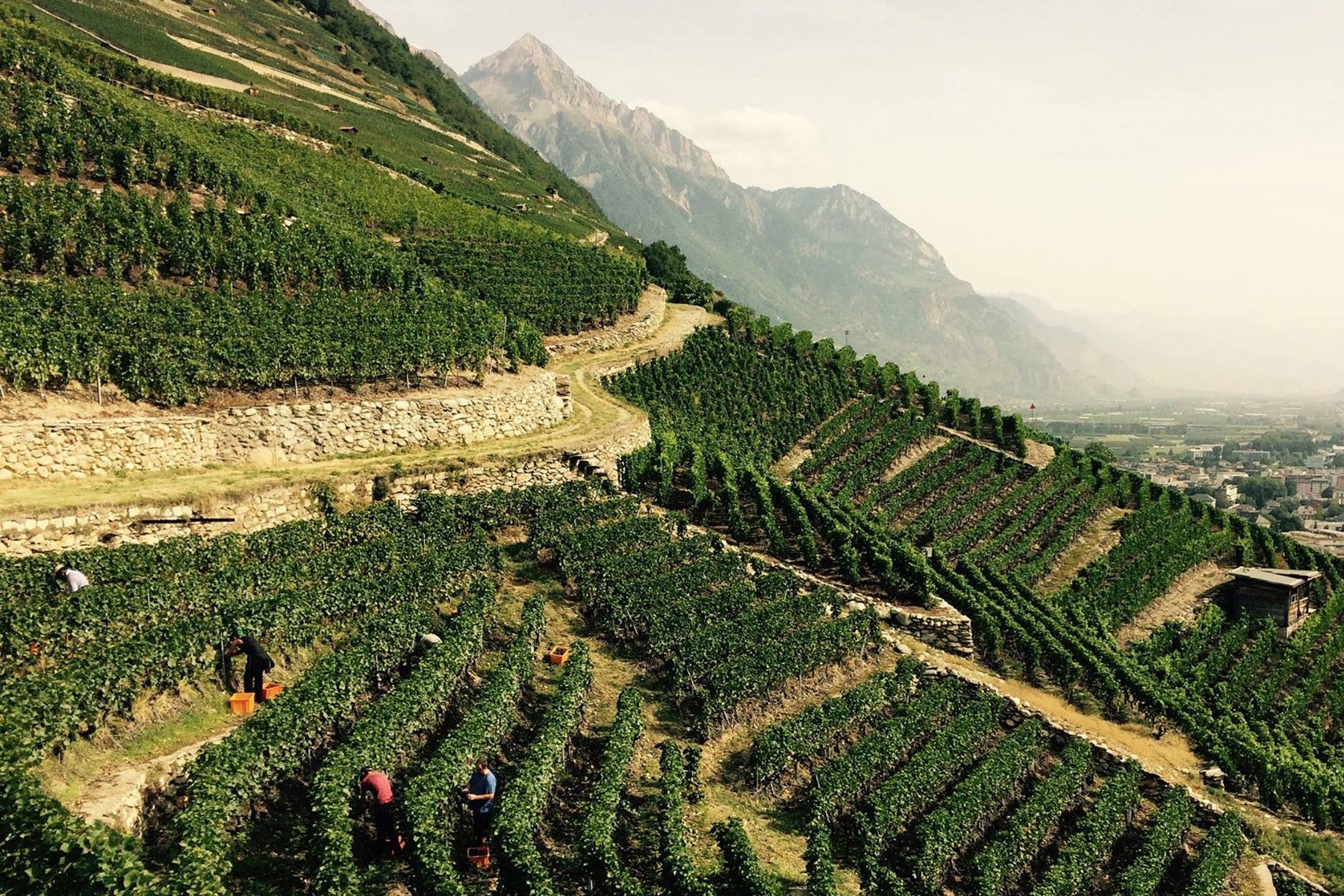
St. Jodern Kellerei is one of the most emblematic wineries in the village of Visperterminen, in the Canton of Valais, a region famous for hosting one of the highest-altitude vineyards in Europe.

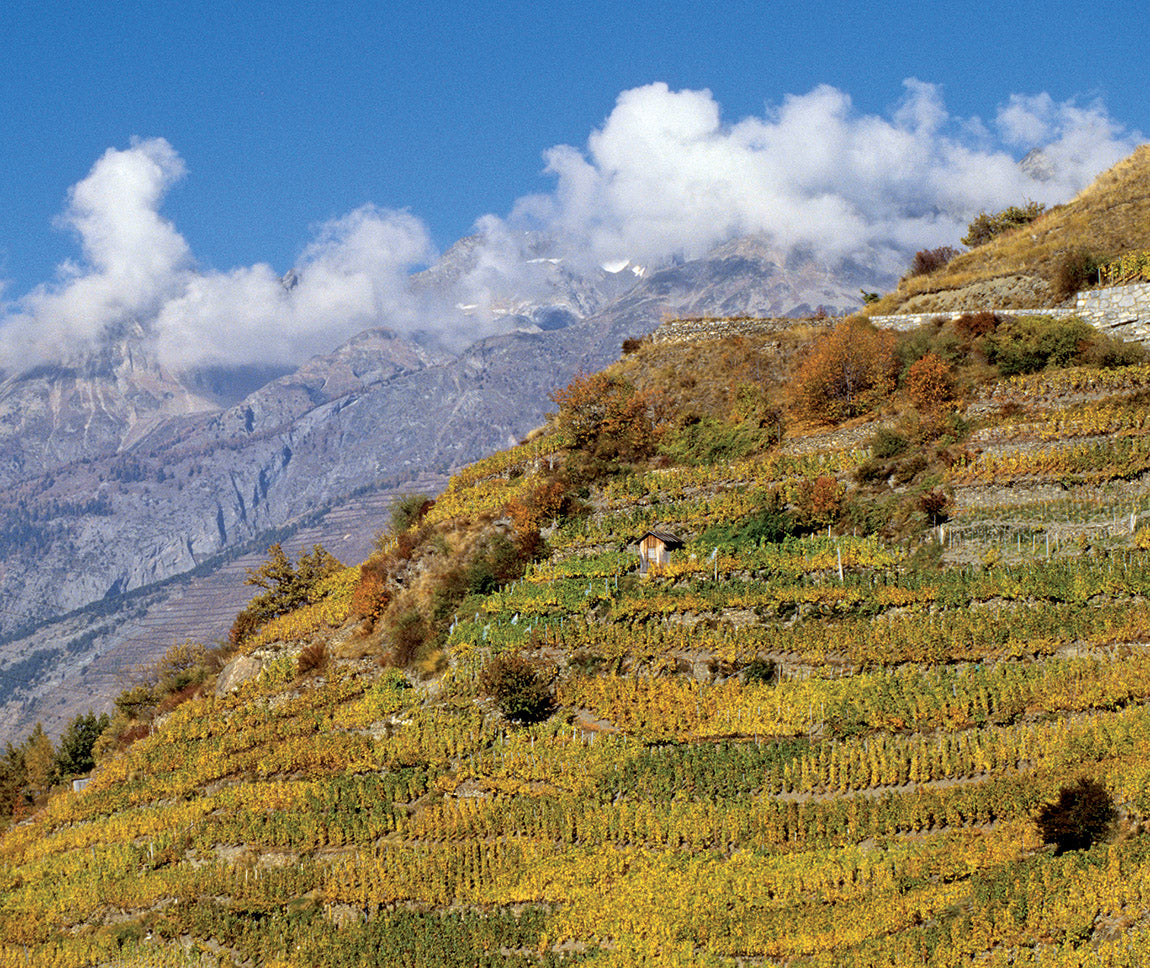
Here, viticulture is a centuries-old tradition, carried out on steep, sunny terraces that allow the grapes to ripen slowly, developing great aromatic concentration.

St. Jodern Kellerei

The winery is particularly renowned for promoting the Heida grape, an ancient variety deeply tied to the Alpine terroir.

Some of the vineyards used for this wine are over 100 years old and are still cultivated on ungrafted rootstock, a rare practice that helps preserve the plant’s genetic authenticity and gives the wine a unique character.

Region and territory

A small region, a unique heritage
Switzerland

A small region, a unique heritage

Switzerland

A small region, a unique heritage

Switzerland

Switzerland, from a viticultural perspective, is a small country with only 15,000 hectares of vineyards, representing just 0.2% of the global vineyard area. Of these, three-quarters are located in the French-speaking part of Switzerland. The total annual wine production is approximately 1.1 million hectoliters, but consumption is predominantly domestic: less than 2% of production is exported, making Swiss wines an exclusive experience that's hard to find outside the country.

Despite its small size, viticulture in Switzerland plays a crucial cultural, social, geographical, and economic role. Swiss winemaking has ancient roots: the Romans introduced viticulture to the region over 2,500 years ago. Today, vineyards are an integral part of Swiss landscapes, contributing to their uniqueness and charm.

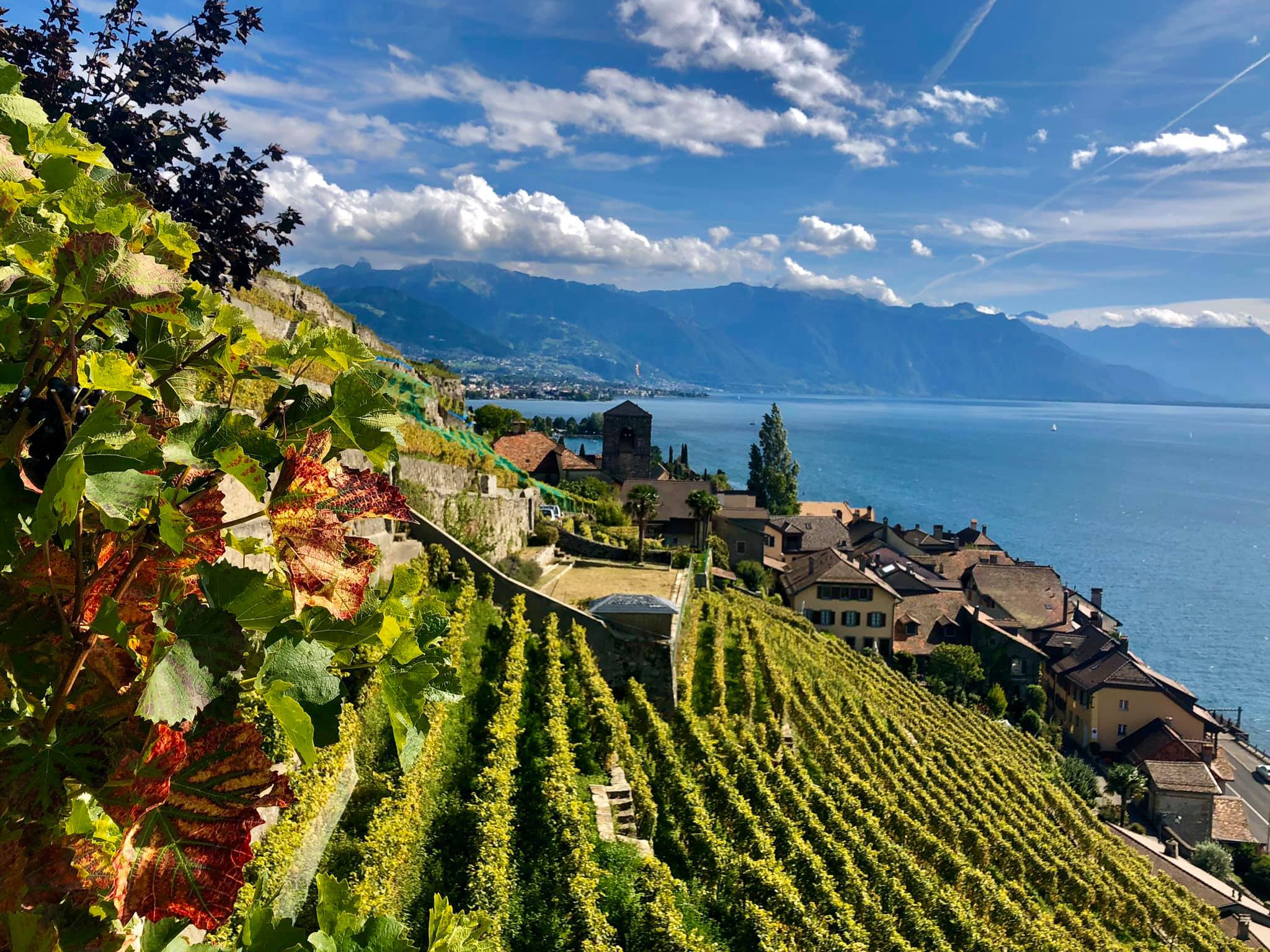
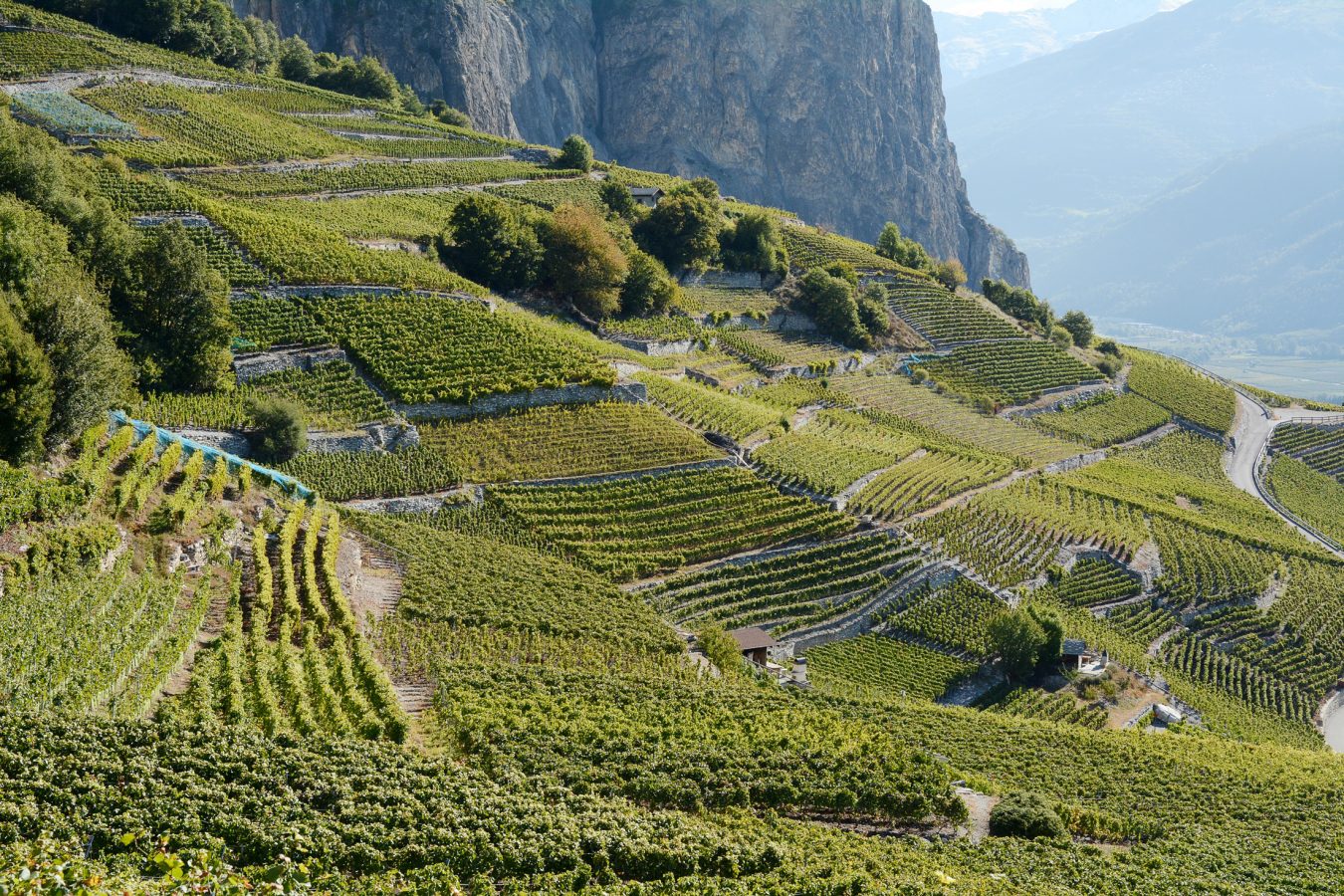
An emblematic example of Swiss viticulture is the spectacular terraced vineyards of Lavaux and Valais, constructed by monks during the Middle Ages to optimize viticulture on steep, difficult terrain. These terraces, surrounded by stone walls, are now a cultural heritage recognized and appreciated worldwide.

In such a fragmented landscape, with hundreds of small plots, Swiss winemakers have focused on quality and typicity. This strategy is not only a necessity given the limited scale of production but also a way to highlight the unique characteristics of the Swiss terroir and indigenous grape varieties, making Swiss wines a true expression of tradition and local identity.

Valais

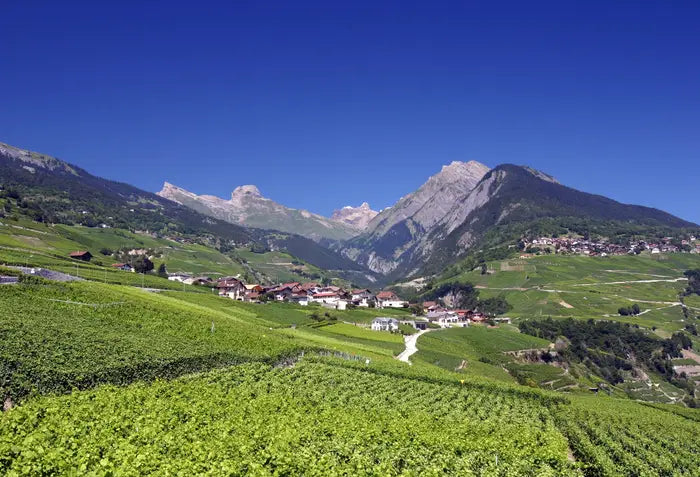
Valais is the main wine-producing canton of Switzerland and represents the heart of the country’s winemaking. With around 5,000 hectares of vineyards, it is both the largest and one of the most spectacular regions in terms of landscape. The vineyards develop along the sunny slopes of the Alpine Rhône Valley, often arranged on terraces supported by stone walls, allowing vines to be cultivated under otherwise challenging conditions. The favorable exposure and relatively dry, bright climate enable the grapes to ripen with great aromatic concentration while maintaining good freshness.

Valais is also one of the richest areas in terms of grape diversity. International varieties coexist here with numerous local grapes, some of which are rare or grown on very limited surfaces. Among the whites, Chasselas—locally called Fendant—and typical varieties such as Petite Arvine and Amigne stand out, while the reds include Pinot Noir, the traditional Cornalin, and Humagne Rouge. In some areas, varieties like Savagnin Blanc, locally known as Heida, are also cultivated, capable of producing structured and long-lived white wines.

The combination of altitude, Alpine soils, and strong sun exposure produces wines characterized by intense aromatics, freshness, and a strong sense of place. Valais wines are expressive and structured, with remarkable stylistic diversity reflecting the variety of microclimates and cultivated grape varieties. It is one of the most fascinating and dynamic regions in the Swiss wine landscape.

The main wine-producing canton of Switzerland

Recommended pairings and dishes

Matching by concordance

A white wine that should be paired with elegant and aromatic preparations, sharing the same gustatory complexity. Notes of citrus, apple, and exotic fruit harmonize with refined seafood dishes or structured cheeses, creating a dialogue that further enhances the wine’s depth.

Matching by contrast

The structure and freshness of this great wine allow it to balance particularly rich dishes or those with a significant fatty component. Preparations such as foie gras or buttered shellfish find an effective counterpoint in the wine thanks to its lively acidity and slight bitter note on the finish, which helps cleanse the palate and keep the sip balanced. Dishes based on fish with a firm, meaty texture also benefit from the wine’s tension and structure.

It pairs well with

Foie gras. Caviar. Smoked salmon. Shellfish such as lobster, crab, and scampi. Noble fish such as sea bass. Premium meats such as Châteaubriand Rossini. Aged or blue cheeses. Perfect for important aperitifs and very special occasions.

Matching by concordance

A white wine that should be paired with elegant and aromatic preparations, sharing the same gustatory complexity. Notes of citrus, apple, and exotic fruit harmonize with refined seafood dishes or structured cheeses, creating a dialogue that further enhances the wine’s depth.

Matching by contrast

The structure and freshness of this great wine allow it to balance particularly rich dishes or those with a significant fatty component. Preparations such as foie gras or buttered shellfish find an effective counterpoint in the wine thanks to its lively acidity and slight bitter note on the finish, which helps cleanse the palate and keep the sip balanced. Dishes based on fish with a firm, meaty texture also benefit from the wine’s tension and structure.

It pairs well with

Foie gras. Caviar. Smoked salmon. Shellfish such as lobster, crab, and scampi. Noble fish such as sea bass. Premium meats such as Châteaubriand Rossini. Aged or blue cheeses. Perfect for important aperitifs and very special occasions.

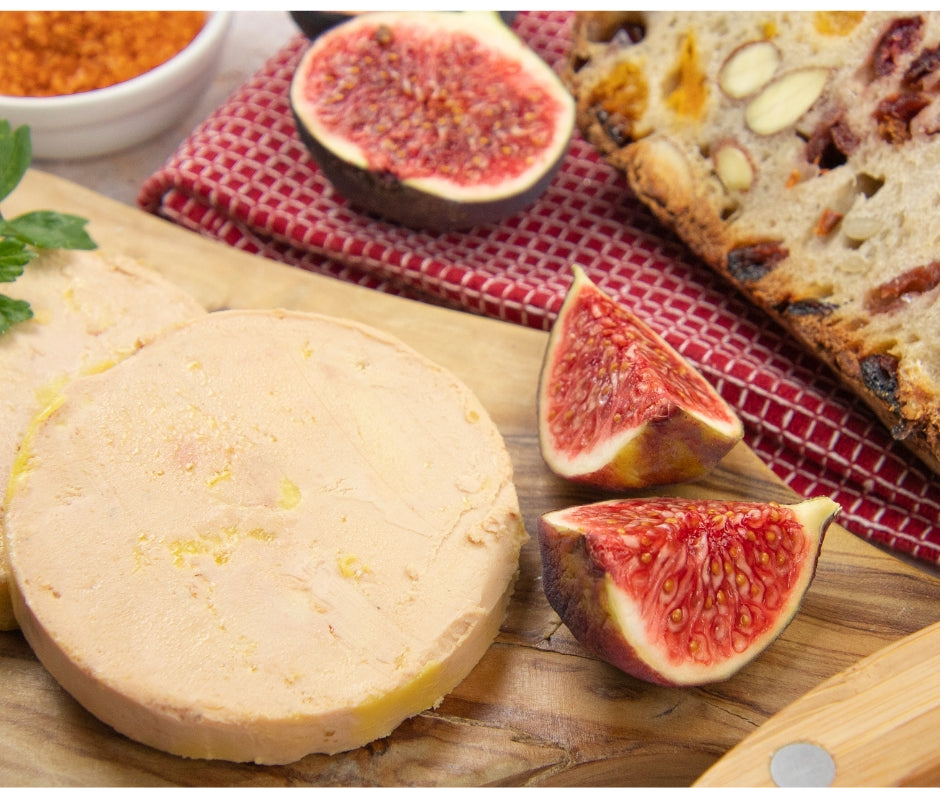
Foie gras

One of the great jewels of French gastronomy, with a smooth and rich flavor, and extraordinary aromatic persistence. Perfect for sumptuous aperitifs, with French crostinis and cheeses.

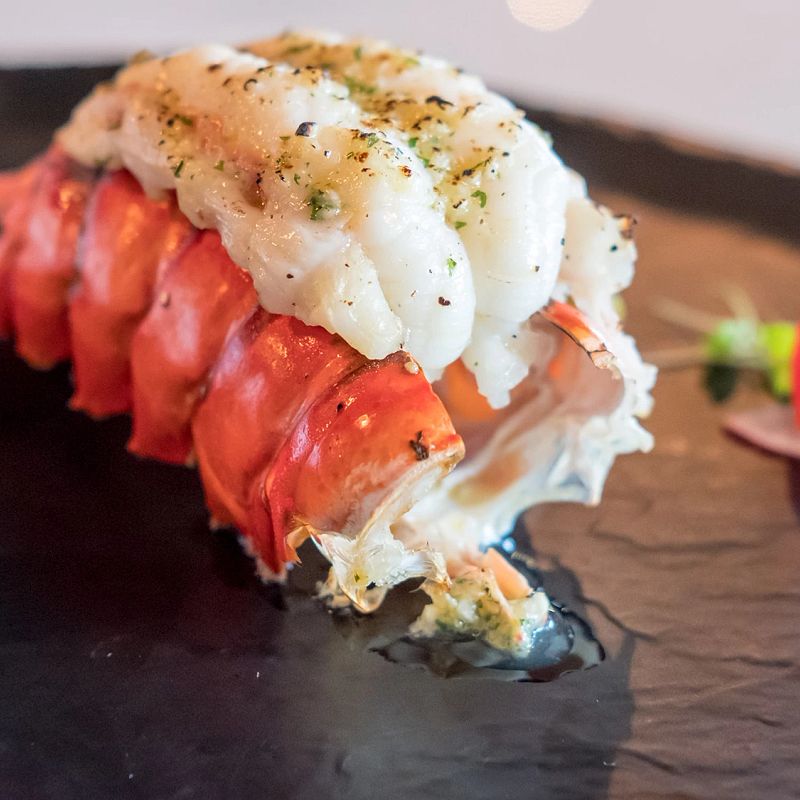
Lobster

For those who appreciate it, lobster is truly the queen of the table, the dish for special occasions. This crustacean lives in the rocky depths of the eastern Atlantic Ocean and the Mediterranean Sea. Its tender white meat is captivating with a flavor that evokes the sea, with a sweet and slightly nutty aftertaste. A true delicacy. There are many possible recipes: lobster with beurre blanc, lobster Thermidor, Parisian-style lobster, lobster in court-bouillon, lobster with Champagne and pilaf rice...

Heida Veritas | St. Jodern Kellerei , did you like it?

Tell us about it by clicking here

Heida Veritas | St. Jodern Kellerei , did you like it?

Tell us about it by clicking here