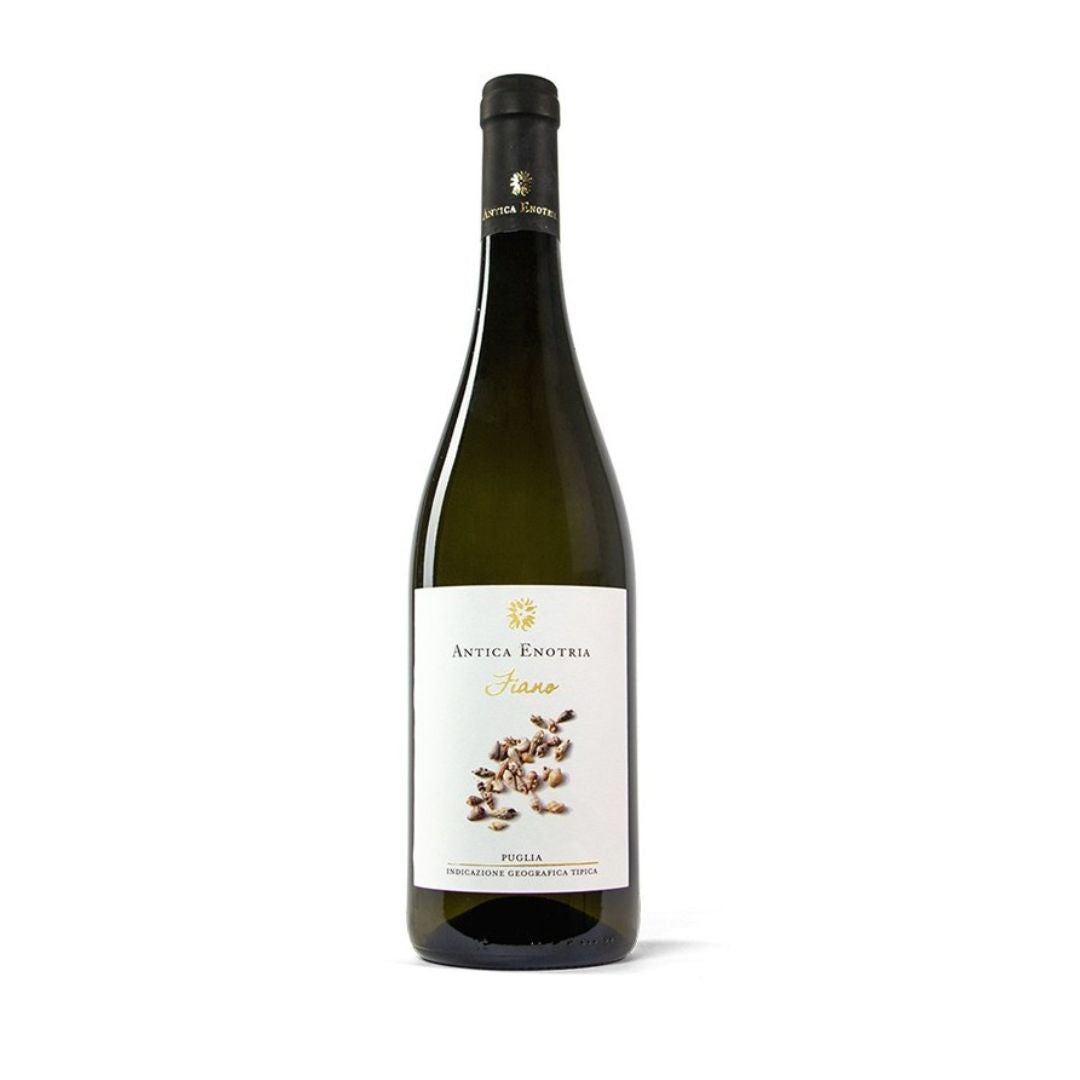
Fiano | Antica Enotria

Sale price€14,00

White
Puglia (IT)
Puglia IGT
Fiano 100%
Enjoy it within 4 years
12,5% ABV

Download as PDF

Production and refinement

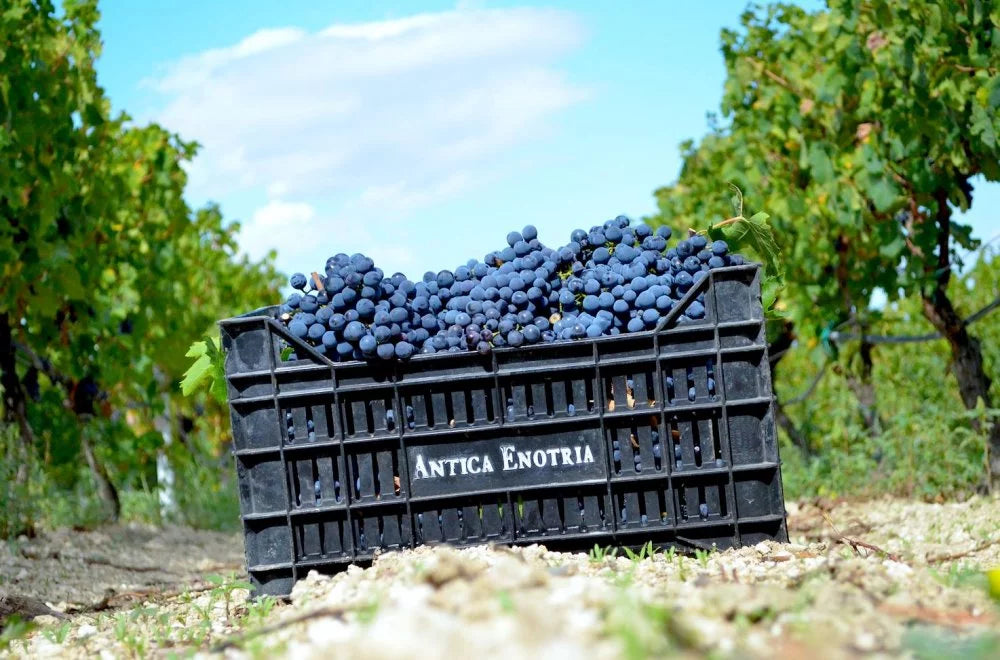
Made from 100% Fiano, grown in the soils of Cerignola, this wine highlights a grape variety historically present in Puglia since the late 13th century, when—according to tradition—it was introduced by Charles II of Anjou. The Tavoliere soils provide good ventilation and slow ripening, with harvest taking place between September and October. The grapes’ natural acidity allows for long-lived, structured wines, characterized by highly precise floral and fruity aromas. The organic approach ensures a respectful cultivation that preserves aromatic integrity and varietal authenticity.

The grapes, organically grown, are destemmed and quickly pressed to preserve their aromatic integrity. A brief maceration of about 8 hours at 20°C with skins and seeds provides structure and olfactory intensity. After gentle pressing, the must ferments at controlled temperature in stainless steel, where the wine rests for 6 months on fine lees, with periodic bâtonnage that enhances volume, complexity, and tactile softness.

Organoleptic analysis

Visual exam

The color is an intense, almost sunlit straw yellow, enriched with golden reflections that suggest fullness and aromatic maturity. The brightness is clear, indicating a clean vinification and a wine crafted with attention to detail.

Olfactory examination

On the nose, yellow flowers, ripe peach, and candied orange stand out—clear, well-layered aromas that convey an immediate sense of Mediterranean richness. The fruity component remains elegant, never overpowering, supported by a mineral undertone that reflects the quality of the grape.

Tasting

The sip is full, flavorful, fresh, and citrusy, with a taste progression that alternates between softness and drive. The finish is long and accompanied by a saline streak that adds energy and character. Overall balance, supported by lees aging, gives the wine a harmonious profile of surprising finesse.

Contents index

From the vineyard to the table: discover our wine

Ready for a journey to discover Fiano | Antica Enotria ? We will now take you to delve deeper into every aspect of this exceptional wine through three key sections:

Cellar

Come and learn about the history and values ​​of the winery which passionately grows and transforms grapes into wine

Territory

Immerse yourself in the land that gives life to these unique grapes, discovering the climate and terroir that influence its character

Pairings

Get expert advice on the perfect pairings that will enhance both the wine and your meal

The winery

Country: Italy

Region: Puglia, Foggia

Hectares of vineyards: 12

Antica Enotria

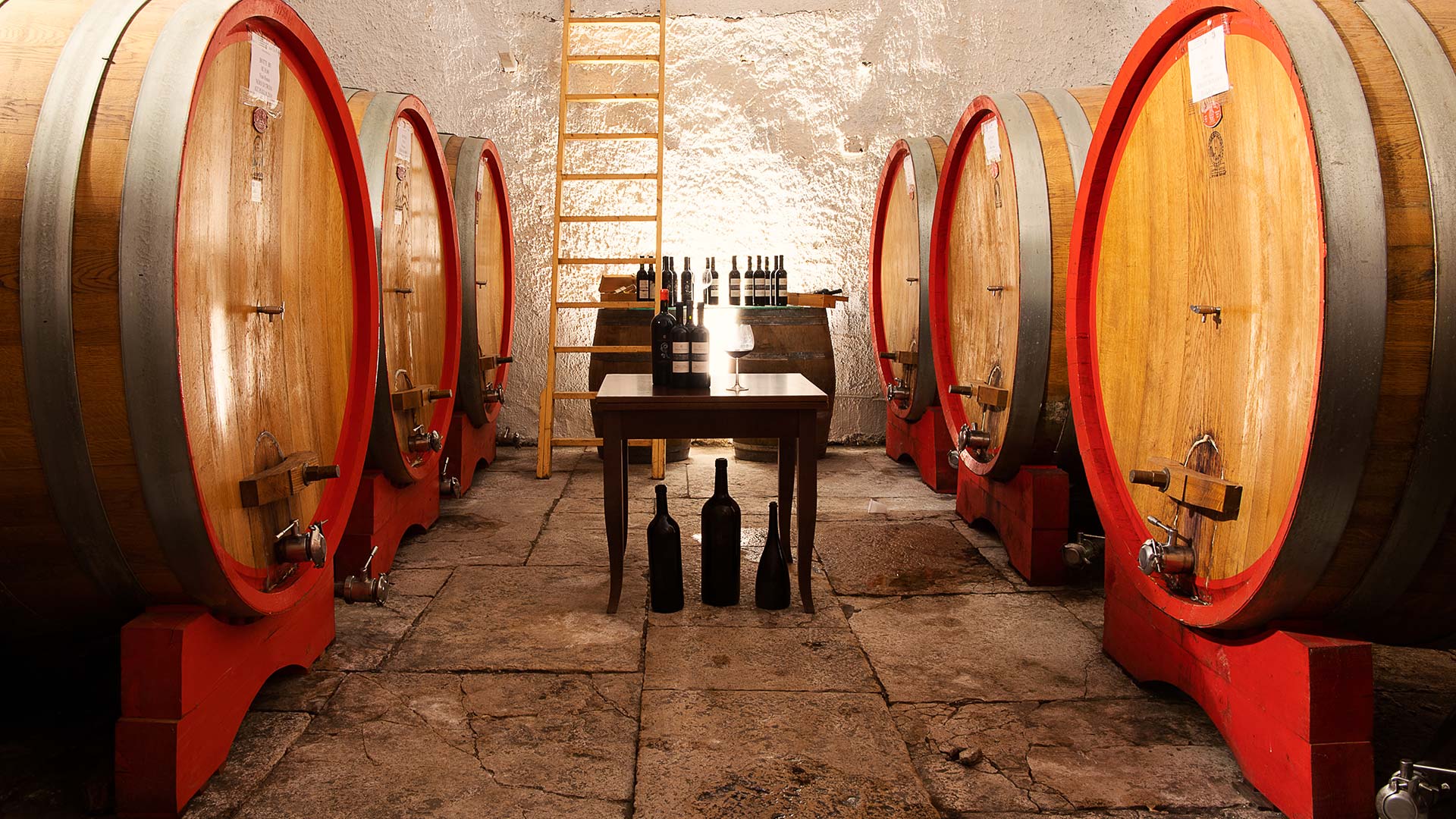
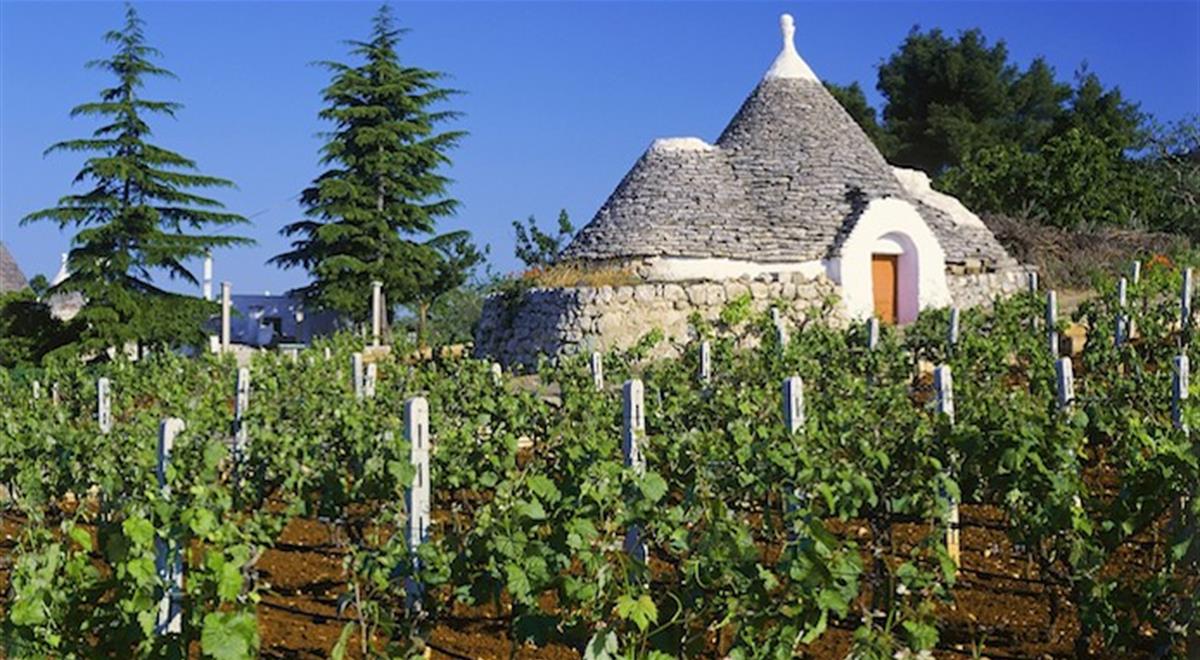
Antica Enotria is one of those Puglian wineries that tells the story of its land even before the wine is poured into the glass. The estate was born within an 18th-century masseria, a historic building that preserves the rural architecture typical of the Cerignola area. Its thick walls, central courtyard, and underground rooms bear witness to centuries of agricultural life and are now an integral part of the production process: a place where tradition is not merely an aesthetic reference, but a living component of the winemaking journey.

Only in the past thirty years has this masseria been transformed into a winery, thanks to the vision of the Di Tuccio family, particularly Raffaele, who chose to restore value to his land by reviving its history and potential. The property once belonged to Countess Staffa, and the transition to a family-run operation deeply rooted in the territory marked an important rebirth: a project that unites memory and innovation without contradiction.

The winery is structured around the central courtyard, the pulsating heart of the masseria, before descending into the underground cellars. Here, ideal conditions for aging are found: natural temperature, constant humidity, and silence—elements that allow both bottles and barrels to evolve slowly and harmoniously.

It is not just about vineyards, but also gardens, olive groves, and local productions that contribute to creating a small, self-sufficient ecosystem. Their approach to wine is based on organic care, respecting natural rhythms, and attention to the authenticity of what comes from the land, from tomatoes and olive oil to the grapes themselves.

Antica Enotria

The winemaking follows a clear vision: to highlight grape varieties rooted in the territory, both indigenous and historically established in the region. Fiano—though originally from Campania—fits perfectly into this narrative, as its presence in Puglia dates back centuries and is steeped in history: it is said to have been introduced in the 13th century by Charles II of Anjou, with thousands of plants sent to Manfredonia.

The Di Tuccio family has managed to preserve the authenticity of the past while integrating modern tools for harvesting and processing the grapes. It is a pragmatic approach: technology serves to maintain quality without ever altering the character of the product. The result is a range of wines distinguished by honesty and aromatic precision, capable of conveying not only a territory but also a production philosophy without compromise.

Region and territory

The sun, the sea, and the wind: three characteristics of Puglia that give rise to intense and unmistakable wines.
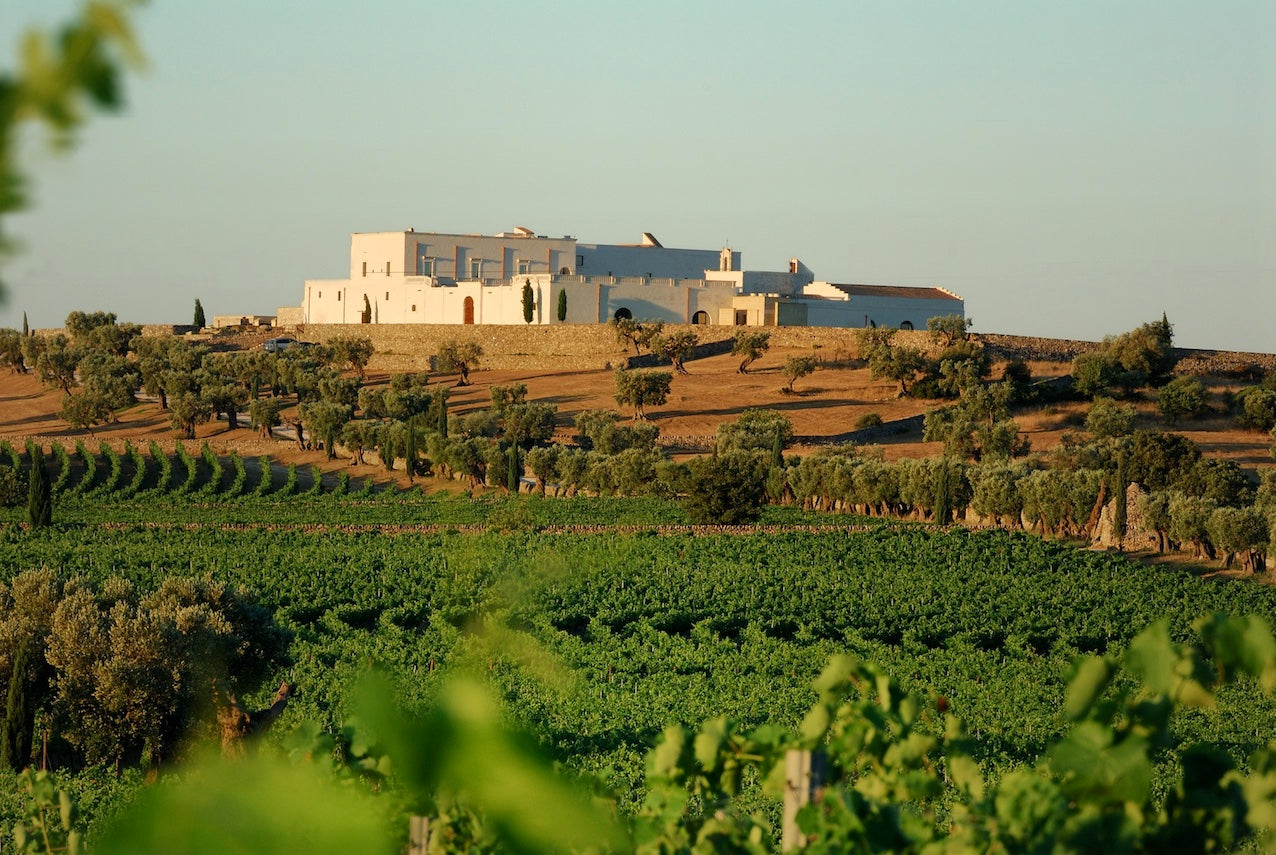
Puglia

The sun, the sea, and the wind: three characteristics of Puglia that give rise to intense and unmistakable wines.
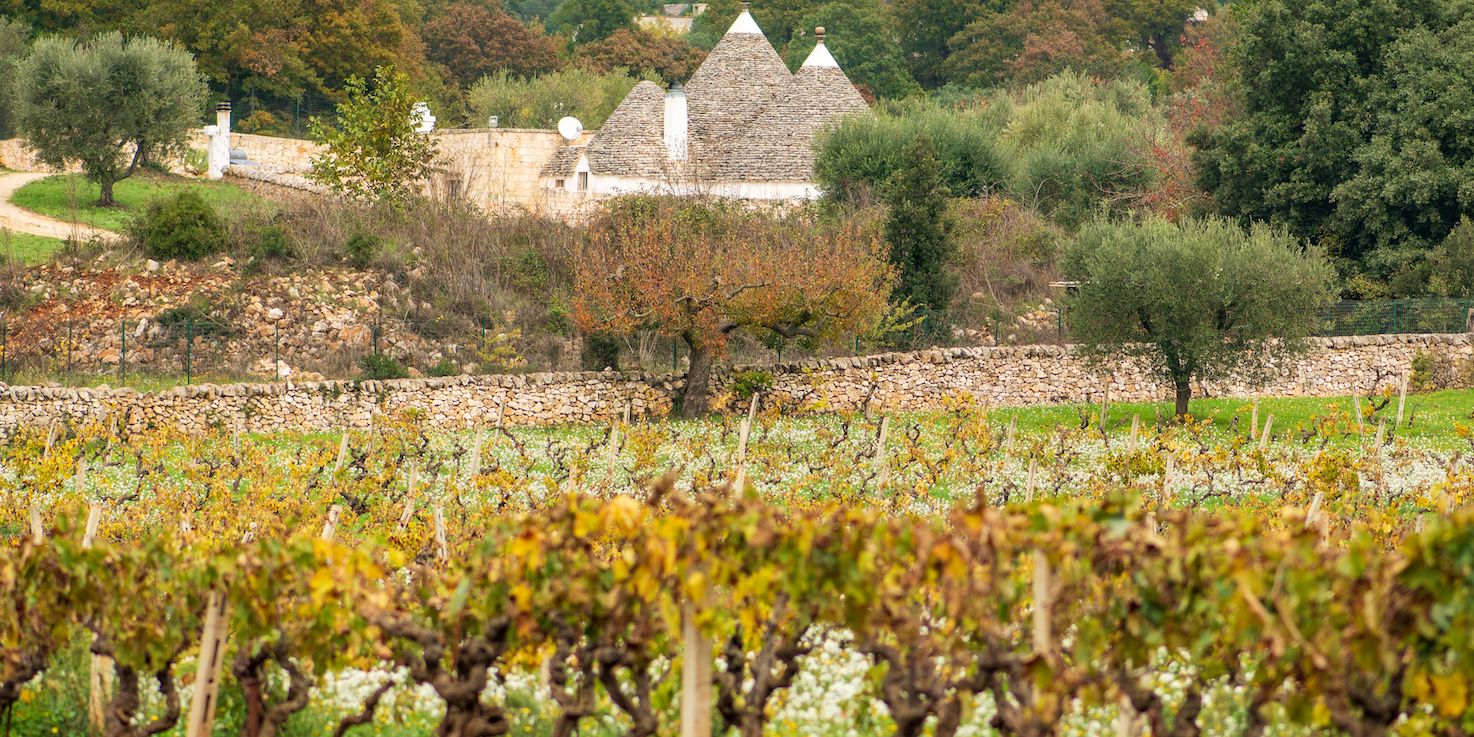
Puglia

The sun, the sea, and the wind: three characteristics of Puglia that give rise to intense and unmistakable wines.
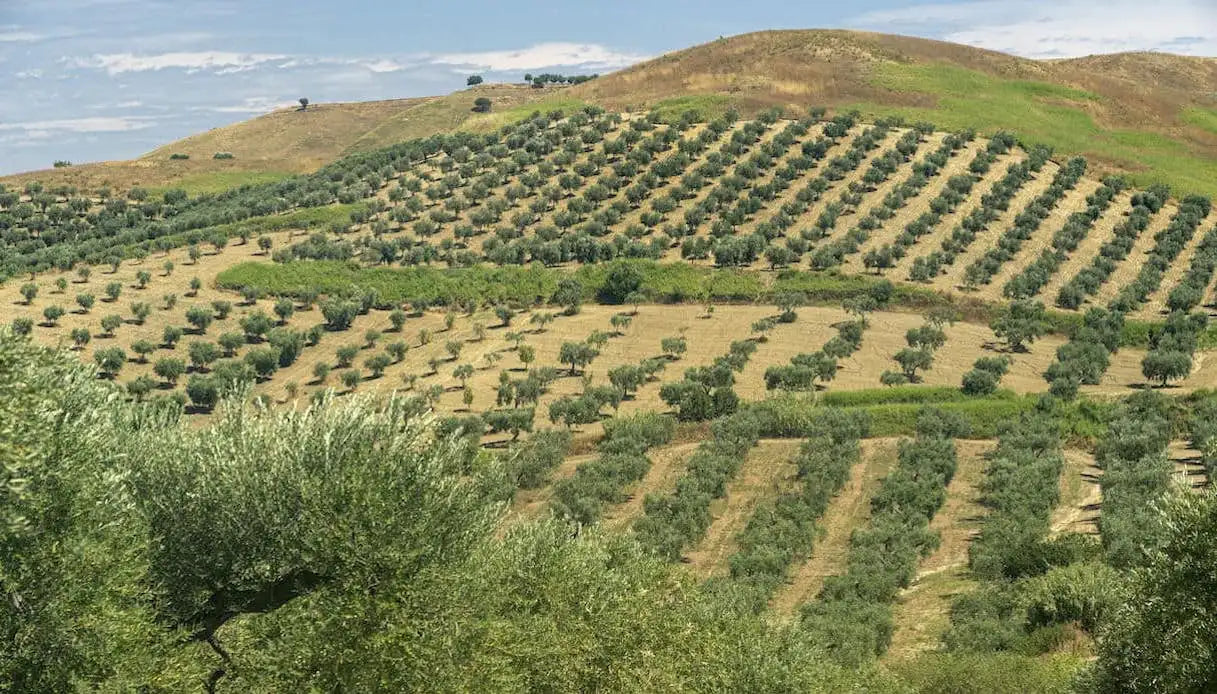
Puglia

The introduction of viticulture in Puglia dates back to antiquity when the Greeks colonized the region and brought with them the culture of the vine. The cultivation spread further thanks to the expansion of the Roman Empire and Christianity, which promoted wine production for liturgical celebrations. Over the centuries, Puglian viticulture has evolved, with the cultivation of native varieties such as Primitivo, Negroamaro, and Bombino Bianco, becoming an important sector of the local economy.

Today, Puglia is one of the leading wine-producing regions in Italy in terms of hectoliters produced, with increasing attention to product quality and national and international recognition.

Puglian vines grow in sunny and windy areas, with a Mediterranean climate characterized by very hot and dry summers and mild but rainy winters.
These climatic conditions, combined with the vast coastal area with the breeze and the influence of the sea, create an ideal microclimate for vine cultivation. In particular, the strong temperature variation between day and night during the ripening months of the vine gives the grapes a unique and distinctive character.
The Puglian vineyard has been designed based on pedoclimatic conditions, and the native grape varieties cultivated here are able to adapt to the arid and stony soils of the region, which are typically limestone in the Salento area (where fresh and acidic wines are produced) and clayey in the north of the region (where production focuses on structured and tannic wines).

Daunia

Daunia is the vast wine-producing area that encompasses the northern part of Puglia, a bright and expansive region stretching from the Tavoliere plain to the first Apennine hills and the slopes of the Gargano. It is an area remarkable for its complexity: a mosaic of windy plains, chalky hills, and coastal zones overlooking the Adriatic, with a microclimate very different from the rest of the region.

The Tavoliere delle Puglie, the geographic heart of Daunia, is a fertile and ancient plain that has long been considered Italy’s granary. The soils here are mainly clayey and calcareous, rich in mineral salts—ideal for grape varieties that need sunlight and warmth but also a solid base to develop structure and aromatic complexity. The constant presence of winds—both from the sea and the cooler currents descending from the mountains—helps mitigate the summer heat, giving the grapes a more balanced ripening than in many southern areas.

It is this balance that makes Daunia so interesting from a winemaking perspective. While there are warm, sun-soaked wines typical of Puglia, here one also senses a more pronounced freshness, a minerality derived from the soils, and ventilation that dries the vegetation and preserves aromas. Red wines can be intense yet agile, while whites—such as Fiano—gain a mineral tension and aromatic clarity rare at such southern latitudes.

Historically, Daunia has been a land of transit and cultural exchange: various peoples, from the Swabians to the Angevins, have left deep marks both on agricultural practices and on the grape varieties that acclimated over the centuries. Today, the region is experiencing a renaissance, thanks to wineries that have restored farmsteads, historic vineyards, and ancient culinary routes, bringing to light an identity that is at once authentic and modern.

Great wine-producing area that encompasses the northern part of Puglia

Recommended pairings and dishes

Matching by concordance

By analogy, it finds ideal companions in dishes that share its direct and aromatic character: white fish carpaccios, sautéed vegetables, citrus salads, mussel soup, simple bruschettas. Notes of peach, yellow flowers, and candied orange naturally harmonize with equally delicate ingredients, enhancing their freshness.

Matching by contrast

In contrast, one can play on its bright acidity and citrusy streak, which help lighten richer or softer preparations: a seafood fry, a tall, oily focaccia, a vegetable cream, or even a plate of fresh cheeses. The freshness cuts through sweetness and adds rhythm to the palate, always maintaining a sense of clarity and lift.

It pairs well with

Seafood first courses—such as seafood risottos or spaghetti with clams—and with land-based dishes that call for a lively white. It shines with grilled fish like sea bass or croaker, with light fried dishes, and with the classic octopus and potato salad, adding vibrancy and a Mediterranean touch. Excellent with crisp pizzas and Apulian focaccias, especially when enhanced with aromatic herbs, fresh tomato, or olives: the dough’s savoriness finds a perfect counterpoint in the full-bodied, citrusy sip.

Matching by concordance

By analogy, it finds ideal companions in dishes that share its direct and aromatic character: white fish carpaccios, sautéed vegetables, citrus salads, mussel soup, simple bruschettas. Notes of peach, yellow flowers, and candied orange naturally harmonize with equally delicate ingredients, enhancing their freshness.

Matching by contrast

In contrast, one can play on its bright acidity and citrusy streak, which help lighten richer or softer preparations: a seafood fry, a tall, oily focaccia, a vegetable cream, or even a plate of fresh cheeses. The freshness cuts through sweetness and adds rhythm to the palate, always maintaining a sense of clarity and lift.

It pairs well with

Seafood first courses—such as seafood risottos or spaghetti with clams—and with land-based dishes that call for a lively white. It shines with grilled fish like sea bass or croaker, with light fried dishes, and with the classic octopus and potato salad, adding vibrancy and a Mediterranean touch. Excellent with crisp pizzas and Apulian focaccias, especially when enhanced with aromatic herbs, fresh tomato, or olives: the dough’s savoriness finds a perfect counterpoint in the full-bodied, citrusy sip.

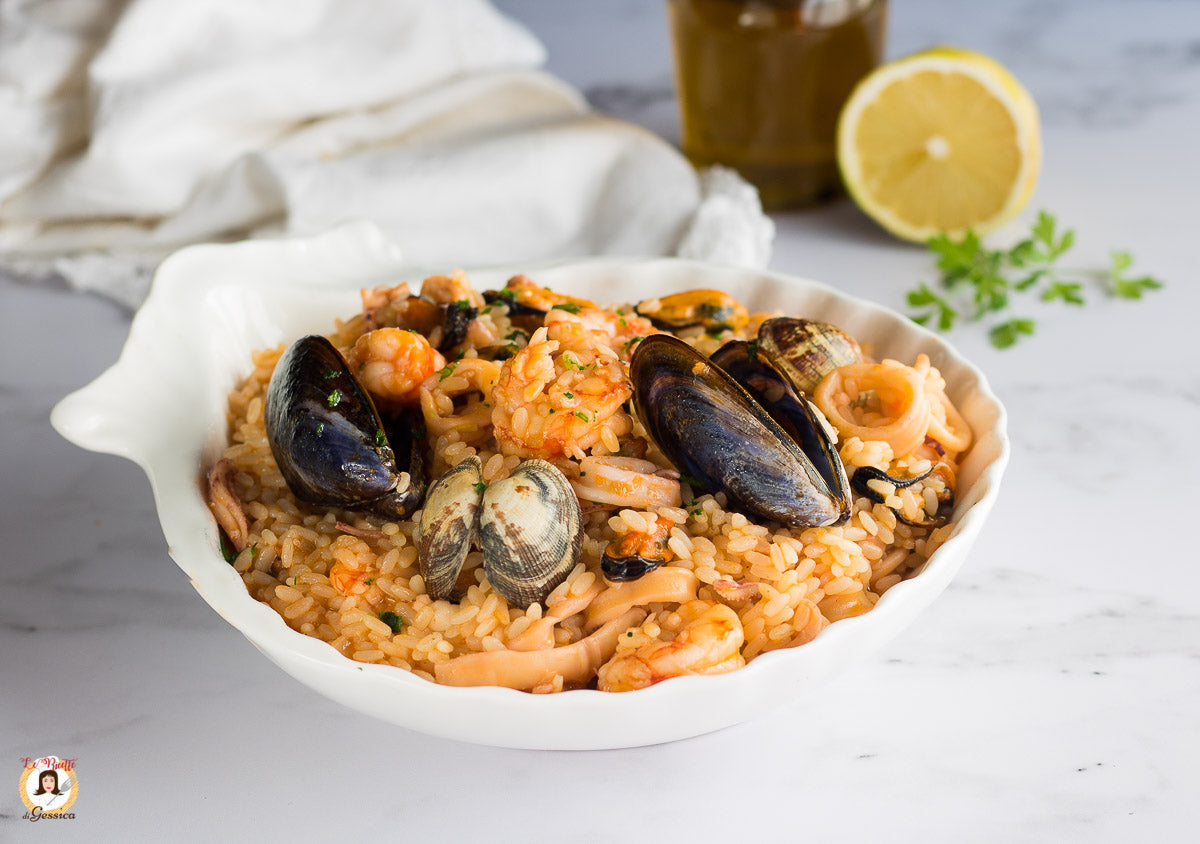
Seafood Risotto

Mussels, clams, squid, shrimp... A classic dish, perfect for special occasions and all seasons, relatively easy to prepare, delicate, of medium structure, and very elegant.

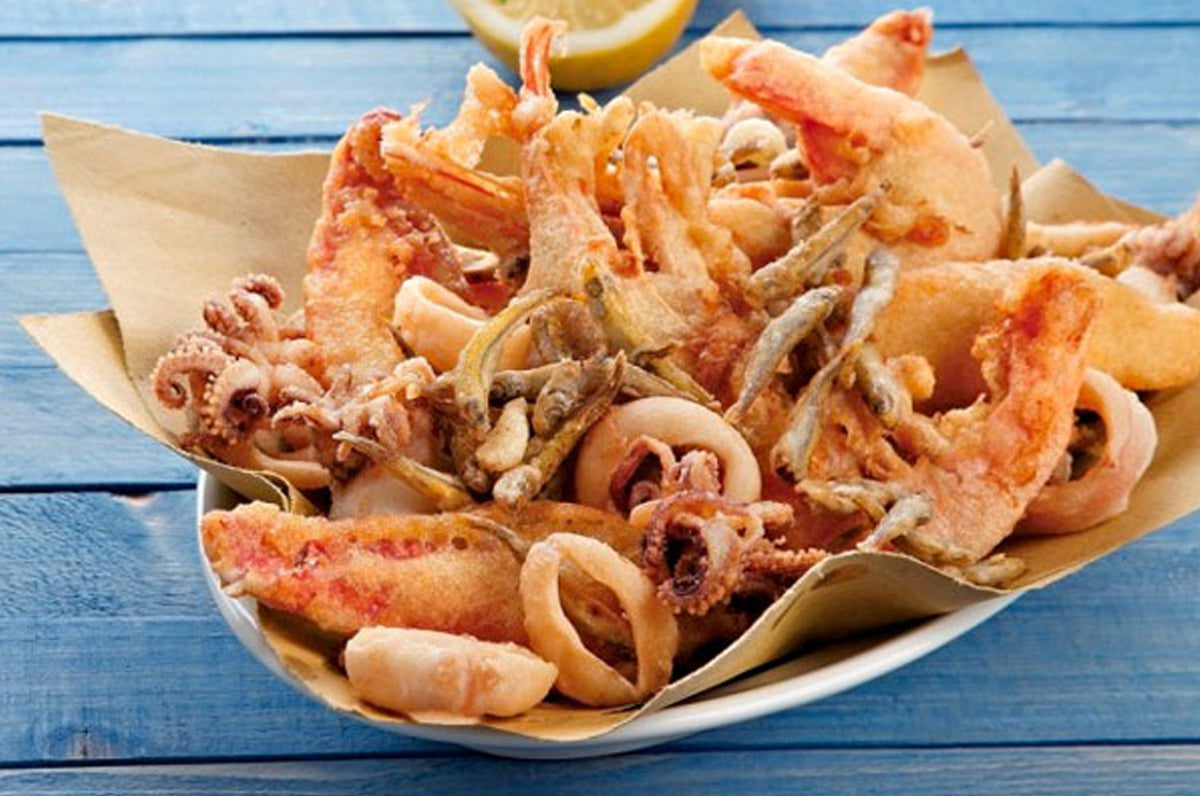
Fried Seafood

Fried seafood is characterized by a slight richness due to the cooking method. Anchovies, shrimp, cuttlefish, sardines, and baby octopus... a simple yet sure-to-please dish.

Fiano | Antica Enotria , did you like it?

Tell us about it by clicking here

Fiano | Antica Enotria , did you like it?

Tell us about it by clicking here