Côtes Du Rhone Parallele | Paul Jaboulet Aîné

Sale price€19,00

Red
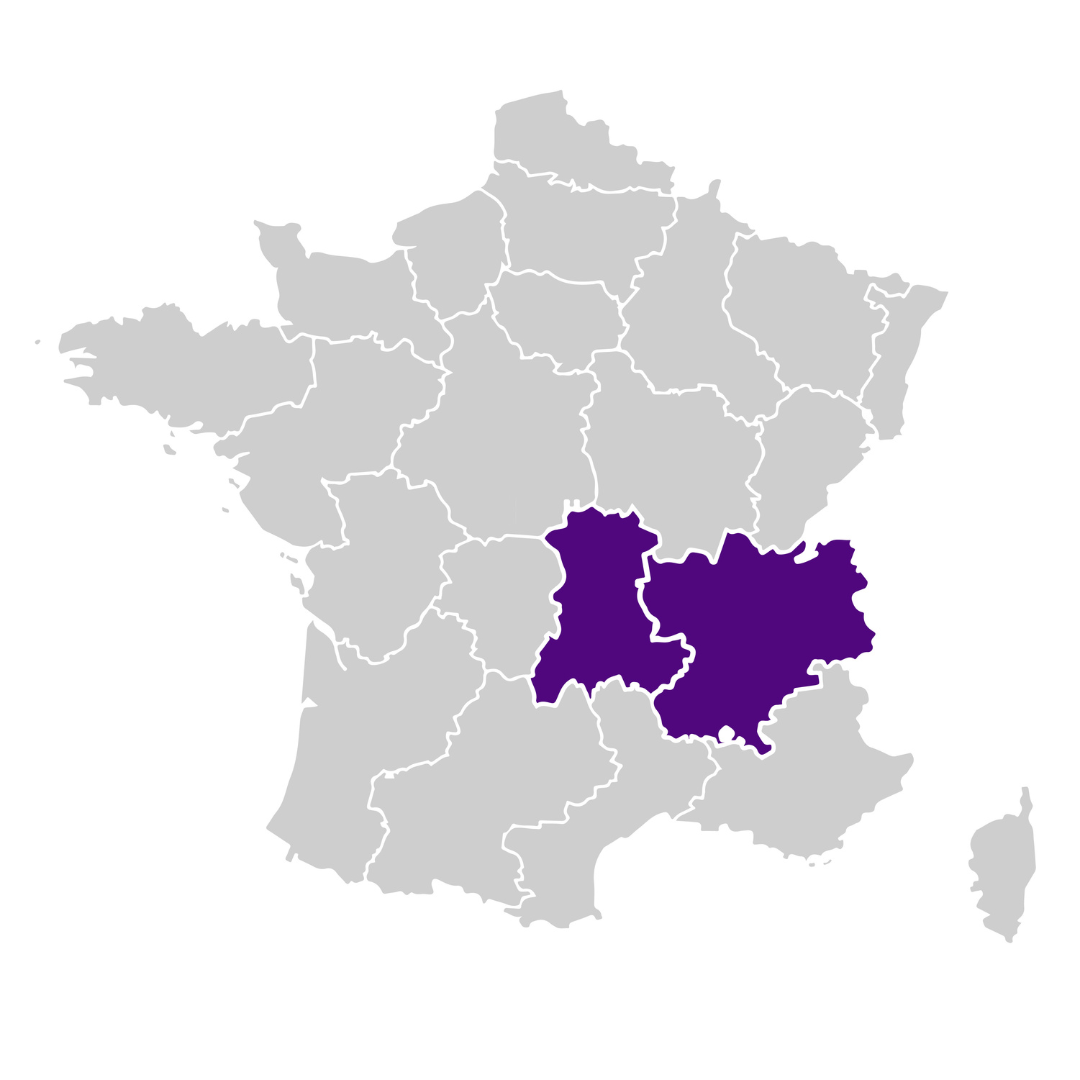
Rhone Valley (FR)
Côtes du Rhône AOC
59% Grenache, 40% Syrah (e Mouvèdre, Marselan, Carignan)
Enjoy it within 6 years
14,5% ABV

Download as PDF

Production and refinement

The grapes for Côtes du Rhône Parallèle 45 come from vineyards located along the famous 45th parallel, a symbol of the ideal climate zone for producing great wines worldwide. The cuvée is composed of 60% Grenache and 40% Syrah, with small additions of varieties such as Mourvèdre, Marselan, and Carignan. Harvesting is done by hand, allowing careful selection of the clusters and preserving the quality of the fruit.

In the cellar, vinification takes place in stainless steel tanks, a choice that helps preserve freshness, fruit, and the natural balance of the tannins. The wine matures in steel until bottling, maintaining the characteristic aromatic profile of Grenache and Syrah.

Organoleptic analysis

Visual exam

It shows an intense garnet red color, bright and uniform, indicating good ripeness and concentration.

Olfactory examination

The bouquet is rich and expressive, with aromas of ripe red fruit, including strawberry and raspberry, enriched by subtle floral hints and intriguing spicy notes.

Tasting

On the palate, it is fresh, balanced, and smooth, with gentle tannins and a long persistence that carries the notes of red fruit and spices. The attack is crisp, the body harmonious, and the finish pleasantly fruity, making the wine immediately enjoyable while offering interesting complexity.

Contents index

From the vineyard to the table: discover our wine

Ready for a journey to discover Côtes Du Rhone Parallele | Paul Jaboulet Aîné ? We will now take you to delve deeper into every aspect of this exceptional wine through three key sections:
Cellar

Come and learn about the history and values ​​of the winery which passionately grows and transforms grapes into wine

Territory

Immerse yourself in the land that gives life to these unique grapes, discovering the climate and terroir that influence its character

Pairings

Get expert advice on the perfect pairings that will enhance both the wine and your meal

The winery
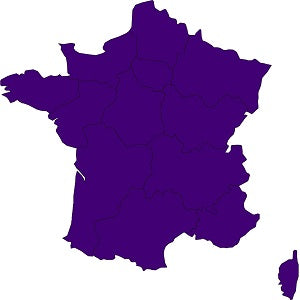
Country: France

Region: Rhone

Hectares of vineyards: 124

Domaines Paul Jaboulet Aîné

The history of Paul Jaboulet Aîné dates back to 1834, when Antoine Jaboulet began working among the hills of Hermitage, in what was then still a quiet rural area of the Rhône Valley. Through his work he gradually helped transform this territory into one of the most prestigious wine districts in the world, long before the Hermitage Appellation d’Origine Contrôlée was officially established. Over the decades the maison became one of the main reference points of the northern Rhône Valley, contributing to building the international reputation of its wines. Among its most famous labels stands Hermitage “La Chapelle”, considered a true legend of oenology and often ranked among the greatest wines ever produced. The name comes from the small chapel overlooking the famous Hermitage vineyard, acquired by the Jaboulet family in 1919, at the end of the First World War, and which has since become an iconic symbol of the area.

A new chapter in the winery’s history began in 2006, when the Frey family, already owners of Château La Lagune in Bordeaux and with long experience in the Champagne world, acquired Domaines Paul Jaboulet Aîné. Under the guidance of winemaker Caroline Frey, trained in the Bordeaux tradition, the estate launched an important renewal process based on the combination of modern winemaking techniques and meticulous attention to vineyard work and the enhancement of terroirs. In the following years the estate expanded with the acquisition of new vineyards in the Côte-Rôtie, Condrieu, and Crozes-Hermitage appellations, while the entire vineyard estate was converted to organic certification, with agricultural practices inspired by the principles of biodynamics.

Domaines Paul Jaboulet Aîné

The vineyards of the maison are located in the northern part of the Rhône Valley, a territory characterized by an extraordinary variety of soils and microclimates that favor the authentic expression of local grape varieties. The main variety is Syrah, the protagonist of the estate’s great red wines, alongside the white grapes Roussanne, Marsanne, and Viognier. The vines average around 40 years of age, though some parcels reach up to 80 years, contributing to the depth and complexity of the wines. All vineyard work is carried out manually, with a strong focus on sustainability and the use of organic fertilizers.

Work in the cellar reflects the same philosophy of precision and respect for the raw material. Caroline Frey and her team constantly monitor the must and the wine throughout all stages of vinification, with the aim of preserving the identity of the terroir and achieving wines of great balance. After fermentation, the wines generally mature for 12 to 24 months in 225-liter barrels, at naturally almost constant temperatures inside the ancient cellars carved into the rock by the Romans in 121 BC. It is in these caves that the iconic Hermitage La Chapelle rests—one of the symbolic wines of the twentieth century—capable of best representing the history, prestige, and identity of the Jaboulet maison.

Region and territory

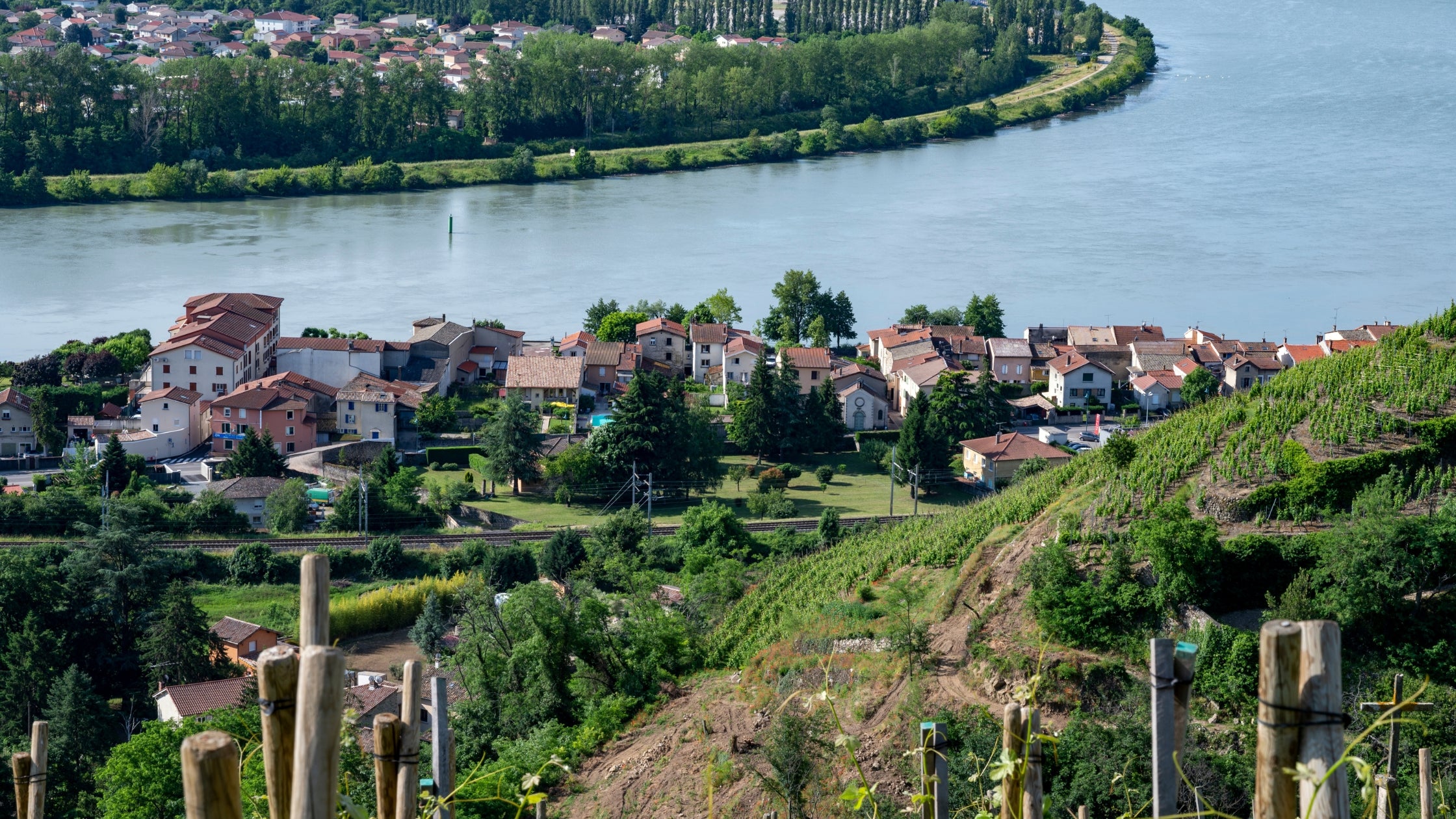
The Rediscovery of Syrah Along the Riverbanks
Rhône Valley

The Rediscovery of Syrah Along the Riverbanks
Rhône Valley

The Rediscovery of Syrah Along the Riverbanks

Rhône Valley

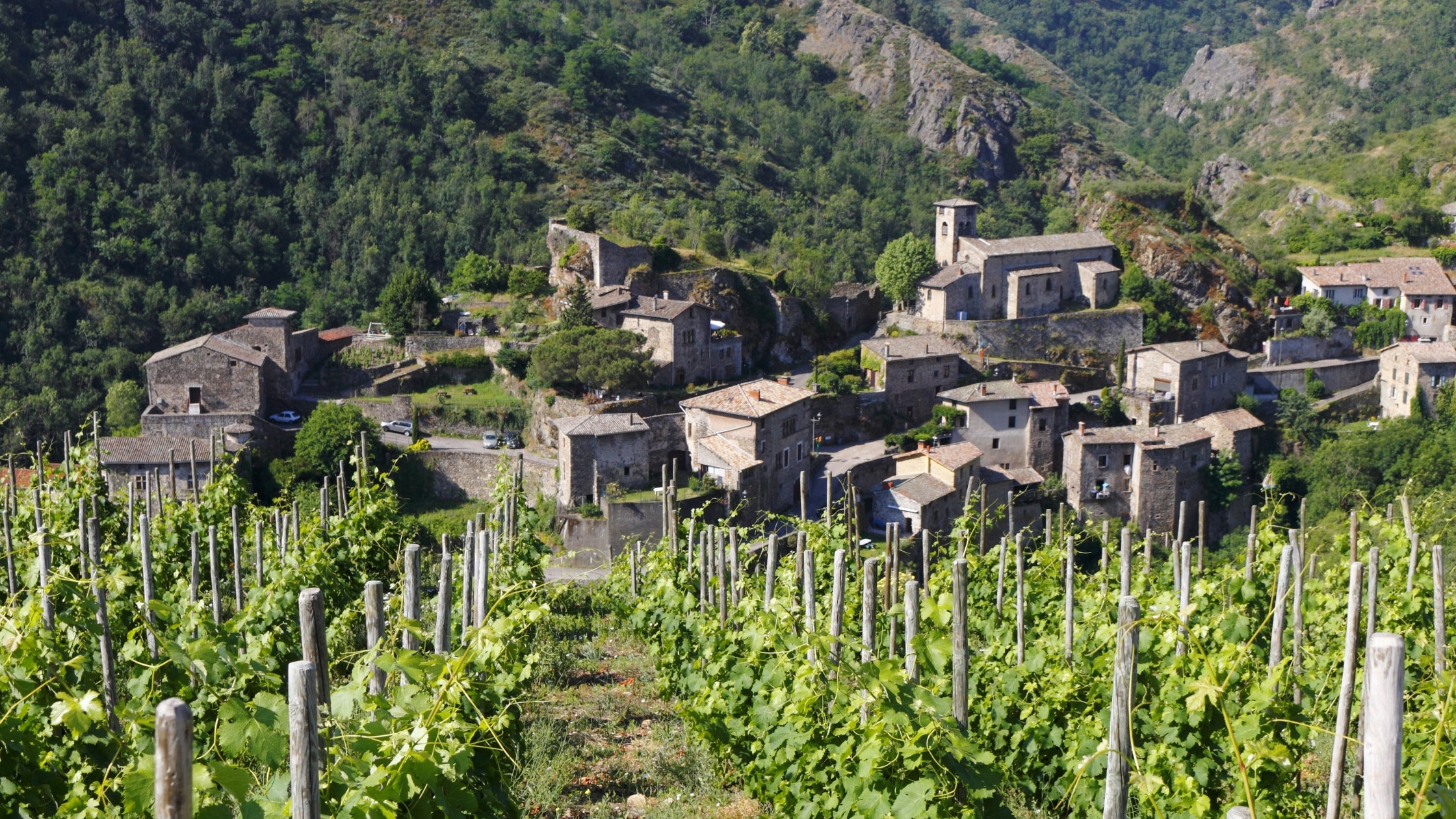
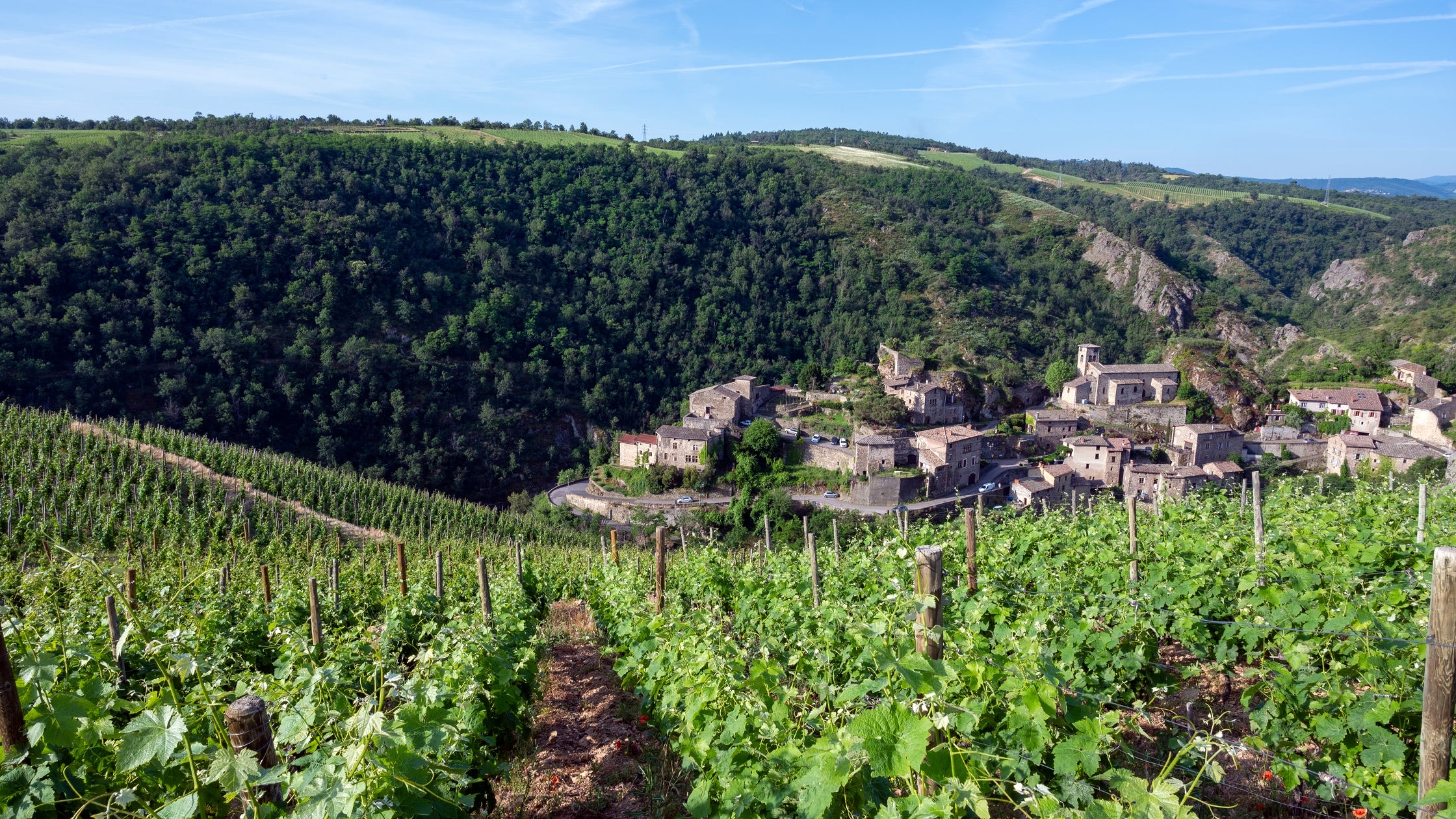
Forests of oak trees, terraced vineyards with steep pathways on friable granite soils, pebbly and sunny plains where vines mingle with olive trees, set the backdrop to the course of the Rhône, whose banks are dotted with precious vineyards, already known to the Greeks and Romans.

The Rhône Valley is located in southeastern France, from the city of Lyon to the region of Provence. The area experienced a certain decline in the 20th century, but since the 1980s, it has rediscovered the production of quality wines. The production of the Rhône Valley mainly focuses on black grape varieties: Syrah and Grenache above all.

It was probably the Greeks who began vine cultivation along the Rhône after settling on the Mediterranean coasts and traveling upstream along the river. However, it was the Romans who, after the foundation of the city of Vienne between 120 and 100 BC, planted the first vineyards on the terraces of the Hermitage hill and began the production of "vinum picatum" (described by the Roman historian Pliny the Elder), a wine made from a grape called Allobrogica and vinified in wooden barrels.

Today, the Rhône Valley is one of the most important French wine regions and over the years has carved out its space in the global wine scene.

The Rhône Valley is divided into two major areas: Northern Rhône and Southern Rhône. The Northern Rhône Valley includes these main appellations: Côte-Rôtie, Condrieu and Château-Grillet, Hermitage, Crozes-Hermitage, Saint-Joseph, Cornas, and Saint-Pèray. The Southern Rhône Valley includes these main appellations: Châteauneuf-du-Pape, Gigondas, Vacqueyras, Tavel, and Lirac, Muscat de Baumes-de-Venise, and Rasteau.

Northern Rhône Valley

The Northern Rhône Valley is one of the most prestigious areas of French viticulture and, together with the Southern Rhône Valley, forms the great wine region that stretches along the course of the Rhône River. The two zones are separated by about 50 kilometers with almost no vineyards, with the city of Montélimar at the center—a stretch that also marks a clear stylistic distinction between the wines of the north and those of the south.

The Northern Rhône is especially famous for red wines based on Syrah, a grape variety that finds one of its most noble and refined expressions here. Unlike the southern part, where blends are common, wines in the northern zone are generally monovarietal, meaning they are produced from a single grape variety—a characteristic that allows the specific qualities of the terroir to be expressed with great precision. Alongside Syrah, the main white grapes are Marsanne, Roussanne, and Viognier, which give rise to some of the most elegant and aromatic white wines in France.

Among the most important appellations are Hermitage, Côte-Rôtie, Cornas, Saint-Joseph, Crozes-Hermitage, Condrieu, and Château-Grillet. Wines from Côte-Rôtie, produced from steep south-facing vineyards, are famous for their aromatic intensity and the typical black pepper notes of Syrah; in some cases they may be complemented by a small percentage of Viognier, which adds finesse and floral aromas. Hermitage, another iconic appellation of the region, produces red wines of great structure and longevity based on Syrah, as well as refined white wines made from Marsanne and Roussanne.

Further south lies Crozes-Hermitage, a larger and generally less sunny area whose wines maintain the same varietal profile but often in a more approachable style. The appellations of Saint-Joseph and Cornas offer very different interpretations of Syrah: the former with a wide stylistic range, from lighter expressions to more structured wines, while Cornas produces exclusively intense, powerful, and particularly long-lived reds.

In the northernmost part lies Condrieu, the undisputed homeland of Viognier, an aromatic grape that here expresses intense aromas of exotic fruit, flowers, and ripe fruit. Within this appellation is also the tiny Château-Grillet, one of the smallest AOCs in France, with only a few hectares of vineyards dedicated exclusively to producing great white wines of extraordinary elegance.

One of the most prestigious territories of European viticulture

Recommended pairings and dishes

Matching by concordance

It harmonizes with dishes that share the same fruity and spicy profile: aromatic preparations that match the intensity of the wine’s aromas. The delicacy of the tannins and the balanced palate allow the wine to enhance the aromatic sensations of the dishes without overpowering them, creating a harmonious and highly enjoyable pairing.

Matching by contrast

Thanks to its freshness and crisp attack, Parallèle 45 is perfectly suited for contrasting pairings with rich, fatty dishes. Its acidity cleanses the palate, balancing the succulence and creating a highly satisfying taste equilibrium.

It pairs well with

Land-based appetizers. Grilled or braised red meats. Mediterranean dishes with bold flavors. Lightly aged cheeses.

Matching by concordance

It harmonizes with dishes that share the same fruity and spicy profile: aromatic preparations that match the intensity of the wine’s aromas. The delicacy of the tannins and the balanced palate allow the wine to enhance the aromatic sensations of the dishes without overpowering them, creating a harmonious and highly enjoyable pairing.

Matching by contrast

Thanks to its freshness and crisp attack, Parallèle 45 is perfectly suited for contrasting pairings with rich, fatty dishes. Its acidity cleanses the palate, balancing the succulence and creating a highly satisfying taste equilibrium.

It pairs well with

Land-based appetizers. Grilled or braised red meats. Mediterranean dishes with bold flavors. Lightly aged cheeses.

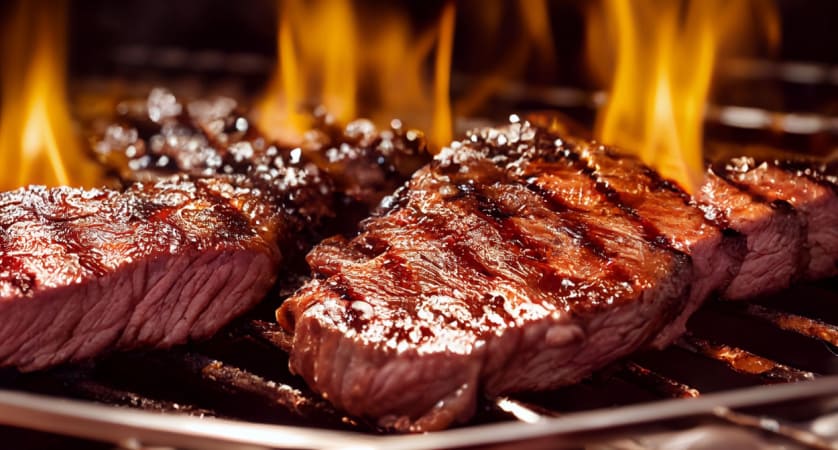
Grilled Meat

Skewers, pork, steaks, up to the noble Florentine steak... grilling enhances the flavor of the meat (properly marinated) and makes it pleasantly charred. Best enjoyed in company for truly convivial barbecues, always being careful not to place the meat directly over the flame.

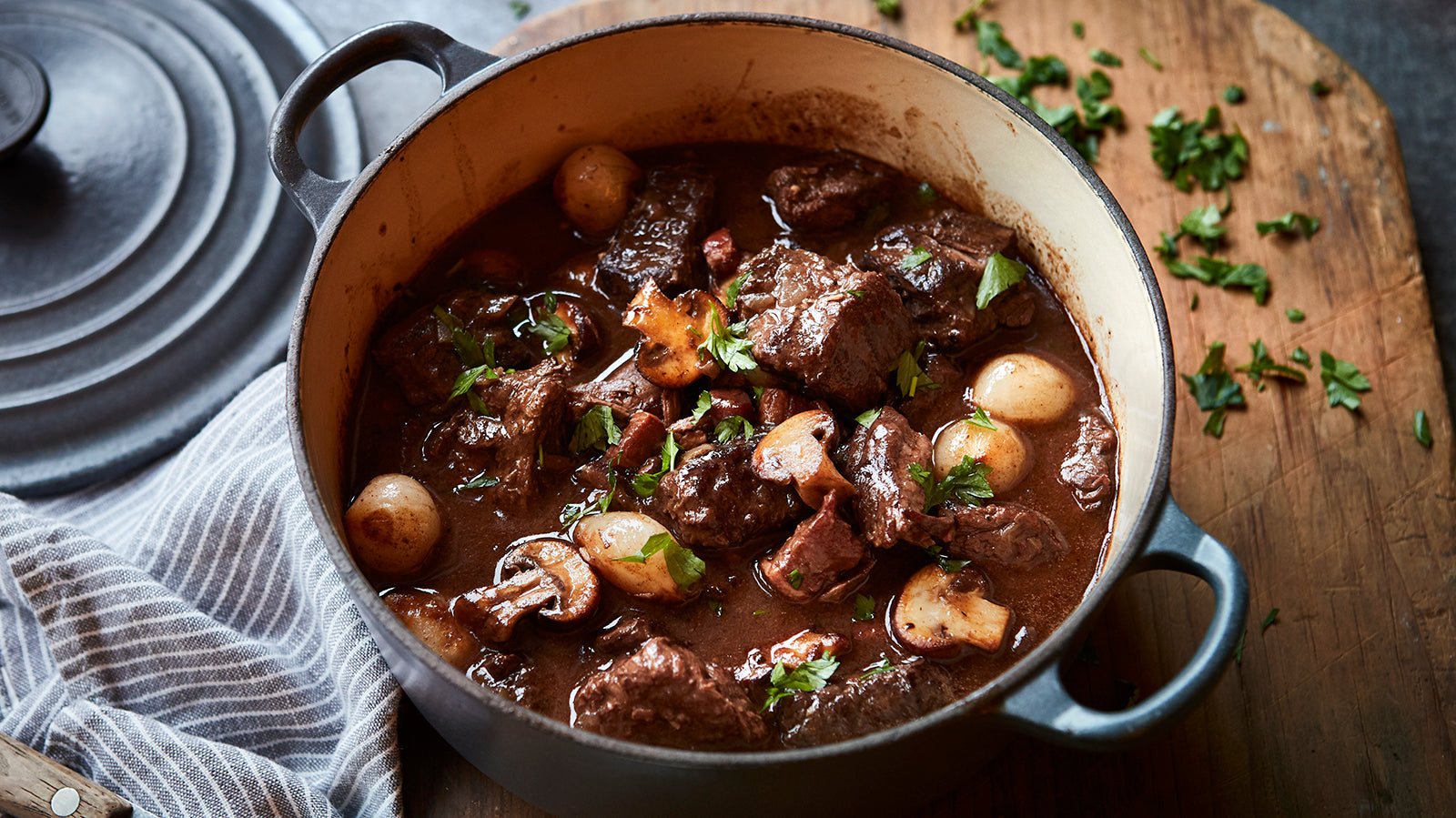
Bœuf bourguignon

One of the great classics of French cuisine, regional to the Bordeaux area: a beef stew slow-cooked in Burgundy wine (ideally the same wine being tasted), with vegetables including pearl onions, carrots, and champignon mushrooms, and abundant aromatics. A fantastic way to bring the flavors of France to the table. A rich dish, full of aromas and flavors.

Côtes Du Rhone Parallele | Paul Jaboulet Aîné , did you like it?

Tell us about it by clicking here

Côtes Du Rhone Parallele | Paul Jaboulet Aîné , did you like it?

Tell us about it by clicking here