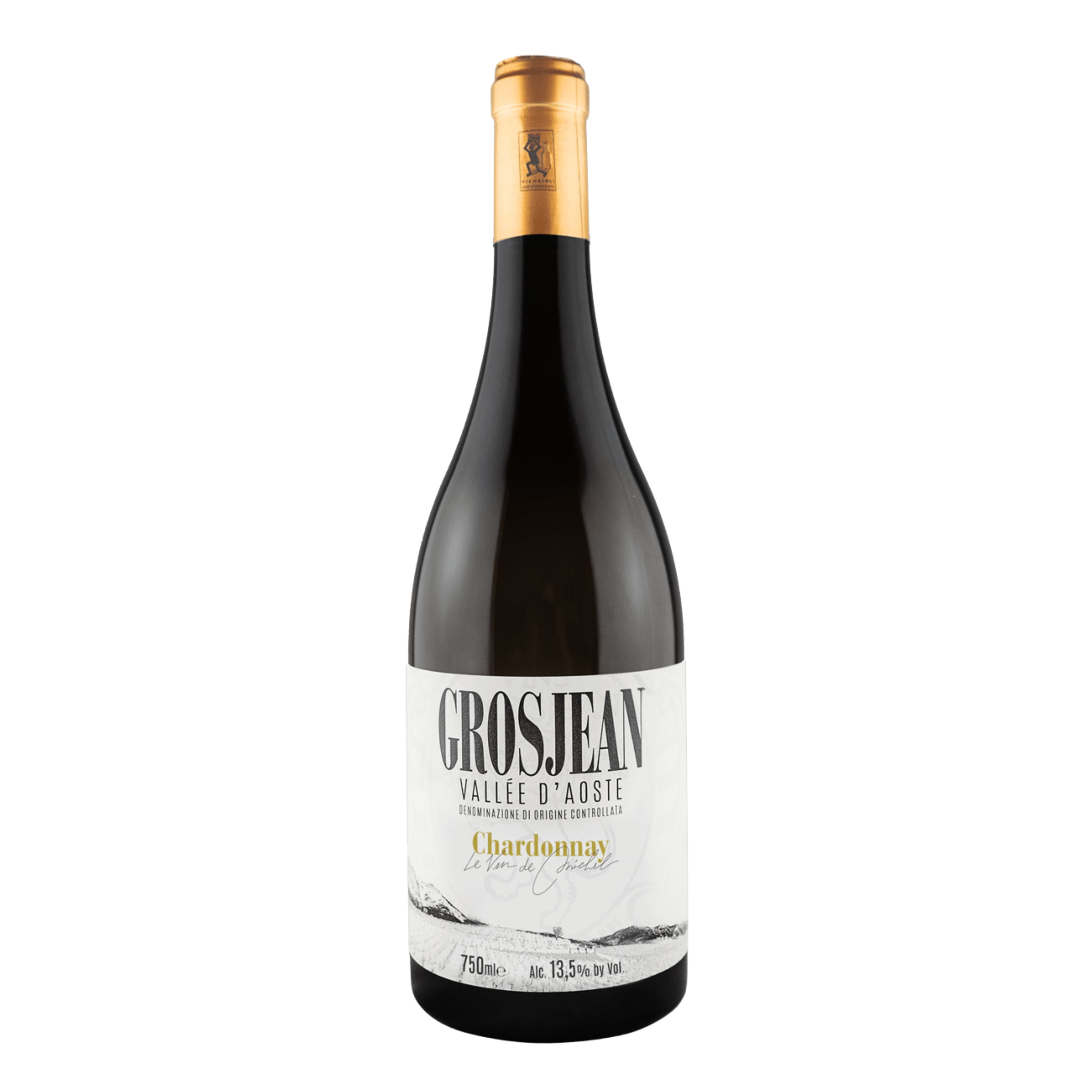
Chardonnay "Le vin de Michel" | Grosjean Vins

Sale price€33,00

White
Valle d'Aosta (IT)
Valle d’Aosta DOC
Chardonnay 100%
Enjoy it within 6 years
13% ABV

Download as PDF

Production and refinement

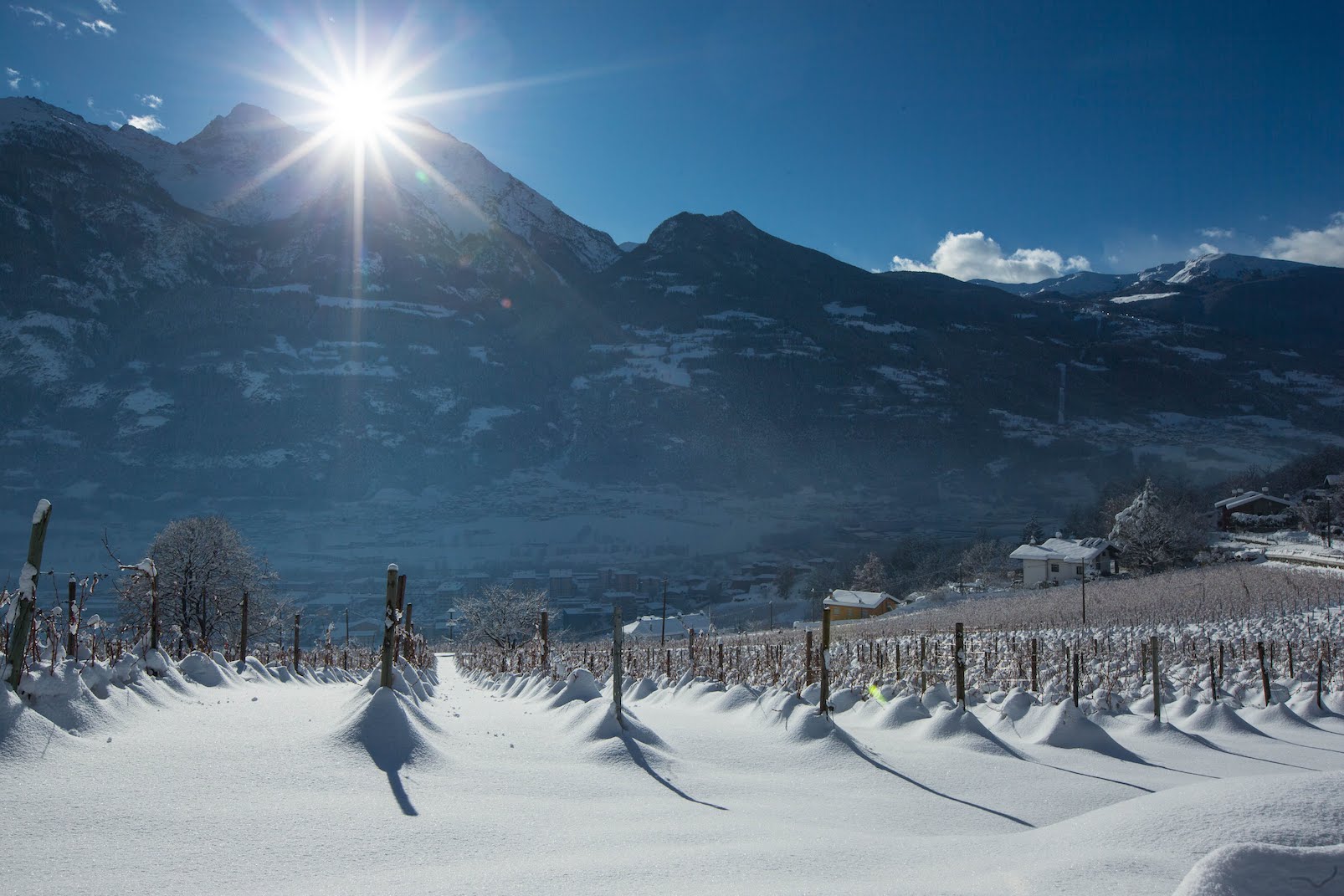
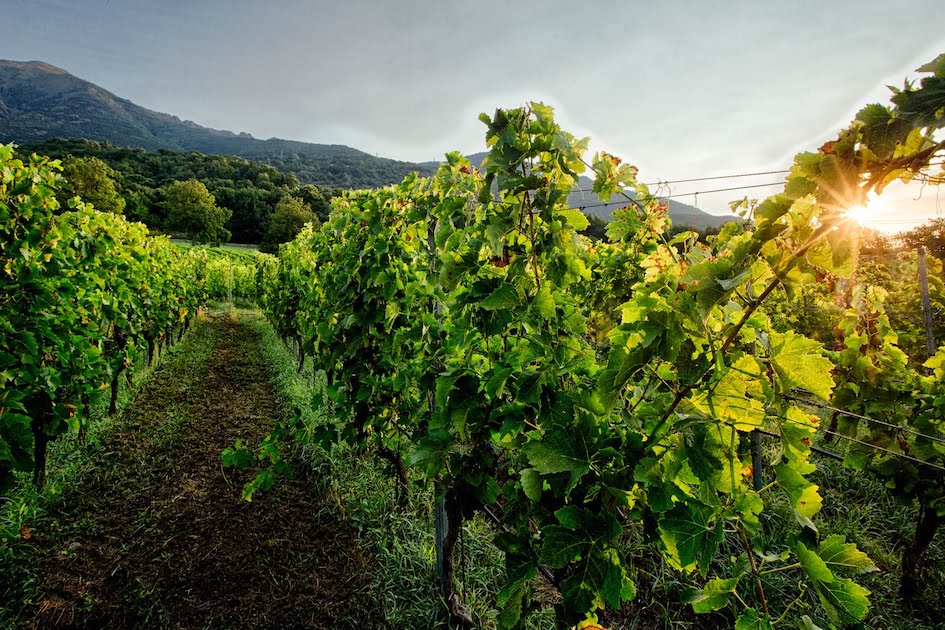
Chardonnay 100% from the municipality of Quart, where Grosjean has approximately 0.5 hectares dedicated to this production. The vineyard was planted in 2015 and is trained using the Guyot system on terraced soils, with a density of approximately 7,000 vines per hectare. The exposure is south-facing, and the elevation reaches 800 meters above sea level. The soil is predominantly sandy, typical of the area, with a depth of less than 50 centimeters and a high proportion of stones. The site is characterized by good drainage, ventilation, and diurnal temperature variation. Vineyard management includes manual and partially mechanical weed control, carried out approximately three times a year, as well as harrowing and alternate-row sowing. Fertilization involves the use of cow manure every five to six years. Fungal disease management follows the principles of organic farming.

Harvest takes place in mid-September.

The winemaking process involves pressing the whole bunches, followed by must flotation and alcoholic fermentation according to the traditional method for white wines, using selected yeasts.

Fermentation takes place in steam-bent oak barriques, where the wine remains in contact with the fine lees for 12 months. This is followed by a further aging period of approximately 8 months in bottle. Production is very limited, at between 1,500 and 2,000 bottles per year.

Organoleptic analysis

Visual exam

Intense straw yellow, tending towards golden yellow.

Olfactory examination

The bouquet is intense, complex, and varietal, with a well-defined floral character. Notes of vanilla and butter emerge, accompanied by spicy nuances and a subtle dairy character. Aging in wood introduces delicate oaky nuances that do not overpower the grape variety’s character. The mineral component completes the attractive aromatic profile.

Tasting

The palate is full, juicy, and structured, supported by good freshness and pronounced minerality. Aging in barriques contributes to its creaminess and gustatory complexity, while maintaining a precise balance between body, acidity, savoriness, and oak character. The finish is balanced, mineral, and persistent.

Contents index

From the vineyard to the table: discover our wine

Ready for a journey to discover Chardonnay "Le vin de Michel" | Grosjean Vins ? We will now take you to delve deeper into every aspect of this exceptional wine through three key sections:

Cellar

Come and learn about the history and values ​​of the winery which passionately grows and transforms grapes into wine

Territory

Immerse yourself in the land that gives life to these unique grapes, discovering the climate and terroir that influence its character

Pairings

Get expert advice on the perfect pairings that will enhance both the wine and your meal

The winery
Country: Italy

Region: Valle d'Aosta

Hectares of vineyards: 16

Grosjean Vins

Grosjean is a family-run winery in the Aosta Valley, with 16 hectares of vineyards cultivated between Quart and Saint-Christophe. The history of the family and that of mountain viticulture have been intertwined for generations, following a path whose roots go back to the late 18th century. At the end of the 1700s, the maternal grandparents of the Grosjean family descended from Fornet, a small village in Valgrisenche, towards Aosta to obtain chestnuts and wine. At that time, wine played an essential role in the life of Alpine communities: it was a symbol of hospitality, a food and a remedy, as well as a valuable commodity.

Mountain viticulture went through difficult periods, marked by the climatic conditions of the “Little Ice Age,” wars, and the spread of phylloxera. The turning point for the Grosjean family came in 1968, on the occasion of the First Exposition des Vins du Val d’Aosta. The event convinced Dauphin Grosjean to bottle his own wine and offer it for sale at the fair, gradually transforming a family production into a structured winemaking business.

In the following years, Dauphin involved all five of his sons — Vincent, Giorgio, Marco, Fernando, and Eraldo — in production, assigning each of them a specific area of responsibility. The family dimension therefore remained central, accompanying the growth of the estate. In 2011, the winery began its conversion to organic viticulture, distinguishing itself at the time as the first and only estate in the Aosta Valley to undertake this transition.

Grosjean Vins

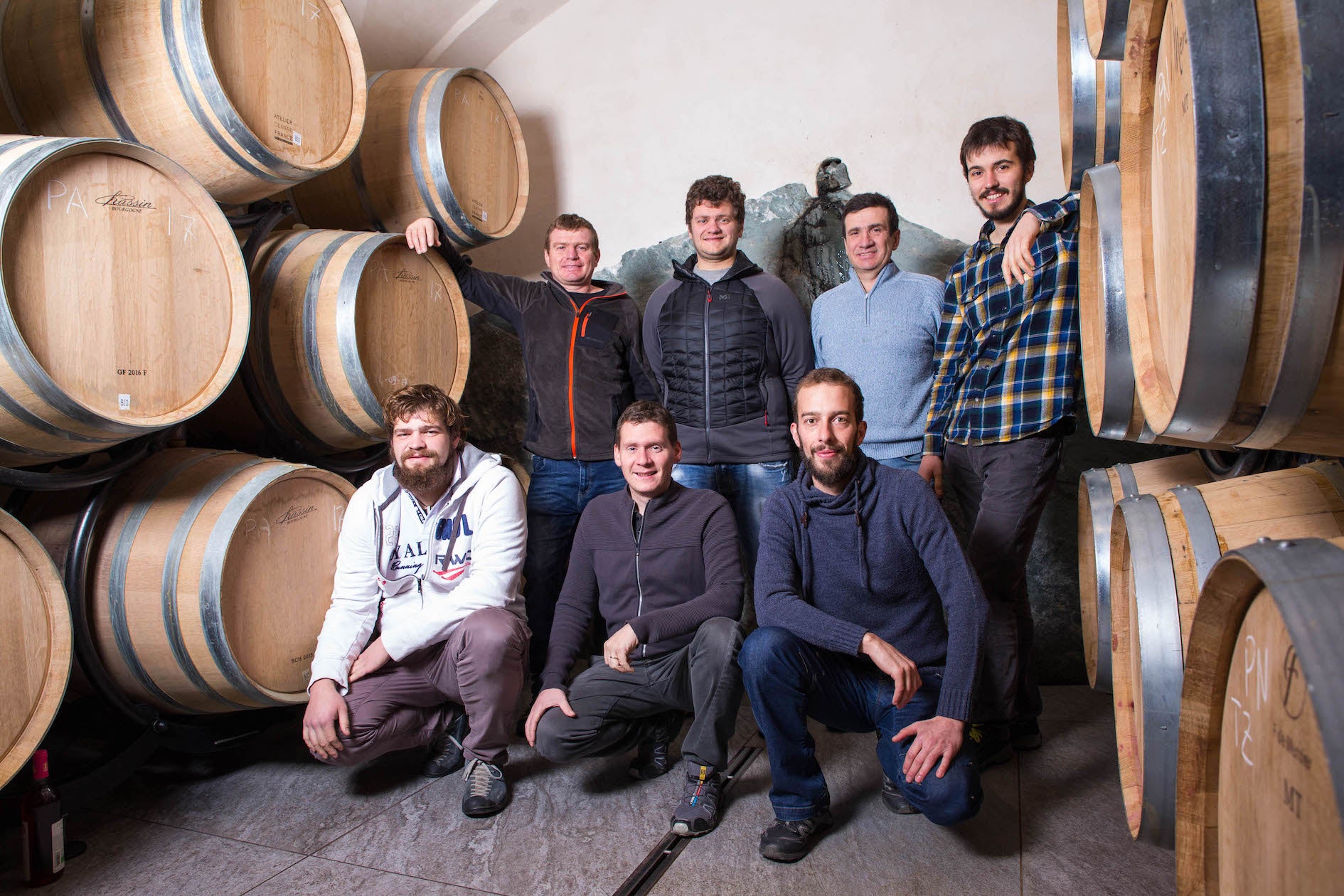
Today, the estate is run by the third generation of the Grosjean family, represented by Hervé, Simon, and Didier Grosjean, together with their brother-in-law Marco, supported by their uncles Fernando and Eraldo. The family continuity goes hand in hand with an approach focused on sustainability and the enhancement of Alpine viticulture.

With its 16 hectares between Quart and Saint-Christophe, Grosjean is a winery deeply rooted in the Aosta Valley, where mountain viticulture is shaped by manual work, generational continuity, and the choice of organic farming.

Region and territory

Great mountain wines
Valle d'Aosta

Great mountain wines

Valle d'Aosta

Great mountain wines

Valle d'Aosta

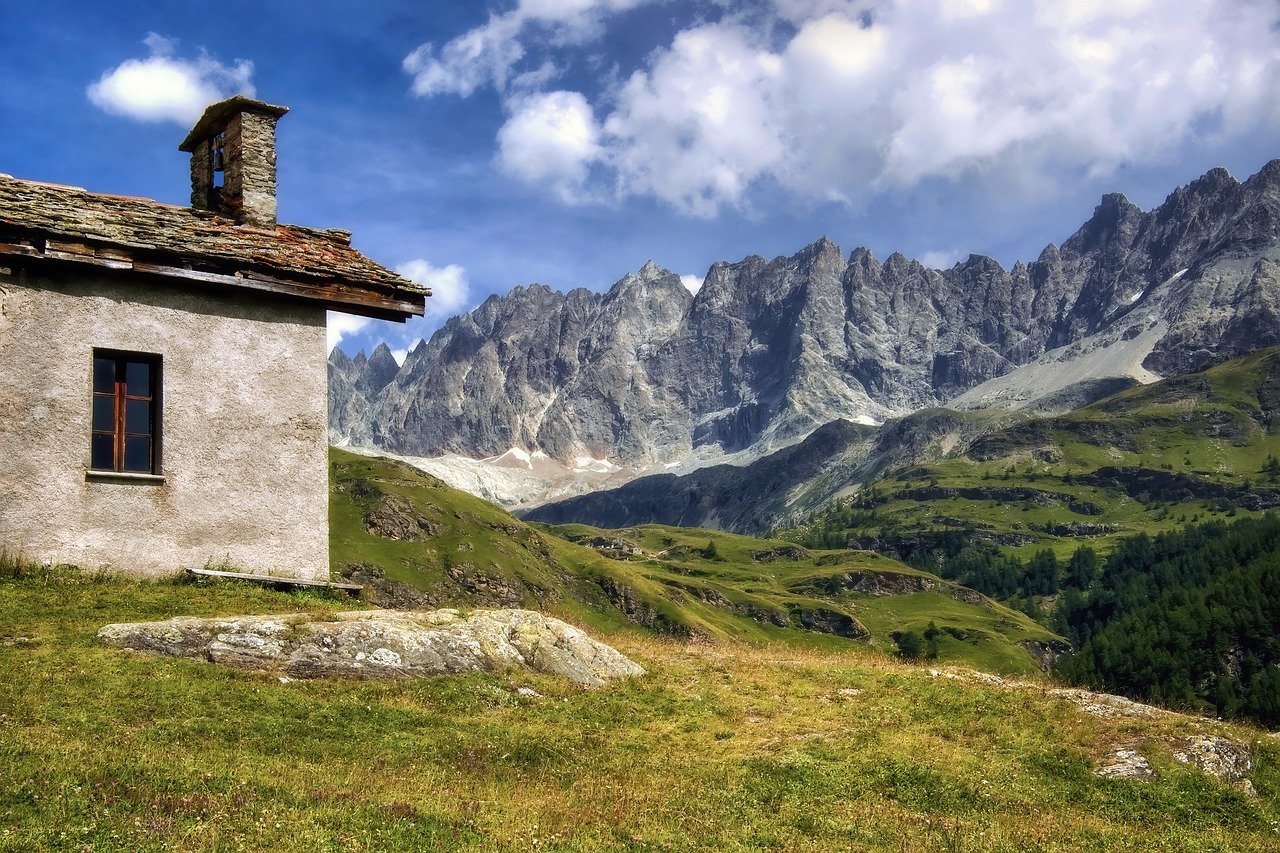
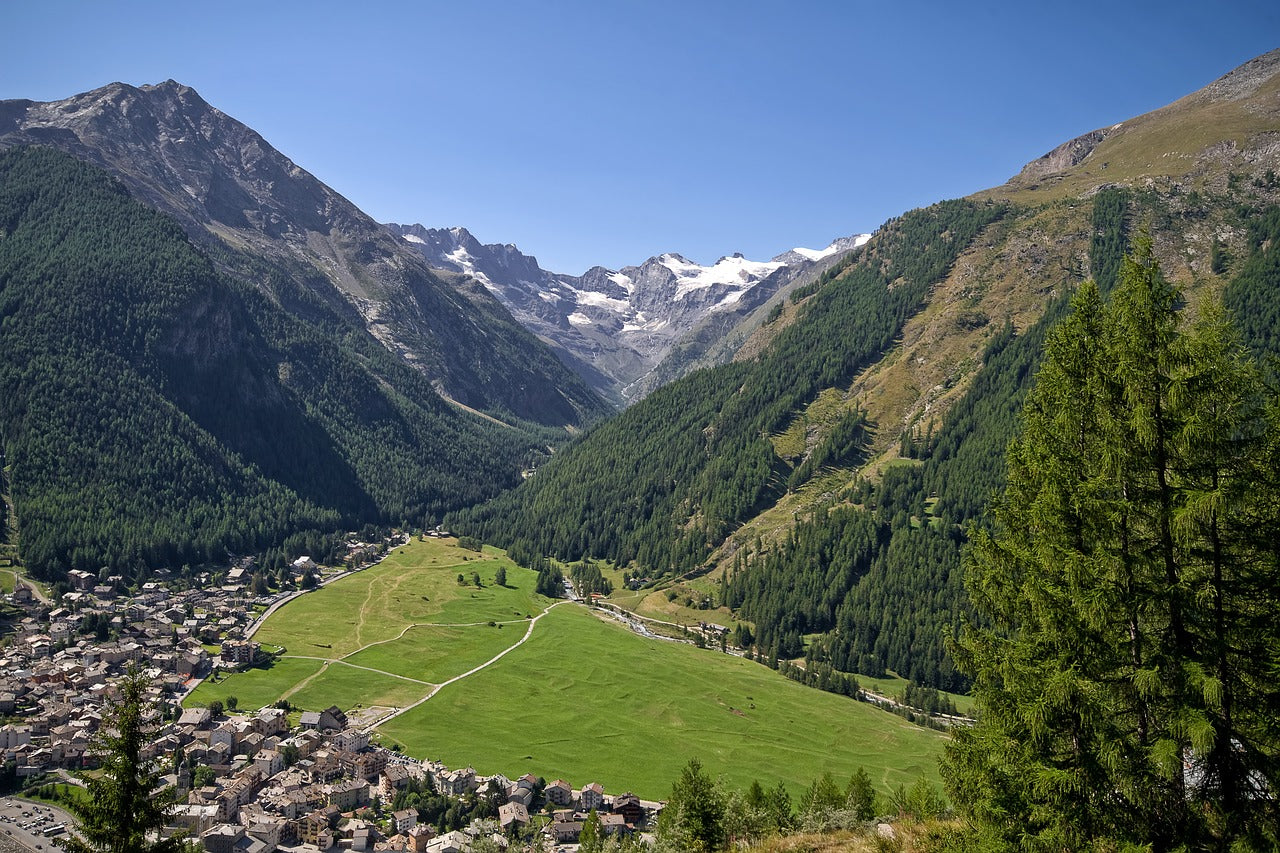
The history of wine in Valle d'Aosta has ancient roots, dating back to Roman times. This mountainous region, located in the Western Alps, has cultivated vines for centuries, developing a unique and distinctive winemaking tradition.

Thanks to the terrain favorable to vine cultivation and the cool climate, Valle d'Aosta has important native grape varieties, typically mountainous, and produces highly appreciated wines for their freshness.

Among the most representative white grape varieties is the Prié Blanc (native), and the Petit Arvine among the traditional ones, while for native black grape varieties, the Petit Rouge, Fumin, Mayolet, Neyret, Cornalin, Premetta, and Vuillermin stand out.

Valle d'Aosta has only one DOC, divided into 7 territories: Arnad-Montjovet, Blanc de Morgex et de La Salle, Chambave, Donnas, Enfer d’Arvier, Nus, Torrette.

The wines of the Valle d'Aosta DOC are appreciated for their freshness, liveliness, and authenticity, characteristics that reflect the cool climate and unspoiled nature of the Alps.

Aosta

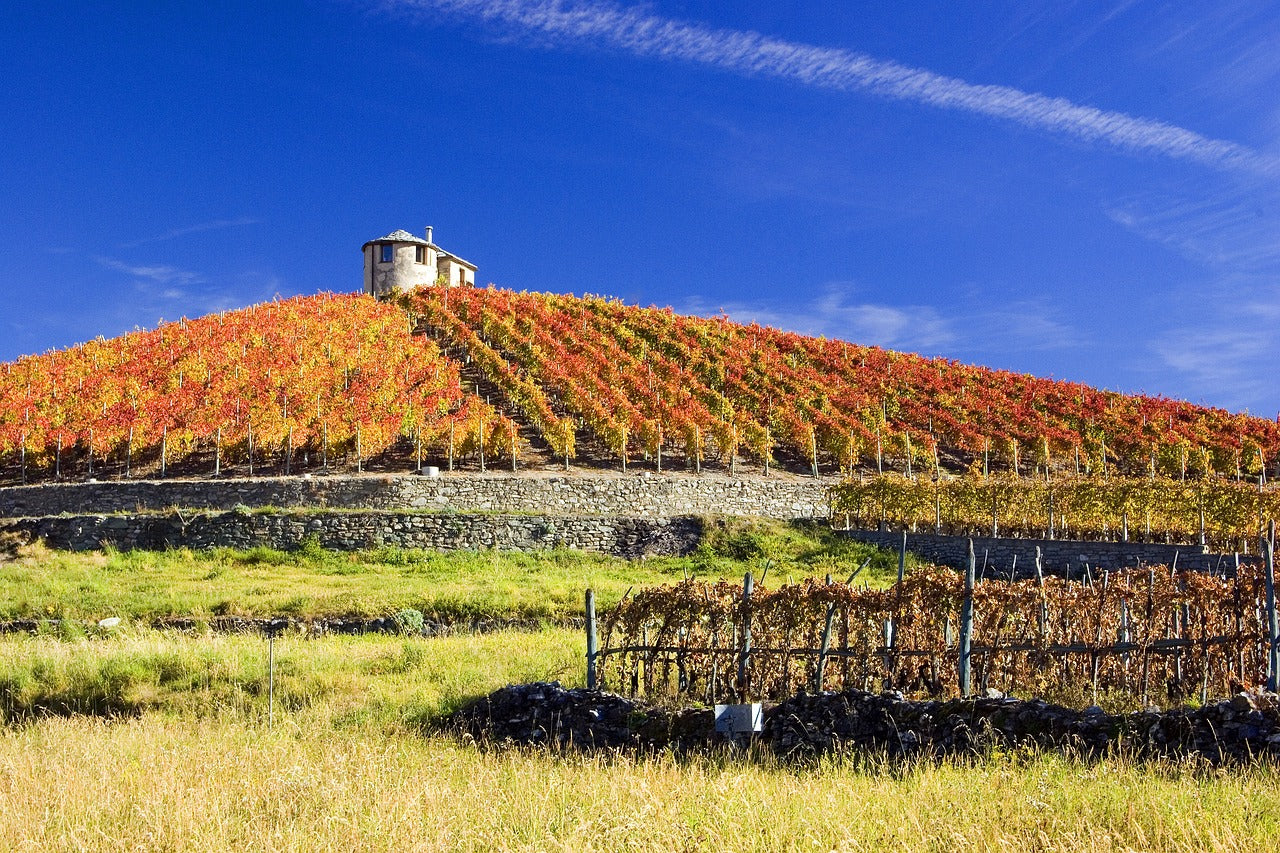
The presence of vines in the Aosta area has been documented since the Bronze Age, with wine production continuing during Roman times. Today, vineyards are mainly found on terraces supported by dry-stone walls, often located at high altitudes and characterized by particularly demanding soil and climatic conditions.

Viticulture is Alpine in character and extends along the valley axis to the highest elevations, reaching up to 1,200 meters above sea level. The climate is characterized by low rainfall, constant ventilation, and significant day-night temperature variations. These conditions favor healthy grapes, relatively rapid ripening, and a well-defined aromatic profile.

The region’s grape heritage is particularly interesting for the presence of numerous native Alpine varieties, adapted to extreme growing conditions and capable of producing wines generally characterized by freshness, aromatic finesse, a vertical structure, and a strong sense of place.

Production is protected by the Valle d’Aosta or Vallée d’Aoste DOC, recognized in 1985 and divided into seven subzones: Arnad-Montjovet, Blanc de Morgex et de La Salle, Chambave-Muscat, Nus-Malvoisie, Petit Rouge and Prëmetta, Torrette, and Enfer d’Arvier. These are joined by the historic recognition of Donnas, the first Aosta Valley wine to receive an appellation in 1971. The production framework includes various styles linked to individual grape varieties and territories, with a strong emphasis on expressions that showcase the local grape heritage.

The Aosta wine-growing area stands out for its high-altitude heroic viticulture, strongly shaped by the Alpine environment and based on the ability of its grape varieties to adapt to slopes, terraces, high elevations, and pronounced diurnal temperature variations.

Heroic mountain viticulture.

Recommended pairings and dishes

Matching by concordance

Its structure and alcohol content allow it to stand up to substantial dishes, while the time spent in barriques adds an aromatic and gustatory dimension well suited to preparations featuring creamy sauces.

Matching by contrast

The wine’s acidity and mineral character allow it to counterbalance the richness of dishes based, for example, on butter, eggs, cheese, and white meats. Its savory character helps rebalance the richness of fish and aged Alpine cheeses.

It pairs well with

First courses, fish, international cuisine, quiche, delicate white meats, veal, aged mountain cheeses, Alpine cheeses.

Matching by concordance

Its structure and alcohol content allow it to stand up to substantial dishes, while the time spent in barriques adds an aromatic and gustatory dimension well suited to preparations featuring creamy sauces.

Matching by contrast

The wine’s acidity and mineral character allow it to counterbalance the richness of dishes based, for example, on butter, eggs, cheese, and white meats. Its savory character helps rebalance the richness of fish and aged Alpine cheeses.

It pairs well with

First courses, fish, international cuisine, quiche, delicate white meats, veal, aged mountain cheeses, Alpine cheeses.

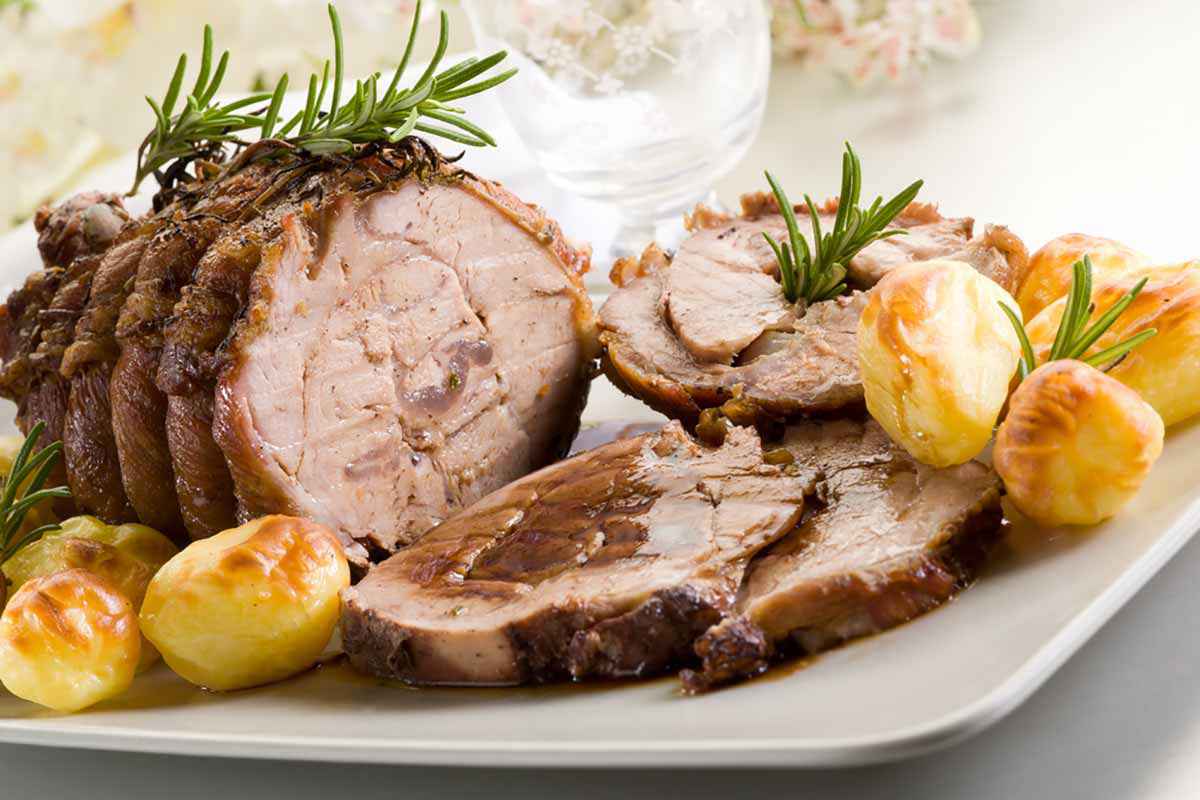
Roast Veal

A classic, flavorful, and succulent homemade second course, made of tender slices of meat softened by a delicious vegetable cream! To be enriched with potatoes, beans, or tomatoes.

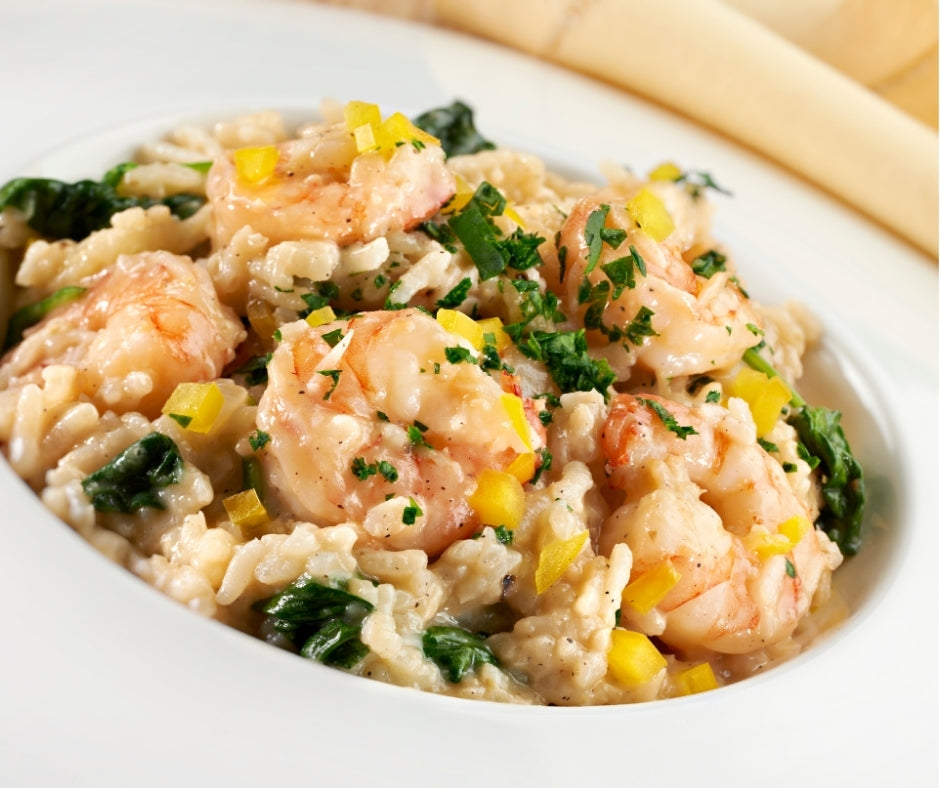
Seafood Risotto

A refined first course, a classic that encapsulates all the flavors of the sea: squid, clams, shrimp, red mullet... a dish rich in taste and character but delicate.

Chardonnay "Le vin de Michel" | Grosjean Vins , did you like it?

Tell us about it by clicking here

Review

Chardonnay "Le vin de Michel" | Grosjean Vins , did you like it?

Tell us about it by clicking here

Review