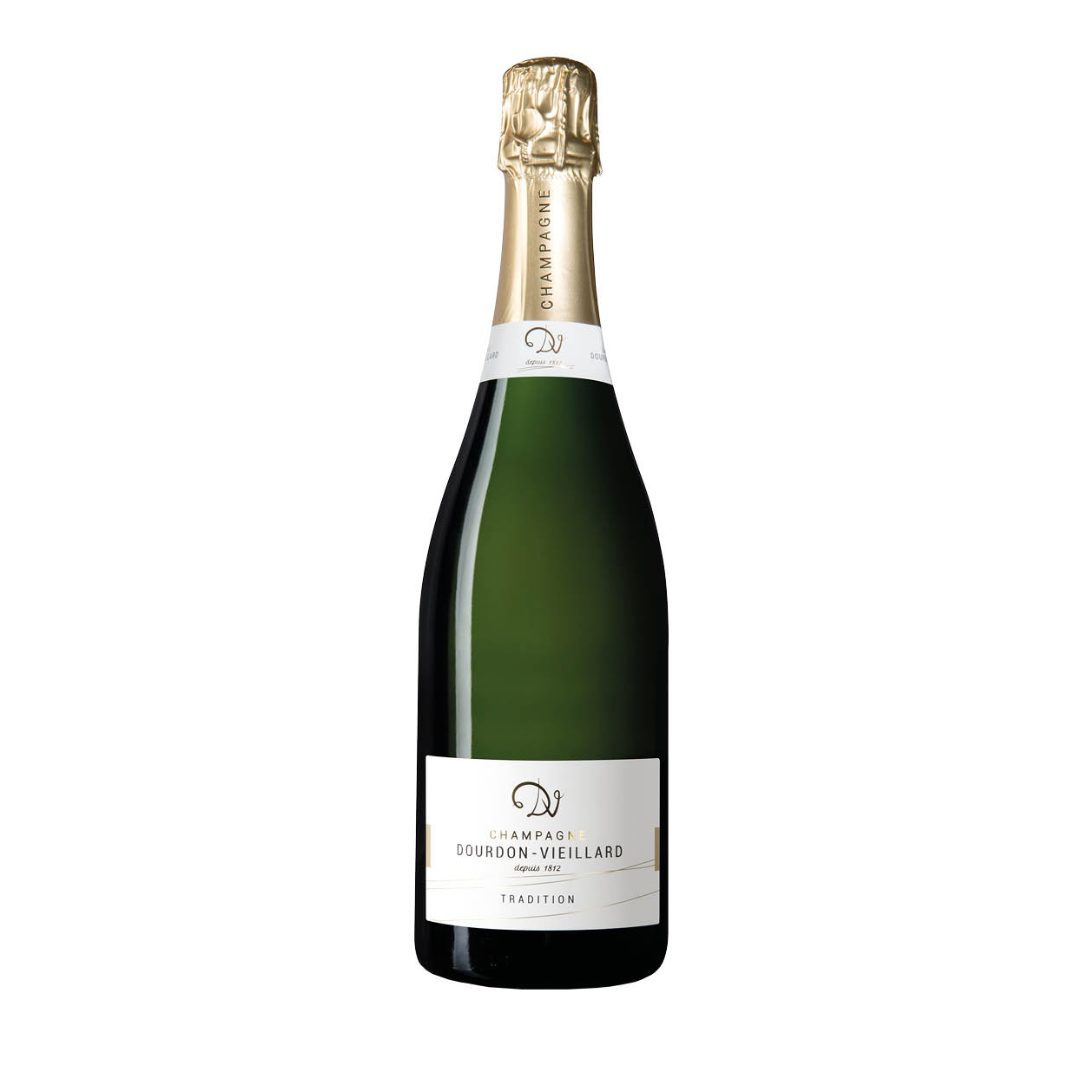
Brut Tradition | Dourdon Vieillard

Sale price€38,50

Sparkling Wine
Champagne (IT)
Champagne AOC
Chardonnay, Pinot Noir, Pinot Meunier
Enjoy it within 4 years
12% ABV

Download as PDF

Production and refinement

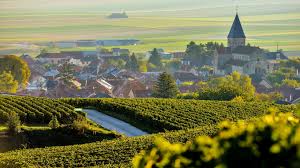
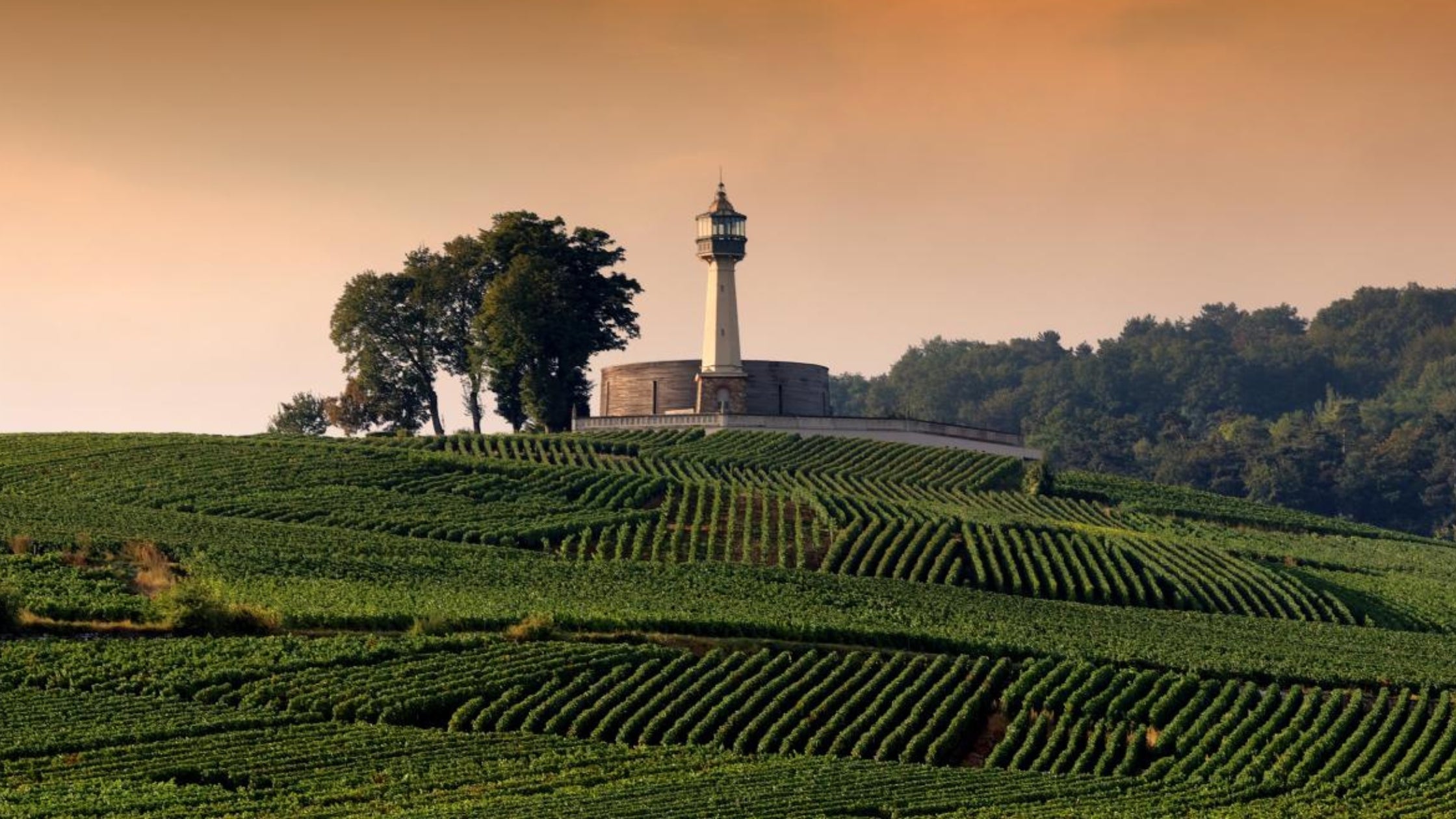
The grapes come from vineyards located in the Marne Valley, near the village of Reuil, where clay-limestone soils form the typical geological foundation of Champagne. The wine is made from a classic blend of the region’s three emblematic varieties: Chardonnay, which brings elegance and freshness; Pinot Noir, which contributes structure and depth; and Pinot Meunier, which provides roundness and fruitiness. The cool climate promotes a slow and gradual ripening of the grapes, allowing the development of natural acidity and great aromatic finesse, essential elements for producing exceptional Champagne.

After the harvest, the grapes are vinified separately to obtain the base wines, which are then blended to create the cuvée. Vinified using the Traditional Method, with the second fermentation in bottle. The Brut Tradition ages for at least four years on the lees, a period that enriches the wine with aromatic complexity, creaminess, and finesse of the perlage. During this long aging, deep aromas and an elegant, velvety texture develop before disgorgement.

Organoleptic analysis

Visual exam

A beautiful bright straw yellow, crossed by a fine, elegant and persistent perlage, a distinctive sign of the long maturation on the lees.

Olfactory examination

The bouquet is refined and complex, with notes of fresh citrus, apple and quince, accompanied by elegant hints of beeswax, linden, and lime zest, which give depth and aromatic finesse.

Tasting

On the palate it is soft, harmonious, and creamy, supported by a lively freshness that gives a dynamic and refined sip. The fruity component integrates with delicate mineral sensations from the region’s calcareous soils, leading to an elegant, clean, and persistent finish of remarkable balance.

Contents index

From the vineyard to the table: discover our wine

Ready for a journey to discover Brut Tradition | Dourdon Vieillard ? We will now take you to delve deeper into every aspect of this exceptional wine through three key sections:
Cellar

Come and learn about the history and values ​​of the winery which passionately grows and transforms grapes into wine

Territory

Immerse yourself in the land that gives life to these unique grapes, discovering the climate and terroir that influence its character

Pairings

Get expert advice on the perfect pairings that will enhance both the wine and your meal

The winery
Country: France

Region: Champagne

Hectares of vineyards: 9

Dourdon Vieillard

The house of Dourdon Vieillard has its roots in the heart of the Vallée de la Marne, one of the most prestigious areas of Champagne, where the family has been continuously cultivating vines since 1812. For over two centuries, generations of winemakers have passed down ancient knowledge and practices, gradually building a solid and authentic tradition. Starting in the 1960s, the family decided to focus entirely on Champagne production, aiming to create wines of great personality that elegantly express the character of the region.

Today, the estate spans 9 hectares of vineyards, divided into 62 parcels around the village of Reuil, on typical clay-limestone soils that provide the wines with structure, freshness, and mineral finesse. Here grow the three emblematic Champagne varieties — Chardonnay, Pinot Noir, and Pinot Meunier — cultivated in a mosaic of vineyards between rivers and plateaus, offering an extraordinary richness of microterroirs. This diversity allows the house to create complex and harmonious blends with a strong stylistic identity. The vines, with an average age of around 35 years, represent a precious heritage carefully tended with great attention.

Since 2005, the leadership of the estate has passed to Fabienne Dourdon-Vieillard, daughter of Josette Vieillard and Alain Dourdon. After ten years of experience in marketing — including a professional path that even took her to work at the Eiffel Tower — Fabienne chose to return to her family roots to dedicate herself entirely to wine.

Dourdon Vieillard

Fabienne has brought new energy to the house, combining tradition and modernity with a contemporary vision while remaining deeply respectful of the family heritage. Her goal is to create elegant, high-quality Champagnes designed to accompany life’s most important moments.

The estate’s production philosophy is deeply rooted in environmental respect. Aware of their responsibility toward biodiversity and the ecosystem, the family practices thoughtful and sustainable viticulture, aiming to obtain the High Environmental Value certification, a French recognition that rewards agricultural practices respectful of nature. Every intervention in the vineyard and winery is carefully planned to preserve the balance of the land and ensure the purity of the grapes.

The range of Dourdon-Vieillard Champagnes includes blended cuvées, vintage cuvées, and single-variety expressions, all united by an elegant, precise style that is profoundly connected to the terroir.

Region and territory

The best sparkling wines in the world
Champagne

The best sparkling wines in the world
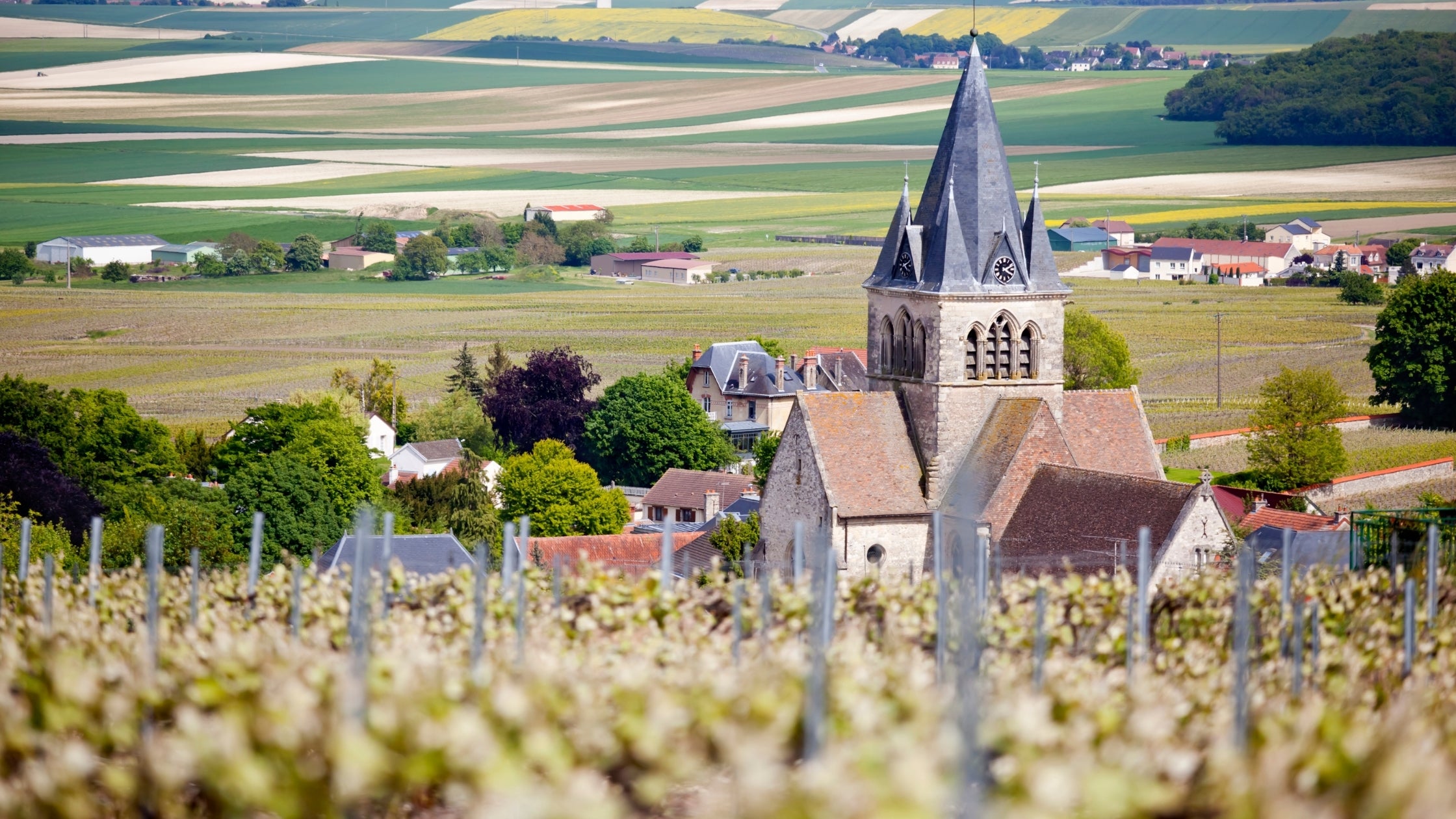
Champagne

The best sparkling wines in the world
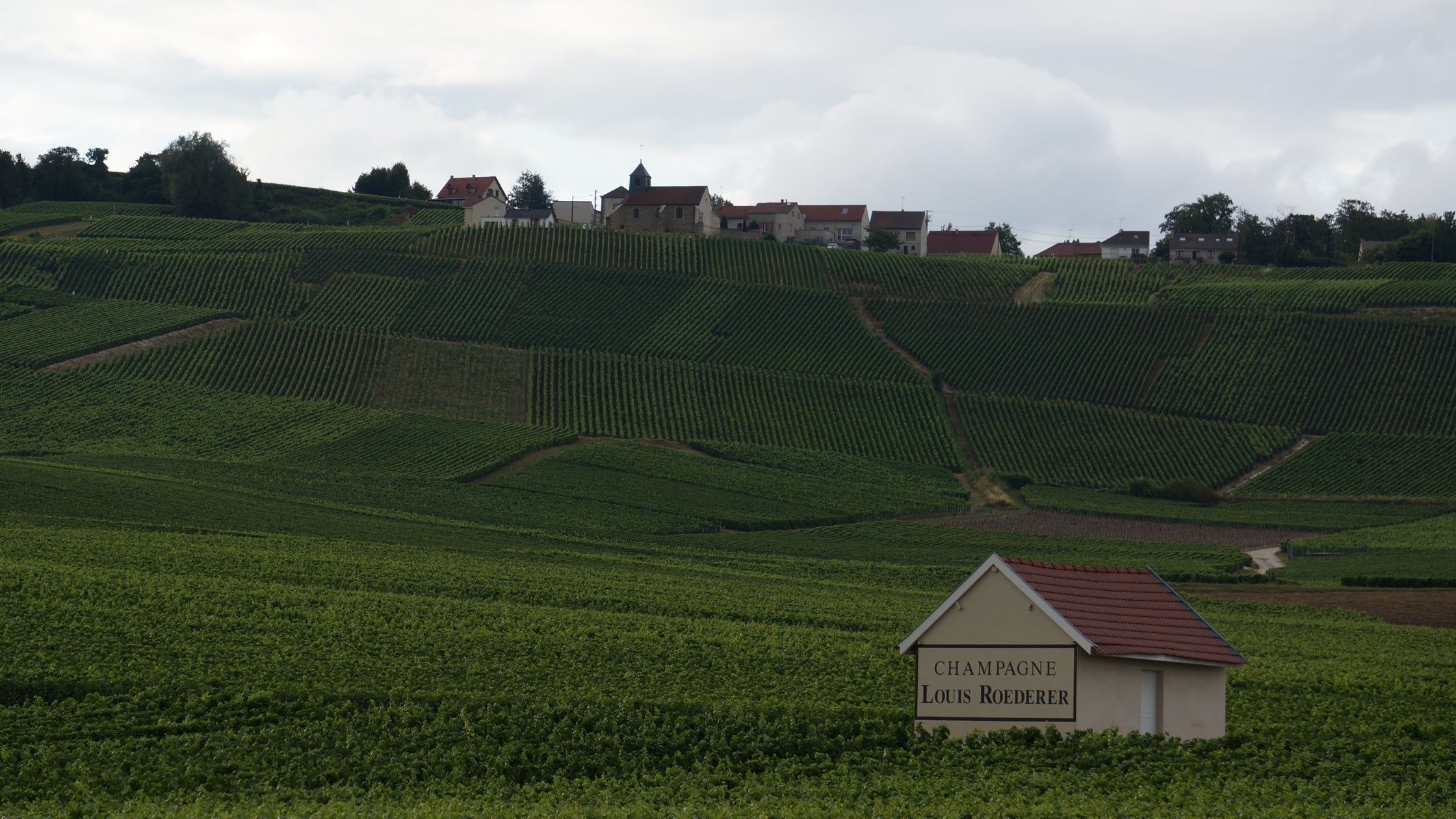
Champagne

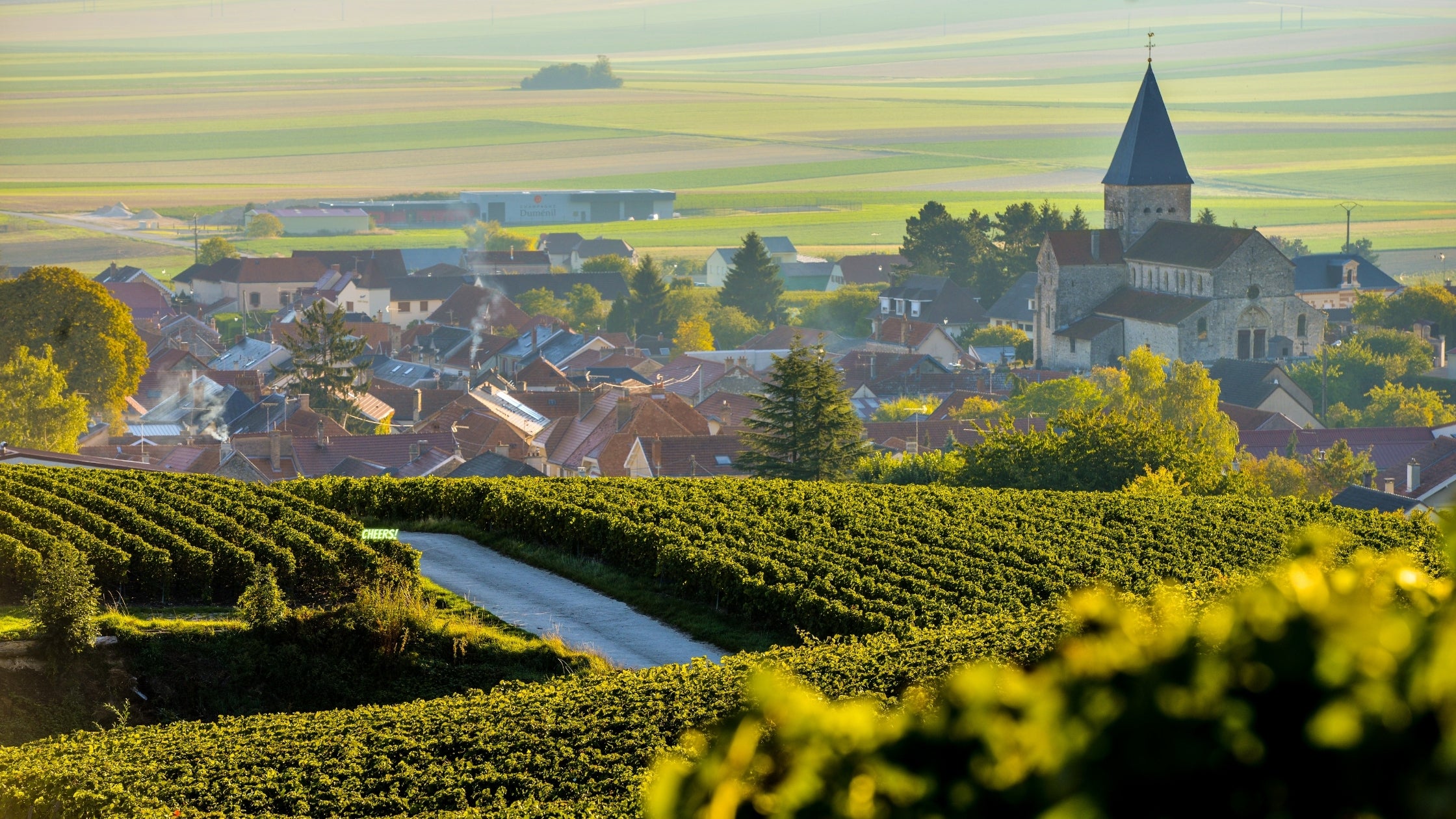
The vineyards of Champagne, stretching 150 km east of Paris, challenge the extreme conditions of the northern climate. Situated at the 49th parallel north, the grapes are cultivated with the help of the ocean's influence, which moderates the temperatures, and the extraordinary skills of the vignerons.

Average temperatures, just above 10°C, promote the slow ripening of the grapes, preserving their natural acidity. Despite the humid climate and frequent spring frosts, the region produces ideal grapes for Champagne, thanks to soils rich in chalk and other mineral components. The vineyards, spread over diverse terrains, extend across hills and plains, capturing the essence of the Mistral wind and the few hours of available sunlight.

Vallée de la Marne

The vineyards in the area take root in marl, clay, and limestone hills. Here, Pinot Meunier is produced, contributing to the legendary Champagnes of the region with fruity acidity and hints of pear, apple, and pine nut. Major houses like Moët & Chandon and Roederer oversee these vineyards, while small cooperative wineries preserve their territorial character. However, it is through the work of independent vignerons that the true essence of this territory is captured.

In the Vallée de la Marne, two villages boast the Grand Cru classification:

- Aÿ;
- Tours-sur-Marne.

Pinot Meunier che affonda le radici su colline marnose, argillose e calcaree

Recommended pairings and dishes

Matching by concordance

The aromatic delicacy and creaminess of this great sparkling wine pair perfectly with equally elegant dishes such as shellfish, fish carpaccios, seafood salads, or preparations with fresh vegetables. The citrus and fruity notes of the Champagne find a natural correspondence in the delicate flavors and fresh preparations of seafood cuisine.

Matching by contrast

One can take advantage of the fine effervescence and vibrant freshness of the Champagne to balance slightly rich dishes such as salmon omelettes, fried foods, pan-seared fish, or preparations with delicate sauces. The bubbles cleanse the palate and enhance the aromatic perception of the dishes, creating a sensation of lightness and extraordinary gustatory harmony.

It pairs well with

Refined appetizers, elegant aperitifs, fish and shellfish, light seafood dishes, salmon omelettes, crisp asparagus salads, or delicate preparations based on vegetables and fish. Its finesse also makes it perfect as an aperitif Champagne, capable of accompanying convivial moments, receptions, or romantic dinners.

Matching by concordance

The aromatic delicacy and creaminess of this great sparkling wine pair perfectly with equally elegant dishes such as shellfish, fish carpaccios, seafood salads, or preparations with fresh vegetables. The citrus and fruity notes of the Champagne find a natural correspondence in the delicate flavors and fresh preparations of seafood cuisine.

Matching by contrast

One can take advantage of the fine effervescence and vibrant freshness of the Champagne to balance slightly rich dishes such as salmon omelettes, fried foods, pan-seared fish, or preparations with delicate sauces. The bubbles cleanse the palate and enhance the aromatic perception of the dishes, creating a sensation of lightness and extraordinary gustatory harmony.

It pairs well with

Refined appetizers, elegant aperitifs, fish and shellfish, light seafood dishes, salmon omelettes, crisp asparagus salads, or delicate preparations based on vegetables and fish. Its finesse also makes it perfect as an aperitif Champagne, capable of accompanying convivial moments, receptions, or romantic dinners.

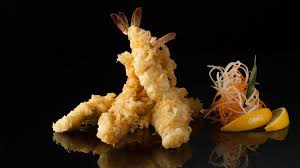
Tempura

A typical dish of Japanese cuisine, made with fried fish or vegetables, known for being a light and healthy type of frying. The secret lies in the batter preparation, which is especially light and significantly less caloric than its Western counterparts.

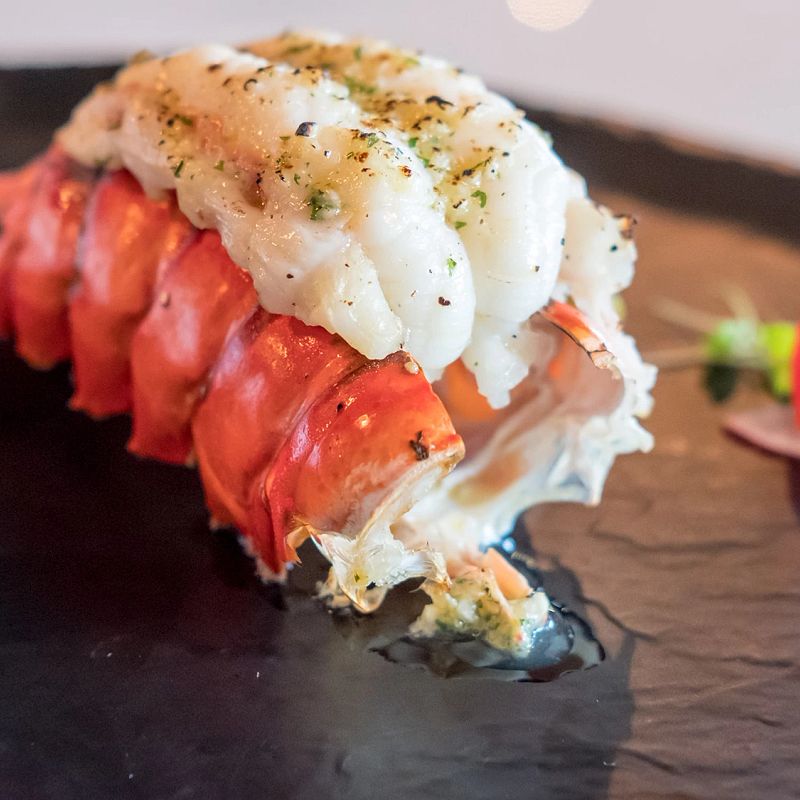
Lobster

For those who appreciate it, lobster is truly the queen of the table, the dish for special occasions. This crustacean lives in the rocky depths of the eastern Atlantic Ocean and the Mediterranean Sea. Its tender white meat is captivating with a flavor that evokes the sea, with a sweet and slightly nutty aftertaste. A true delicacy. There are many possible recipes: lobster with beurre blanc, lobster Thermidor, Parisian-style lobster, lobster in court-bouillon, lobster with Champagne and pilaf rice...

Brut Tradition | Dourdon Vieillard , did you like it?

Tell us about it by clicking here

Review

Brut Tradition | Dourdon Vieillard , did you like it?

Tell us about it by clicking here

Review