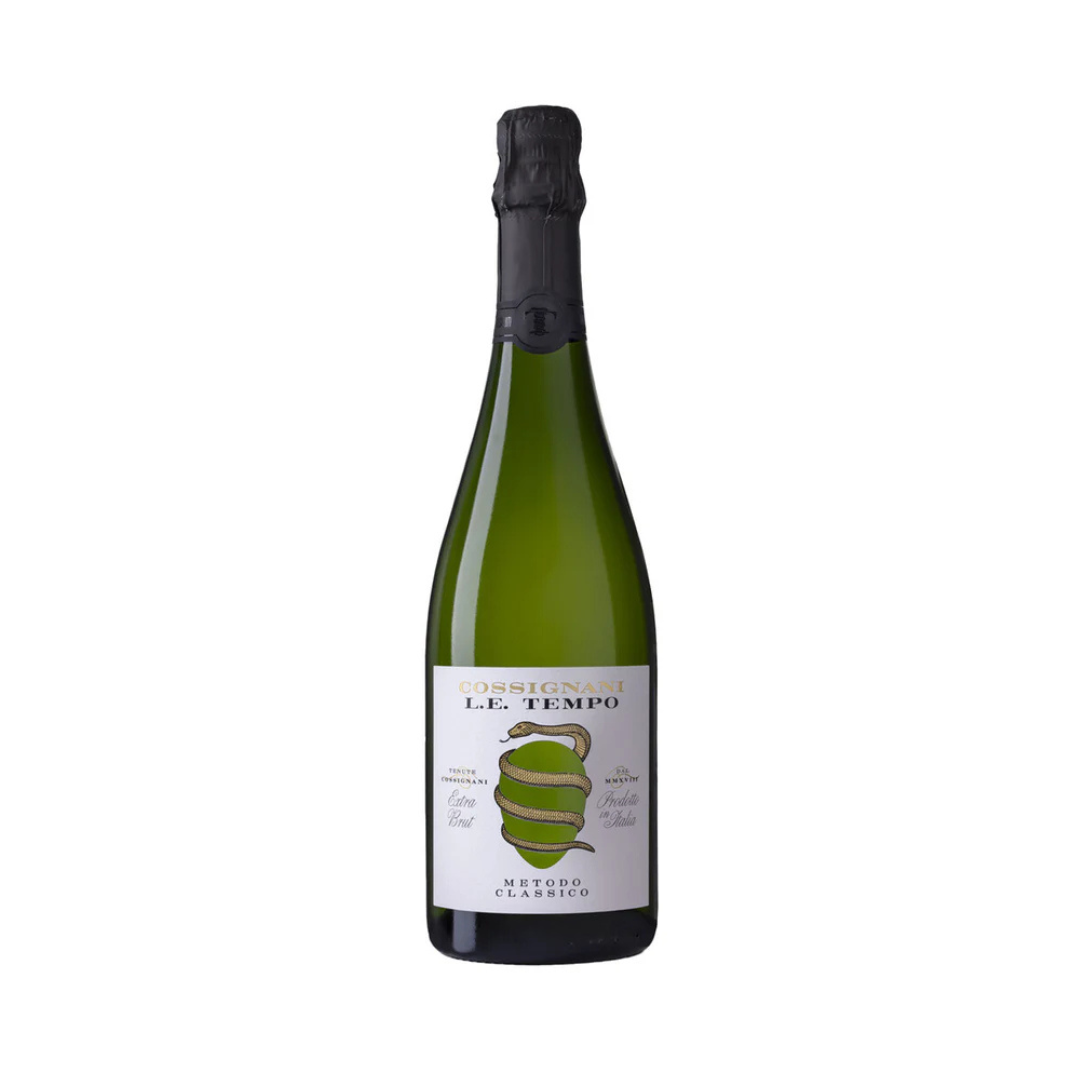
Blanc De Blancs | Tenute Cossigliani

Sale price€35,00

Sparkling Wine
Marche (IT)
Pecorino
Enjoy it within 4 years
12,5% ABV

Download as PDF

Production and refinement

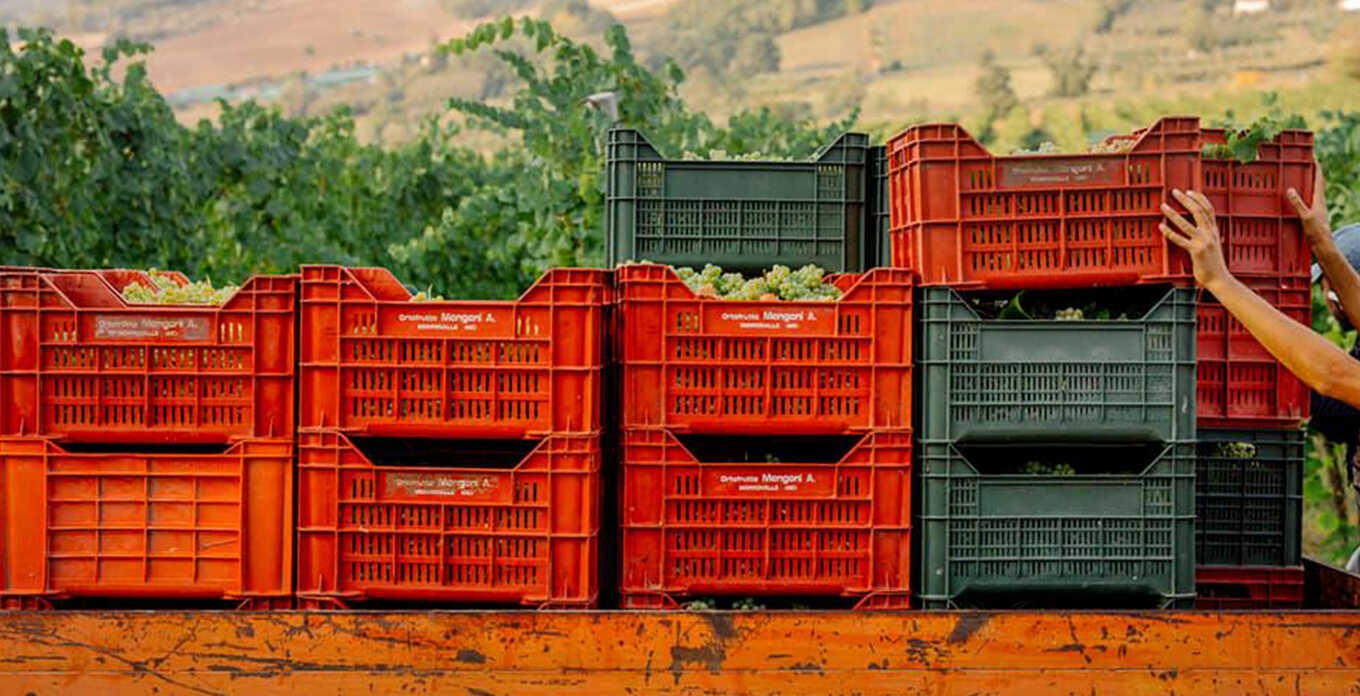
Pecorino from the Vigna San Pietro vineyard, at 100 meters above sea level, trained with double Guyot on soils composed of sandstone and limestone. The vines have an average age of 30 years and are south-southeast facing, with significant day-to-night temperature variation that promotes aromatic complexity. All vineyard operations, from pruning to manual harvesting, are carried out with great care, prioritizing biodiversity and soil health.

After the manual harvest in the second half of August, the grapes undergo 24 hours of cold maceration and gentle pressing. The free-run must ferments partly in cement tanks and partly in oak barrels, with partial malolactic fermentation. The final blend prepares the wine for the second fermentation in bottle according to the Traditional Method, with about 18 months of aging on the lees. Stabilization occurs naturally through cold, and the secondary fermentation takes place in temperature-controlled caves, enhancing freshness, structure, and aromatic complexity. The average production is limited, ensuring high-quality wine.

Organoleptic analysis

Visual exam

Bright straw yellow, with slight greenish hues. The perlage is fine, continuous, and persistent, hinting at elegance and finesse.

Olfactory examination

On the nose, it is complex and fresh, expressing aromas of Delizia apple, white peach, citrus, white broom flowers, and subtle buttery boisée notes. The minerality and floral nuances make the bouquet intriguing and layered.

Tasting

On the palate, it is lively and enveloping, fresh, dry, and savory. The structure is powerful yet balanced by vibrant acidity and mineral persistence, leading to a long, extremely elegant finish.

Contents index

From the vineyard to the table: discover our wine

Ready for a journey to discover Blanc De Blancs | Tenute Cossigliani ? We will now take you to delve deeper into every aspect of this exceptional wine through three key sections:

Cellar

Come and learn about the history and values ​​of the winery which passionately grows and transforms grapes into wine

Territory

Immerse yourself in the land that gives life to these unique grapes, discovering the climate and terroir that influence its character

Pairings

Get expert advice on the perfect pairings that will enhance both the wine and your meal

The winery

Country: Italy

Region: Marche, Ascoli Piceno

Hectares of vineyards: 20

Tenute Cossigliani

The Cossignani winery represents one of the most refined realities of Marche viticulture, specializing in Traditional Method sparkling wines. Founded in 2018 by siblings Letizia and Edoardo Cossignani, the estate was born from the restoration of their grandfather Saturnino’s old vineyards, located in Massignano, in the province of Ascoli Piceno. From the outset, the siblings’ choice was clear: to focus exclusively on sparkling wine production, highlighting the traditional varieties of the Marche region and emphasizing an authentic connection between grape, terroir, and production method.

The estate covers approximately 20 hectares of vineyards, although only a limited portion is dedicated to sparkling wine production. The vineyards are managed according to certified organic farming principles, on soils rich in sandstone and limestone, at an average altitude of 200 meters above sea level. This combination of soil and altitude gives the grapes—particularly Pecorino and Sangiovese—elegant minerality and natural freshness, essential elements for Traditional Method sparkling wine production.

Tenute Cossigliani

The winery uses a selection of cement tanks and oak barrels, allowing the aromatic purity of the grapes to be preserved while developing complexity and structure.

The Cossignani sparkling wine range consists of two main labels: a Traditional Method Blanc de Blancs, produced exclusively from Pecorino grapes, and a Traditional Method Rosé, made solely from Sangiovese.

The organic approach, vineyard altitude, careful grape selection, and extended aging on the lees make each bottle an authentic expression of the Marche region, a product of elegance, harmony, and great personality.

Region and territory

Here vineyards dance to the rhythm of the wind, embraced by enchanting hills, yielding wines of great depth.
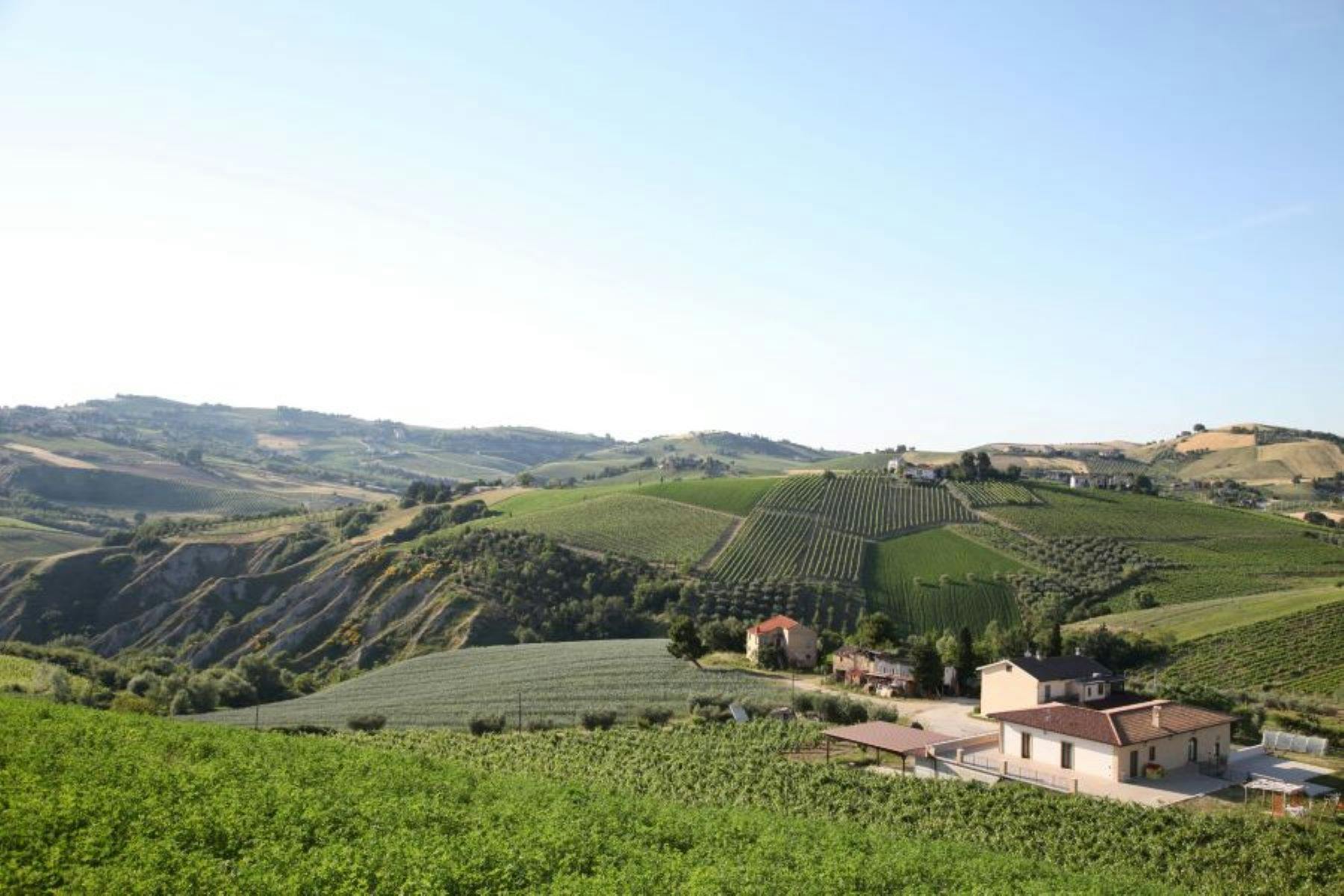
Marche

Here vineyards dance to the rhythm of the wind, embraced by enchanting hills, yielding wines of great depth.
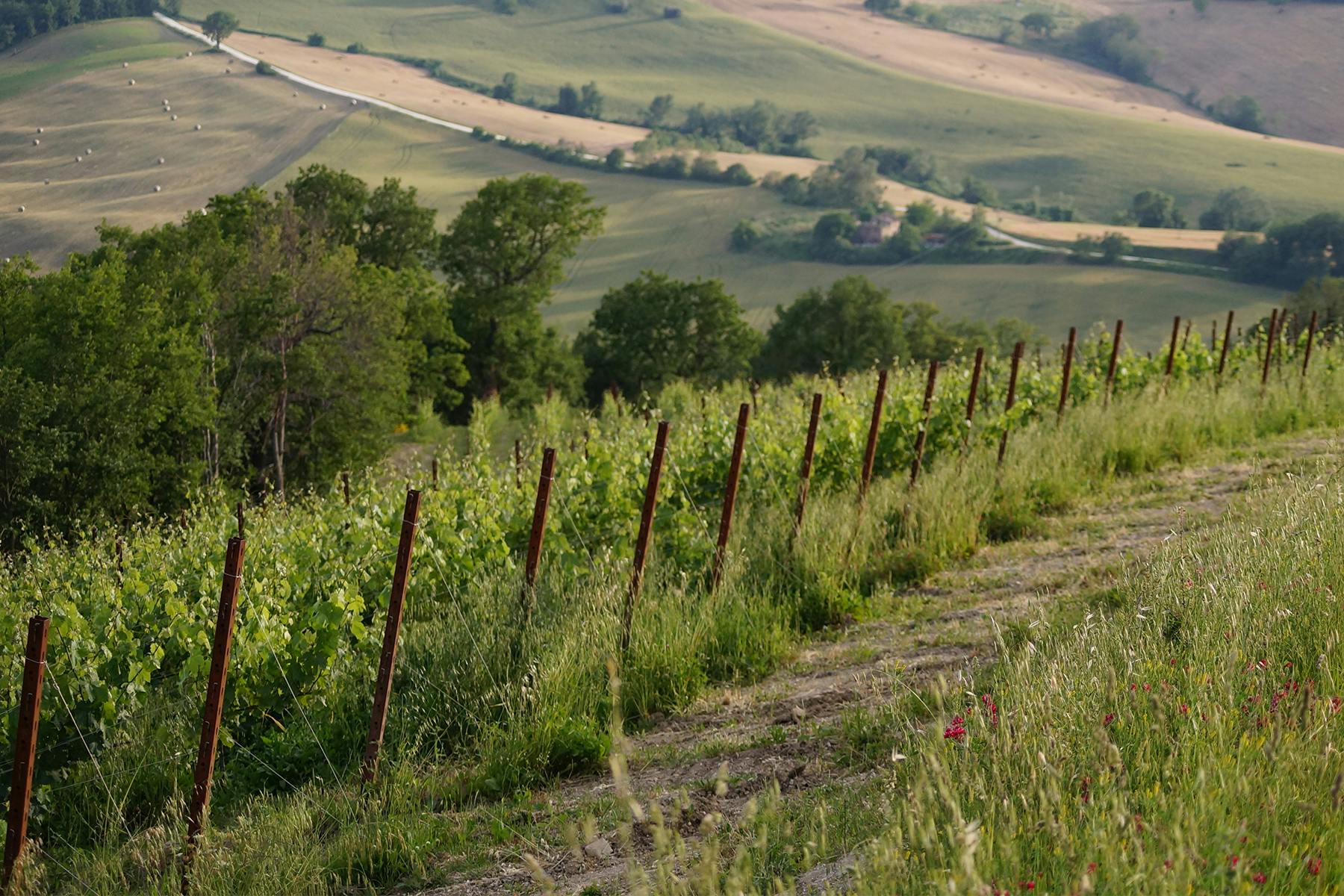
Marche

Here vineyards dance to the rhythm of the wind, embraced by enchanting hills, yielding wines of great depth.
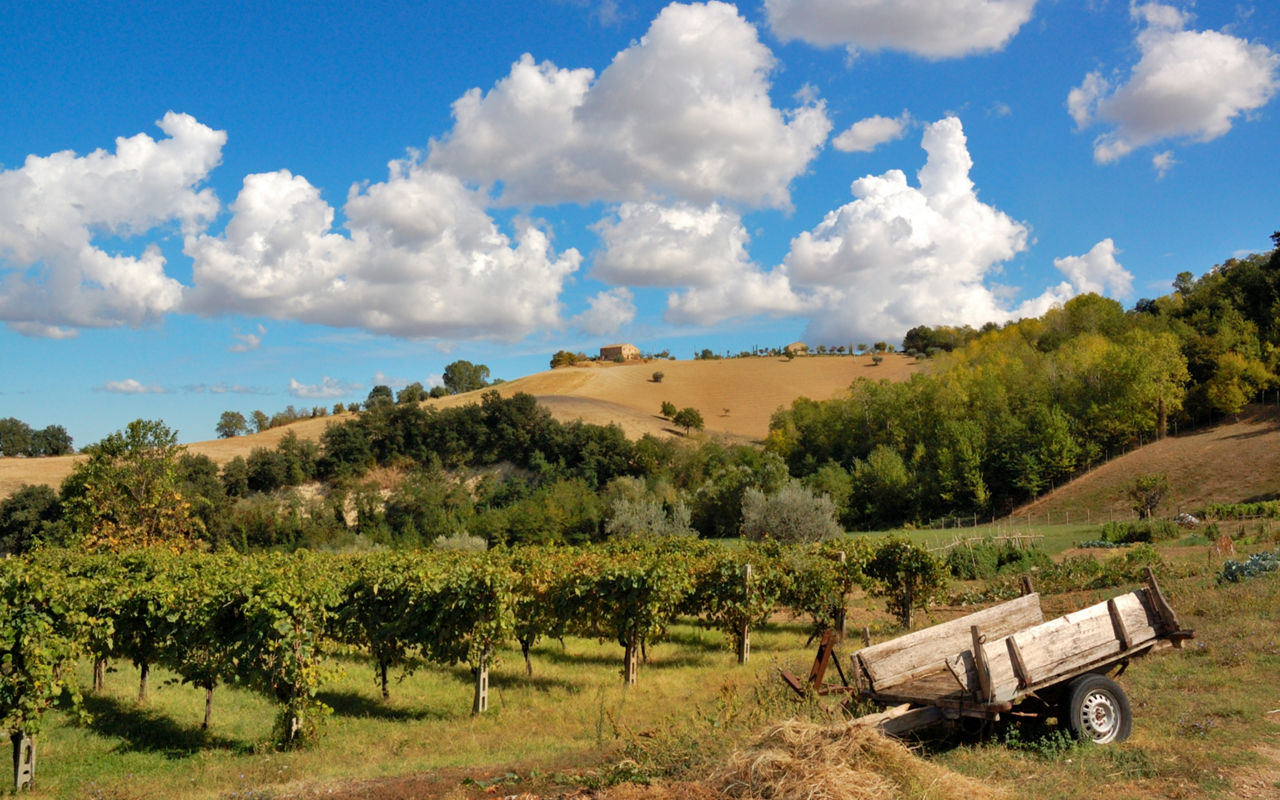
Marche

Viticulture in the Marche has ancient roots dating back to Etruscan times, and over the centuries, it has become an important activity for the local economy, with medieval expansion of cultivation thanks to the Benedictine monks.
The fame of Marche wines spread throughout Europe in the 19th century, only to suffer a crisis due to competition from wines of other Italian regions. It regained prominence only in recent decades, thanks to the rediscovery of native varieties and the introduction of new cultivation and winemaking techniques.

Thanks to its pedoclimatic characteristics, the Marche is particularly suited to viticulture, although the climate varies greatly depending on the arrangement and altitude of the relief. In coastal and southern areas, the climate is Mediterranean, warmer and drier, while in the inland and northern areas, it is continental, with greater temperature variations and the risk of frost.
Soils also vary depending on the subzone: three types of soils can be identified – calcareous soils in the hilly areas, clayey soils in the flat valleys, and sandy soils in the coastal strip.

Piceno

These are still sparsely urbanized lands of rare beauty, where the vine has found a fertile abode and speaks a plural language: indigenous white grape varieties such as Trebbiano, Passerina, and the rediscovered Pecorino coexist with the delicate rusticity of Sangiovese red and the vigorous strength of Montepulciano black.

From the blend of the former arises the Falerio and from the latter the Rosso Piceno Superiore, wines with a strong territorial vocation that now coexist with the Offida DOCG and the interesting interpretations of single-varietal wines. In fact, in the area, there is a production of one DOCG, Offida (Pecorino, Passerina, Rosso), and 3 DOC (Falerio, Rosso Piceno, and Rosso Piceno Superiore, Terre di Offida).

The territory is characterized by an early conversion to organic farming of the majority of vineyard lands and beyond, with agricultural work deeply oriented towards respecting nature: all this determines the quality of the wines of the Piceno hills. Here, the climate is continental, characterized by cold winters and hot summers; the clayey soils express their maximum potential.

Among the pristine lands of Piceno, the vine speaks an ancient and varied language.

Recommended pairings and dishes

Matching by concordance

The refinement of the sparkling wine calls for pairings with equally elegant dishes, ideal for sophisticated dinners.

Matching by contrast

Thanks to its sapidity and mineral persistence, the Blanc de Blancs handles the contrast with slightly rich and succulent dishes very successfully.

It pairs well with

Fish carpaccios, tuna or sea bass tartares, steamed shrimp and shellfish, oysters, fresh seafood salads, sushi and sashimi, light fried fish. Seafood risottos, pasta with delicate fish- or vegetable-based sauces, gnocchi with butter and lemon, first courses with shellfish or mollusks. White meats such as roasted chicken or turkey, oven-baked or pan-cooked fish, lightly spiced dishes, dishes with white sauces or aromatic herbs. Blue cheeses, soft fresh cheeses, delicate savory pies, quiches with vegetables or seafood.

Matching by concordance

The refinement of the sparkling wine calls for pairings with equally elegant dishes, ideal for sophisticated dinners.

Matching by contrast

Thanks to its sapidity and mineral persistence, the Blanc de Blancs handles the contrast with slightly rich and succulent dishes very successfully.

It pairs well with

Fish carpaccios, tuna or sea bass tartares, steamed shrimp and shellfish, oysters, fresh seafood salads, sushi and sashimi, light fried fish. Seafood risottos, pasta with delicate fish- or vegetable-based sauces, gnocchi with butter and lemon, first courses with shellfish or mollusks. White meats such as roasted chicken or turkey, oven-baked or pan-cooked fish, lightly spiced dishes, dishes with white sauces or aromatic herbs. Blue cheeses, soft fresh cheeses, delicate savory pies, quiches with vegetables or seafood.

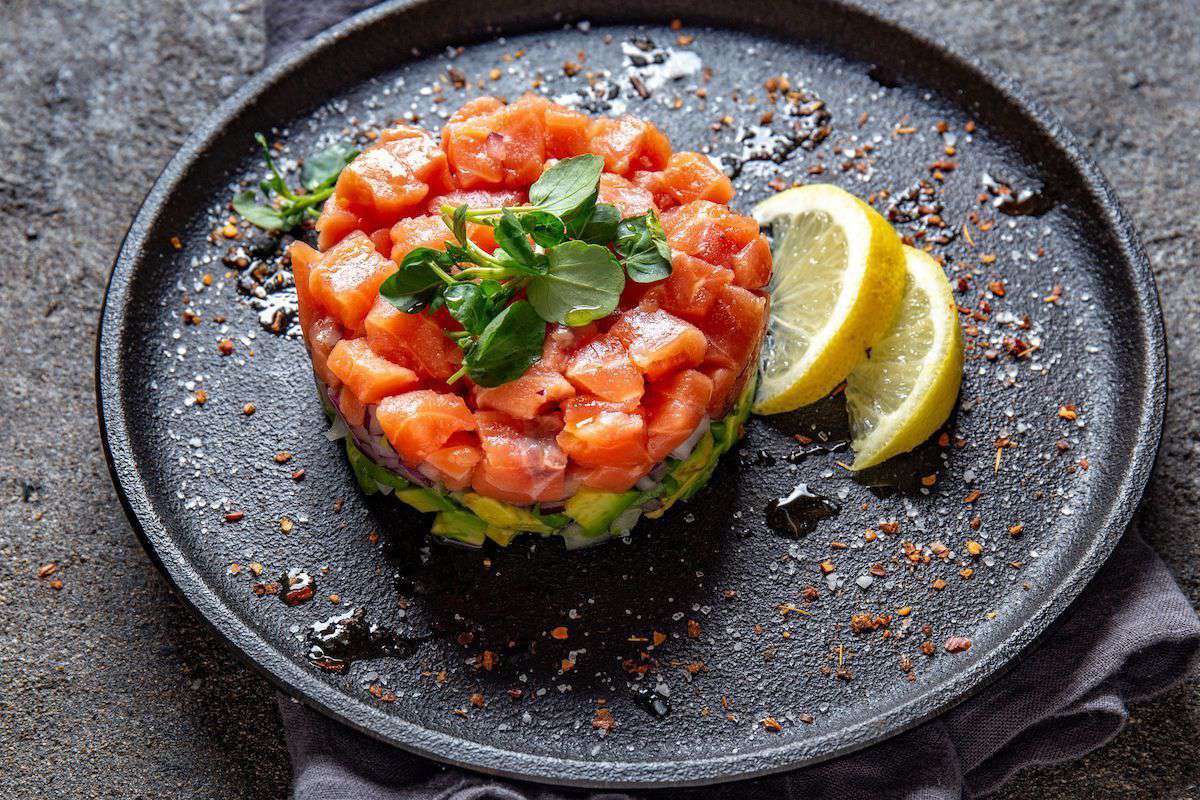
Salmon Tartare

A starter of raw fish with a unique refinement, rich in flavor and aromas yet very delicate and soft. It can be enhanced with avocado, toasted almonds, oil, lemon juice, or even chives.

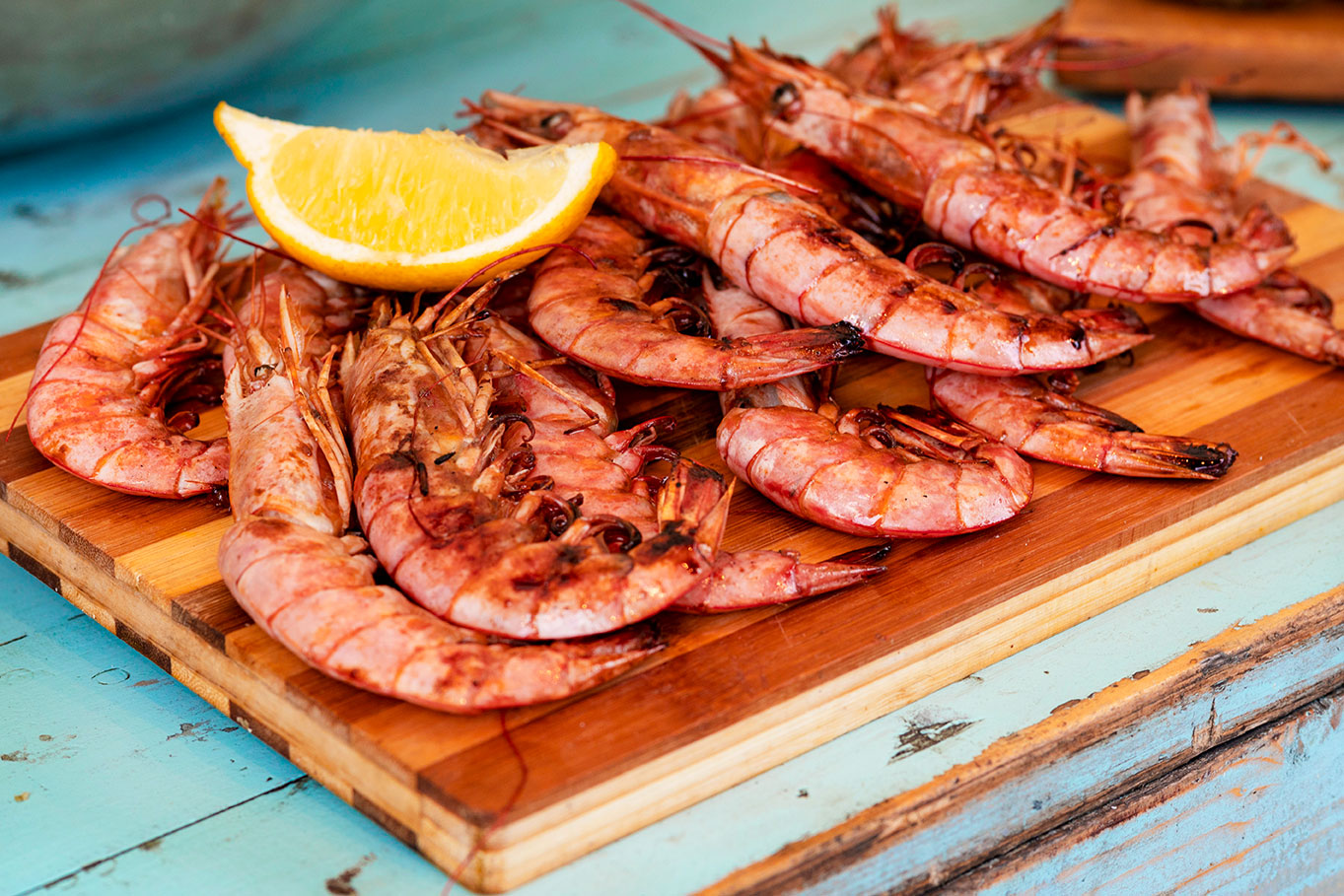
Gamberoni alla griglia

Un secondo piatto a base di pesce, raffinato, facile e veloce da preparare. Il sapore delicato e al tempo stesso i profumi intensi e decisi dei gamberi sono perfetti per pranzi estivi ma non solo. La ricetta si può arricchire con peperoncino, limone, aglio e trito di erbe in base ai gusti.

Blanc De Blancs | Tenute Cossigliani , did you like it?

Tell us about it by clicking here

Blanc De Blancs | Tenute Cossigliani , did you like it?

Tell us about it by clicking here