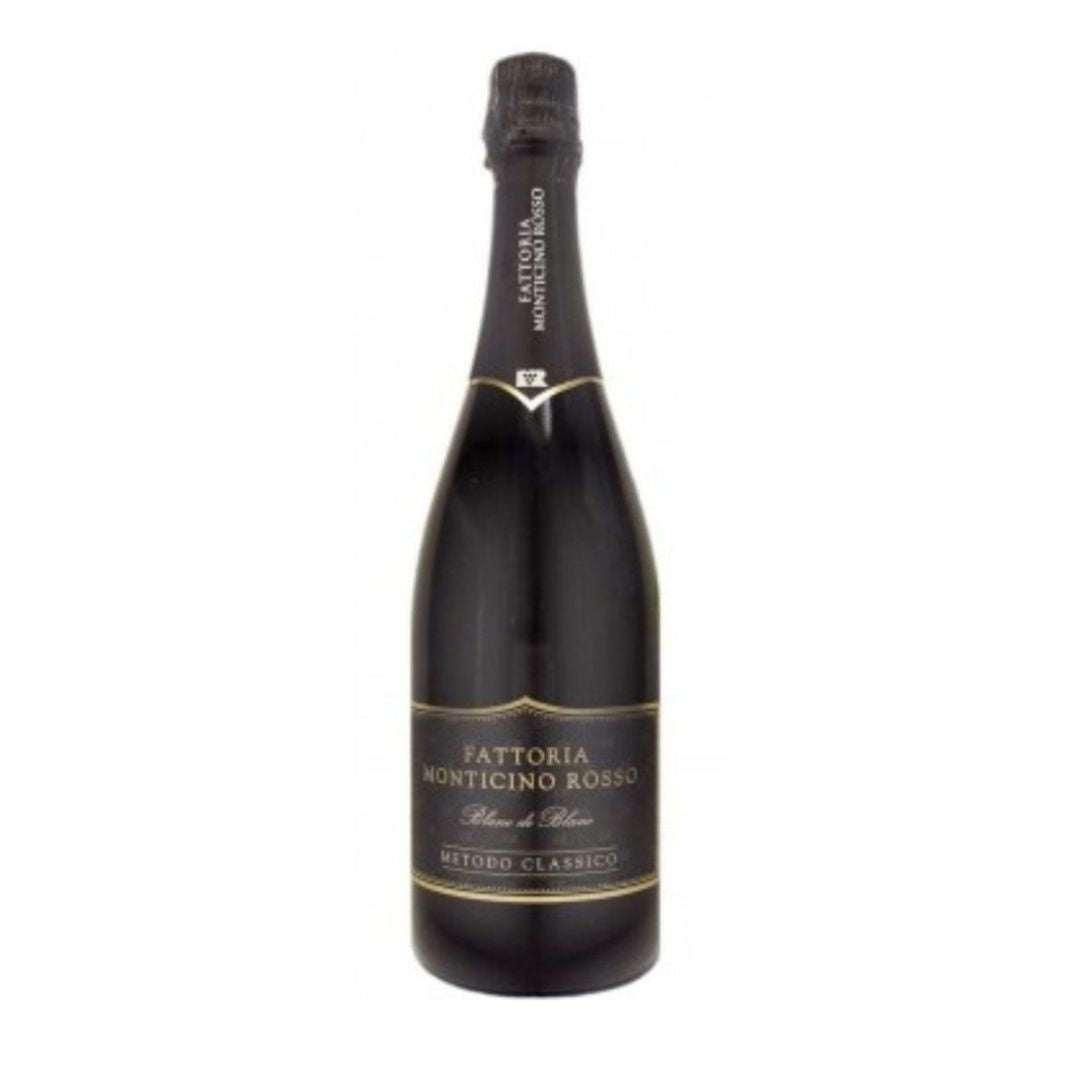
Blanc De Blanc 36 Mesi | Fattoria Monticino Rosso

Sale price€22,00

Sparkling Wine
Emilia Romagna (IT)
Albana DOCG
Albana 100%
Enjoy it within 4 years
12,5% ABV

Download as PDF

Production and refinement

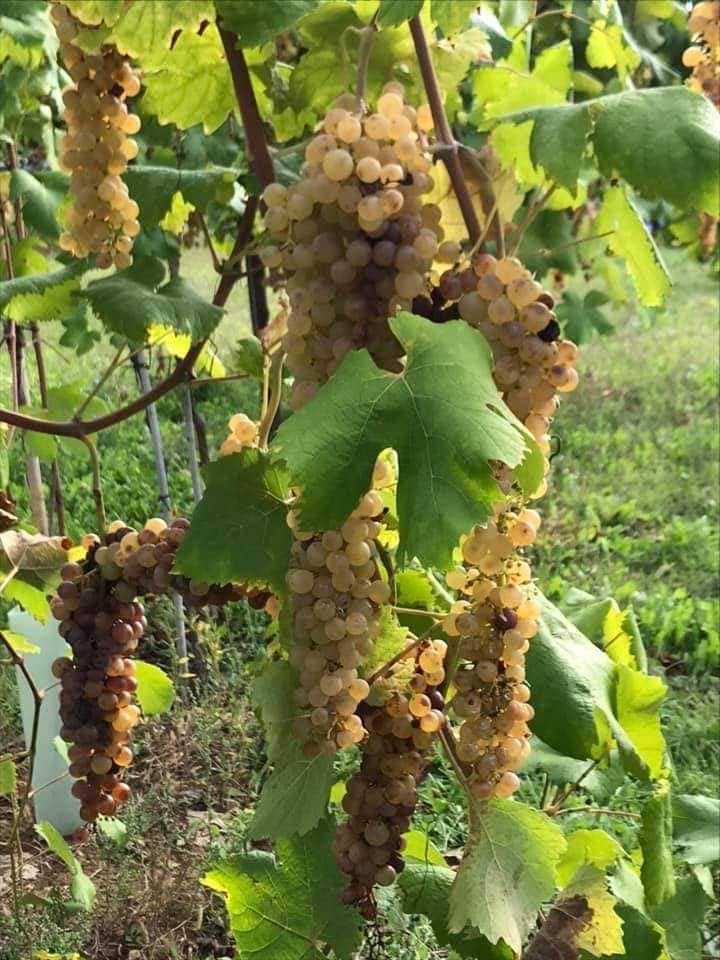
Pure Albana, the emblematic grape variety of Romagna and the main white variety of the area. The grapes come from the hills around Imola, in an area characterized by its transitional position between the Emilian plain and the hilly territory of Romagna.

Produced according to the Traditional Method, with a second fermentation in the bottle. After vinification, the second fermentation and subsequent aging on the lees are at the heart of the cuvée’s style: the wine spends 36 months on the lees. This extended lees aging contributes to the development of bread crust notes and greater aromatic complexity, while also enhancing its creamy texture and fine, persistent bubbles. After disgorgement, the wine is left without the addition of sugar dosage.

Organoleptic analysis

Visual exam

Bright straw yellow with golden hues, very fine perlage.

Olfactory examination

The bouquet combines a clear fruity character with the typical autolytic notes of the Traditional Method. Aromas of peach, mango, and apricot are complemented by floral nuances reminiscent of daisy, along with fresh herbal notes. These are followed by hints of freshly baked bread crust.

Tasting

The palate is dry, creamy, and remarkably fresh. The acidity is vibrant, further enhanced by the effervescent component. The bubbles are fine and well integrated, with good body and substantial structure. A lively and energetic wine with excellent drinkability.

Contents index

From the vineyard to the table: discover our wine

Ready for a journey to discover Blanc De Blanc 36 Mesi | Fattoria Monticino Rosso ? We will now take you to delve deeper into every aspect of this exceptional wine through three key sections:

Cellar

Come and learn about the history and values ​​of the winery which passionately grows and transforms grapes into wine

Territory

Immerse yourself in the land that gives life to these unique grapes, discovering the climate and terroir that influence its character

Pairings

Get expert advice on the perfect pairings that will enhance both the wine and your meal

The winery

Country: Italy

Region: Emilia Romagna

Hectares of vineyards: 23

Fattoria Monticino Rosso

Fattoria Monticino Rosso is a family-run agricultural estate founded in 1965 by Luciano and Gianni Zeoli. Since then, the family has cultivated vineyards and orchards in the hills around Imola, maintaining a direct and continuous connection with the area.

The winery has always followed an artisanal approach to wine production, rooted in respect for tradition and a strong focus on quality. The estate places particular emphasis on native grape varieties, especially Albana, Pignoletto, and Romagna Sangiovese, which are considered key to expressing the characteristics and potential of the Imola hills.

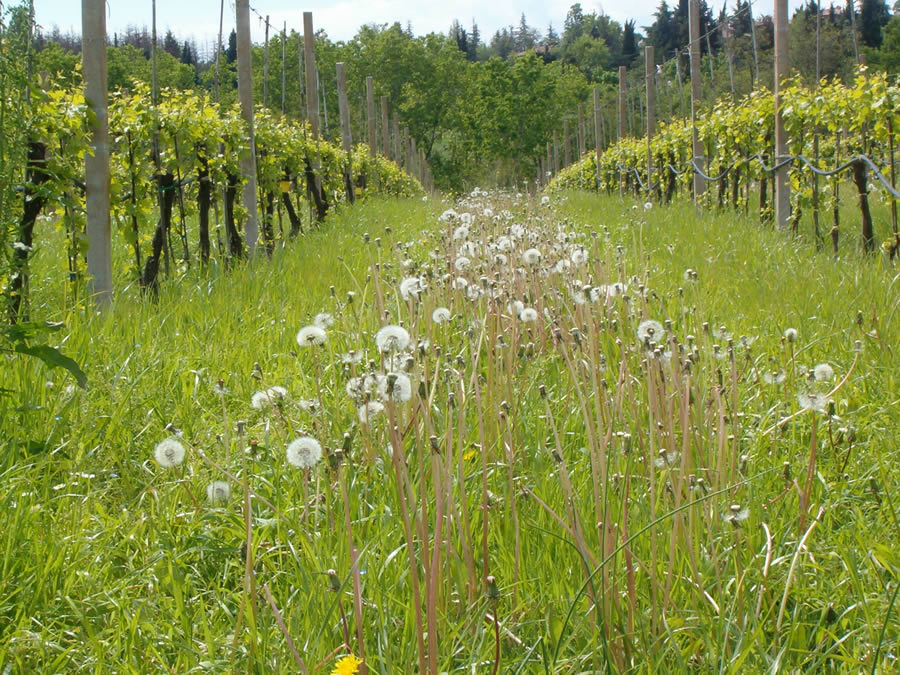
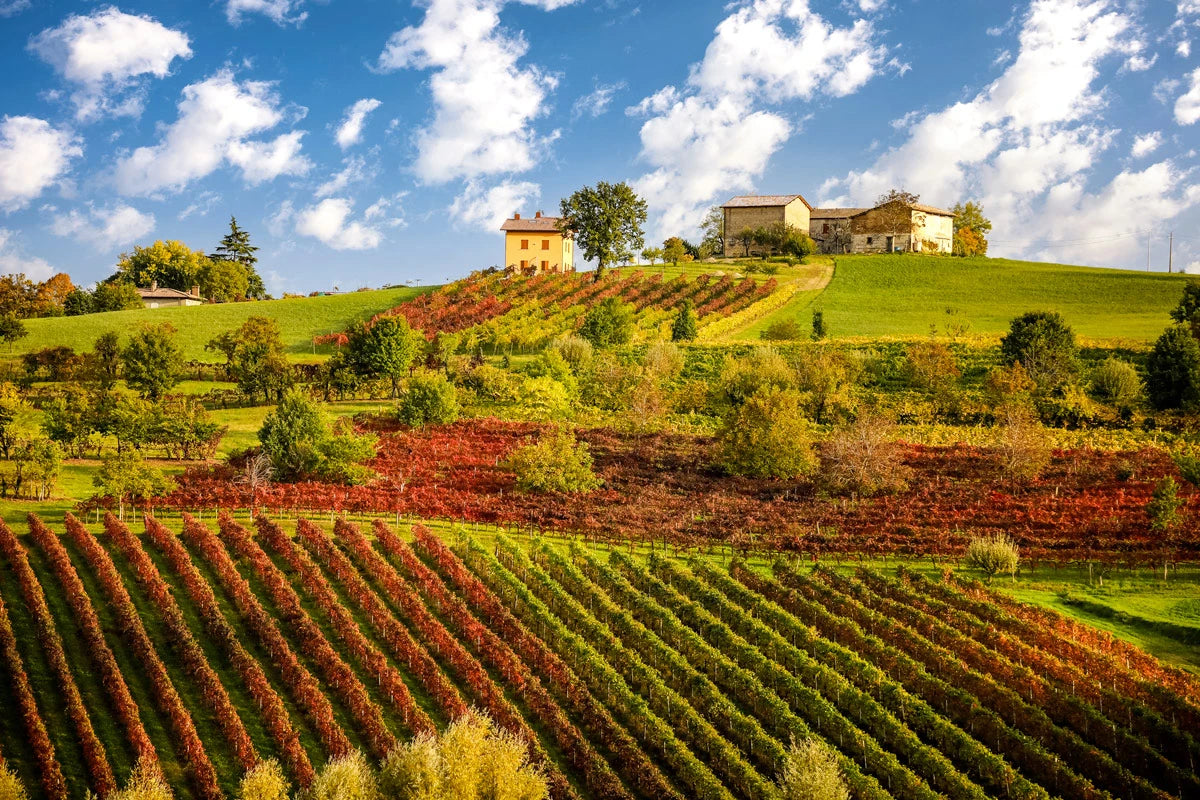
The landscape surrounding the Monticino Rosso estate is characterized by vineyards climbing the hillsides, creating an environment of soft, harmonious contours. The presence of a cool breeze helps keep the grapes healthy and accompanies the natural ripening cycle of the vines.

Fattoria Monticino Rosso

In 2000, the winery moved its winemaking facilities to the Monticino Rosso estate, into a new and better-equipped structure designed to further improve control over the various stages of grape processing. The new winery was conceived as a true “home of wine,” intended not only to optimize the production process but also to welcome visitors interested in discovering firsthand how the wines of the area are made.

Region and territory

Not only ordinary wines but also high quality in the land of Lambrusco
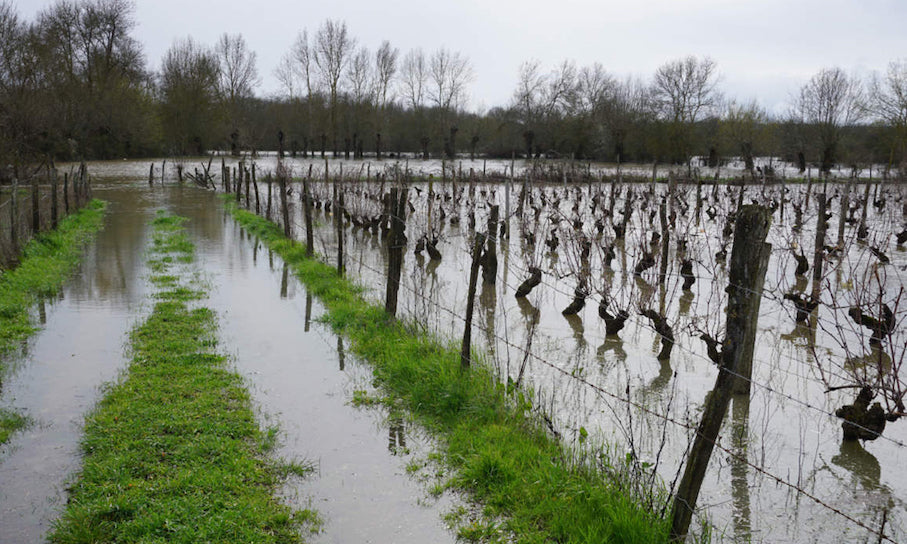
Emilia Romagna

Not only ordinary wines but also high quality in the land of Lambrusco
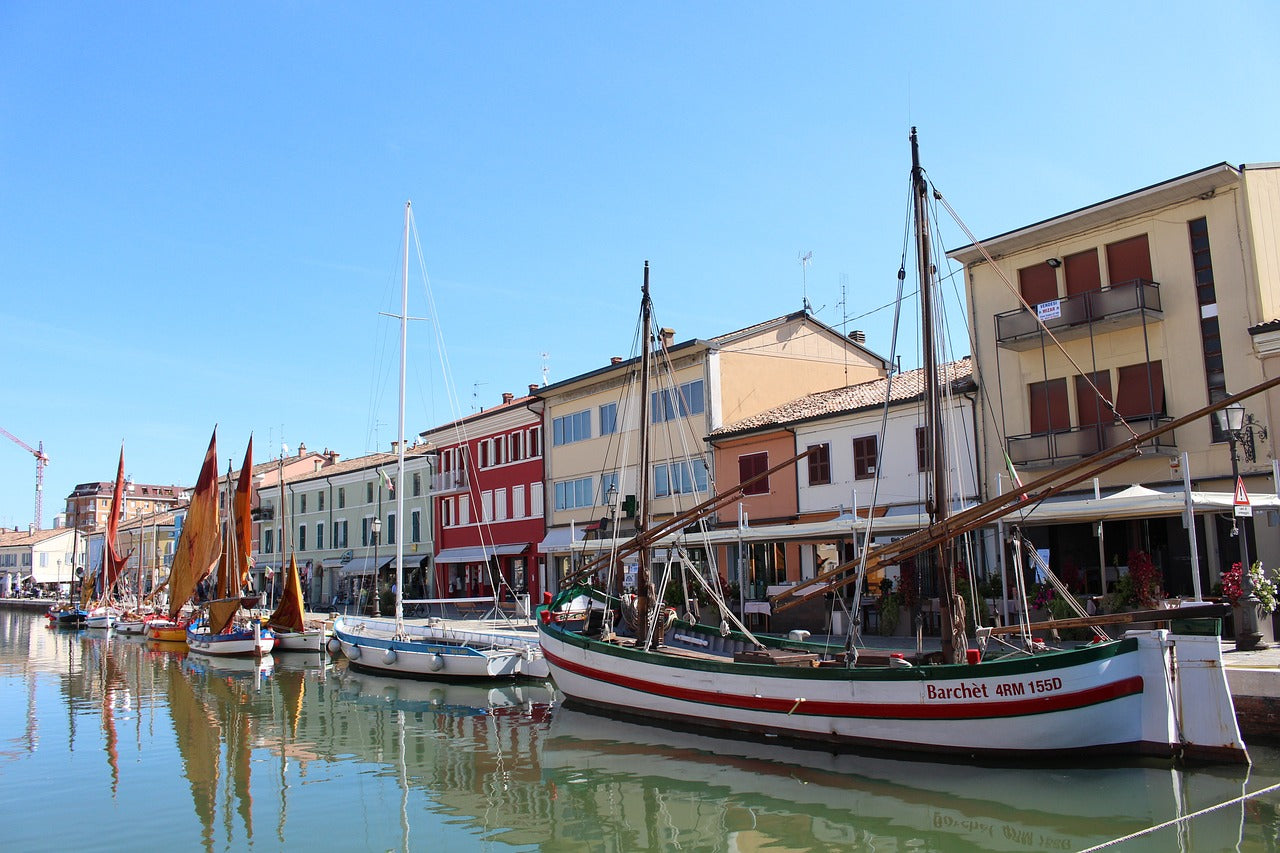
Emilia Romagna

Not only ordinary wines but also high quality in the land of Lambrusco
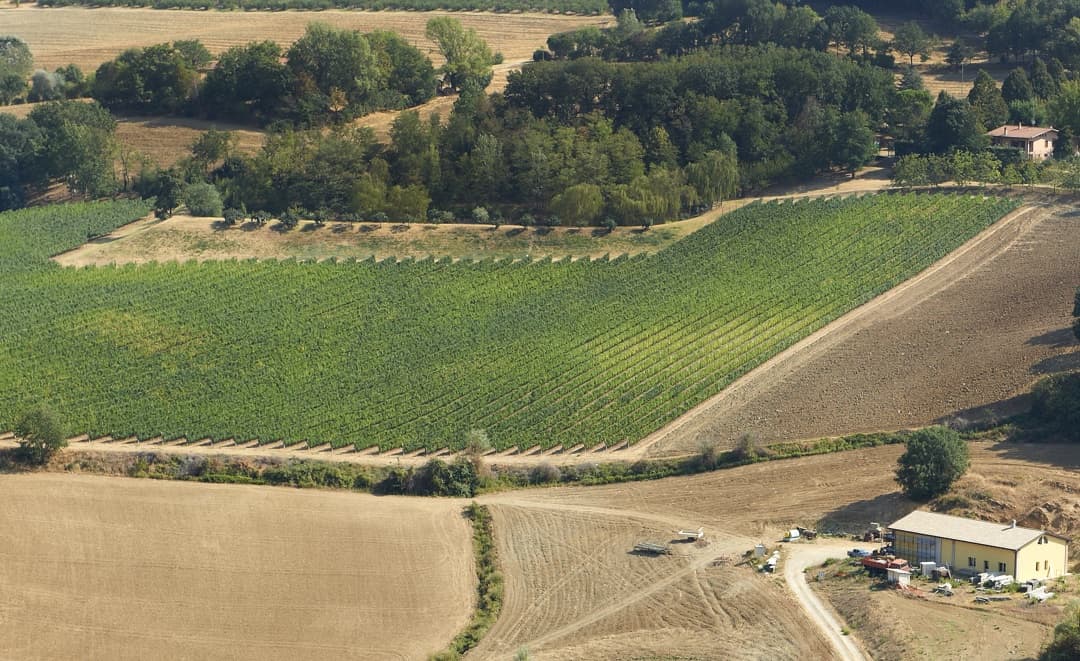
Emilia Romagna

The history of vine and wine in Emilia-Romagna dates back to the pre-Roman era and is linked to its most famous grape, Lambrusco. The spread of wine produced with the same grape, renowned worldwide, has also generated the belief that only ordinary wines are produced here, a misconception debunked by many examples of high quality found in the area.
At the end of the 1800s, the arrival of phylloxera marked a halt in Emilian viticulture, except in the Po Delta area, which was spared from the parasite invasion and still has many ungrafted vines.

The region is divided into two distinct geographical and cultural areas: Emilia, in the western part, and Romagna, in the eastern part. Even the predominantly cultivated grape varieties are different: in the east, barbera, croatina, malvasia di Candia, and ortrugo prevail, while in the center there are various varieties of Lambrusco, up to pignoletto in the Bolognese area, and sangiovese, trebbiano romagnolo, pagadebit, and albana in the hilly area towards the sea.

The pedoclimatic characteristics of the territory vary depending on altitude and proximity to the sea, giving rise to different wine zones, with a gradually milder climate as one approaches the Romagnola Riviera.

Imola

Imola is located in the province of Bologna, but from an oenological perspective it is a territory with a strong Romagna identity, situated between the plains and the first hills. The hilly areas, which are particularly suited to viticulture, offer highly favorable conditions for grape ripening thanks to their exposures, ventilation, and diurnal temperature variations.

The main appellations are Colli d’Imola DOC and Romagna DOC, with designations dedicated to Sangiovese, Albana, and Trebbiano. Other appellations present in the area include Reno DOC, Rubicone IGT, Sillaro or Bianco del Sillaro IGT, and Emilia IGT.

The emblematic grape variety of the area is Romagna Sangiovese, which on the hills around Imola can express remarkable freshness, acidity, fruit, and tannins, with a strong gastronomic vocation. Alongside Sangiovese, Albana and Pignoletto complete the local viticultural heritage.

A bridging wine-growing territory: Bolognese in administrative terms and Romagnolo in terms of its winemaking vocation.

Recommended pairings and dishes

Matching by concordance

This Blanc de Blancs finds a natural match with dishes featuring similarly fresh, floral, and fruity aromatic profiles. Its structure and persistence make it well suited to pairing with cheeses, especially those characterized by a creamy and savory character.

Matching by contrast

The wine’s pronounced acidity can be used to lighten rich or fatty dishes. Its fine, persistent bubbles and structure are particularly effective with fried foods, filled focaccias, savory pies, and other rich preparations, while its freshness also works well with fish dishes featuring substantial sauces.

It pairs well with

Focaccia, savory pies, fish appetizers, fish-based first courses, fish, paella, spicy Asian cuisine, cheeses.

Matching by concordance

This Blanc de Blancs finds a natural match with dishes featuring similarly fresh, floral, and fruity aromatic profiles. Its structure and persistence make it well suited to pairing with cheeses, especially those characterized by a creamy and savory character.

Matching by contrast

The wine’s pronounced acidity can be used to lighten rich or fatty dishes. Its fine, persistent bubbles and structure are particularly effective with fried foods, filled focaccias, savory pies, and other rich preparations, while its freshness also works well with fish dishes featuring substantial sauces.

It pairs well with

Focaccia, savory pies, fish appetizers, fish-based first courses, fish, paella, spicy Asian cuisine, cheeses.

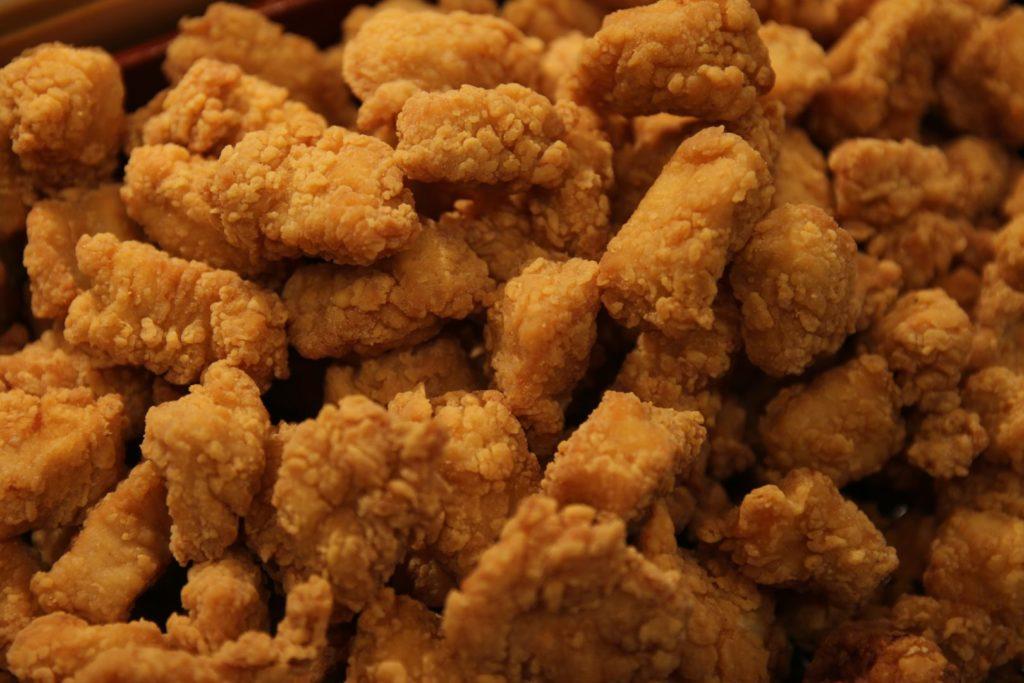
Fried chicken

Fried chicken is a crispy and golden dish, prepared by dipping pieces of chicken in a batter or breading and frying them until achieving an irresistible texture. The outer crust is seasoned and flavorful, while the inside remains juicy and tender. Popular in many culinary traditions, it varies in techniques and flavors, from Southern Fried Chicken in the U.S. to Japanese karaage. Best enjoyed hot, it is often served with sauces, fries, or coleslaw. The contrast between crispiness and tenderness makes it a beloved comfort food worldwide.

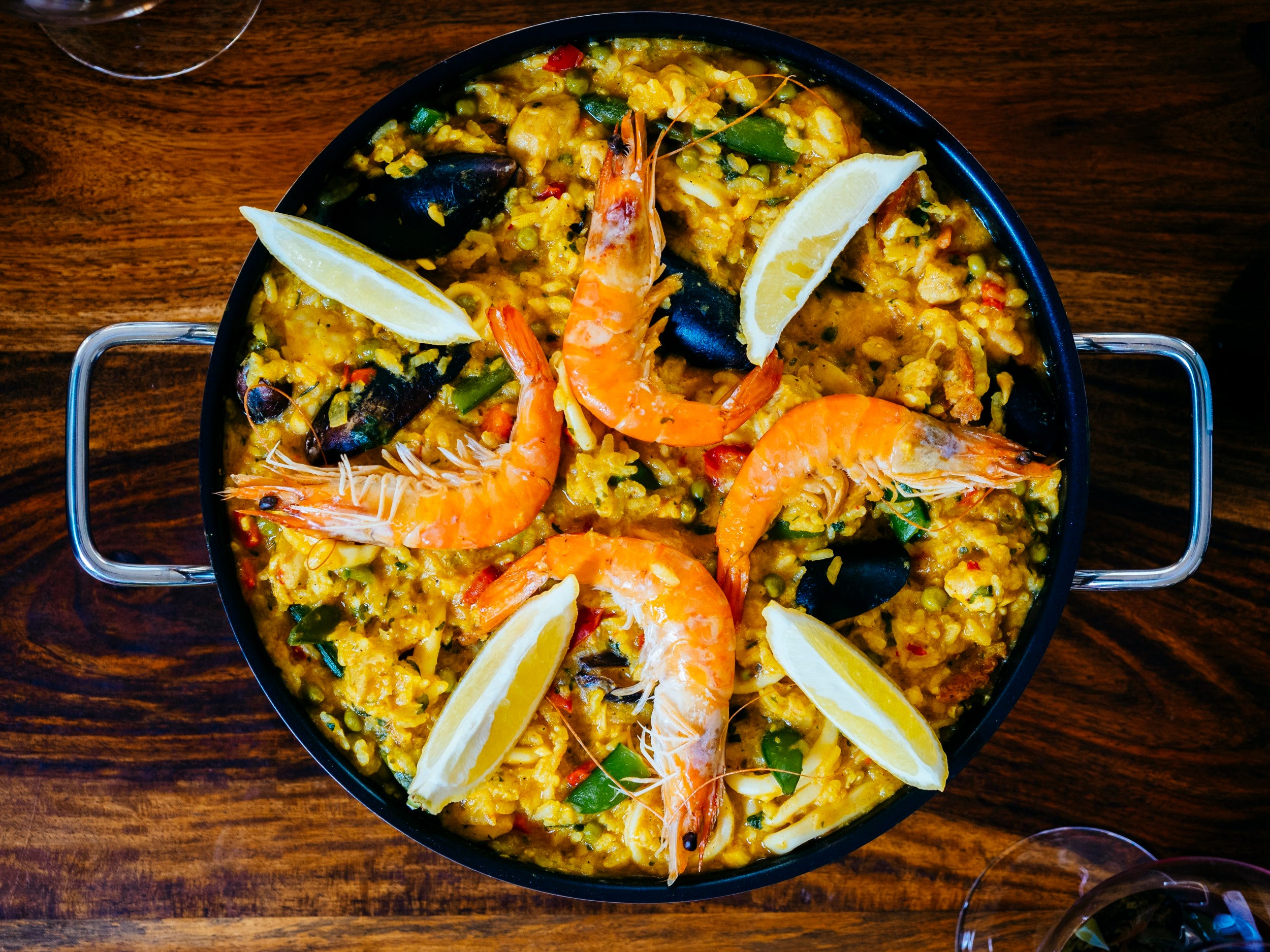
Paella

One of the most spectacular recipes of Spanish cuisine: a unique dish made with rice, saffron, vegetables, meat, and/or seafood (mussels, squid, shrimp, langoustines...). Tasty, fragrant, and relatively easy to prepare.

Blanc De Blanc 36 Mesi | Fattoria Monticino Rosso , did you like it?

Tell us about it by clicking here

Review

Blanc De Blanc 36 Mesi | Fattoria Monticino Rosso , did you like it?

Tell us about it by clicking here

Review