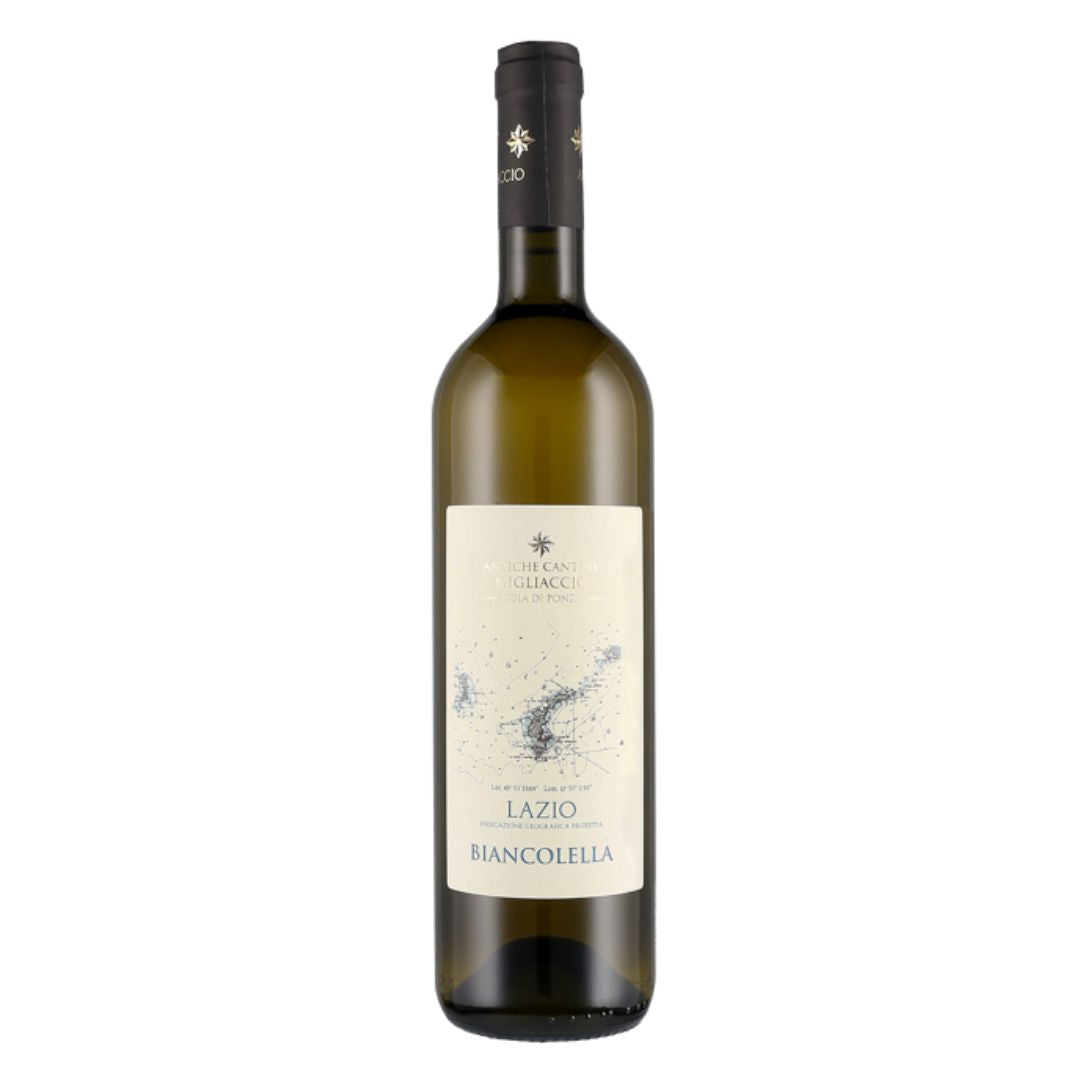
Biancolella | Migliaccio

Sale price€39,00

White
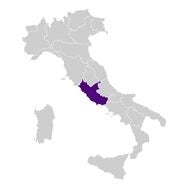
Lazio (IT)
Lazio IGT
Biancolella 100%
Enjoy it within 4 years
13,5% ABV

Download as PDF

Production and refinement

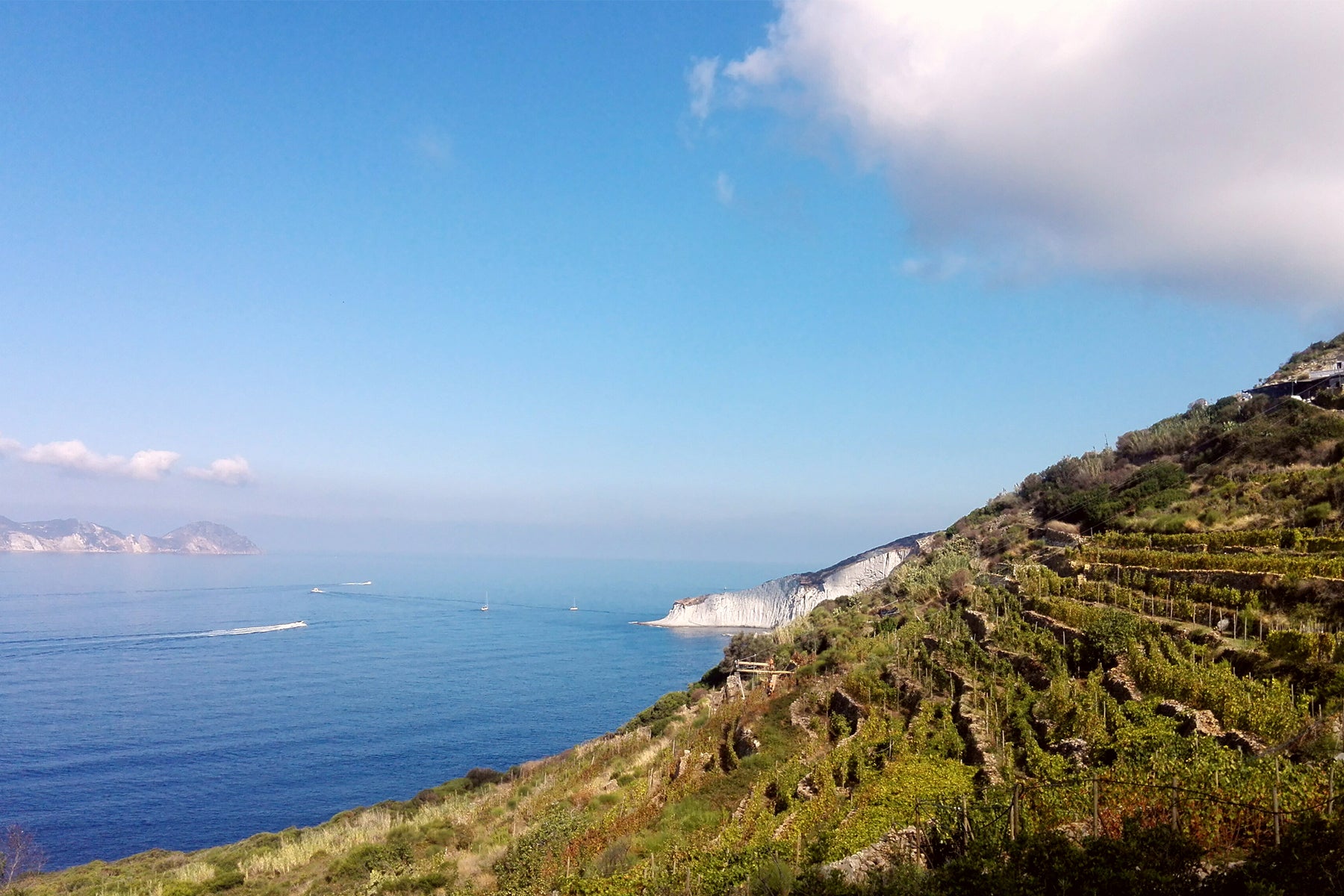
The grapes come from the Punta Fieno area, with south and south-west exposure. The wine is made from 100% Biancolella grapes. The vineyards are characterized by tuffaceous, sandy and volcanic soils, with a mineral component that contributes to the wine’s savoury and mineral character. The old vines, some of them ungrafted, are one of the distinctive features of the production.

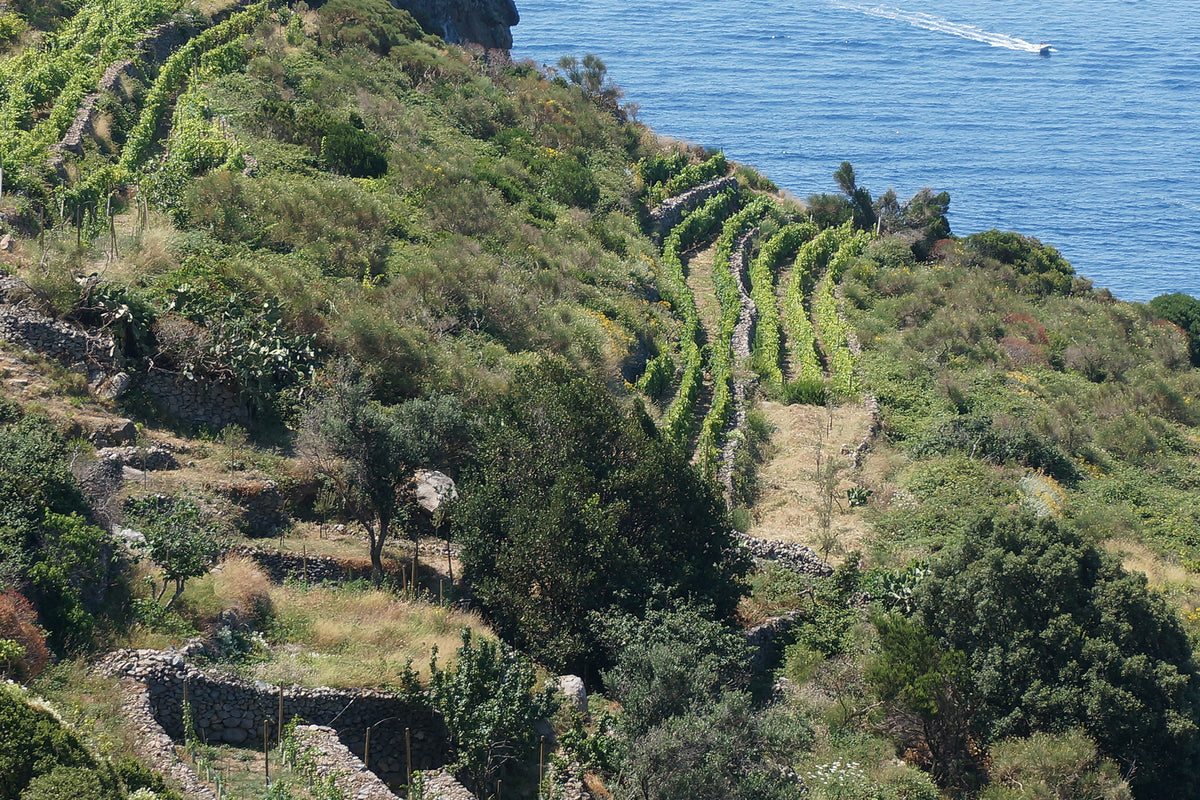
The vines are cultivated in a challenging environment, on terraces and steep, rugged plots, where all the work is carried out by hand, including the harvest, which takes place in the first half of October, when the grapes reach the appropriate level of ripeness.

The wine is vinified in white, with gentle pressing of the grapes and temperature-controlled fermentation, in order to preserve the aromatic character and freshness of the Biancolella. It is aged in stainless steel for approximately 8 months.

The aim of the winemaking process is to enhance the purity of the grape variety and the distinctive mineral character imparted by the volcanic soils of Ponza. Production is very limited.

Organoleptic analysis

Visual exam

Bright straw yellow, with golden reflections.

Olfactory examination

The aromatic profile is intense, with a fruit-driven bouquet. Citrus aromas emerge, with hints of lime and grapefruit, accompanied by notes of ripe fruit and yellow-fleshed fruit. Floral nuances and a distinct mineral character are also present.

Tasting

On the palate, it is fresh, savoury and mineral, with a well-rounded mouthfeel and excellent harmony between the gustatory and aromatic sensations. The acidity adds vibrancy to the palate, while the savoury character provides depth and personality. The finish is long and persistent, dominated by a pleasant citrusy and mineral sensation.

Contents index

From the vineyard to the table: discover our wine

Ready for a journey to discover Biancolella | Migliaccio ? We will now take you to delve deeper into every aspect of this exceptional wine through three key sections:

Cellar

Come and learn about the history and values ​​of the winery which passionately grows and transforms grapes into wine

Territory

Immerse yourself in the land that gives life to these unique grapes, discovering the climate and terroir that influence its character

Pairings

Get expert advice on the perfect pairings that will enhance both the wine and your meal

The winery

Country: Italy

Region: Lazio, Ponza

Hectares of vineyards: 3

Migliaccio

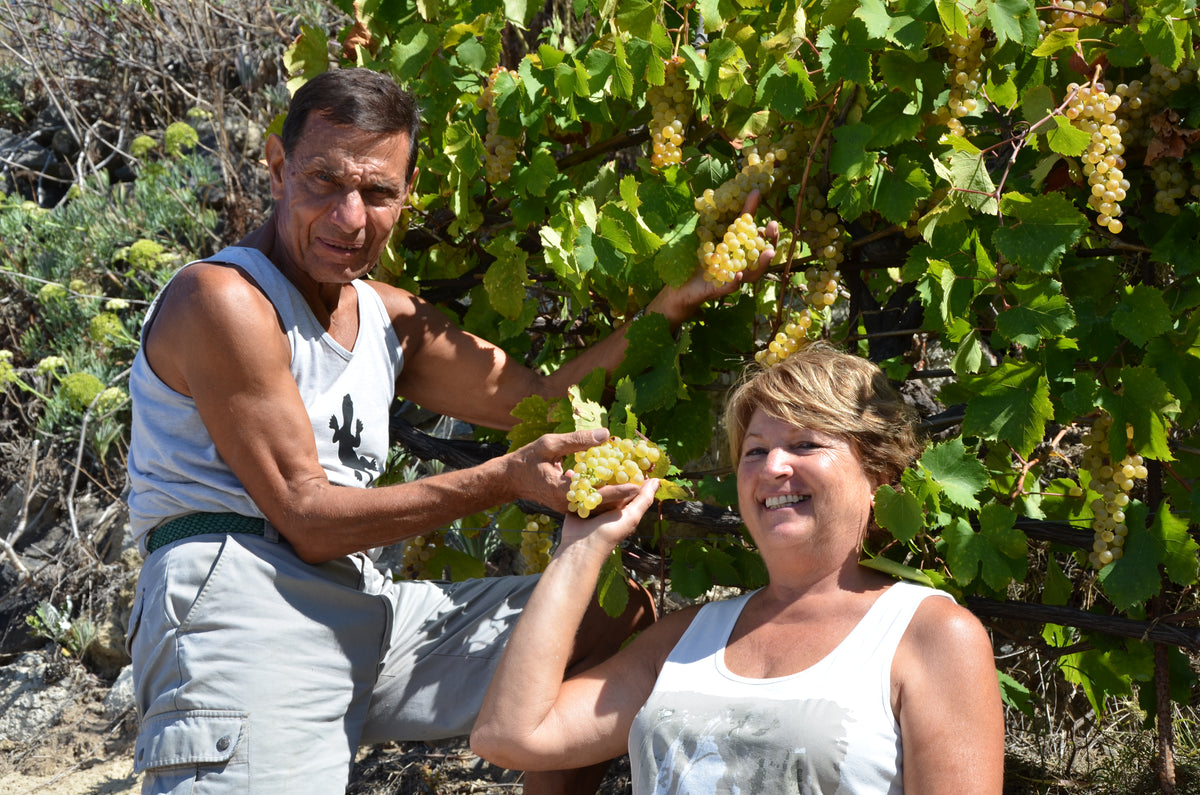
The history of Antiche Cantine Migliaccio is closely intertwined with the winemaking history of Ponza and the Migliaccio family. In 1734, Charles of Bourbon granted perpetual emphyteusis over some of the island’s land to settlers from the Naples area; Pietro Migliaccio, originally from Ischia, was assigned the Punta Fieno area, which was already characterized by the presence of vineyards. It was Pietro Migliaccio who brought some of Ischia’s typical grape varieties to the island, including Biancolella, Forastera, Guarnaccia, Aglianico and Piedirosso.

Over time, Punta Fieno fell into a state of abandonment. In 2000, Emanuele Vittorio, a descendant of the Migliaccio family, and his wife, Luciana Sabino, reclaimed these lands and founded Antiche Cantine Migliaccio. The project was established with the aim of bringing the island’s ancient grape varieties back to life and highlighting an extremely challenging form of viticulture, carried out on terraces and small plots in one of the most unspoiled areas of Ponza. Winemaker Vincenzo Mercurio also contributes to the production.

Migliaccio

The winery represents a meeting point between tradition and contemporary winemaking techniques, with a strong focus on preserving the old vines and the identity of the terroir.

The estate has a very small-scale production, tending approximately 3.5 hectares of vineyards, and is distinguished by wines that are deeply rooted in the island’s unique terroir.

Region and territory

Lazio's viticulture is an excellence that reflects the beauty, history, and culture of the region.

Lazio

Lazio's viticulture is an excellence that reflects the beauty, history, and culture of the region.
Lazio

Lazio's viticulture is an excellence that reflects the beauty, history, and culture of the region.
Lazio

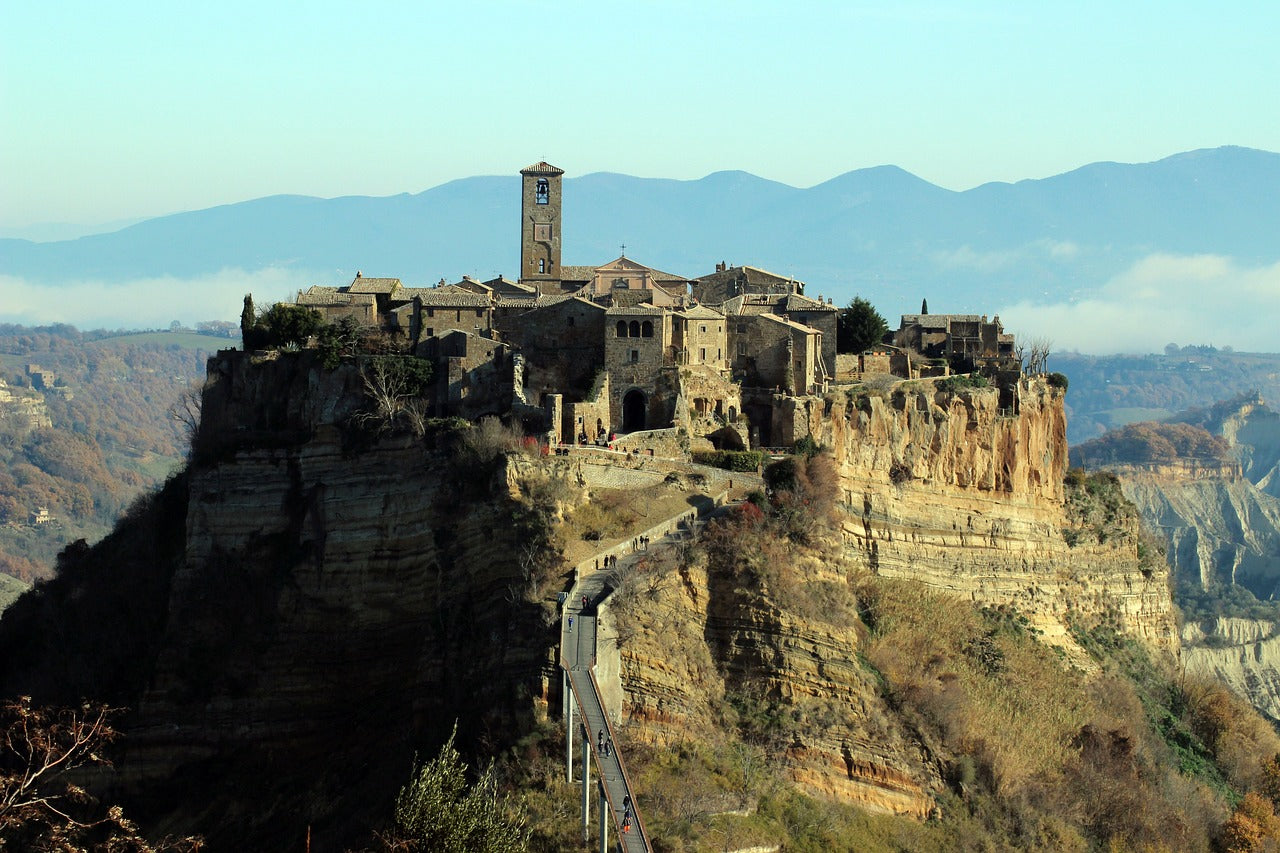
The history of viticulture in Lazio is closely linked to its past and dates back to Roman times when the region was already known for the production of prestigious wines such as Falerno and Caecubum. In recent years, viticulture in Lazio has focused on quality and is characterized by the use of sustainable agricultural techniques, which preserve soil biodiversity and improve grape characteristics.
Wine production in Lazio is an important economic resource for the region, contributing to wine tourism and the enhancement of the region's cultural and landscape heritage.

Viticulture in Lazio extends over a vast territory, including the hills south of Rome, the areas of the Colli Albani and Castelli Romani, and the more inland areas of the region, such as the province of Frosinone.
The climate, characterized by mild and humid winters and hot, dry summers, is an important factor in wine production, influencing grape ripening and their resistance to fungal diseases. The geological composition of Lazio's soil is highly varied, characterized by great heterogeneity. Along the coast, there is predominantly alluvial soil, while inland, volcanic, limestone, and clayey soils can be found. This diversity of soils favors the cultivation of numerous grape varieties, each of which thrives best in certain types of terrain.

Ponza

Ponza Island is located in the Tyrrhenian Sea, off the coast of Lazio, in the province of Latina. The area is strongly influenced by the sea, with sunny exposures and soils that are often rocky, sandy and difficult to cultivate. The proximity to the coast and the influence of sea breezes affect the vineyards’ microclimate and contribute to the savoury and mineral character of the wines.

Viticulture on Ponza is heroic, carried out on terraced plots and steep slopes. The Punta Fieno area is particularly significant, where the vineyards can be reached via a mule track and the transport of grapes and materials remains complex to this day. Production is therefore necessarily limited, but characterized by a strong sense of place.

The island’s winemaking tradition is linked to grape varieties introduced from Ischia, including Biancolella, Forastera, Guarnaccia, Aglianico and Piedirosso. Over time, these varieties have adapted to Ponza’s soil and climate conditions, developing characteristics that differ from those found in their areas of origin. Biancolella, in particular, represents one of the most distinctive expressions of viticulture on Ponza.

The island’s wines mainly fall under the Lazio IGT designation and are distinguished by small-scale production, a strong sense of identity and a pronounced Mediterranean character, where freshness, savouriness and minerality reflect the unique relationship between the vineyards and the marine environment.

Heroic island viticulture

Recommended pairings and dishes

Matching by concordance

Its good structure also makes it well suited to richer fish dishes and preparations dressed with extra virgin olive oil. The pairing with sea bream in acqua pazza is particularly coherent, as it brings together the dish’s marine and Mediterranean savoury character with that of the wine.

Matching by contrast

Excellent when paired, by contrast, with dishes characterized by a certain richness or oiliness. Its freshness and savoury, mineral character help cleanse the palate and balance dishes such as fried fish, fresh cheeses, or creamy preparations such as risotto. The alcohol content also helps balance the succulence of certain fish and white meat dishes.

It pairs well with

Cold fish appetizers, grilled seafood, shellfish, steamed fish, sea bream in acqua pazza, white fish pasta dishes, white fish risotto, pasta with fish, vegetable pasta dishes, asparagus risotto, white meats, fresh cheeses, Campania mozzarella, fried fish, fish tartare, sushi, dim sum, salads with citrus vinaigrette.

Matching by concordance

Its good structure also makes it well suited to richer fish dishes and preparations dressed with extra virgin olive oil. The pairing with sea bream in acqua pazza is particularly coherent, as it brings together the dish’s marine and Mediterranean savoury character with that of the wine.

Matching by contrast

Excellent when paired, by contrast, with dishes characterized by a certain richness or oiliness. Its freshness and savoury, mineral character help cleanse the palate and balance dishes such as fried fish, fresh cheeses, or creamy preparations such as risotto. The alcohol content also helps balance the succulence of certain fish and white meat dishes.

It pairs well with

Cold fish appetizers, grilled seafood, shellfish, steamed fish, sea bream in acqua pazza, white fish pasta dishes, white fish risotto, pasta with fish, vegetable pasta dishes, asparagus risotto, white meats, fresh cheeses, Campania mozzarella, fried fish, fish tartare, sushi, dim sum, salads with citrus vinaigrette.

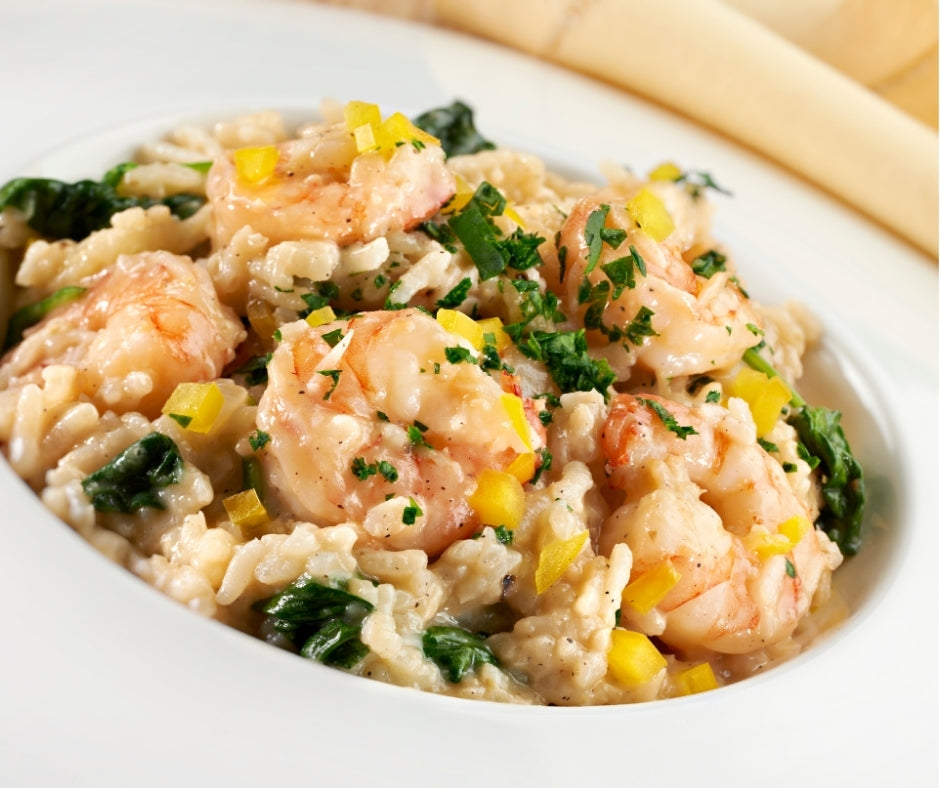
Seafood Risotto

A refined first course, a classic that encapsulates all the flavors of the sea: squid, clams, shrimp, red mullet... a dish rich in taste and character but delicate.

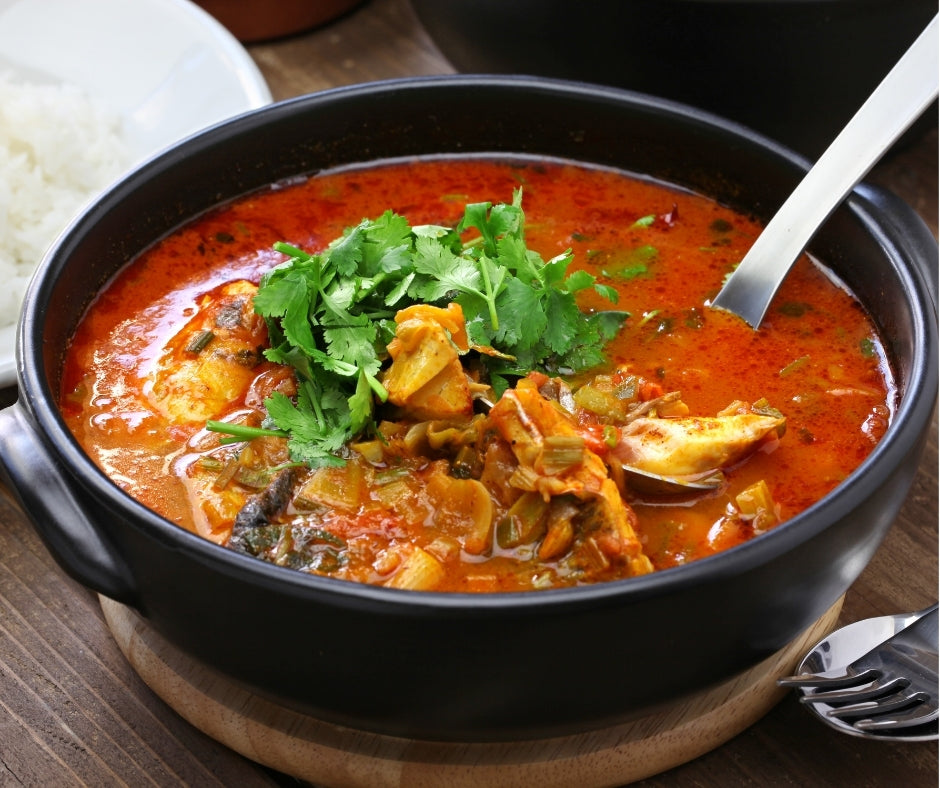
Fish Broth

A typical soup made with various types of fish, including shellfish, cooked and flavored with garlic and parsley. A dish of medium structure but very aromatic, intense in character, and with excellent aromatic persistence.

Biancolella | Migliaccio , did you like it?

Tell us about it by clicking here

Review

Biancolella | Migliaccio , did you like it?

Tell us about it by clicking here

Review