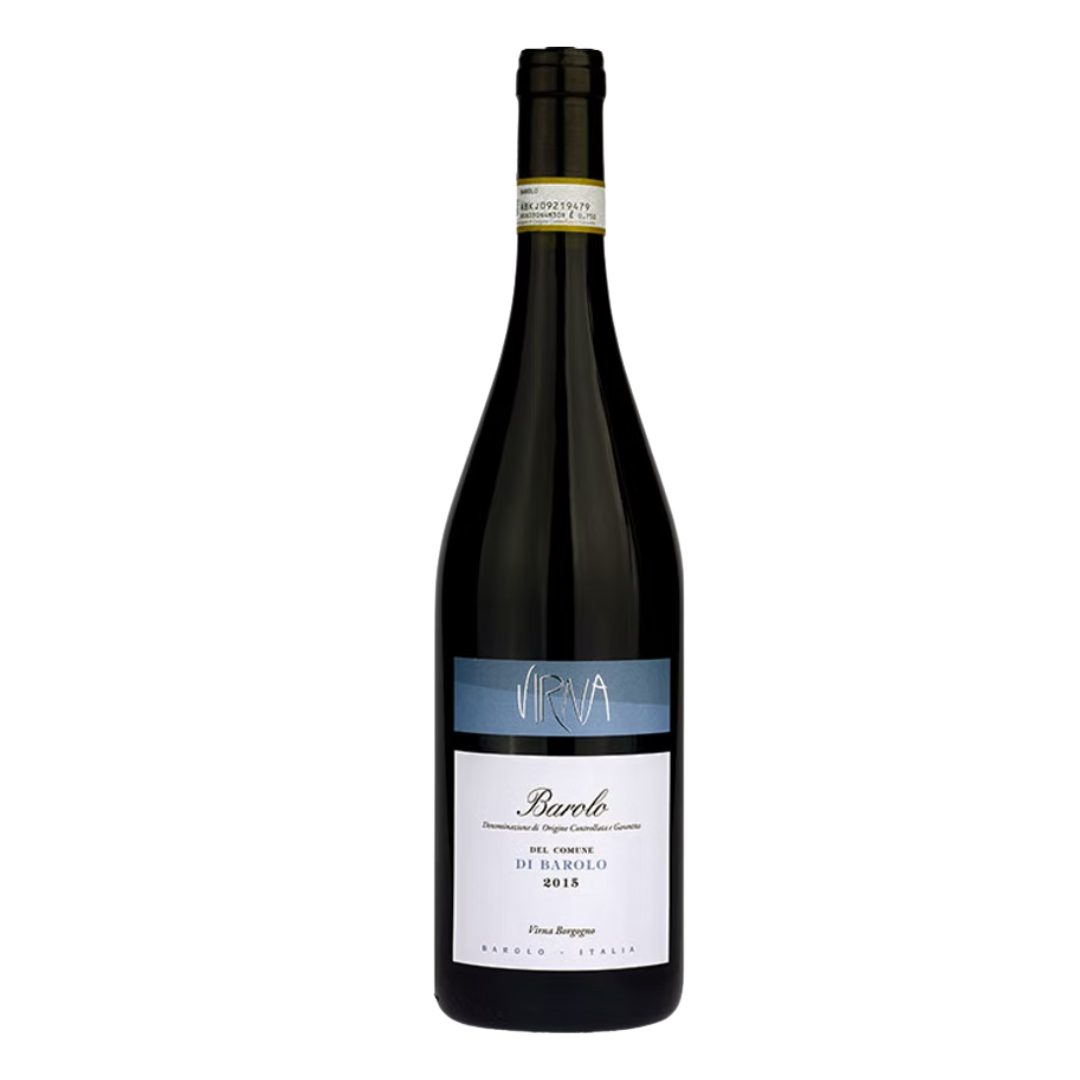
Barolo del comune di Barolo | Virna

Sale price€55,00

Red
Piedmont (IT)
Barolo DOCG
Nebbiolo 100%
Enjoy it within 10 years
15% ABV

Download as PDF

Production and refinement

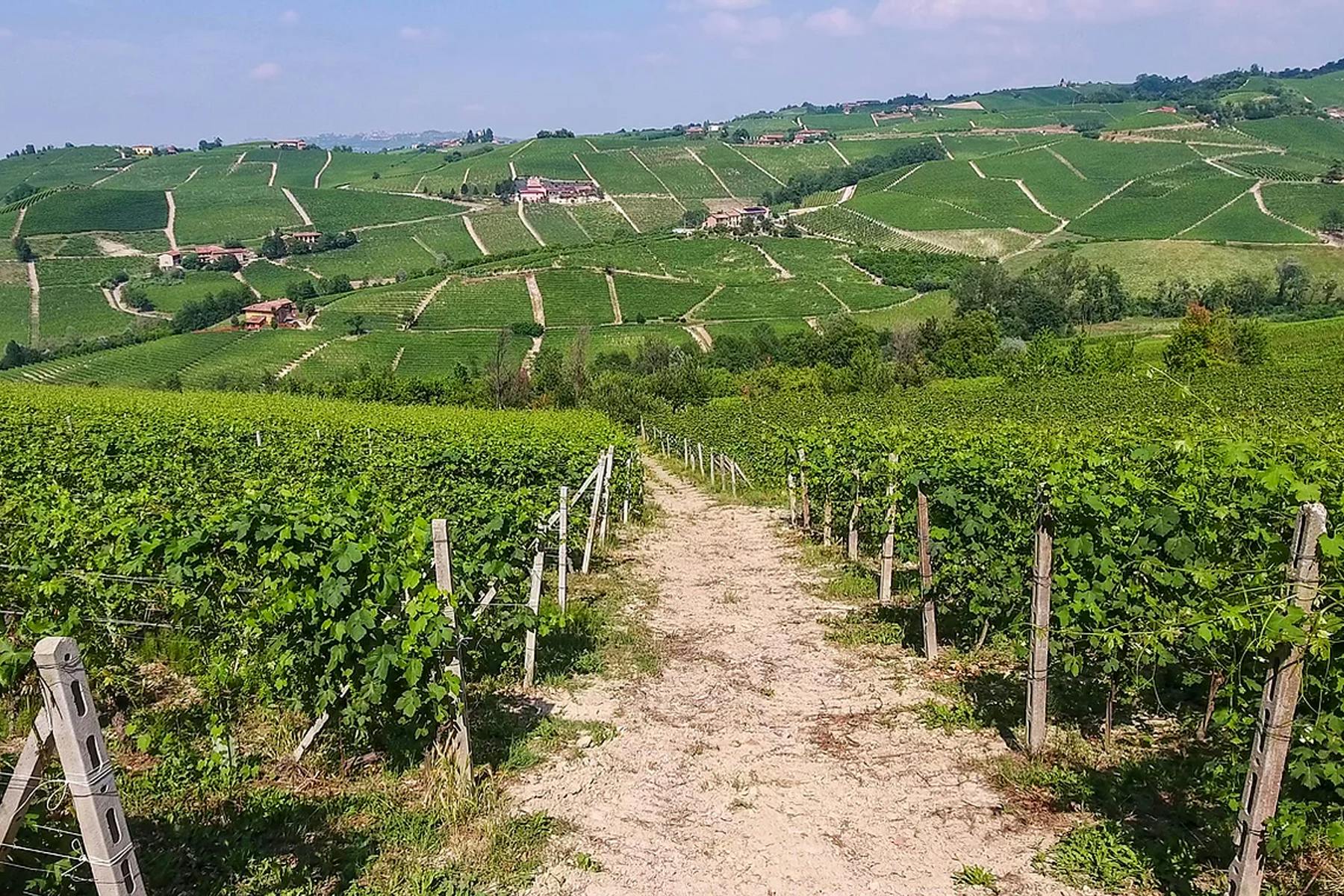
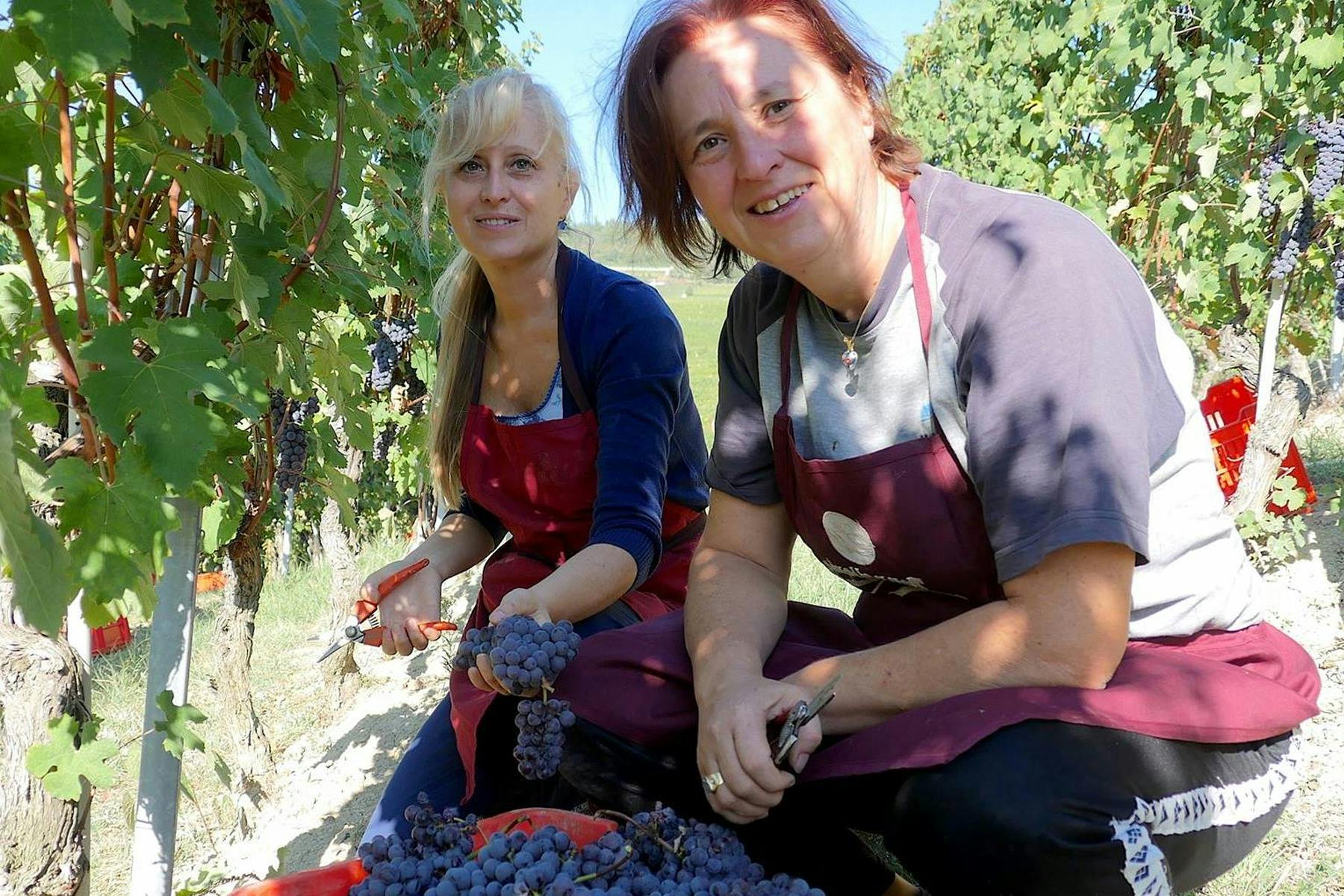
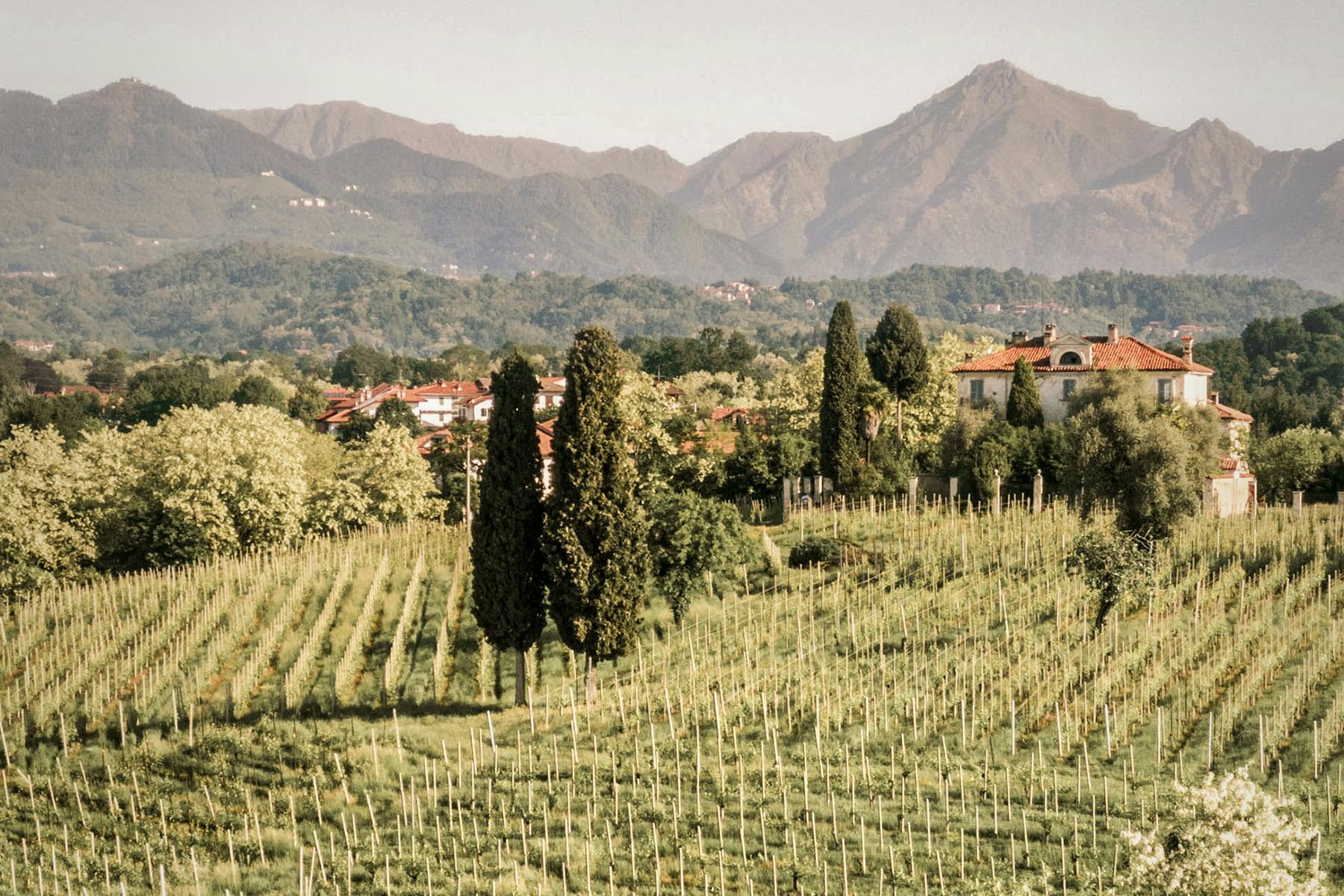
The grapes come from the finest plots in the municipality of Barolo, planted with Nebbiolo—Lampia and Michet sub-varieties—trained with the Guyot system, allowing 6–8 buds per vine. The vines have an average density of 4,500 per hectare, yielding approximately 50–55 quintals of grapes per hectare. The vineyards, established between 1970 and 1980, are situated at altitudes of 250–260 meters, with southeast to south exposure, on calcareous and clay soils that impart structure, minerality, and salinity to the wine. Harvesting is strictly manual, selecting only healthy, perfectly ripe clusters.

Vinification begins with gentle destemming and crushing, followed by a maceration of about 10 days in small fermenters equipped with rotating paddles, with *delestage* to optimize polyphenol extraction. The wine then matures for 18–24 months in 300–500-liter barrels and large oak casks, where the tannins soften and the aromas integrate, developing great depth. A further refinement in stainless steel tanks completes the process, followed by several months of bottle aging.

Organoleptic analysis

Visual exam

A beautiful deep ruby red with garnet reflections, hinting at the wine’s maturity and complexity.

Olfactory examination

On the nose, it expresses a rich and harmonious bouquet of ripe red fruits, such as cherries and plums, accompanied by hints of violets, tobacco, blackberry, and subtle notes of chocolate and vanilla, all intertwined with delicate nuances of oak and fine spices.

Tasting

On the palate, it is full-bodied and powerful, with soft yet well-defined tannins, balanced acidity that provides freshness, an enveloping body, and extraordinary persistence; the finish is long and refined, with notes of nougat and a subtle touch of spice, leaving a lasting and memorable impression.

Contents index

From the vineyard to the table: discover our wine

Ready for a journey to discover Barolo del comune di Barolo | Virna ? We will now take you to delve deeper into every aspect of this exceptional wine through three key sections:

Cellar

Come and learn about the history and values ​​of the winery which passionately grows and transforms grapes into wine

Territory

Immerse yourself in the land that gives life to these unique grapes, discovering the climate and terroir that influence its character

Pairings

Get expert advice on the perfect pairings that will enhance both the wine and your meal

The winery
Country: Italy

Region: Piedmont, Cuneo

Hectares of vineyards: 12

Virna

We are in one of Italy's most important regions for high-quality red wine production, the Langhe, particularly in the Barolo area, known for showcasing the unique characteristics of its vineyards. The Virna winery owns some spectacular vineyards in this region. "Virna" is also the name of the owner, who became the first woman in Italy to graduate with a degree in Enology in 1991.

Virna

Virna, the owner, has a profound love for her land, and this passion influences every decision she makes, not only in winemaking. Her Barolos are each unique, possessing their own soul and distinct character, as they come from different terroirs in both the Tortonian and Helvetian geological areas.

Region and territory

piemonte

Great wines that express the perfection of a terroir
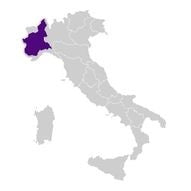
Piedmont

Great wines that express the perfection of a terroir
Piedmont

Great wines that express the perfection of a terroir
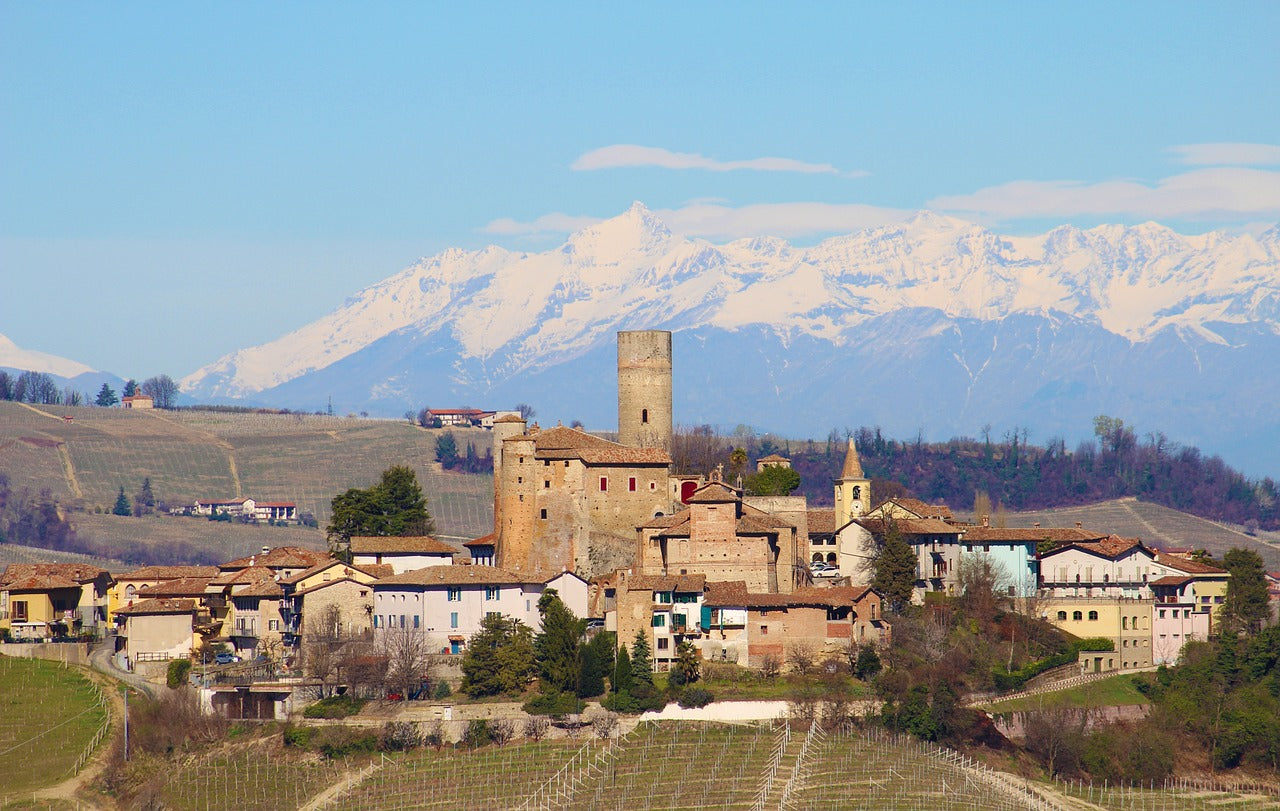
Piedmont

In Piedmont, the first traces of viticulture date back to pre-Roman times (precisely to the Bronze Age, around 1500 B.C.), and although today the peak of quality is found in the region's great red wines, Piedmont also produces excellent white wines and sparkling wines.

The role of Piedmont has been fundamental for the development of modern Italian winemaking. It is here that the first examples of zoning of wine-growing areas were recorded, introducing concepts such as terroir and cru to Italian wines. Thanks to zoning, if a wine is produced exclusively from grapes coming from a single vineyard or parcel, the geographical indication appears on the label, increasing its prestige.

In addition to the geographical delineations indicated on the map, Piedmont is divided into 8 zones that group the 16 DOCG and 42 regional DOCs. Among these, we remember in the north the famous Gattinara DOCG and Ghemme DOCG, near Turin the Erbaluce di Caluso DOCG, in Monferrato the Barbera del Monferrato Superiore DOCG, Brachetto d’Acqui DOCG, Dogliani DOCG, Ovada DOCG, Gavi DOCG, and Ruchè di Castagnole Monferrato DOCG, ending with Roero DOCG to the left of the Tanaro river and, in the Langhe region, with the famous Barolo DOCG, Barbaresco DOCG, and Dogliani DOCG.

In Piedmont, the revolution in the world of wine began, bringing Italy back to the forefront of high-quality production. Here, with few exceptions, single-varietal wines are produced, which best express the characteristics of the terroir and magnificently exalt the Piedmontese territory.

Langhe

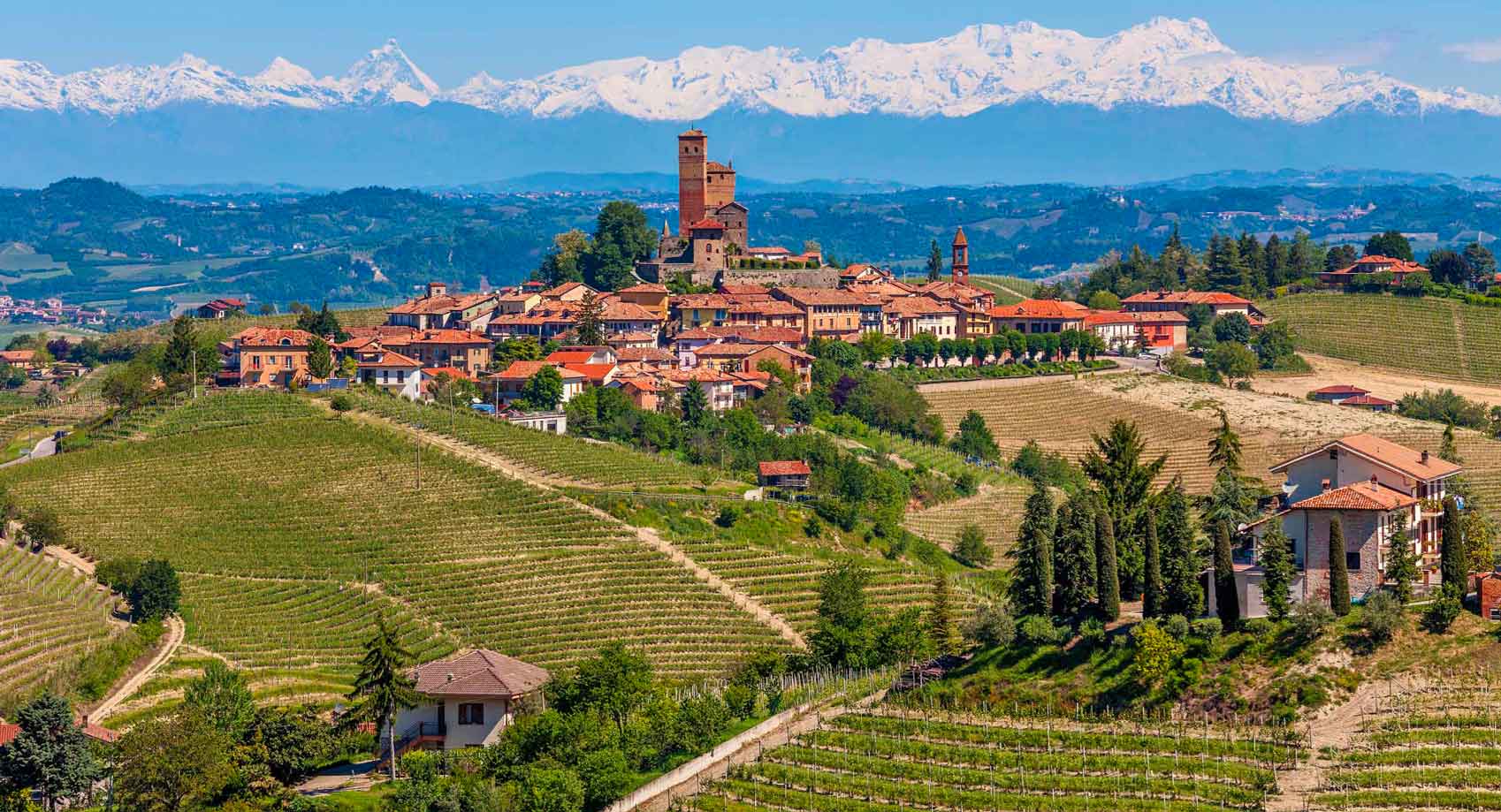
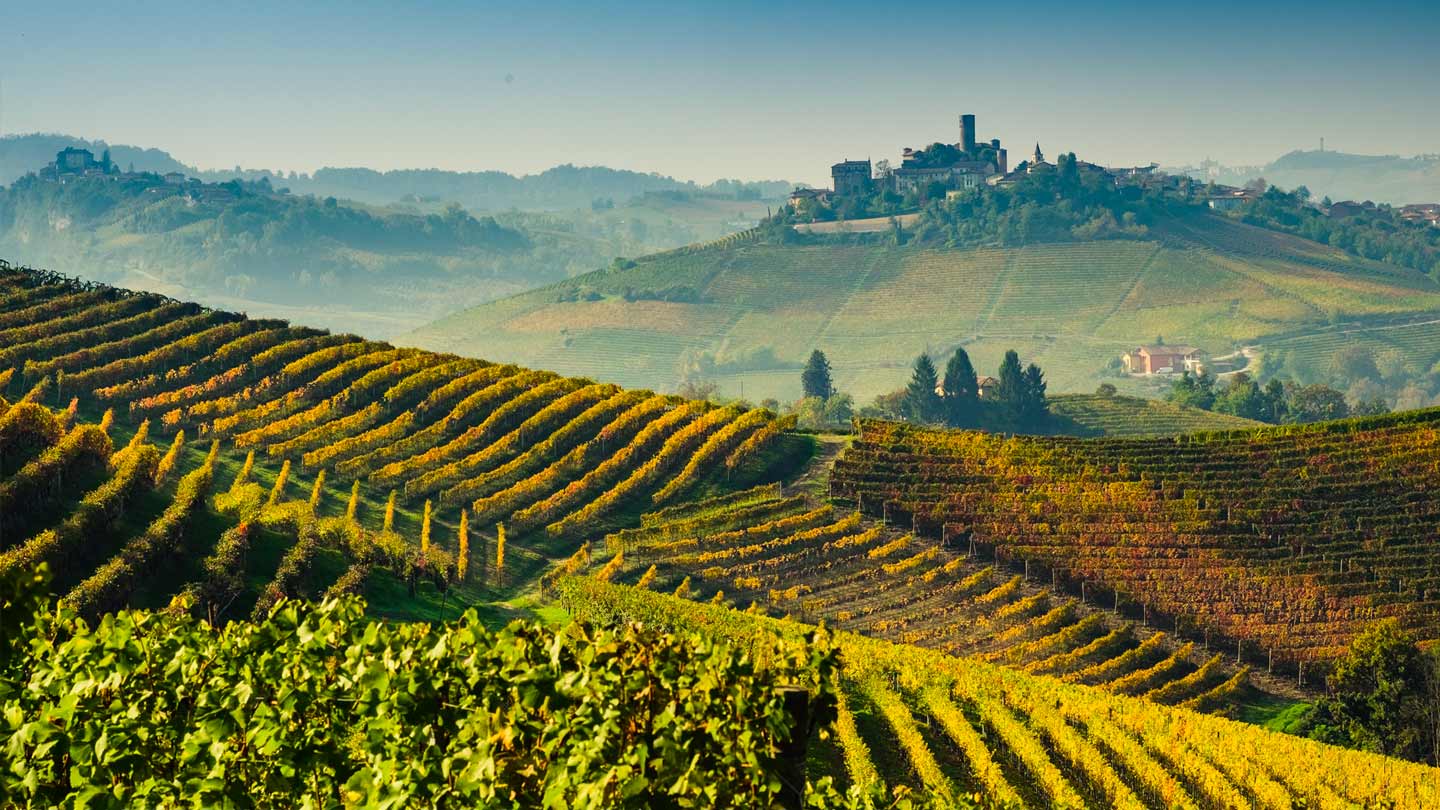
Langhe, a unique territory for Italian wine production. The presence of valleys and hills at different altitudes, along with different exposures and winds, creates an incredible variety of microclimates. These conditions allow the grapes to express themselves in various ways. The Dogliani area has the coolest climate, being close to the Alps and characterized by narrow and high hill ridges facing the cold plains of Cuneo. The Barolo area has intermediate temperatures, being located in a particular area protected from winds but influenced both by Alpine currents and by warm and humid air rising from the Tanaro valley.

The three hill ridges that make up the area determine a diversity of landscapes and, consequently, microclimates. The Barbaresco area is more homogeneous, with milder temperatures and less abundant rainfall. The landscape characterized by narrow valleys generates greater windiness compared to the two previous areas.

The soils vary: calcareous-marly, clayey, sandy, and gravelly. The main grape varieties cultivated are Nebbiolo, Barbera, Dolcetto, Arneis, Freisa, and Favorita, and then there are international varieties such as Chardonnay, Cabernet Sauvignon, Merlot, and Sauvignon Blanc.

The Langhe, renowned Italian wine territory, boast a variety of unique microclimates and landscapes, from Dogliani to Barolo and Barbaresco, which influence the production of complex and distinctive wines thanks to the different soils and exposures.

Recommended pairings and dishes

Matching by concordance

By analogy, it pairs with preparations that match its richness and imposing body. In addition, the aromas of plum, cherry, and vanilla complement dishes with mushrooms or aromatic game, while the fine spicing and hints of oak interact with complex sauces and aged cheeses, creating perfect harmony.

Matching by contrast

The balanced acidity and soft, silky tannins of this great Barolo cleanse the palate when paired with rich and fatty dishes, perfectly balancing braised meats, concentrated sauces, or slow-cooked meats.

It pairs well with

Braised lamb shanks, beef tenderloin with red wine sauce, game dishes with berry reductions, mushroom risottos, or stews with red meats, as well as aged and spiced cheeses. Its aromatic complexity and robust structure make it perfect for festive dinners or occasions where the wine takes center stage.

Matching by concordance

By analogy, it pairs with preparations that match its richness and imposing body. In addition, the aromas of plum, cherry, and vanilla complement dishes with mushrooms or aromatic game, while the fine spicing and hints of oak interact with complex sauces and aged cheeses, creating perfect harmony.

Matching by contrast

The balanced acidity and soft, silky tannins of this great Barolo cleanse the palate when paired with rich and fatty dishes, perfectly balancing braised meats, concentrated sauces, or slow-cooked meats.

It pairs well with

Braised lamb shanks, beef tenderloin with red wine sauce, game dishes with berry reductions, mushroom risottos, or stews with red meats, as well as aged and spiced cheeses. Its aromatic complexity and robust structure make it perfect for festive dinners or occasions where the wine takes center stage.

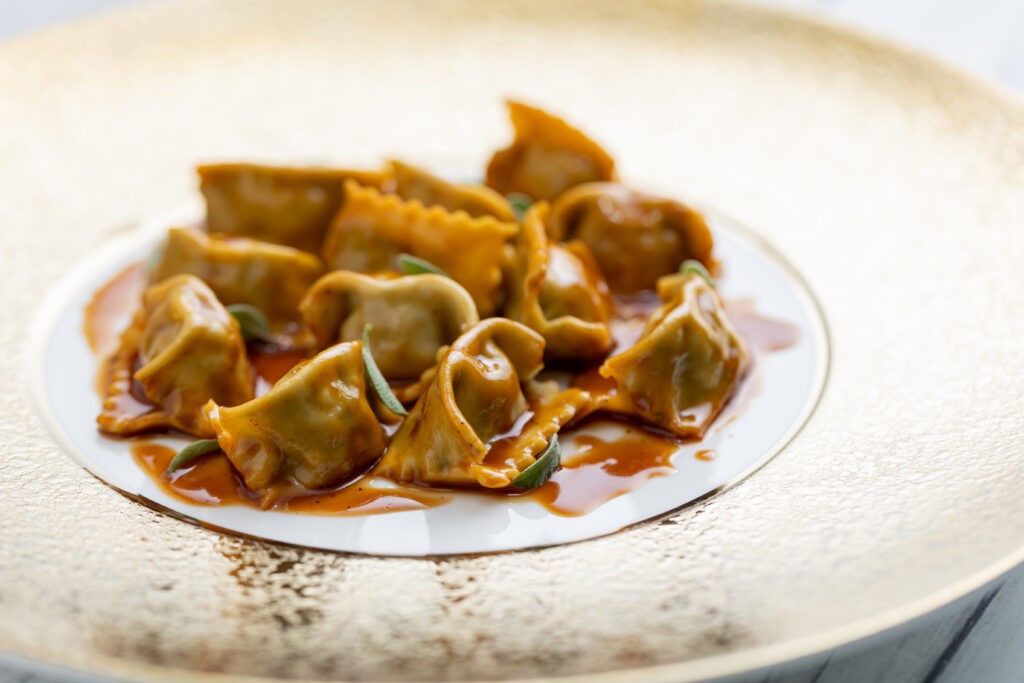
"Agnolotti del plin" with roast meat sauce

Stuffed pasta that never fails to appear on Piedmontese tables during Christmas or on special occasions. A little parcel of dough that holds intense flavor, skilled technique, and refined opulence. The word plin, meaning "pinch" in the local dialect, refers to the gesture of pinching the pasta with your fingers to seal the filling between one raviolo and the next.

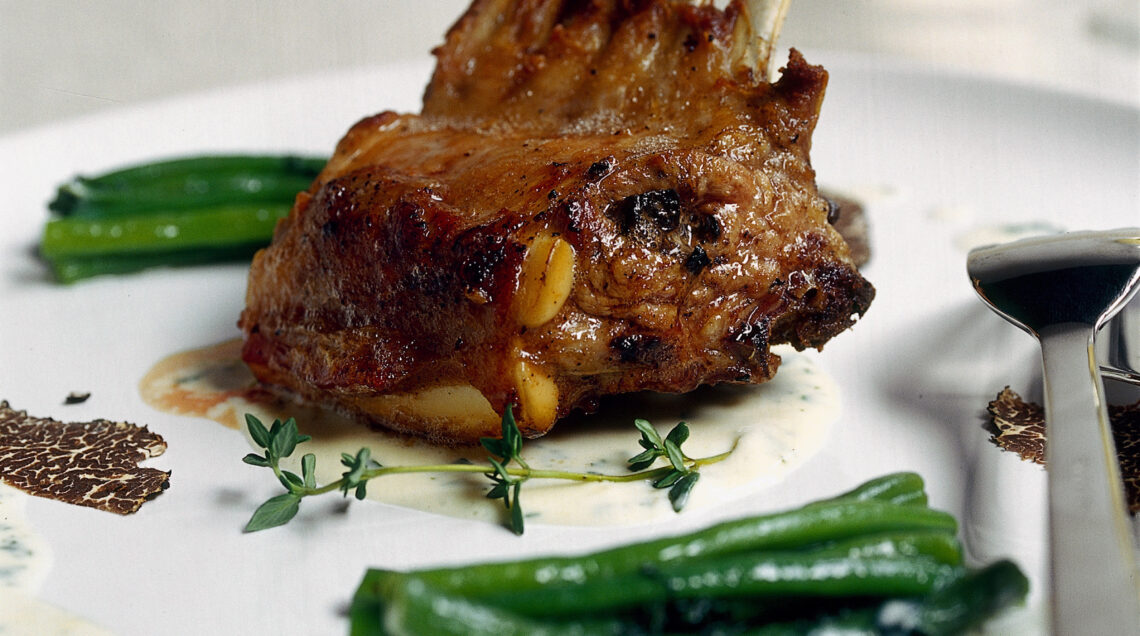
Lamb with Truffle

Lamb with truffle is a simple yet flavorful main course, intensely aromatic and with a long-lasting taste. A truly satisfying dish.

Barolo del comune di Barolo | Virna , did you like it?

Tell us about it by clicking here

Barolo del comune di Barolo | Virna , did you like it?

Tell us about it by clicking here