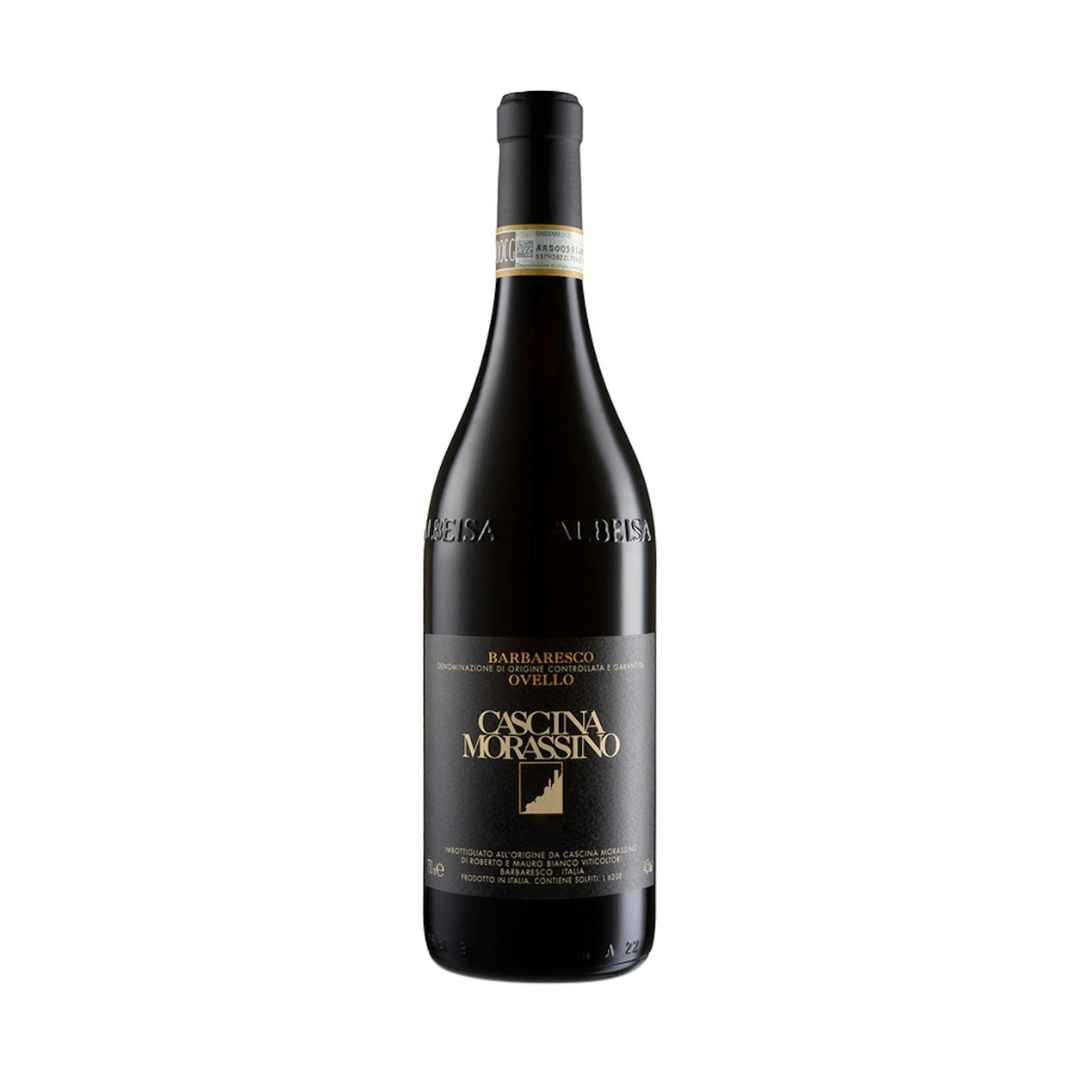
Barbaresco Ovello | Cascina Morassino

Sale price€57,00

Red
Piedmont (IT)
Barbaresco DOCG
Nebbiolo 100%
Enjoy it within 10 years
14% ABV

Download as PDF

Production and refinement

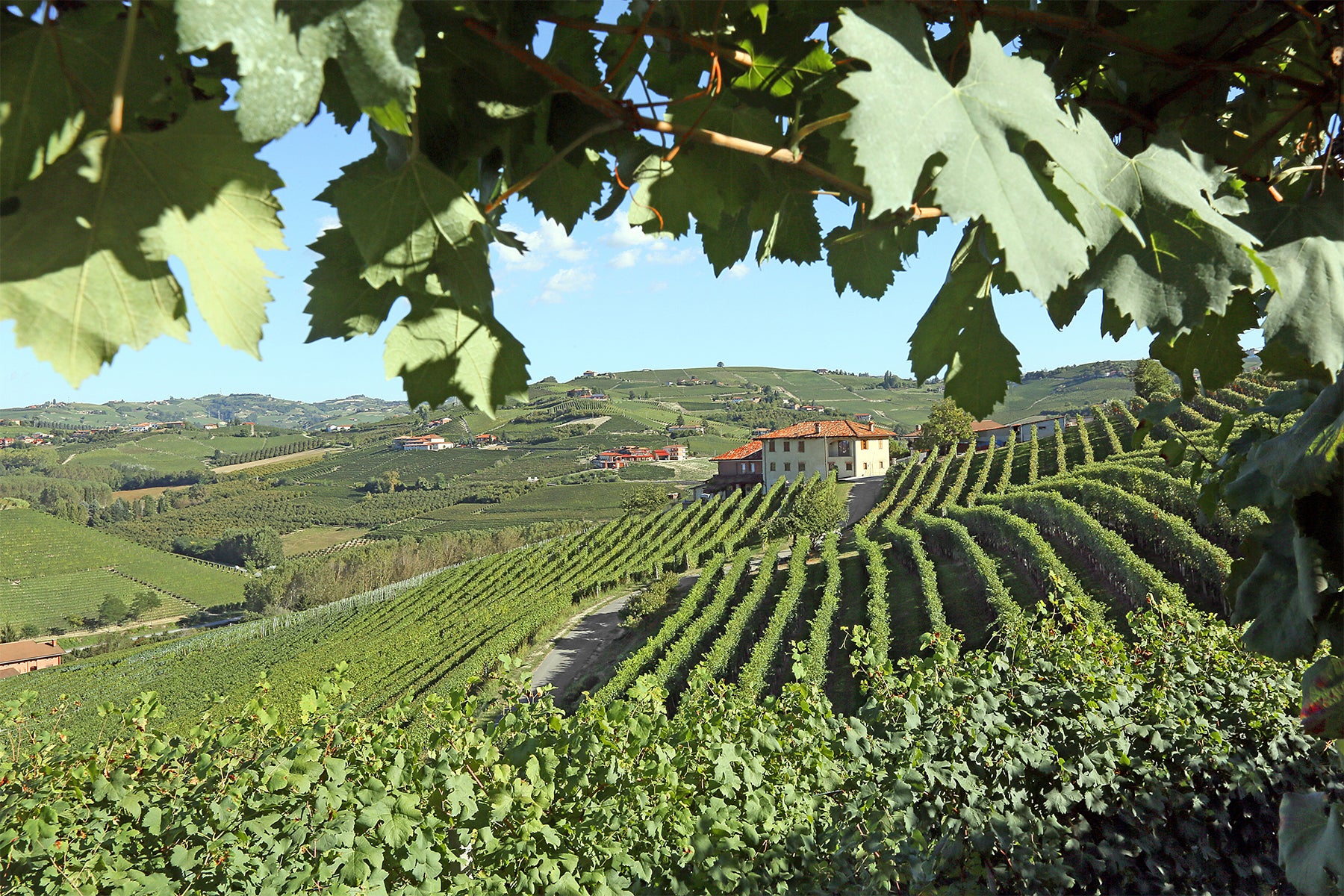
The grapes come from the Ovello cru, located in the municipality of Barbaresco, north of the village centre. The vineyards grow on predominantly marl-limestone soils, with clay and limestone components that contribute to the wine’s structure and complexity. The exposure and soil characteristics promote balanced grape ripening while preserving freshness and aromatic potential. The vines are approximately 20 years old and are cultivated with a strong focus on quality and controlled yields. Harvesting is carried out by hand, with careful bunch selection followed by a further selection of the finest grapes before vinification.

After harvesting, the grapes undergo vinification in temperature-controlled stainless steel tanks, preceded by skin maceration to promote the extraction of colour, tannins and aromatic compounds. The wine is subsequently aged in large French oak casks of approximately 2,500 litres. It spends around 20 months ageing in wood, followed by a further six months in bottle.

Organoleptic analysis

Visual exam

It displays an intense ruby-red colour, evolving towards garnet hues with age.

Olfactory examination

The aromatic profile is broad and highly complex. Notes of ripe cherry, raspberry jam and wild berries emerge, accompanied by floral hints of dried rose and violet. Oak ageing and the wine’s evolution enrich the bouquet with nuances of tobacco, liquorice, sweet spices, earth and balsamic notes. The result is a complex aromatic profile in which the fruity character blends beautifully with tertiary and spicy notes.

Tasting

Robust, full-bodied and dry on the palate, with substantial yet well-integrated tannins. Nebbiolo’s characteristic freshness supports the alcohol and lends vibrancy to the wine, preventing its structure from feeling overly heavy. Notes of ripe red fruit, spices and liquorice return on the palate, leading to a deep, layered progression and a long, persistent finish. This is a wine that benefits from aeration and can develop further complexity with bottle ageing.

Contents index

From the vineyard to the table: discover our wine

Ready for a journey to discover Barbaresco Ovello | Cascina Morassino ? We will now take you to delve deeper into every aspect of this exceptional wine through three key sections:

Cellar

Come and learn about the history and values ​​of the winery which passionately grows and transforms grapes into wine

Territory

Immerse yourself in the land that gives life to these unique grapes, discovering the climate and terroir that influence its character

Pairings

Get expert advice on the perfect pairings that will enhance both the wine and your meal

The winery

Country: Italy

Region: Piedmont, Neive

Hectares of vineyards: 4

Cascina Morassino

Cascina Morassino was founded in 1984 by Mauro Bianco, but the family’s winemaking history goes back to a tradition now spanning five generations. Today, Roberto Bianco continues his father’s work, running the estate with a style defined by modesty, precision and vision. The estate has a total of 4.5 hectares of vineyards, approximately 3.5 of which are in Barbaresco, including one of the most important vineyard areas of the renowned Ovello cru, while part of the vineyards is located in the municipality of Neive.

Cascina Morassino

Production is strongly focused on Nebbiolo, expressed through long-lived wines with an elegant yet decisive personality, characterized by clear, deep and persistent aromas. Roberto’s work represents a personal yet strongly terroir-driven interpretation of Nebbiolo from the Langhe and, in particular, from Barbaresco.

Region and territory

piemonte

Great wines that express the perfection of a terroir
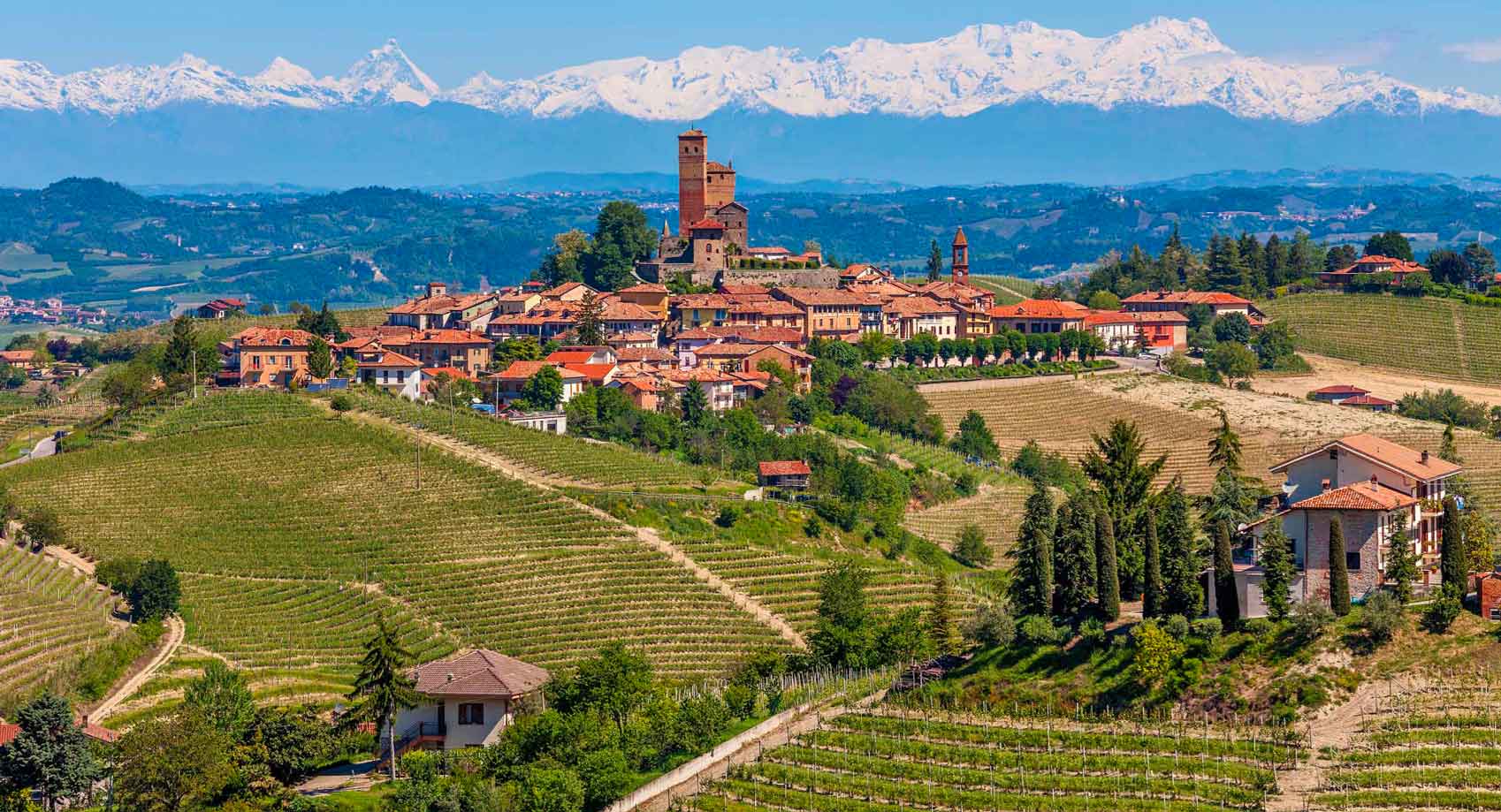
Piedmont

Great wines that express the perfection of a terroir
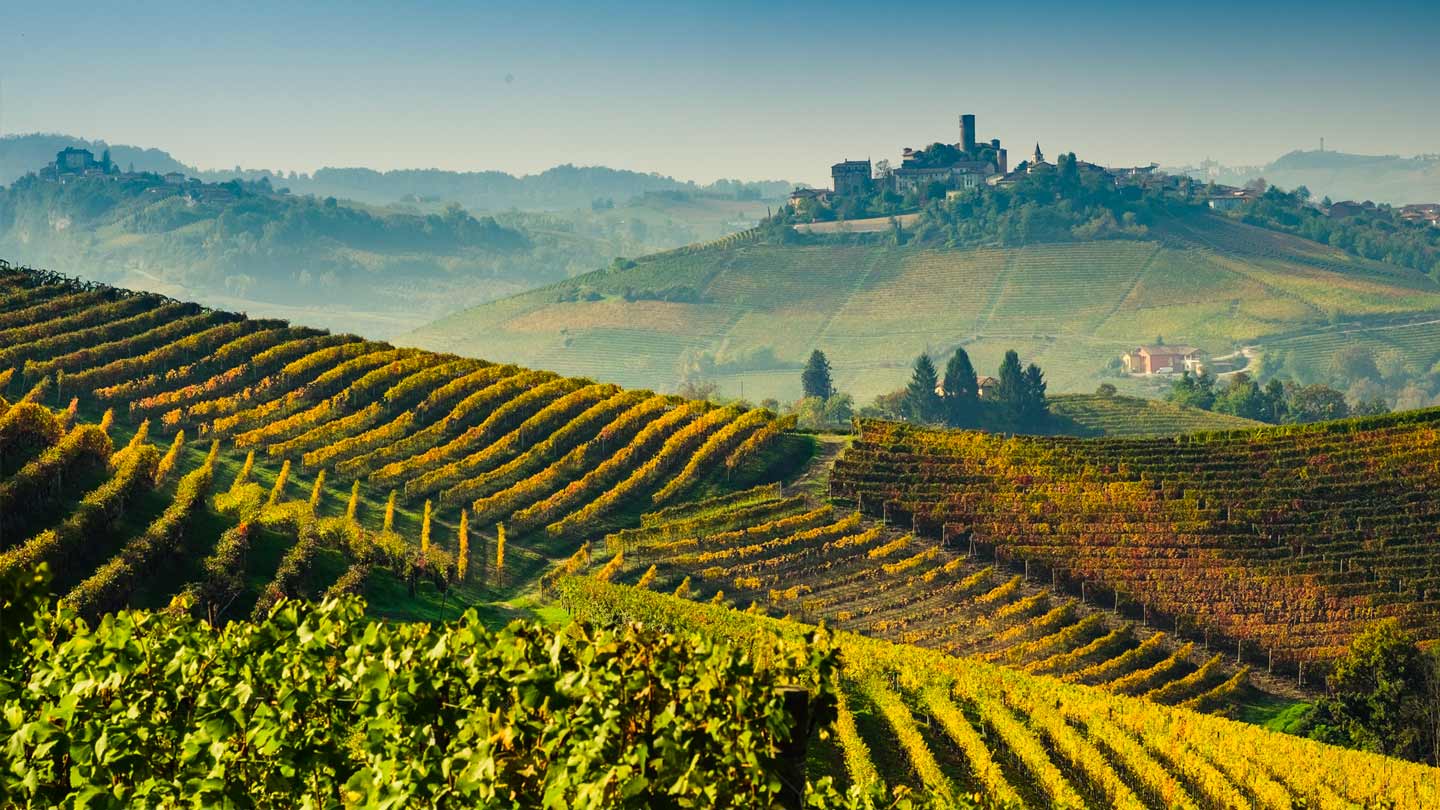
Piedmont

Great wines that express the perfection of a terroir
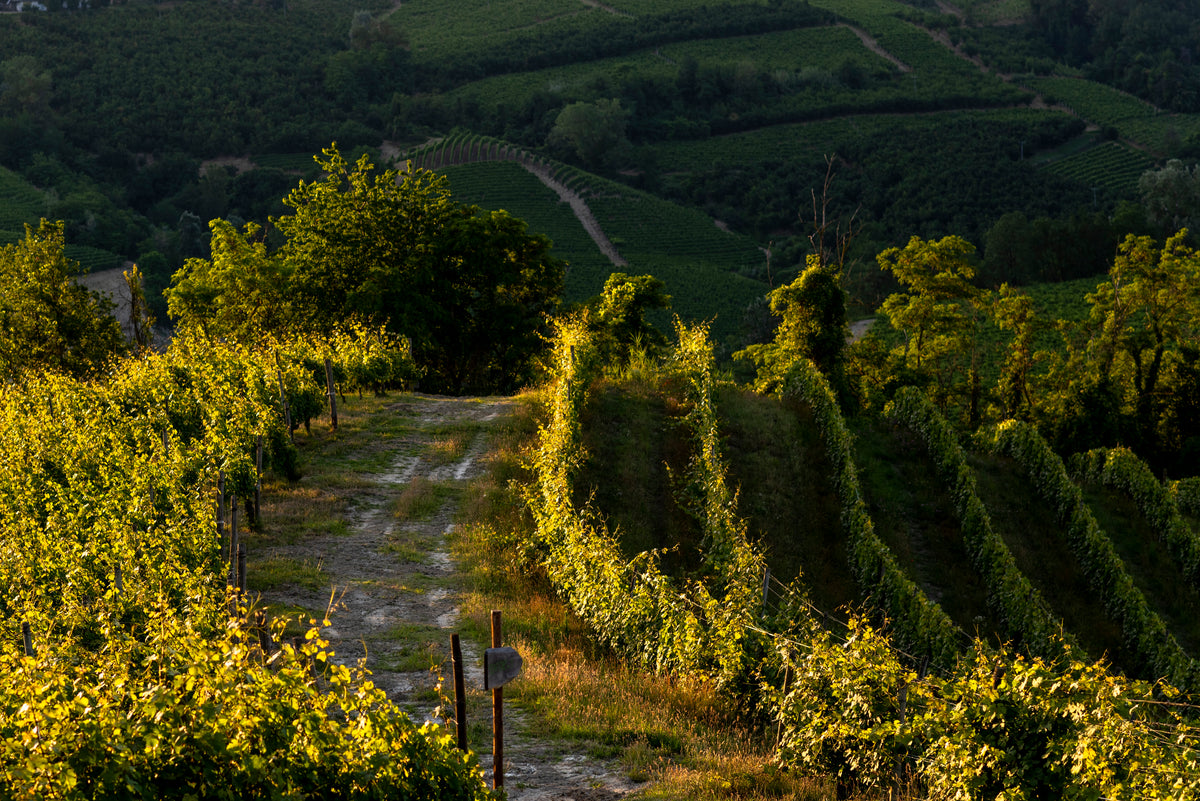
Piedmont

In Piedmont, the first traces of viticulture date back to pre-Roman times (precisely to the Bronze Age, around 1500 B.C.), and although today the peak of quality is found in the region's great red wines, Piedmont also produces excellent white wines and sparkling wines.

The role of Piedmont has been fundamental for the development of modern Italian winemaking. It is here that the first examples of zoning of wine-growing areas were recorded, introducing concepts such as terroir and cru to Italian wines. Thanks to zoning, if a wine is produced exclusively from grapes coming from a single vineyard or parcel, the geographical indication appears on the label, increasing its prestige.

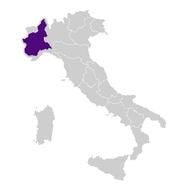
In addition to the geographical delineations indicated on the map, Piedmont is divided into 8 zones that group the 16 DOCG and 42 regional DOCs. Among these, we remember in the north the famous Gattinara DOCG and Ghemme DOCG, near Turin the Erbaluce di Caluso DOCG, in Monferrato the Barbera del Monferrato Superiore DOCG, Brachetto d’Acqui DOCG, Dogliani DOCG, Ovada DOCG, Gavi DOCG, and Ruchè di Castagnole Monferrato DOCG, ending with Roero DOCG to the left of the Tanaro river and, in the Langhe region, with the famous Barolo DOCG, Barbaresco DOCG, and Dogliani DOCG.

In Piedmont, the revolution in the world of wine began, bringing Italy back to the forefront of high-quality production. Here, with few exceptions, single-varietal wines are produced, which best express the characteristics of the terroir and magnificently exalt the Piedmontese territory.

Barbaresco

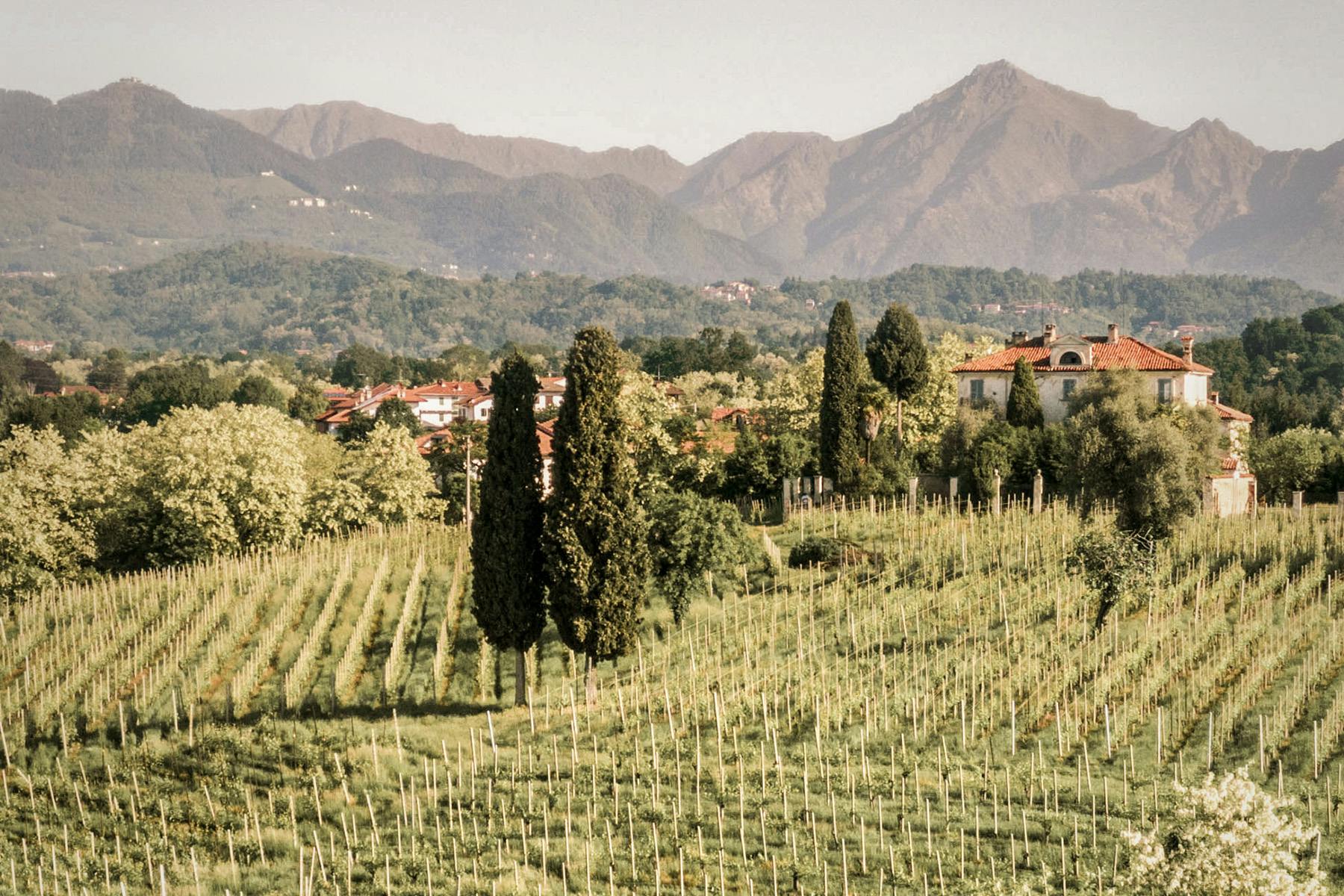
The Barbaresco area is located in the north-eastern part of the Langhe, on the hills surrounding the Tanaro River in the municipalities of Barbaresco, Neive and Treiso. It is a predominantly hilly landscape, with vineyards generally situated between 200 and 450 metres above sea level.

The soils are characterized by the Marne di Sant’Agata Fossili, calcareous and clay-rich marls of marine origin, which contribute elegance, aromatic finesse and refined tannic structure to the wines. The climate is continental, with warm but well-ventilated summers, cold winters and significant temperature variations during ripening. The presence of the Tanaro helps to moderate the microclimate, while autumn mists accompany the late ripening of Nebbiolo.

The area varies from hill to hill: Barbaresco is particularly suited to producing elegant, deep and long-lived wines, Neive tends to produce more structured and rich wines, while the generally higher elevations of Treiso favour greater freshness and tension. The presence of numerous historic crus, such as Ovello, Asili, Rabajà, Gallina and Montestefano, reflects the great diversity of exposures, soils and microclimates that characterize these hills.

This is a territory deeply connected to Nebbiolo, a grape variety that finds ideal conditions here to express floral and fruity aromas, structure, acidity and fine tannins, giving rise to wines of exceptional elegance and ageing potential.

A terroir that changes from hill to hill

Recommended pairings and dishes

Matching by concordance

The aromatic complexity and structure of Barbaresco harmonise with dishes featuring equally developed aromas and deep flavours. The wine’s earthy and spicy notes pair beautifully with porcini mushrooms, truffles and game, while its aromas of ripe fruit and forest floor complement braised meats, roasts and meat ragù.

Matching by contrast

Nebbiolo’s tannins find balance in the proteins and fats of red meats, which help soften the wine’s astringency and integrate it harmoniously on the palate. The wine’s freshness counterbalances the succulence of braised and roasted meats, as well as the richness and savoury character of aged cheeses.

It pairs well with

Barbaresco-braised beef, roast beef, braised veal cheek, agnolotti del plin with roast meat gravy, tajarin with ragù, porcini mushroom risotto, truffle risotto, sliced grilled beef, slow-cooked game, wild boar stew, braised venison, roast guinea fowl, sautéed mushrooms, aged Toma Piemontese, Castelmagno, aged Parmigiano Reggiano.

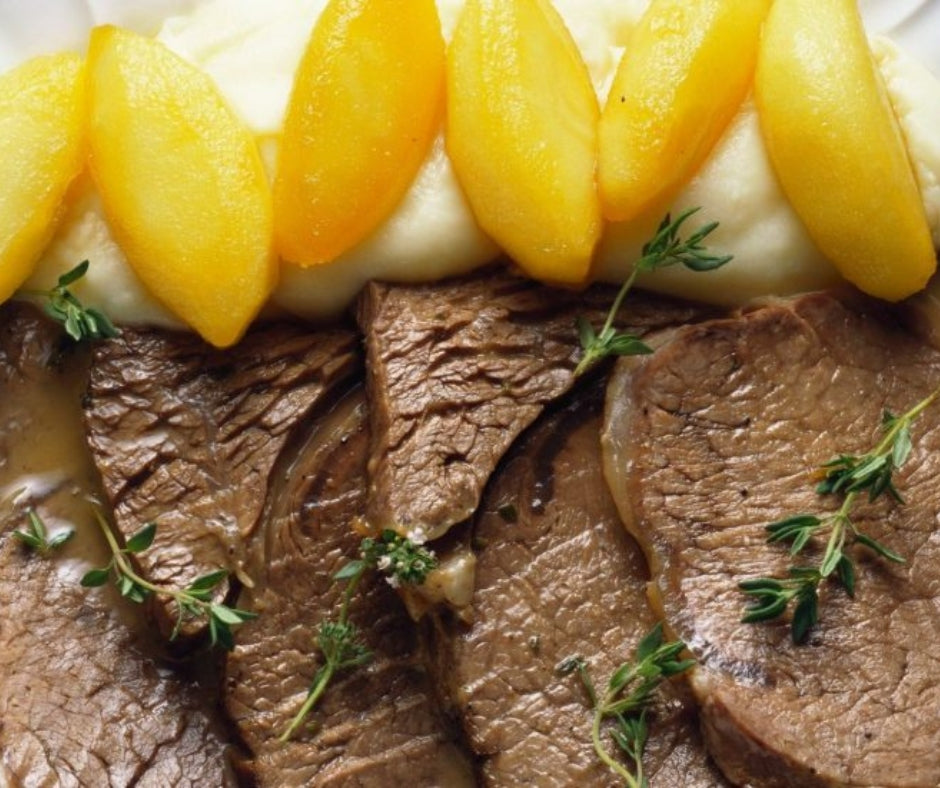
Braised Beef

Braised beef is a cornerstone of Piedmontese cuisine, savory and succulent with complex aromas. For an elegant touch, cook it in the same wine you will be serving.

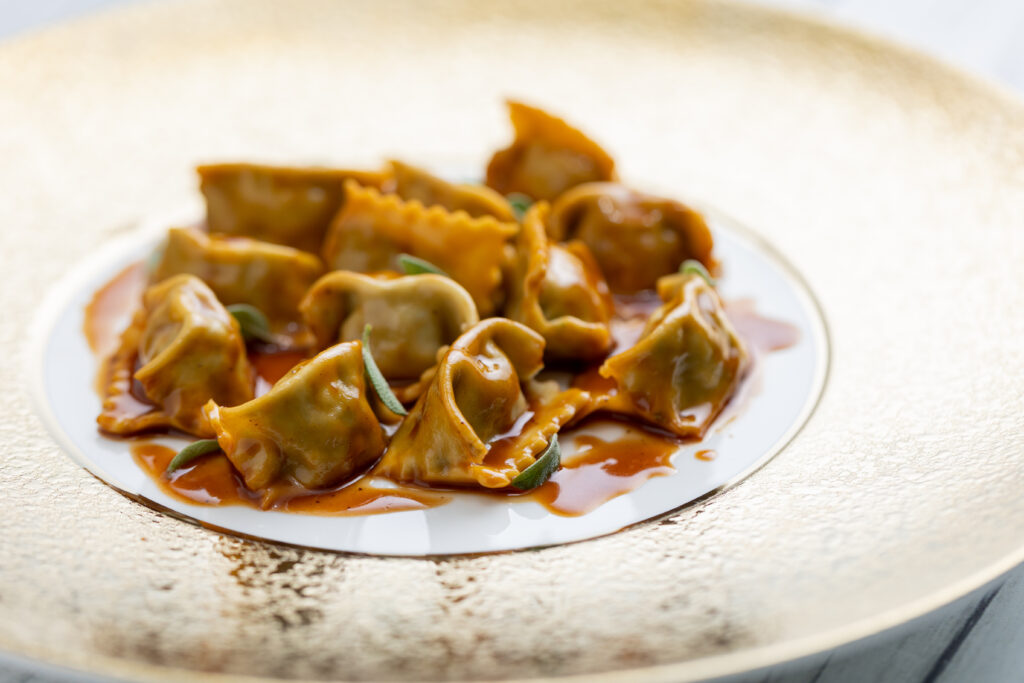
"Agnolotti del plin" with roast meat sauce

Stuffed pasta that never fails to appear on Piedmontese tables during Christmas or on special occasions. A little parcel of dough that holds intense flavor, skilled technique, and refined opulence. The word plin, meaning "pinch" in the local dialect, refers to the gesture of pinching the pasta with your fingers to seal the filling between one raviolo and the next.

Barbaresco Ovello | Cascina Morassino , did you like it?

Tell us about it by clicking here

Review

Barbaresco Ovello | Cascina Morassino , did you like it?

Tell us about it by clicking here

Review