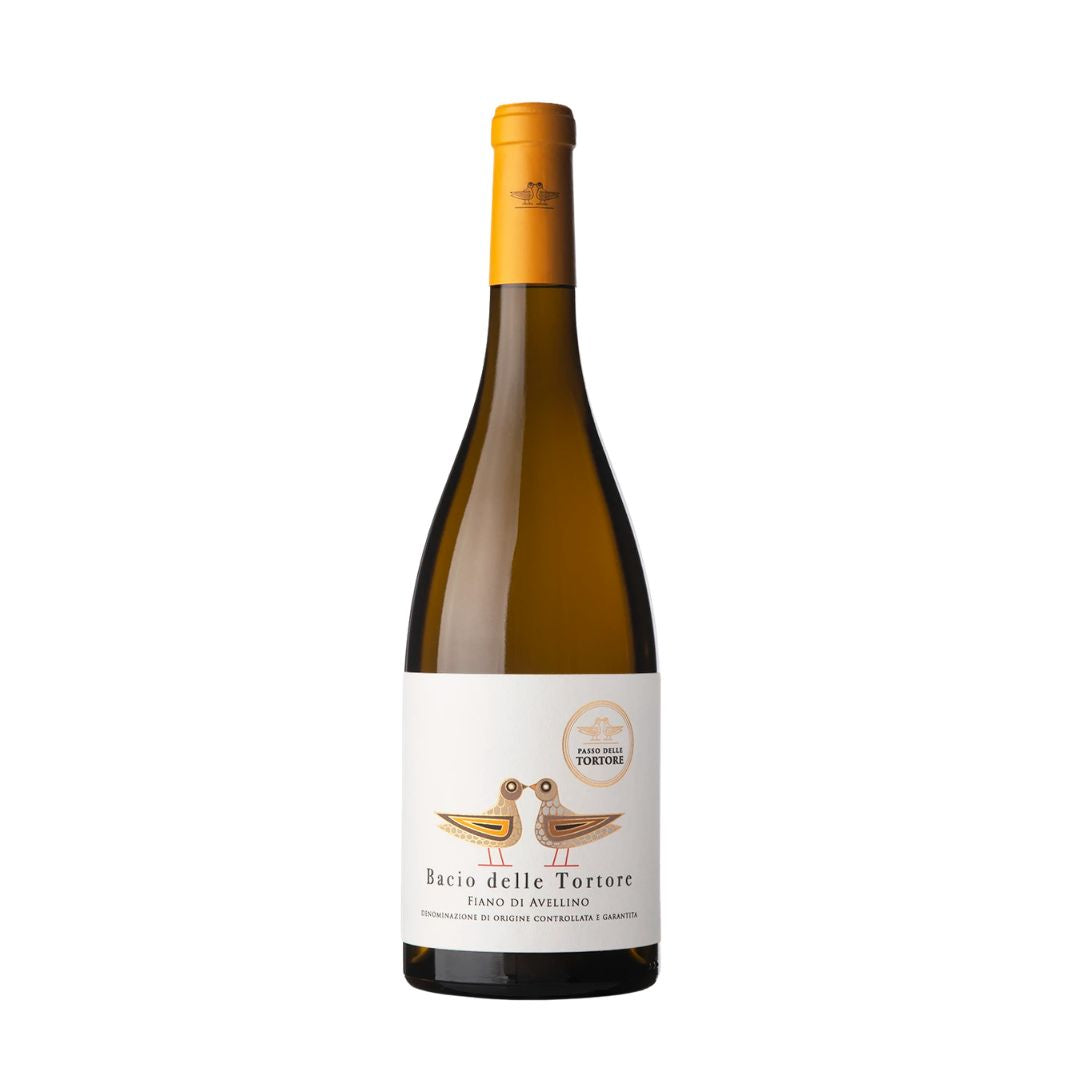
Bacio Delle Tortore Fiano Di Avellino | Passo delle Tortore

Sale price€20,00

White
Campania (IT)
Fiano di Avellino DOCG
Fiano 100%
Enjoy it within 4 years
13% ABV

Download as PDF

Production and refinement

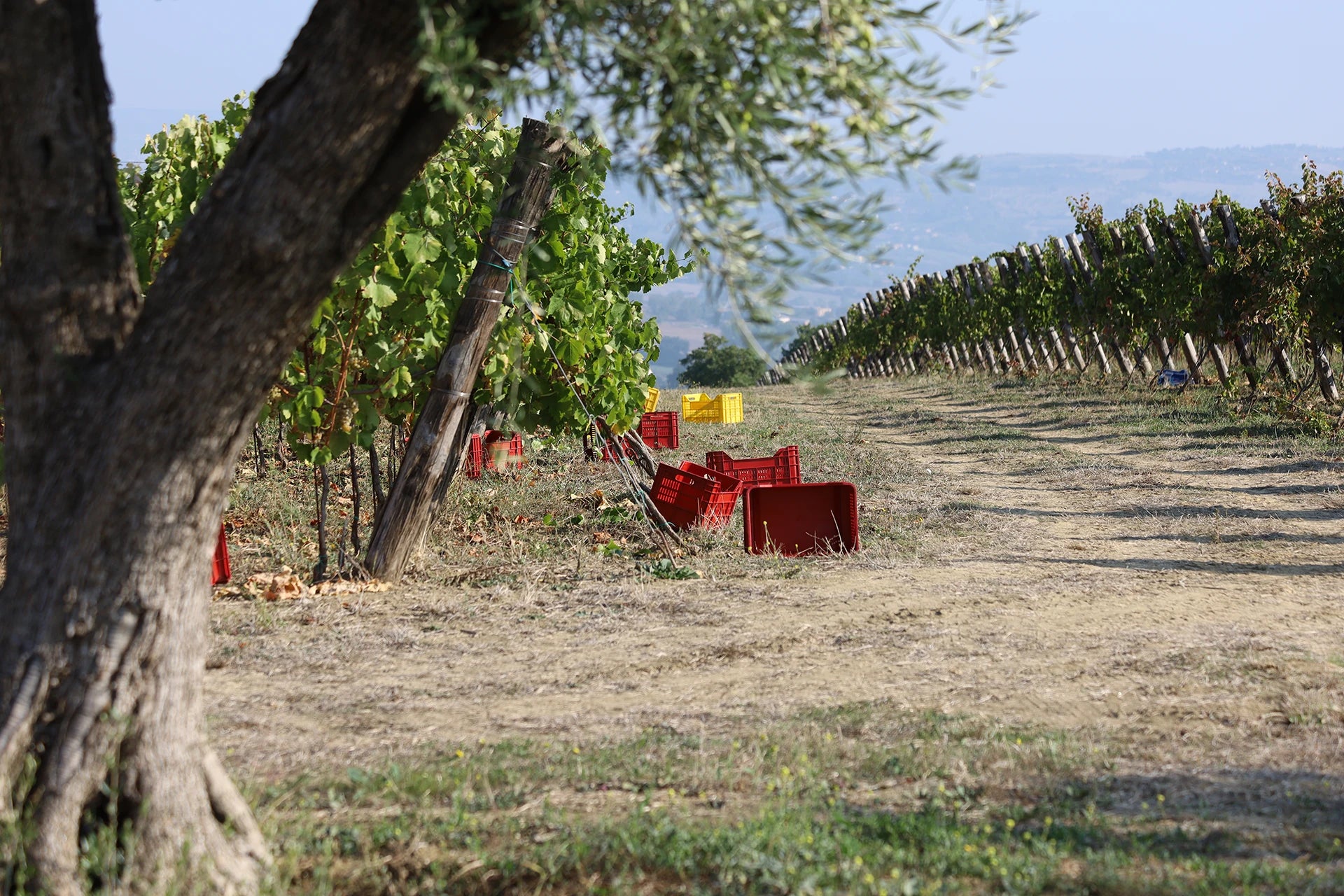
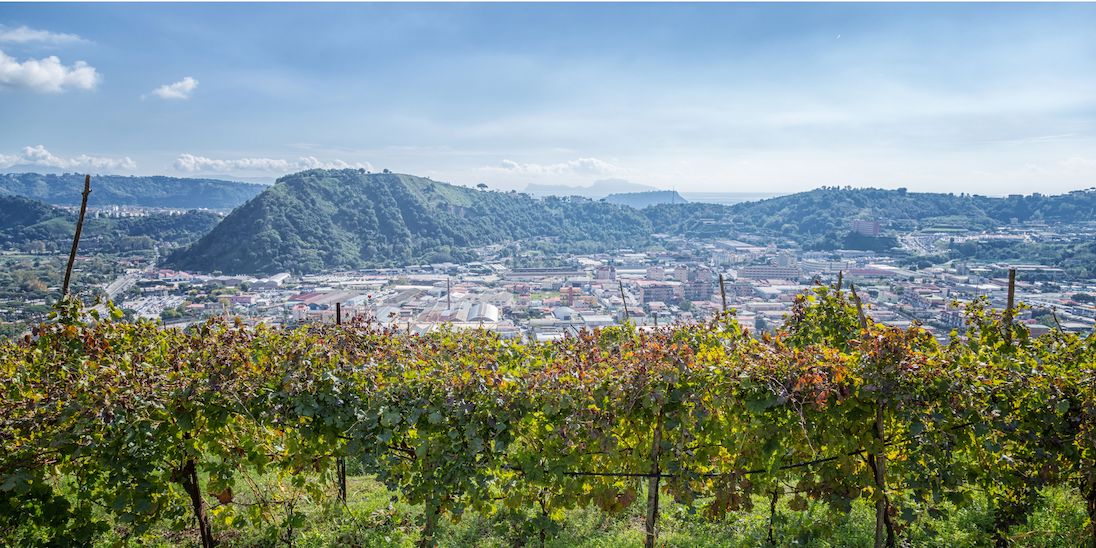
The wine comes from vineyards located in the high hills of Lapio, one of the most suitable areas for Fiano di Avellino, at an altitude of 540 meters. South-west exposures and clay-limestone soils contribute to slow and complete ripening, while strong day-to-night temperature variations favor aromatic development and the preservation of natural acidity.

Vine density is about 3,500 vines per hectare, with a horizontal trellis training system and Guyot pruning. Yields are intentionally kept low (about 1.2 kg per vine) to ensure concentration and expressive precision. Harvest is manual and takes place in the first ten days of October, with careful selection of the bunches.

The hand-harvested grapes are brought to the winery and gently pressed. The free-run must is clarified through natural cold settling. Fermentation takes place partly in stainless steel and partly in new oak barriques, a choice that combines varietal freshness with structural complexity. The wine then ages for 4–6 months “sur lies” with regular bâtonnage, which helps increase volume, complexity, and depth on the palate. The balance between steel and oak defines an elegant style, structured yet still linear.

Organoleptic analysis

Visual exam

Bright straw yellow with golden reflections.

Olfactory examination

An ample and layered nose: notes of honey, lime blossom, and tropical fruit intertwine with floral and citrus nuances. With evolution, more complex hints of candied citron and toasted hazelnut emerge.

Tasting

On the palate it is fresh, full, and harmonious, with a well-defined structure and marked minerality. The sip is long and balanced, with fruity echoes and an elegant, slightly savory finish.

Contents index

From the vineyard to the table: discover our wine

Ready for a journey to discover Bacio Delle Tortore Fiano Di Avellino | Passo delle Tortore ? We will now take you to delve deeper into every aspect of this exceptional wine through three key sections:

Cellar

Come and learn about the history and values ​​of the winery which passionately grows and transforms grapes into wine

Territory

Immerse yourself in the land that gives life to these unique grapes, discovering the climate and terroir that influence its character

Pairings

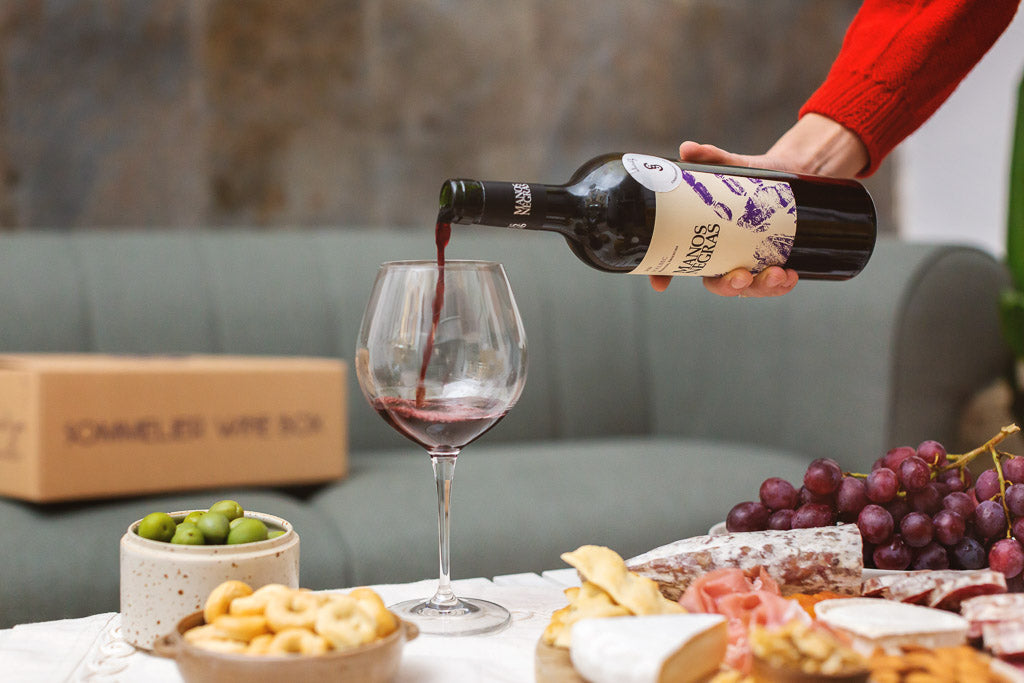
Get expert advice on the perfect pairings that will enhance both the wine and your meal

The winery

Country: Italy

Region: Campania, Avellino

Hectares of vineyards: 6

Passo delle Tortore

Passo delle Tortore is a young winery in Irpinia, located in the municipality of Pietradefusi (Avellino), at around 400 meters above sea level, in a border area between the province of Avellino and that of Benevento.

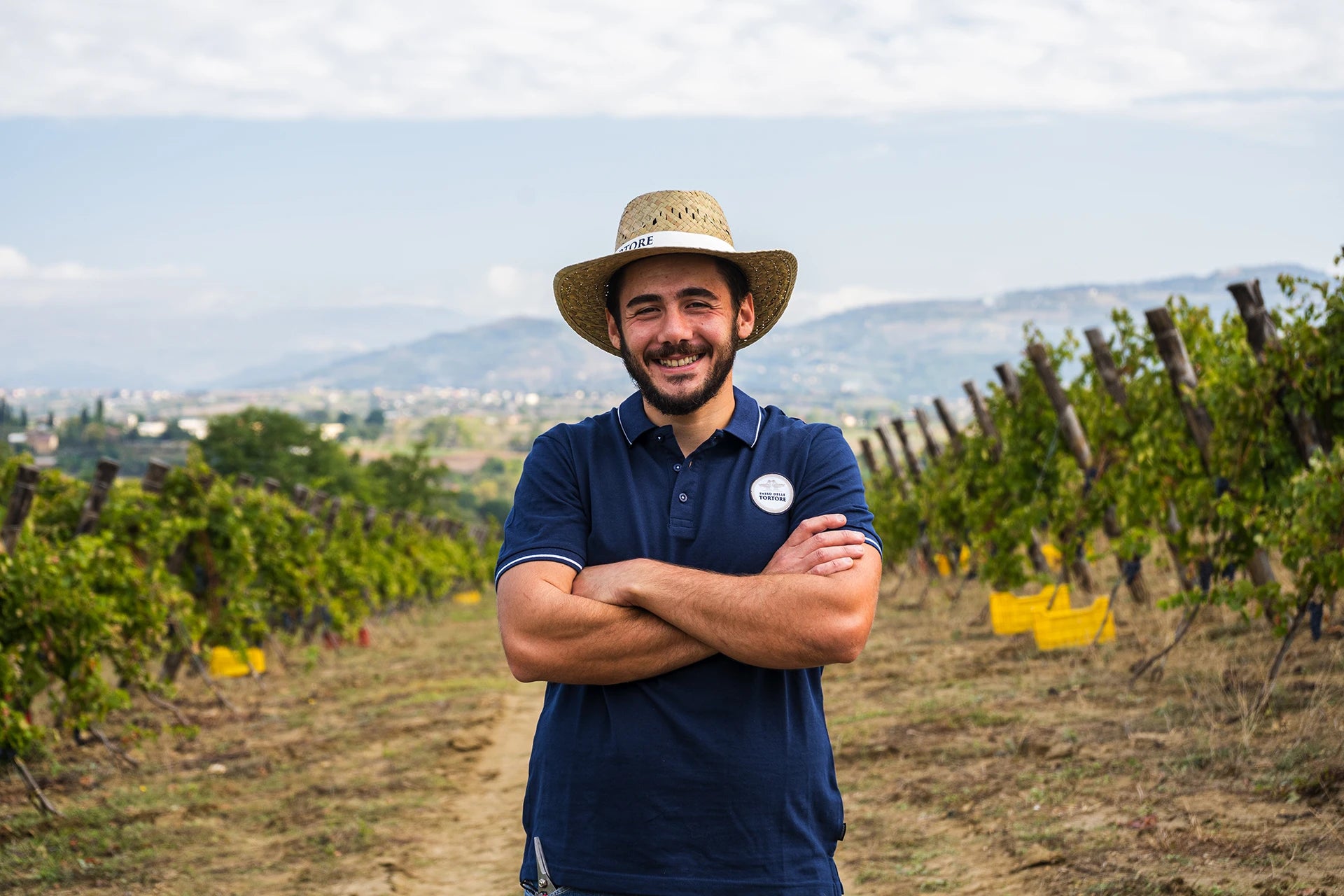
The project was born from an idea by four young women entrepreneurs from Southern Italy — Maria Carla Di Gioia, Ilaria Facchiano and Francesca De Girolamo — together with a young winemaker trained in France, Francesco De Pierro, who brought to Irpinia a technical and cultural approach developed among French vineyards.

The winery was officially founded around 2015 and established itself during the pandemic with its first commercial productions, marking a bold and strongly identity-driven debut.

Today the estate covers about 6 hectares of vineyards and a total production of around 20,000 bottles, with a range focused on Campanian native grape varieties: Fiano di Avellino, Greco di Tufo, Falanghina, and Aglianico.

Passo delle Tortore

The vineyards are located mainly on south-east facing slopes and are interspersed with olive groves, within a typical hilly Irpinian agricultural landscape. Vineyard management is based on integrated farming practices, with a conversion path toward organic agriculture and a strong focus on the natural balance of the vineyard. Yields are kept under control, and the approach aims to enhance varietal and territorial expression rather than production volume.

A distinctive element of the project is its strong symbolic connection to the territory: the “collared doves,” birds historically present in the area, become the winery’s emblem and a reference to fidelity to the land, nature, and rural roots of the region. This imagery is also reflected in the names of the wines, inspired by local places, sensations, and stories: “Bacio delle Tortore” for Fiano, “Le Arcaie” for Greco di Tufo, “Piano del Cardo” for Falanghina, and “Sasso Serra” for Aglianico.

The winery also benefits from the experience of Nicola De Girolamo, a historic figure in Irpinian viticulture and former director of Cantina del Taburno, whose contribution helps provide solidity and continuity to the project.

Region and territory

Millennial tradition, traditional cultivation, and enhancement of native varieties and terroirs
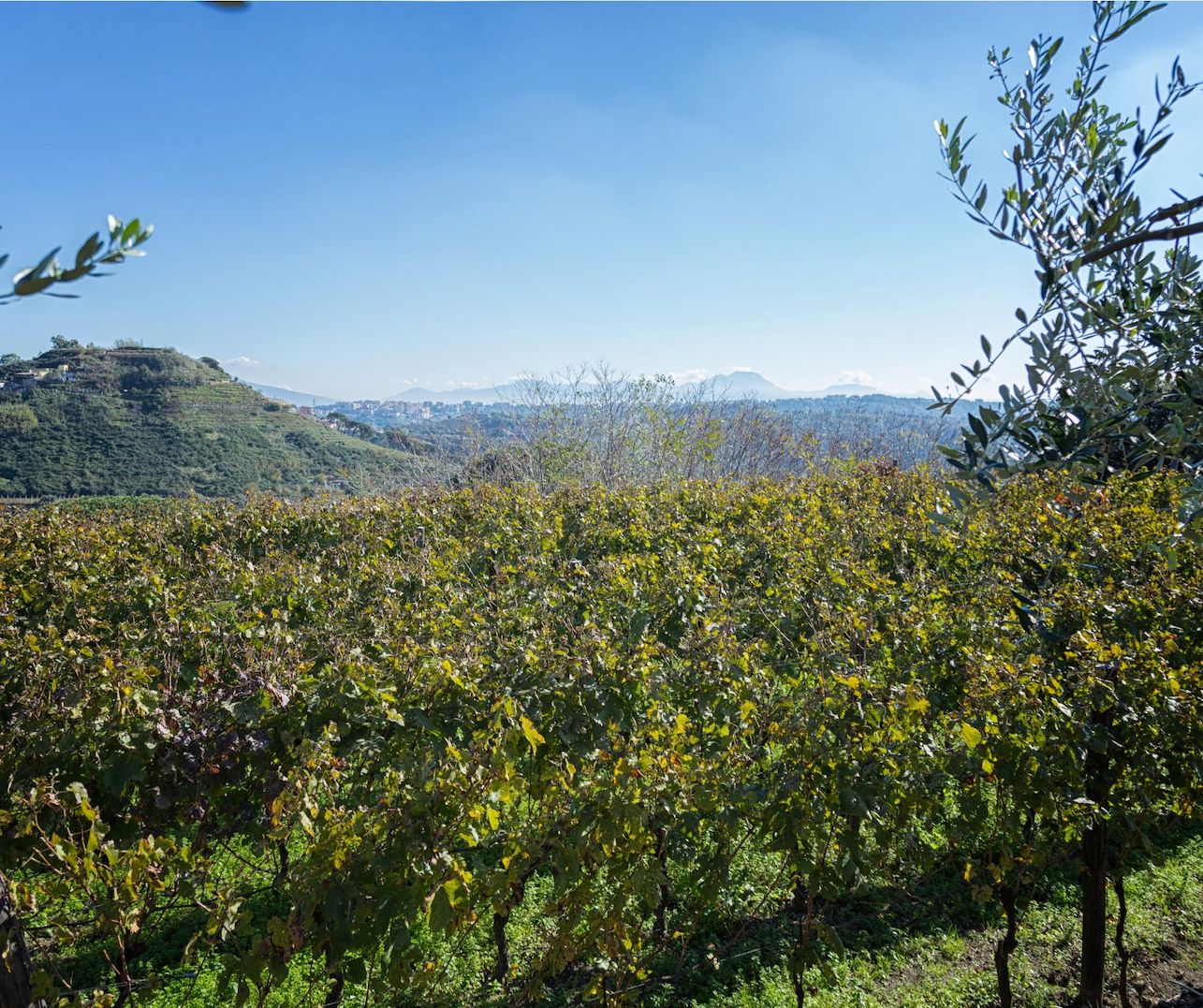
Campania

Millennial tradition, traditional cultivation, and enhancement of native varieties and terroirs
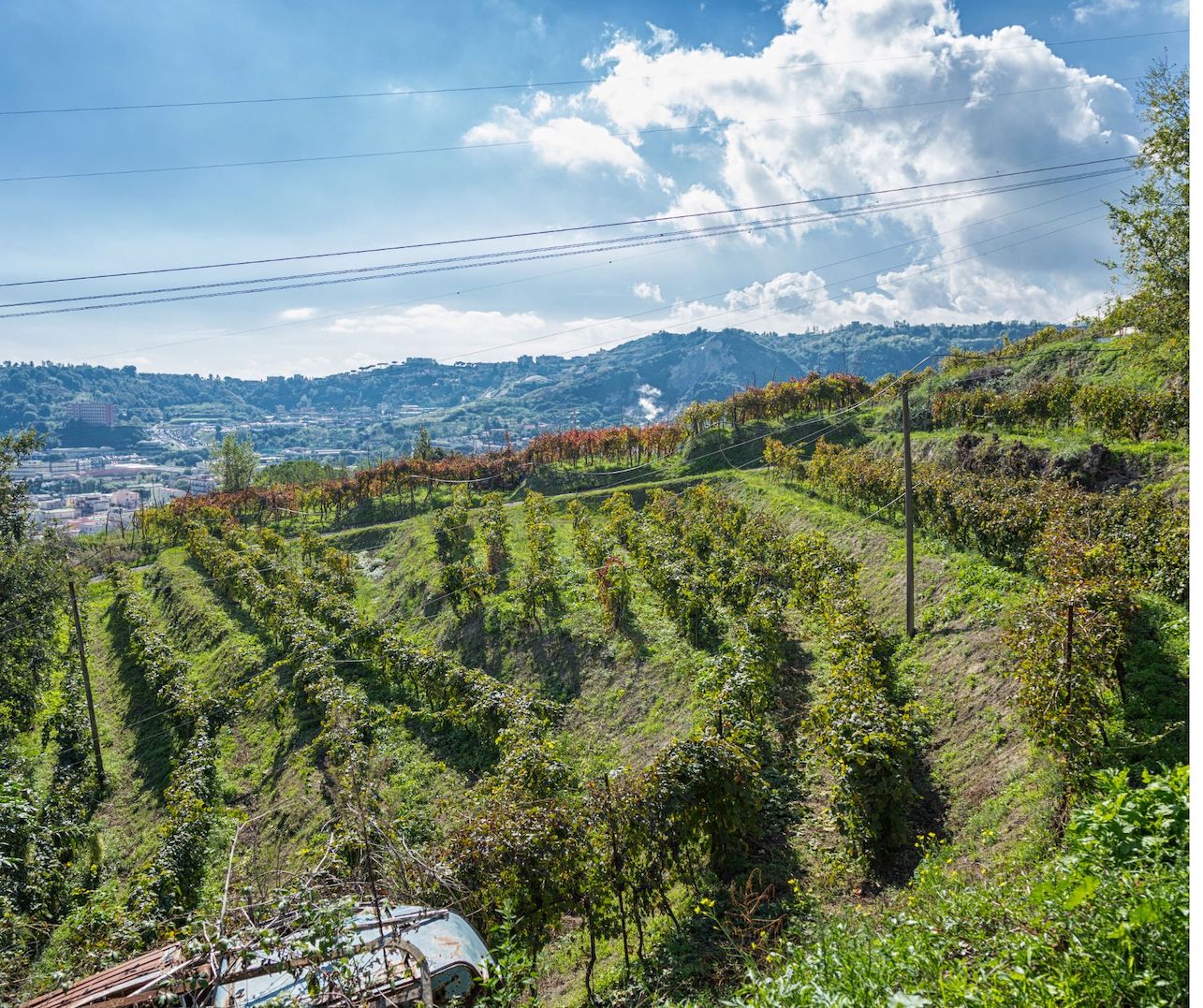
Campania

Millennial tradition, traditional cultivation, and enhancement of native varieties and terroirs
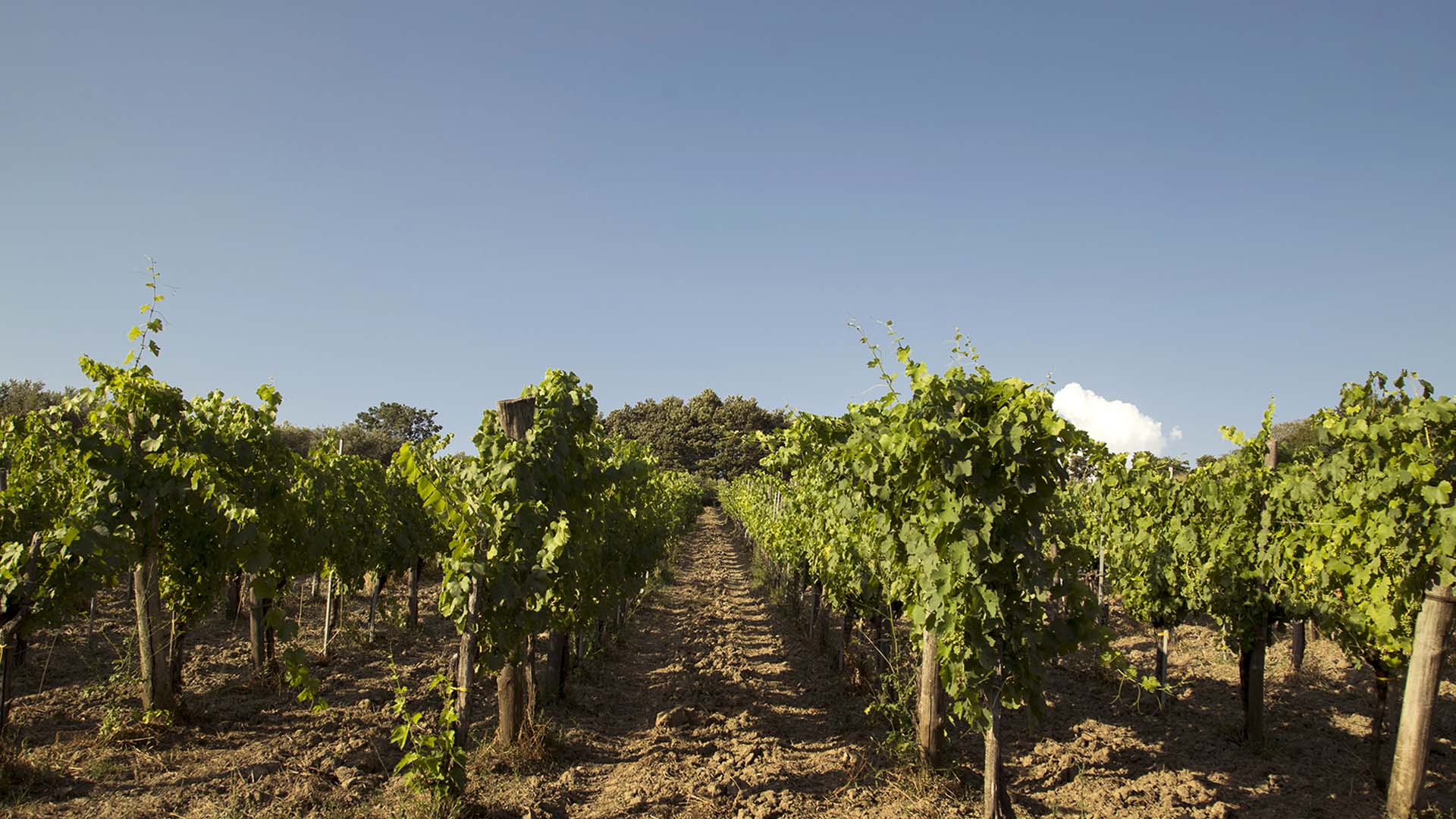
Campania

Viticulture in Campania has its roots in ancient Greek tradition, when numerous grape varieties now considered native were introduced by the Hellenics. Powdery mildew and phylloxera arrived later than elsewhere, but the damage was enormous, and the path to quality was only taken from the 1980s onwards.
Recently, Campanian wines have seen incredible success thanks to a production characterized by traditional agriculture, with a strong focus on environmental preservation and sustainability. Many of Campania's wineries are family-owned and produce high-quality wines in small quantities.

In general, Campanian viticulture is characterized by a great variety of terroirs and native varieties, which give rise to wines of great quality and personality, each with its own unique characteristics. For many years, the imposing Taurasi DOCG was the only wine to be awarded the DOCG status, but since 2003, Greco di Tufo DOCG and Fiano di Avellino DOC have also been recognized, and since 2011, Aglianico del Taburno has also been honored with this designation. In the rest of the region, there are also 15 DOC and 10 IGT wines.

Irpinia

Irpinia is the homeland of Aglianico, Greco, and Fiano. Less than 50 km from Naples, thanks to the conformation of its territory, Irpinia is a land suited for the production of high-quality wines. Cut in two by the Apennine Mountains, it has altitudes ranging from 300 to 1800 meters above sea level. This allows for well-drained soils with good water reserves and significant temperature variations between the daytime heat and the cool nights. In particular, the Tyrrhenian side (the most suitable for viticulture) is mountainous and discontinuous, rich in vegetation and water, with abundant rainfall.

The orography of the territory determines the formation of various microclimates that allow for the production of different types of wines. The clay-limestone soils benefit from the effusive activity of the three surrounding volcanic areas: Vulture, Vesuvius, and the mountains of Caserta. Over the centuries, the accumulation of layers of ash and lapilli has given rise to tuff deposits, with minerals and looser layers, another unique feature for quality viticulture. Irpinia is the Campania province with the highest concentration of vineyards and boasts the presence of three DOCG wines: Taurasi, Greco di Tufo, and Fiano di Avellino. It produces high-quality wines, vinified according to modern techniques but rooted in local tradition.

The orography creates diversified microclimates, while the clay-limestone soils provide unique minerality.

Recommended pairings and dishes

Matching by concordance

Best enjoyed by playing on the correspondence between the wine’s freshness, savoriness, and finesse with delicate, marine dishes of medium body. Harmony arises from the aromatic coherence between the fruity and mineral notes of Fiano and the natural elegance of preparations based on fish, shellfish, and light vegetables.

Matching by contrast

A white wine that cleanses the palate, lightens richer preparations, and creates a harmonious contrast with fried dishes, delicate sauces, creamy recipes, and slightly more structured cheeses.

It pairs well with

Raw seafood; oysters; white fish tartare; fish carpaccio; shellfish; seafood salads; seafood risottos; spaghetti with clams; linguine with shellfish; light fish soups; baked white fish; mixed grilled seafood; grilled shellfish; cod in delicate preparations; fried fish; fresh cheeses; ricotta and dairy products; semi-aged cheeses; grilled vegetables; Mediterranean vegetarian dishes.

Matching by concordance

Best enjoyed by playing on the correspondence between the wine’s freshness, savoriness, and finesse with delicate, marine dishes of medium body. Harmony arises from the aromatic coherence between the fruity and mineral notes of Fiano and the natural elegance of preparations based on fish, shellfish, and light vegetables.

Matching by contrast

A white wine that cleanses the palate, lightens richer preparations, and creates a harmonious contrast with fried dishes, delicate sauces, creamy recipes, and slightly more structured cheeses.

It pairs well with

Raw seafood; oysters; white fish tartare; fish carpaccio; shellfish; seafood salads; seafood risottos; spaghetti with clams; linguine with shellfish; light fish soups; baked white fish; mixed grilled seafood; grilled shellfish; cod in delicate preparations; fried fish; fresh cheeses; ricotta and dairy products; semi-aged cheeses; grilled vegetables; Mediterranean vegetarian dishes.

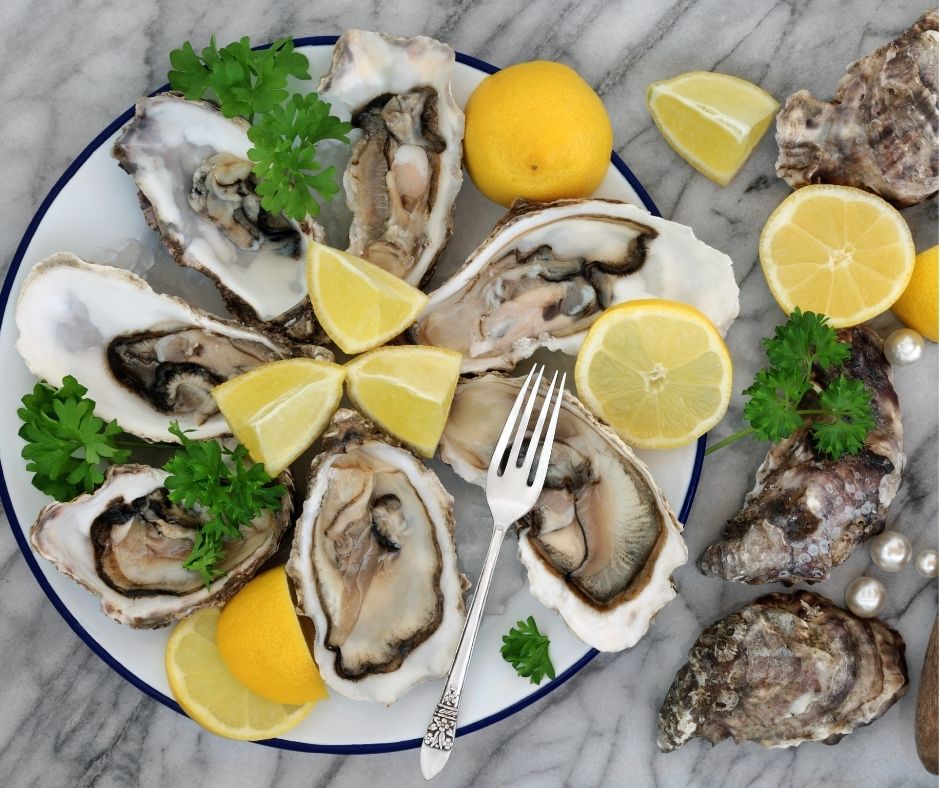
Oysters

Oysters have always enchanted palates around the world. They are a prized food - the symbol of refinement par excellence - generally consumed raw, simply seasoned with lemon and possibly pepper. A true delicacy of the sea, with a unique, mineral, and briny flavor, sea aromas, and a delicate texture.

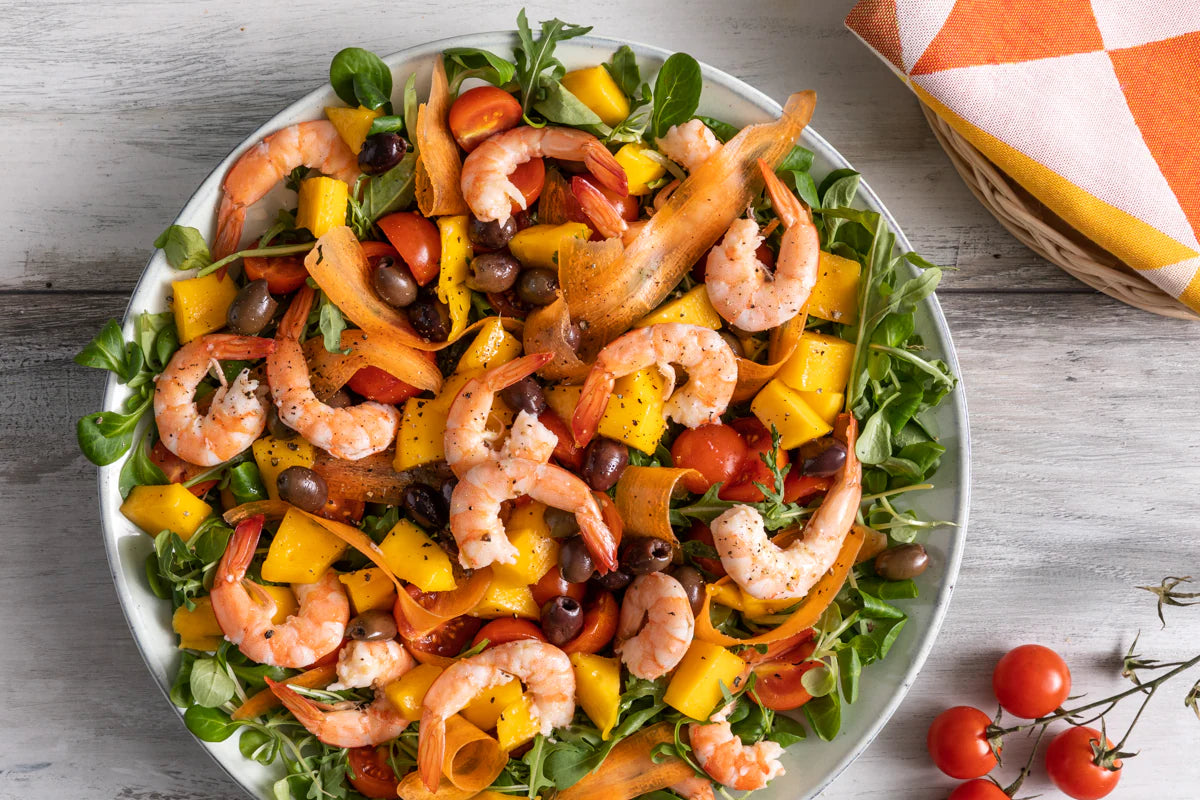
Shrimp salad

A light dish, rich in flavor and fragrance. Try it warm, enhanced with mango and almond flakes for a colorful and original touch of sweetness. Delicious and easy to prepare.

Bacio Delle Tortore Fiano Di Avellino | Passo delle Tortore , did you like it?

Tell us about it by clicking here

Bacio Delle Tortore Fiano Di Avellino | Passo delle Tortore , did you like it?

Tell us about it by clicking here