Amarone Valpolicella Classico | Armani

Sale price€35,00

Red
Veneto (IT)
Amarone della Valpolicella DOCG
Corvina, Corvinone, Rondinella
Enjoy it within 10 years
14,5% ABV

Download as PDF

Production and refinement

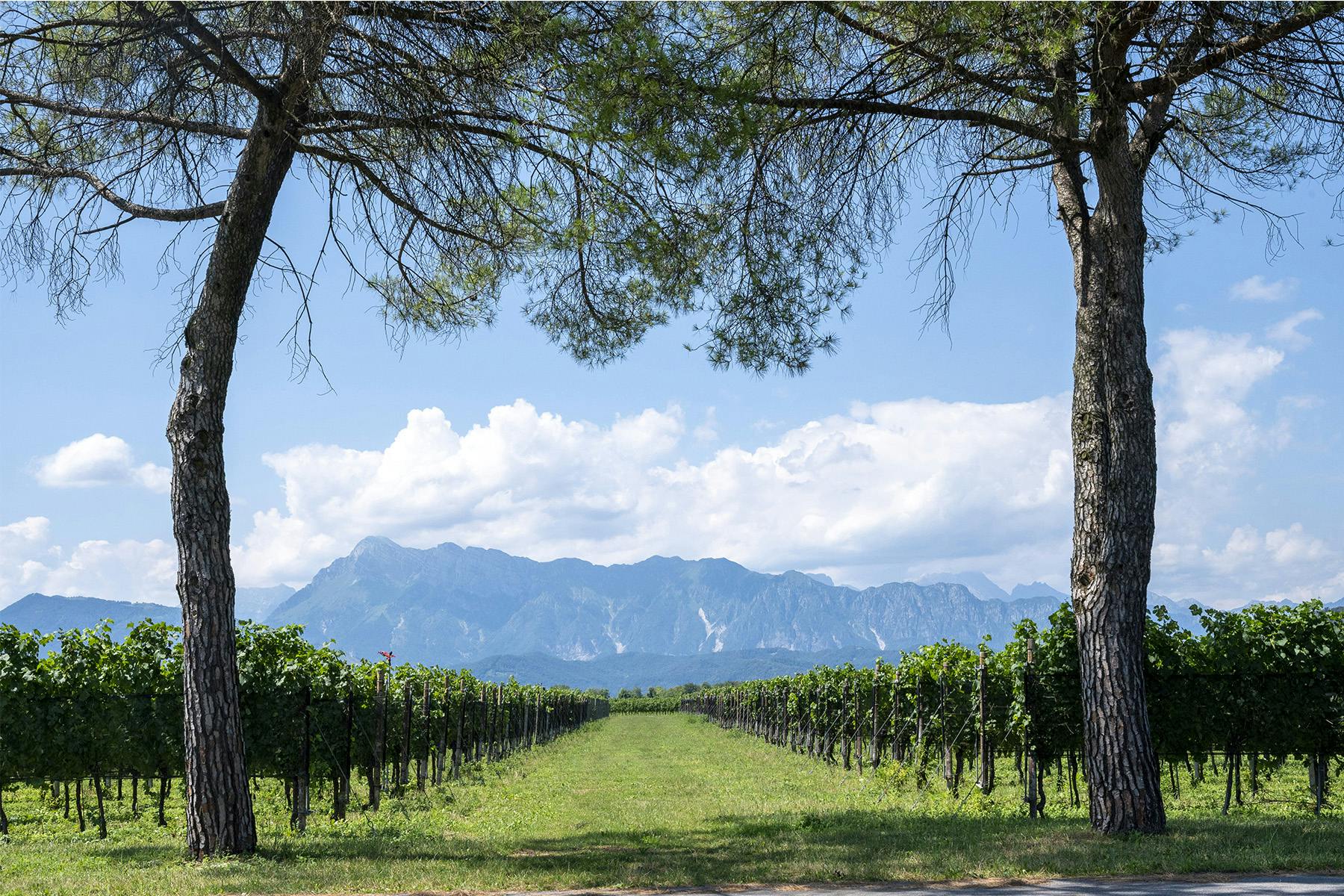
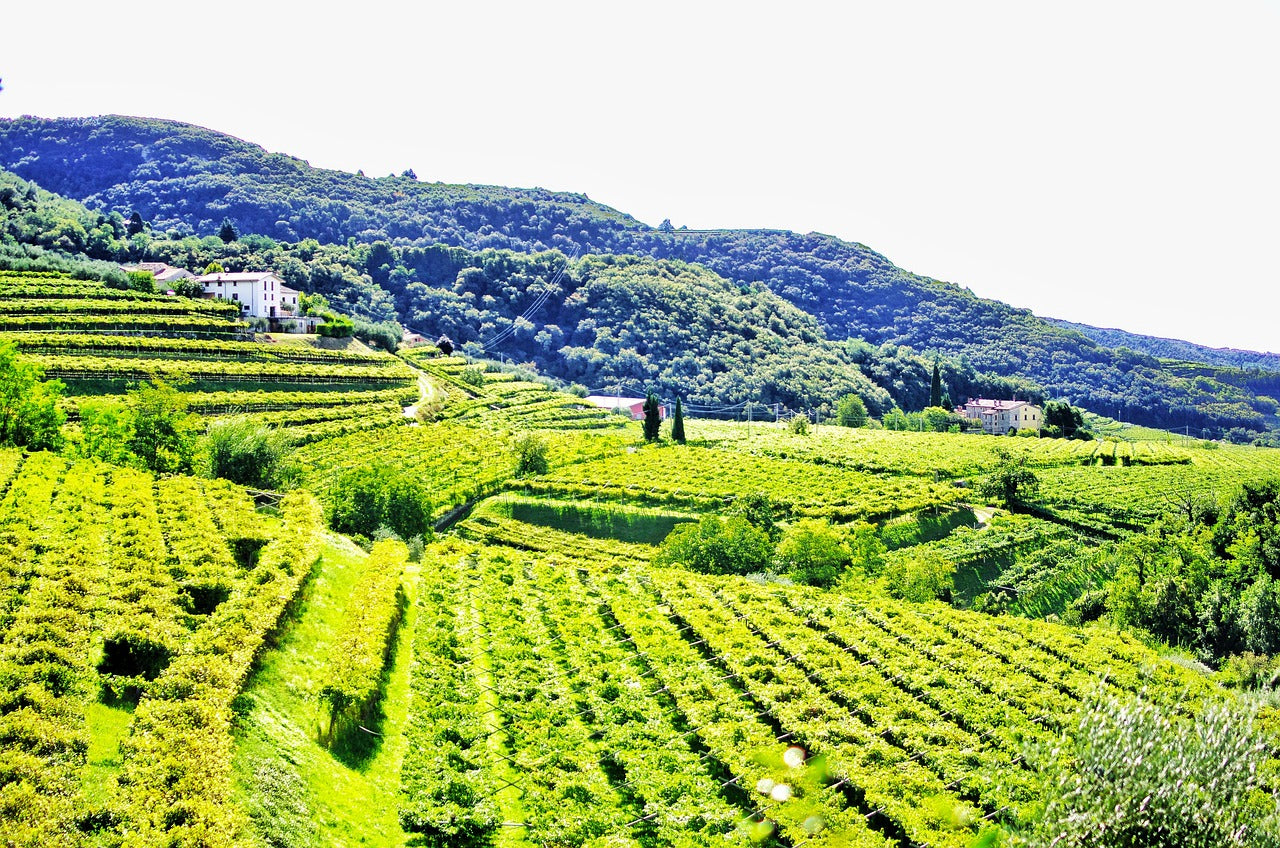
At the base of the wine is the classic blend of the Veronese tradition: Corvina, Corvinone, and Rondinella, varieties that contribute in complementary ways to the wine’s final profile. In the vineyard, the Veronese pergola training system is used, grown on hillside terraces supported by dry-stone walls. This system allows good ventilation of the bunches and balanced ripening of the grapes.

After careful selection during the harvest, the clusters are placed on plateaux and transferred to the *fruttaio* next to the winery. Here the traditional *appassimento* takes place, a slow and natural process in which the grapes lose water and concentrate sugars, aromas, and structure.

Vinification begins in the first months of the year following the harvest, when the now dried grapes are pressed. This is followed by a slow fermentation in contact with the skins, essential for extracting color, tannins, and aromatic complexity. The wine then undergoes a long maturation period in large oak casks, allowing its components to harmonize and develop depth and longevity before bottling.

Organoleptic analysis

Visual exam

Deep and intense ruby red, bright yet compact, reflecting the concentration achieved through the drying of the grapes.

Olfactory examination

On the nose it is broad and enveloping: aromas of ripe red fruit emerge, with cherry in spirit and plum, followed by nuances of dark spices, cocoa, coffee, and light notes of chocolate. The bouquet evolves in the glass, revealing elegant and complex aromatic layers.

Tasting

On the palate, the sip is smooth and enveloping, warm yet perfectly balanced. The structure is substantial, supported by velvety tannins and a surprising freshness typical of hillside vineyards. The finish is long and persistent, with echoes of ripe fruit and spices that accompany the sip with great elegance.

Contents index

From the vineyard to the table: discover our wine

Ready for a journey to discover Amarone Valpolicella Classico | Armani ? We will now take you to delve deeper into every aspect of this exceptional wine through three key sections:

Cellar

Come and learn about the history and values ​​of the winery which passionately grows and transforms grapes into wine

Territory

Immerse yourself in the land that gives life to these unique grapes, discovering the climate and terroir that influence its character

Pairings

Get expert advice on the perfect pairings that will enhance both the wine and your meal

The winery

Country: Italy

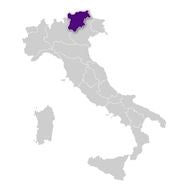
Region: Trentino Alto Adige, Trento

Hectares of vineyards: 15

Albino Armani

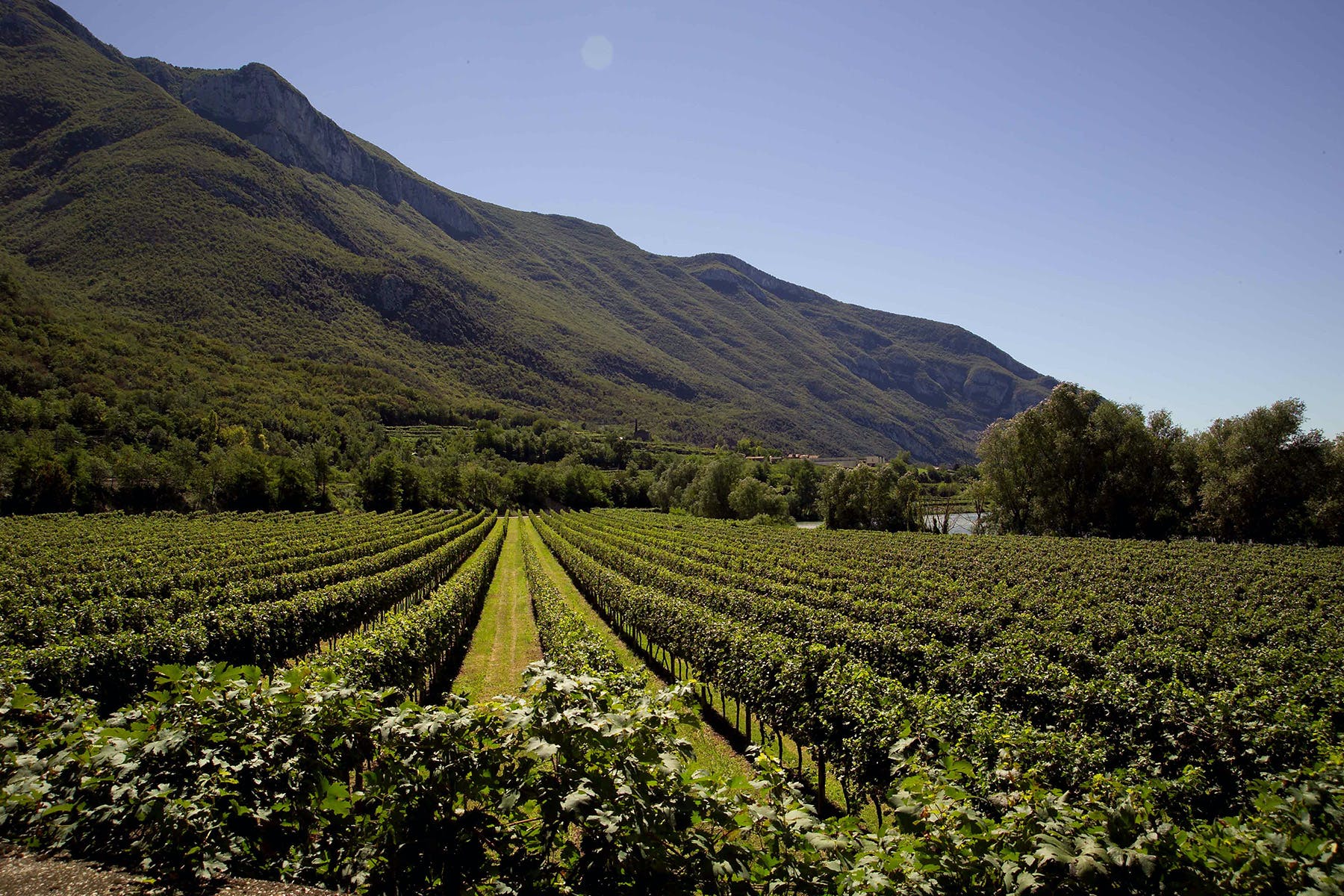
The company takes its name from the current owner and his grandfather, who shares the same name, a family that has been dedicated to viticulture for hundreds of years (since 1607) in the Adige Valley, a borderland highly suitable for quality viticulture.

The connection with the mountains and harmony with its people have always been a stimulus for Albino to grow and maintain a strong bond with the past. "Grapes from the past and the recovery of our memories are my modernity," he says, looking at his vineyards.

Albino Armani

Albino Armani cultivates 15 hectares of vineyards for a small and meticulously cared for production.

Region and territory

From Prosecco to Amarone: wines for every taste
Veneto

From Prosecco to Amarone: wines for every taste
Veneto

From Prosecco to Amarone: wines for every taste
Veneto

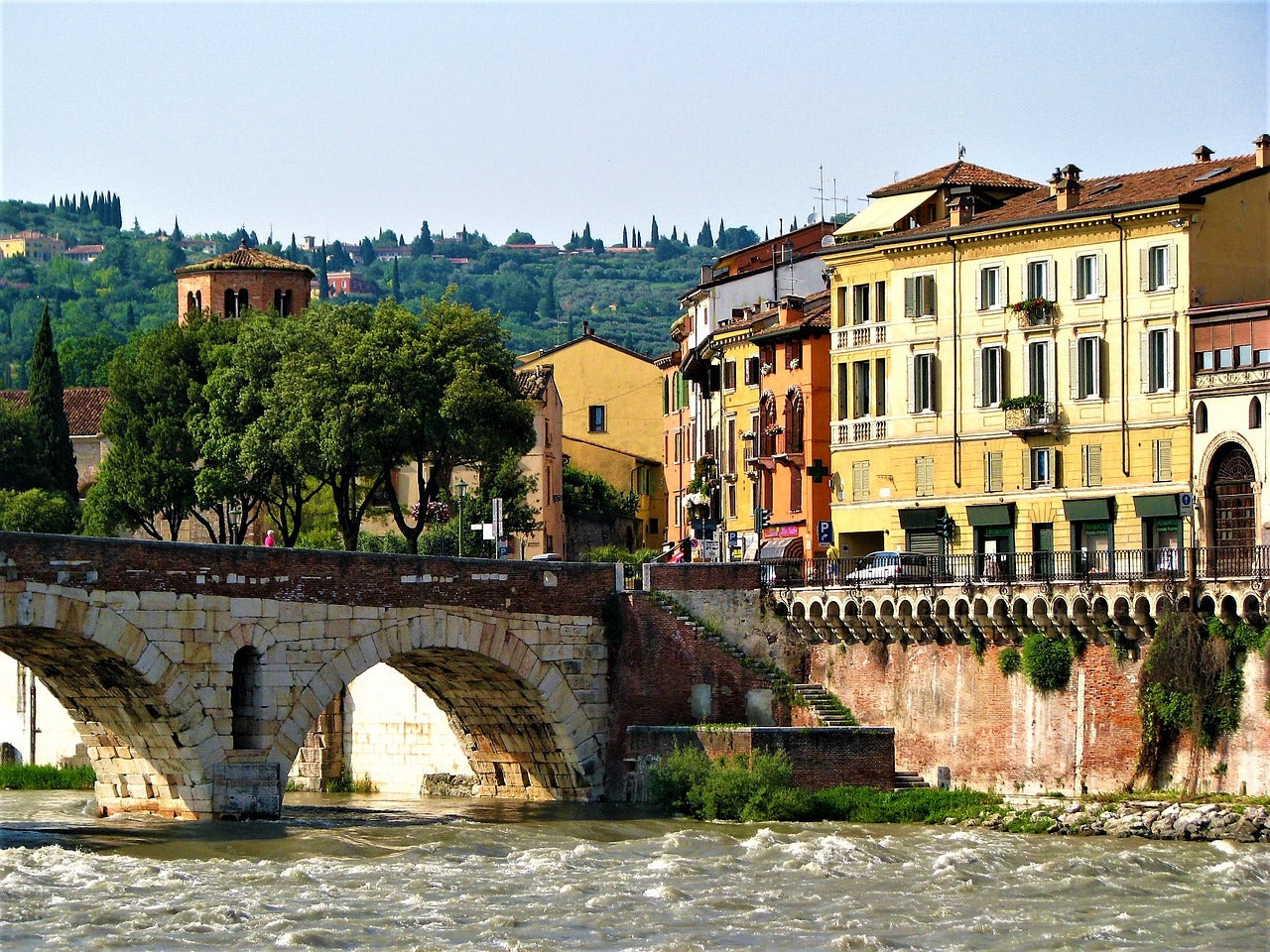
Grapevines have been cultivated in Veneto since the 7th century B.C., perfected by the Romans and continued in the Middle Ages. With Venetian domination from 1405, viticulture almost completely covers the territory, and Veronese wines, thanks to the Adige River, reach Venice. What sets this region apart from many others is the continuous commercial success of its wine products. From the late 18th century, the region experienced a crisis. However, the following century saw a qualitative leap in Venetian wines, also driven by the establishment of the Società Enologica Veronese in 1872. The first edition of Vinitaly took place in 1967.

Veneto has a complex wine production chain. Important areas include the Colline del Garda Veronese and Valpolicella, with Bardolino Superiore DOCG and Amarone della Valpolicella DOCG. Worth noting is the interregional Lugana DOC, between the provinces of Verona and Mantua. In the volcanic hills between the provinces of Verona and Vicenza lies the area of Soave Superiore DOCG, Soave DOC, and Gambellara DOC. The Colli Berici DOC, south of Vicenza, is known for its reds based on international varieties and Tocai Rosso. The Breganze DOC area, north of Vicenza, is renowned for its reds and whites based on Vespaiola grapes. In the Paduan area, there are the Colli Euganei with the Moscato Fior d’Arancio DOCG, while to the south lies the Friularo di Bagnoli DOCG. In Treviso, we find the Prosecco DOCG and the Colli di Conegliano DOCG. At the borders with Friuli is the Lison DOCG.

The presence of mountain ranges, hills, and vast plains provides significant temperature variations, mitigated near Lake Garda and along the coast. Veneto is therefore rich in diverse wines, made with both native and international grape varieties that find a second home here.

Valpolicella

The Valpolicella region, located in the province of Verona amidst hills and valleys north of the city of Verona, in Veneto, extends from the Adige River valley on its western side to the volcanic territories of the Soave production area on its eastern side. Valpolicella is a controlled designation of origin (DOC - DOCG) area and includes 3 subzones: Valpolicella Classica, Valpantena, and Estesa.

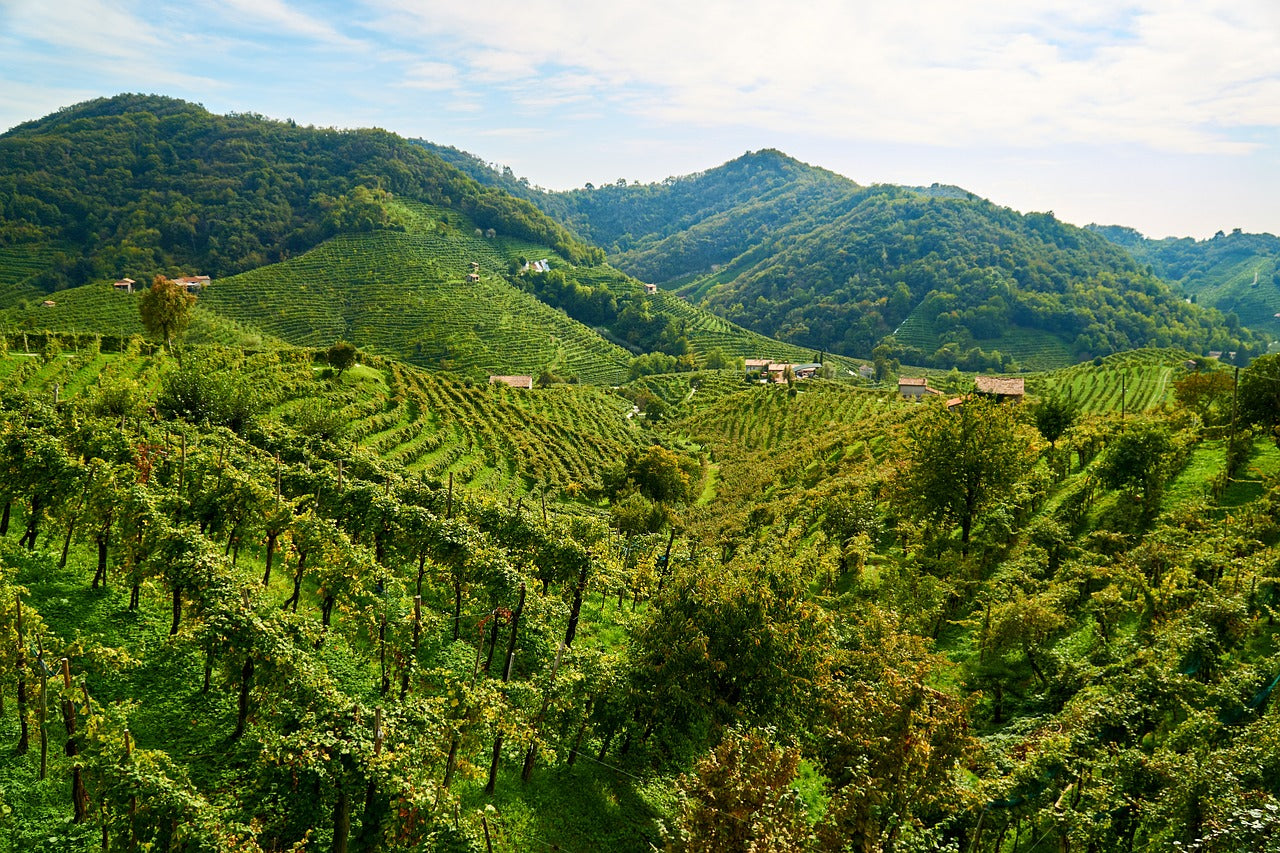
The landscape is extremely rich due to the presence of morphologically varied terrain, which can be divided into three main areas: the calcareous mountainous zone formed by the Monti Lessini; the hilly belt, which hosts a large part of the vineyards; and the valley floor zone.

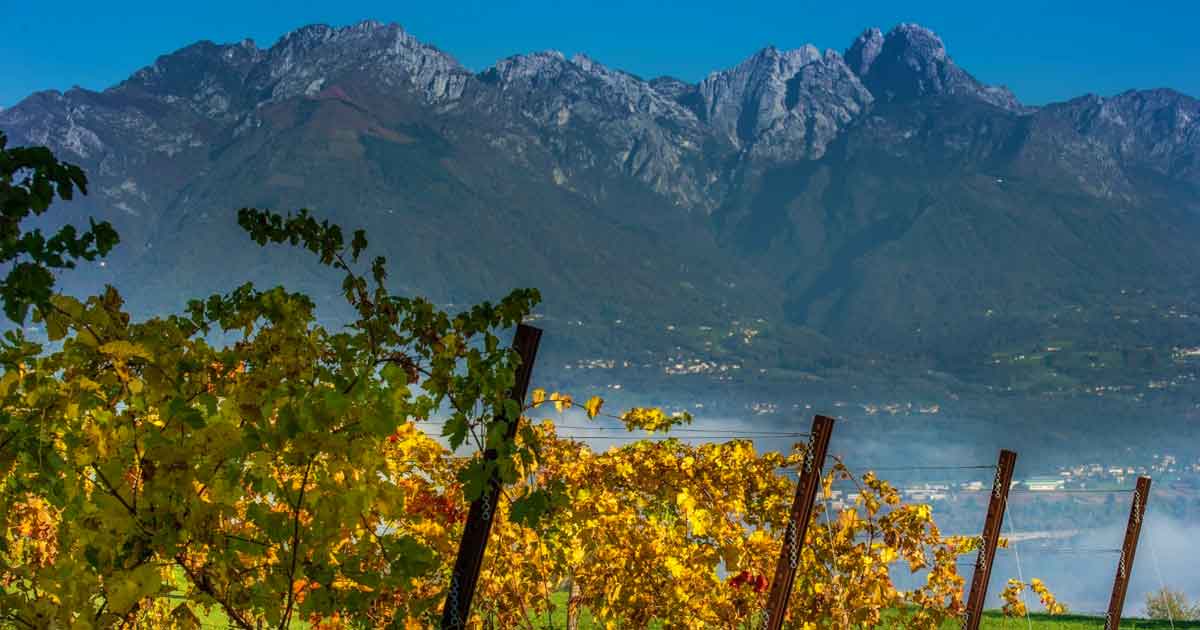
Consisting of valleys that run north-south, Valpolicella ideally appears as a fan of valleys that emanate from Verona. The landscape is predominantly hilly, with gentle slopes and low ridges, and is virtually dominated everywhere by vineyards, interspersed with olive trees and cherry trees. The geological and climatic characteristics of the territory, unique and varied, are the basis of the great peculiarity and typicality of its wines.

The unique and varied territory offers ideal geological and climatic conditions for the production of distinctive wines.

Recommended pairings and dishes

Matching by concordance

The aromatic complexity of this great Amarone, characterized by notes of ripe fruit, dark spices, and toasted hints, finds its match in dishes that are equally rich in aromas and prepared with slow cooking methods, or in long-aged cheeses. Preparations that include the wine itself in the recipe, such as risotto with Amarone, also enhance this harmony of flavors.

Matching by contrast

The alcoholic and tannic structure of Amarone cleanses the palate from the richness of fatty or long-cooked meats, while its acidity provides lift and freshness, preventing the sip from feeling heavy. It is therefore ideal with intense and succulent dishes, where the wine acts as a balancing element.

It pairs well with

Main courses of red meat, long and succulent preparations such as braised meats, slow-cooked stews, ragouts, and roasts, but also pairs well with game and long-aged cheeses.

Matching by concordance

The aromatic complexity of this great Amarone, characterized by notes of ripe fruit, dark spices, and toasted hints, finds its match in dishes that are equally rich in aromas and prepared with slow cooking methods, or in long-aged cheeses. Preparations that include the wine itself in the recipe, such as risotto with Amarone, also enhance this harmony of flavors.

Matching by contrast

The alcoholic and tannic structure of Amarone cleanses the palate from the richness of fatty or long-cooked meats, while its acidity provides lift and freshness, preventing the sip from feeling heavy. It is therefore ideal with intense and succulent dishes, where the wine acts as a balancing element.

It pairs well with

Main courses of red meat, long and succulent preparations such as braised meats, slow-cooked stews, ragouts, and roasts, but also pairs well with game and long-aged cheeses.

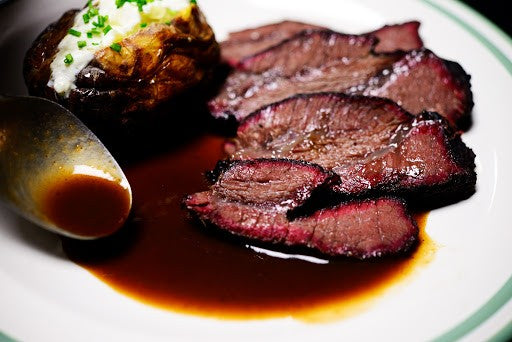
Braised beef in Amarone

An exceptionally refined dish, rich and structured, made with tender, succulent beef slowly cooked in Amarone, which imparts deep notes of ripe red fruit, sweet spices, and a subtle balsamic hint. It is enveloping and flavorful.

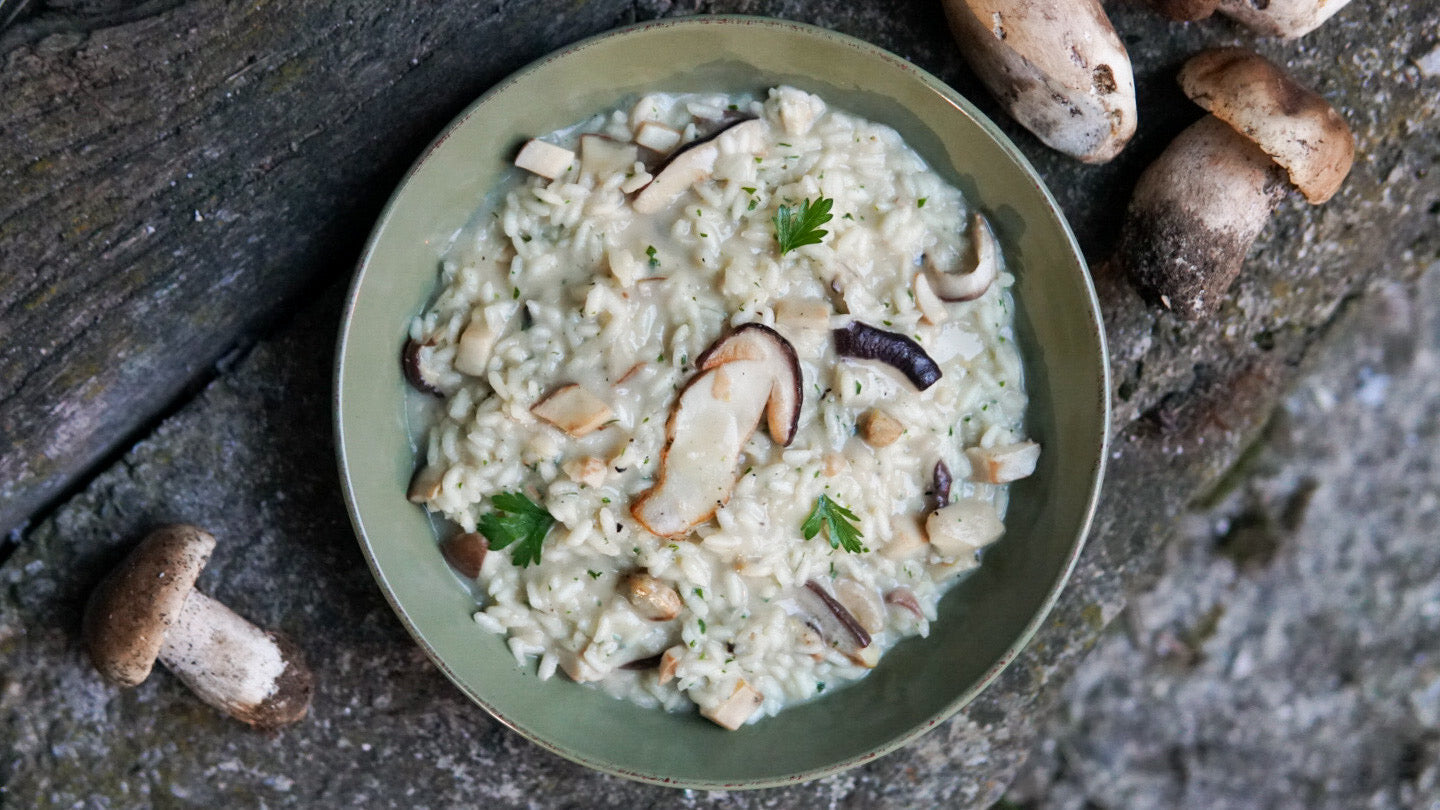
Mushroom Risotto

A dish rich in aromas and flavor, creamy and of medium structure, delicate and elegant. Chanterelles, porcini, button mushrooms, or a mix... the possibilities for an impressive first course are endless!

Amarone Valpolicella Classico | Armani , did you like it?

Tell us about it by clicking here

Amarone Valpolicella Classico | Armani , did you like it?

Tell us about it by clicking here