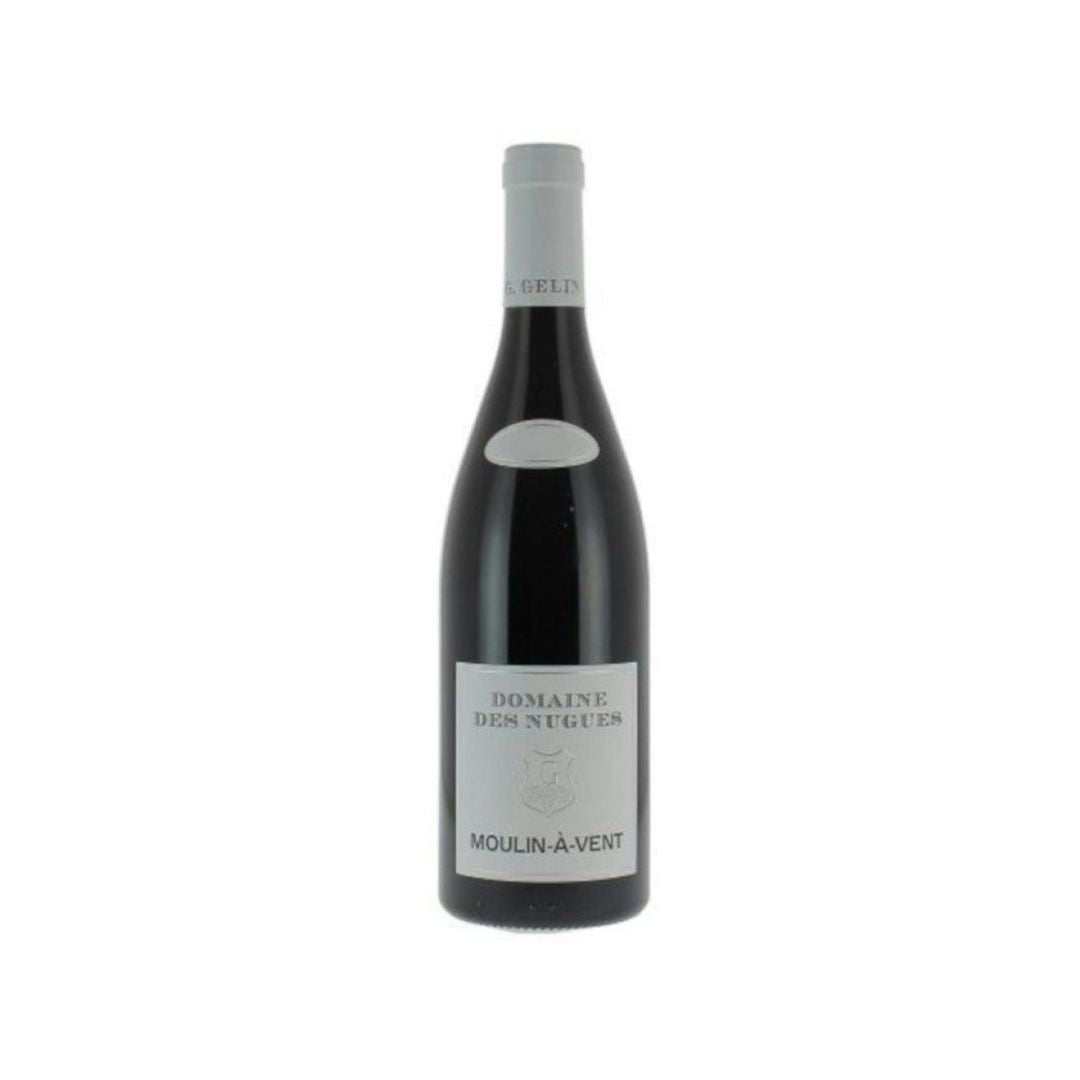
Moulin A Vent | Domaine des Nugues

Sale price€27,00

Red
Burgundy (FR)
AOC Moulin-à-Vent
Aligoté
Enjoy it within 4 years
13,5% ABV

Download as PDF

Production and refinement

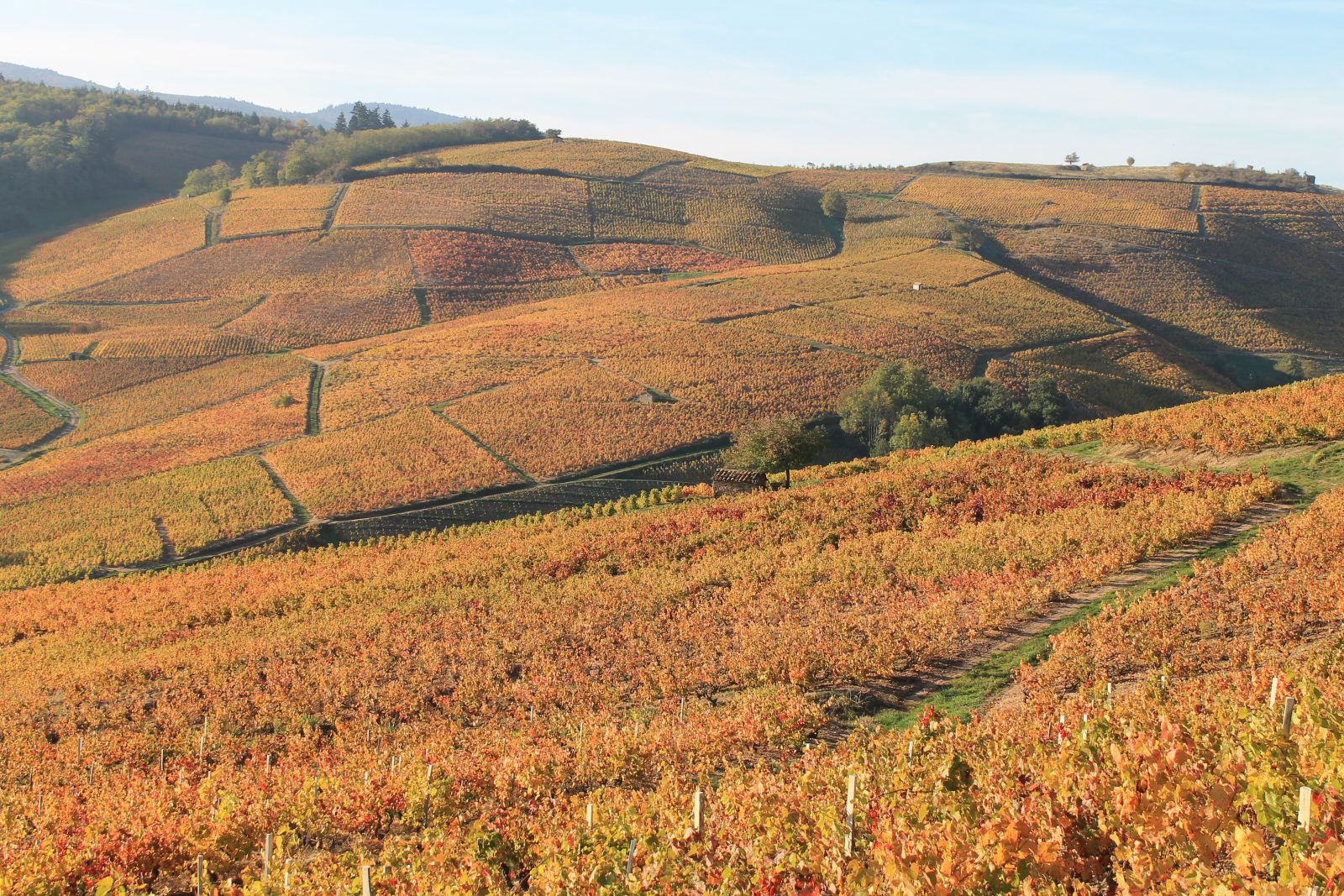
The grapes come from hillside slopes with south and southeast exposure, on pink granite soils characterized by good depth and excellent drainage. Vineyard management is thoughtful and HVE-certified, with low yields and 100% hand harvesting, ensuring optimal health and ripeness of the clusters.

Vinification takes place using semi-carbonic maceration, known as the “Beaujolaise” method, with temperature control. The first racking occurs before malolactic fermentation, and the cuvaison lasts 14–20 days, during which the must develops structure and aromas. Aging takes place for 13 months in tanks and continues in the bottle for several months before release, allowing the wine to express elegance, complexity, and harmony.

Organoleptic analysis

Visual exam

Intense, deep, and bright ruby red.

Olfactory examination

On the nose, it expresses a bouquet characterized by notes of ripe black fruit, enriched by delicate spicy nuances that add complexity and finesse.

Tasting

On the palate, it is structured, velvety, and persistent, with fine, well-integrated tannins and a length that allows full appreciation of the fruit’s purity. An elegant finish.

Contents index

From the vineyard to the table: discover our wine

Ready for a journey to discover Moulin A Vent | Domaine des Nugues ? We will now take you to delve deeper into every aspect of this exceptional wine through three key sections:

Cellar

Come and learn about the history and values ​​of the winery which passionately grows and transforms grapes into wine

Territory

Immerse yourself in the land that gives life to these unique grapes, discovering the climate and terroir that influence its character

Pairings

Get expert advice on the perfect pairings that will enhance both the wine and your meal

The winery
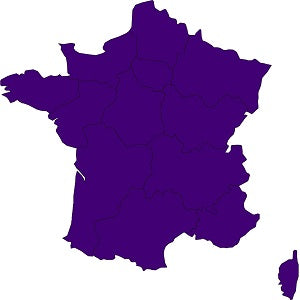
Country: France

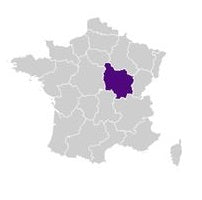
Region: Burgundy

Hectares of vineyards: 36

Domaine des Nugues

In the heart of Beaujolais, in Lancié, lies one of the most authentic and distinctive estates of the region: Domaine des Nugues. Here, surrounded by the most celebrated crus of the area—Moulin-à-Vent, Fleurie, and Morgon—one breathes a viticulture deeply rooted in tradition, speaking the language of Gamay with rare precision.

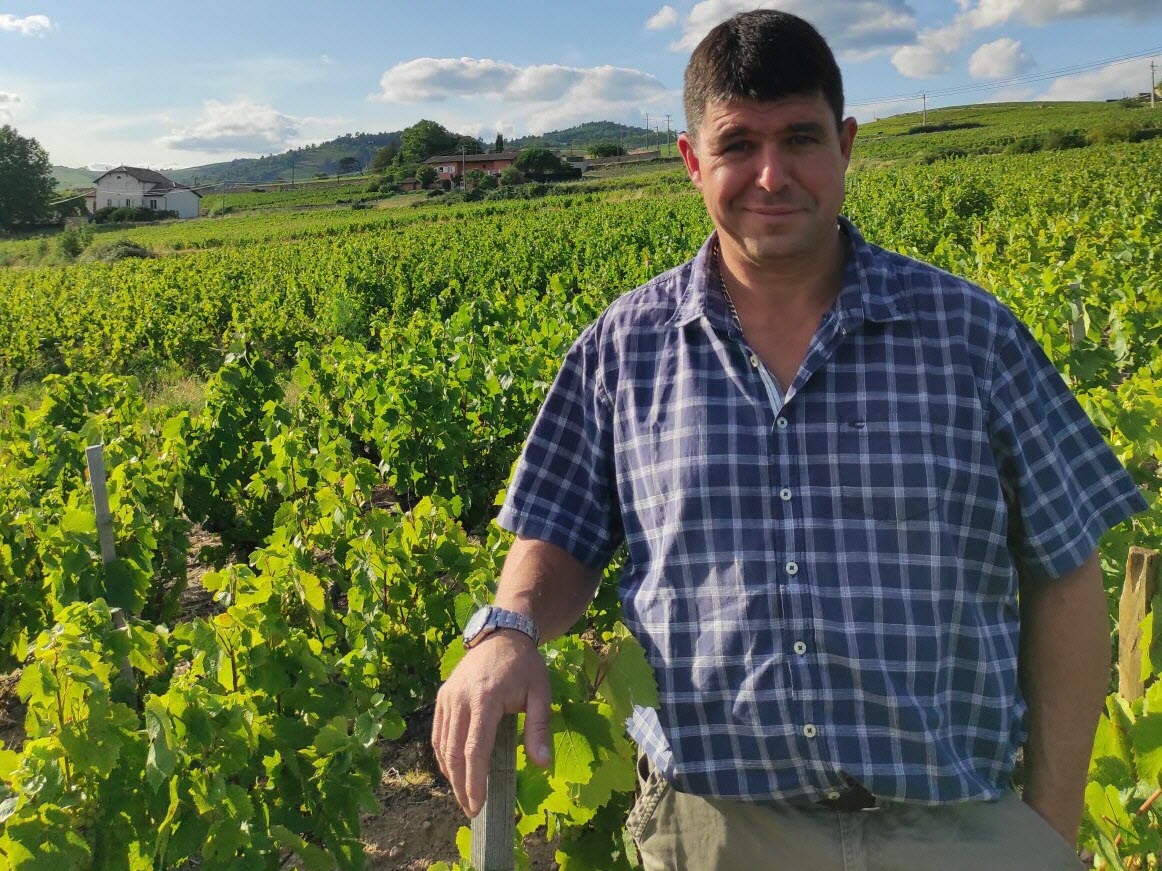
The history of the domaine begins in 1976, when Gérald Gelin laid its foundations with a clear vision: to showcase Gamay and demonstrate how, when cultivated rigorously, it can produce extraordinary, long-lived, and complex wines. In 2000, the baton passed to his son Gilles Gelin, now the central figure of the estate, joined by his wife Magali. Together, they opened a new chapter, marked by technique, contemporary sensibility, and profound respect for the environment.

Gilles continues a family savoir-faire that combines tradition with a modern approach to sustainability. A reserved and meticulous man, he knows every plot as a natural extension of his own history. Daily work—based on observation, targeted interventions, and obsessive attention to the vines—has allowed the winery to grow without ever losing its identity.

Since 2018, Domaine des Nugues has been HVE-certified (Haute Valeur Environnementale), confirming its concrete commitment to more respectful viticulture. The philosophy is clear: preserve the identity of the terroir, highlight the character of Gamay, and maintain minimal yet intelligent interventions in both the vineyard and the cellar.

Domaine des Nugues

Today, the domaine covers 36 hectares of vineyards, spread over south- and southeast-facing slopes on pink granite soils that give the wines freshness, fine tannins, and aromatic depth. Many of the vines are very old—approaching or exceeding 70 years—producing concentrated, high-quality clusters whose expressiveness is one of the estate’s defining features.

The Gelin family does more than make wine: they safeguard a piece of Beaujolais, showing that Gamay, when cultivated with dedication, can produce refined, generous, complex wines capable of standing the test of time. Each bottle from Domaine des Nugues embodies this family history, an unmistakable terroir, and a commitment that has lasted for nearly half a century.

Region and territory

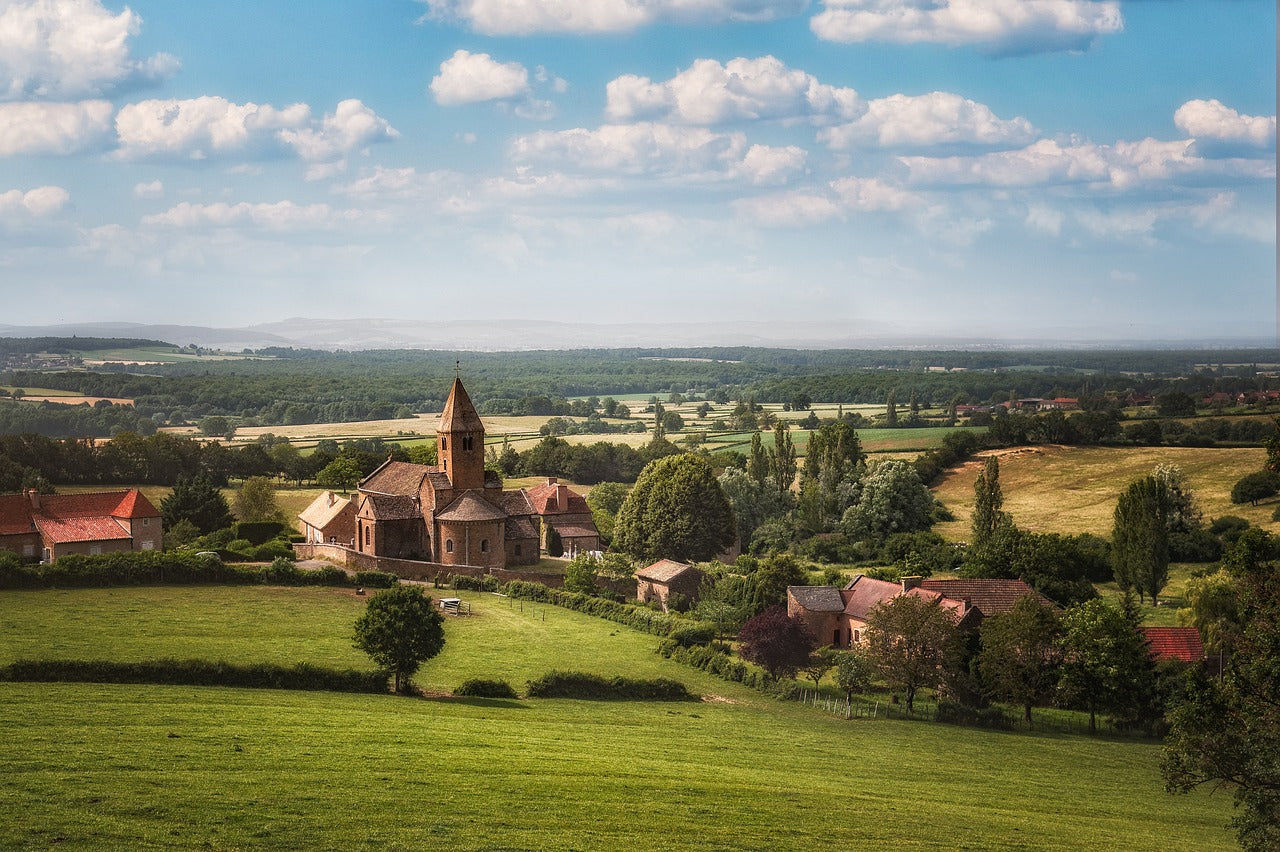
A unique territory capable of producing extraordinary wines.
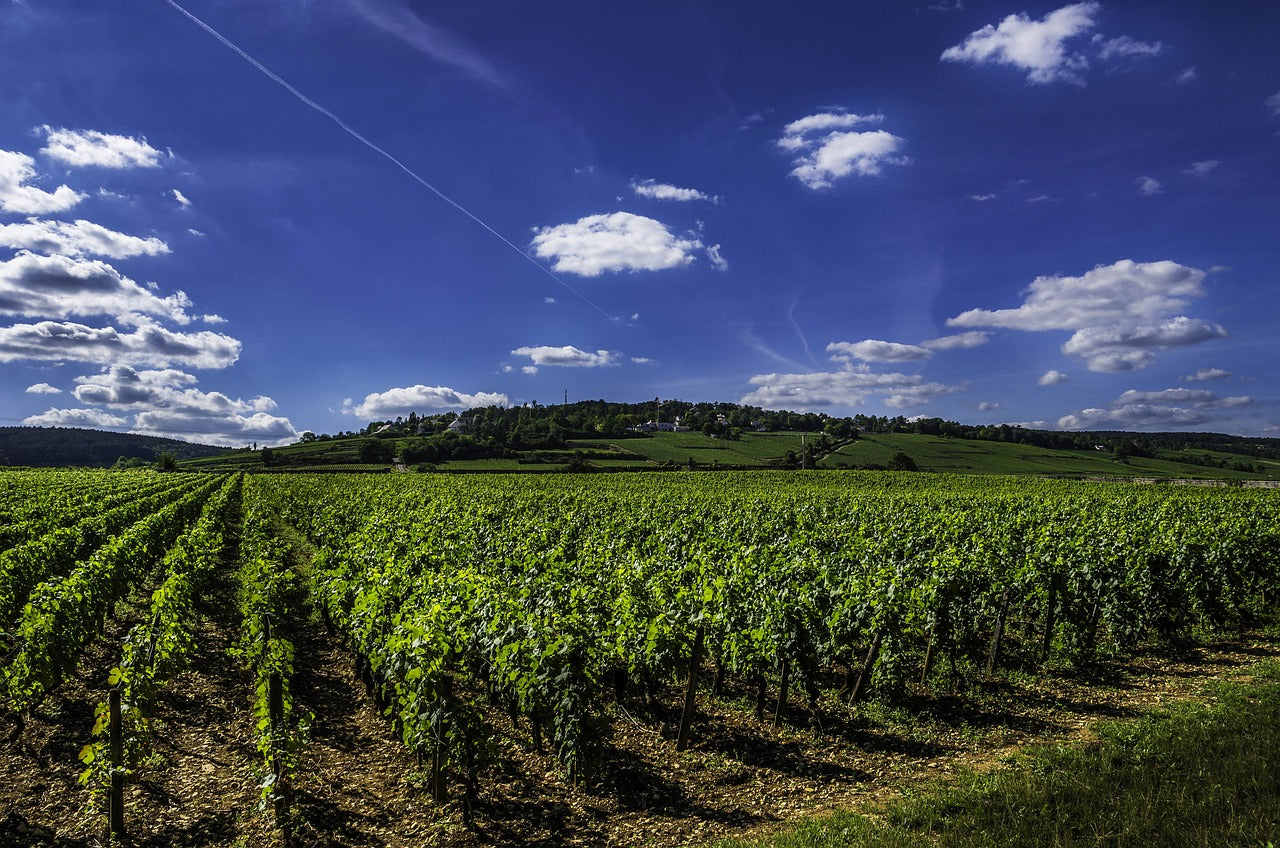
Burgundy

A unique territory capable of producing extraordinary wines.
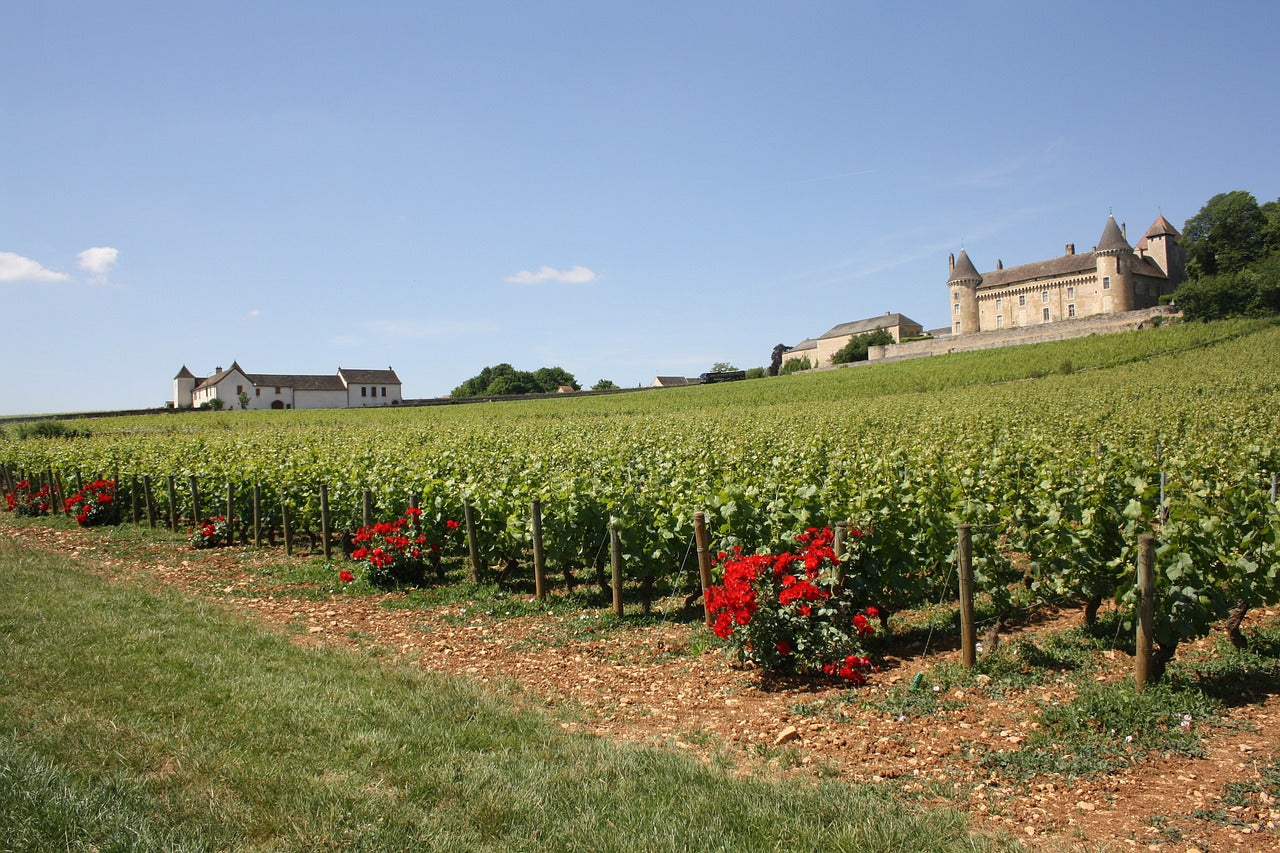
Burgundy

A unique territory capable of producing extraordinary wines.
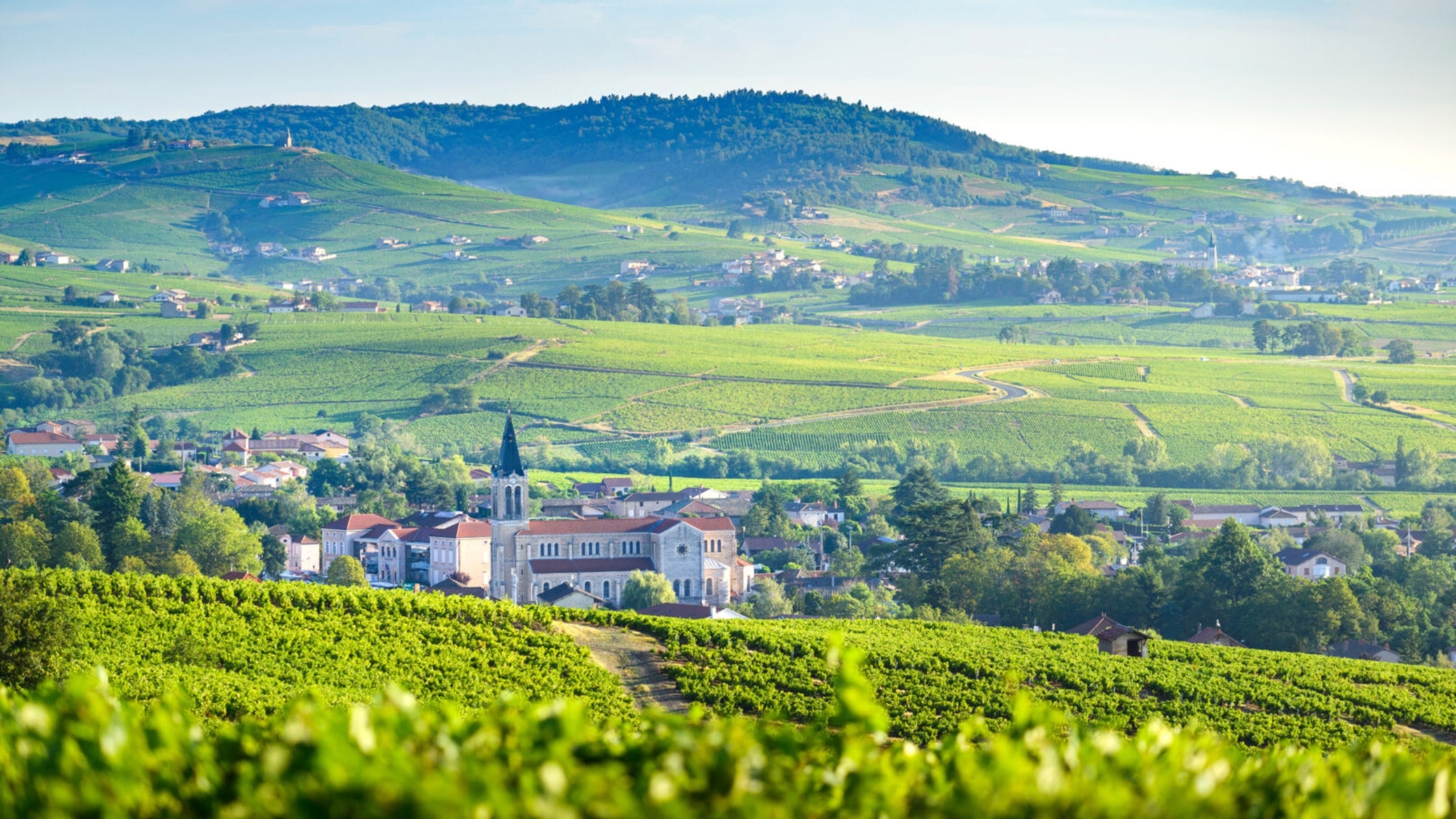
Burgundy

The pedoclimatic conditions of Burgundy, combined with the special savoir-faire of the vigneron, due to centuries of high-quality agronomic practices, result in a unique terroir. The care and specificity extend in this region to the definition of "climat," recognized by UNESCO. More selective than terroir, it refers to a single vineyard with specific characteristics of soil, climate, exposure, and cultivation methods.

The vineyards of Burgundy stretch for about 250 km from Chablis in the north to the Mâconnais, bordering the Rhône Valley, in the south.

The climate of Burgundy is predominantly continental, with slight maritime influences in the western area and Mediterranean influences in the southernmost part. Winters are cold, with fairly frequent frosts, sometimes even in spring; rainfall is minimal during the vine's budding period but intense between May and June, which can compromise flowering and thus the harvest.

The soil of Burgundy is formed from marine sedimentations mixed with limestone, marl, and clay, with limestone prevailing in the Côte d'Or, from Dijon to Chagny.

Beaujolais

Beaujolais is the southernmost wine area of Burgundy, completely distinct from the others: its climate is more similar to that of the Rhône Valley, and the wine is so unique that it is considered independently from both Burgundy and Côtes du Rhône. The wines and grape varieties differ: this is the home of Gamay and Beaujolais Nouveau, the young wine that has become so famous it has overshadowed other, much more important wines from this area. In Beaujolais, we find almost exclusively red wines, except for a small production of whites from Chardonnay and Aligoté.

The region has 12 designations, with 10 Crus. In Beaujolais, the wines can have three mentions of increasing quality: Beaujolais, Beaujolais-Villages, and Beaujolais Cru, a term that here is not used for specific vineyards but to indicate one of the ten best villages in the area: Brouilly, Chénas, Chiroubles, Côte de Brouilly, Fleurie, Juliénas, Morgon, Moulin-à-Vent, Régnié, and Saint-Amour.

Home of Gamay and Beaujolais Nouveau

Recommended pairings and dishes

Matching by concordance

A Burgundy to be paired by analogy, with medium-bodied dishes that can effectively echo the wine’s aromas, such as red meats or game with delicate spices, herb-based sauces, or dishes with mushrooms, which recall the ripe red-fruit and spice notes present in the bouquet.

Matching by contrast

Moulin-à-Vent can also be paired successfully by contrast, using its acidity and elegant tannic structure to balance slightly fatty dishes.

It pairs well with

Pork tenderloin, rabbit with mustard, small game with lentils, or pasta with mushrooms such as morels. Its finesse also makes it suitable for accompanying flavorful but not overly rich dishes, respecting the delicate yet structured character of Gamay.

Matching by concordance

A Burgundy to be paired by analogy, with medium-bodied dishes that can effectively echo the wine’s aromas, such as red meats or game with delicate spices, herb-based sauces, or dishes with mushrooms, which recall the ripe red-fruit and spice notes present in the bouquet.

Matching by contrast

Moulin-à-Vent can also be paired successfully by contrast, using its acidity and elegant tannic structure to balance slightly fatty dishes.

It pairs well with

Pork tenderloin, rabbit with mustard, small game with lentils, or pasta with mushrooms such as morels. Its finesse also makes it suitable for accompanying flavorful but not overly rich dishes, respecting the delicate yet structured character of Gamay.

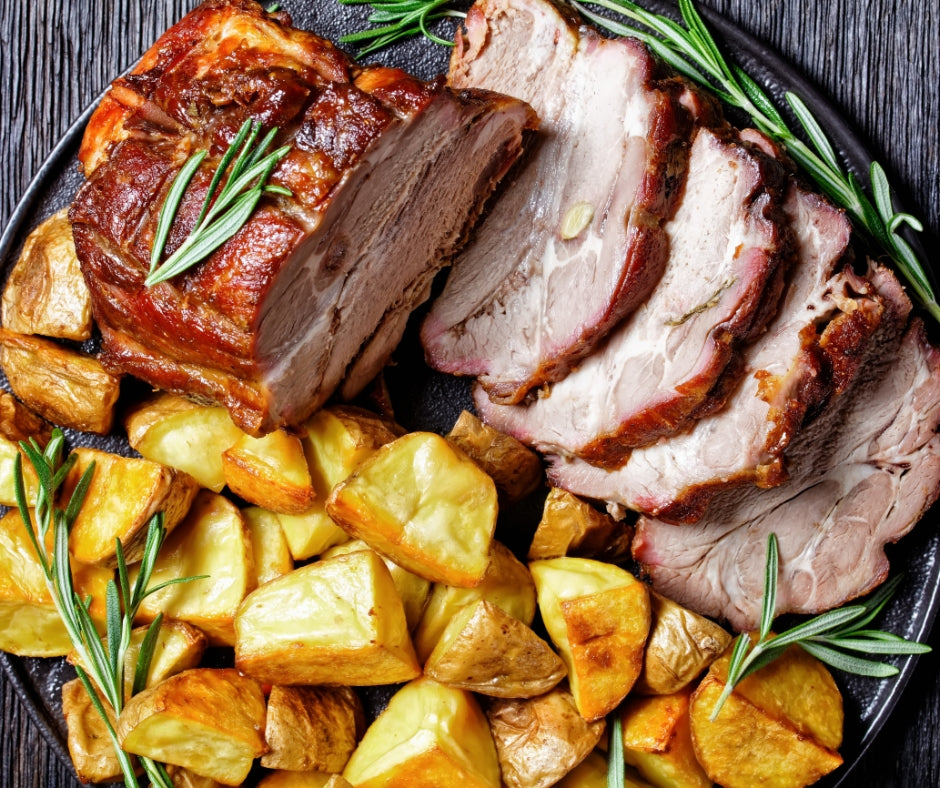
Oven-Roasted Pork

A traditional main course, served with cooked vegetables, that is easy to prepare in just 10 minutes and involves a two-step cooking process: browning the meat in a pan followed by roasting in the oven. A simple and flavorful dish.

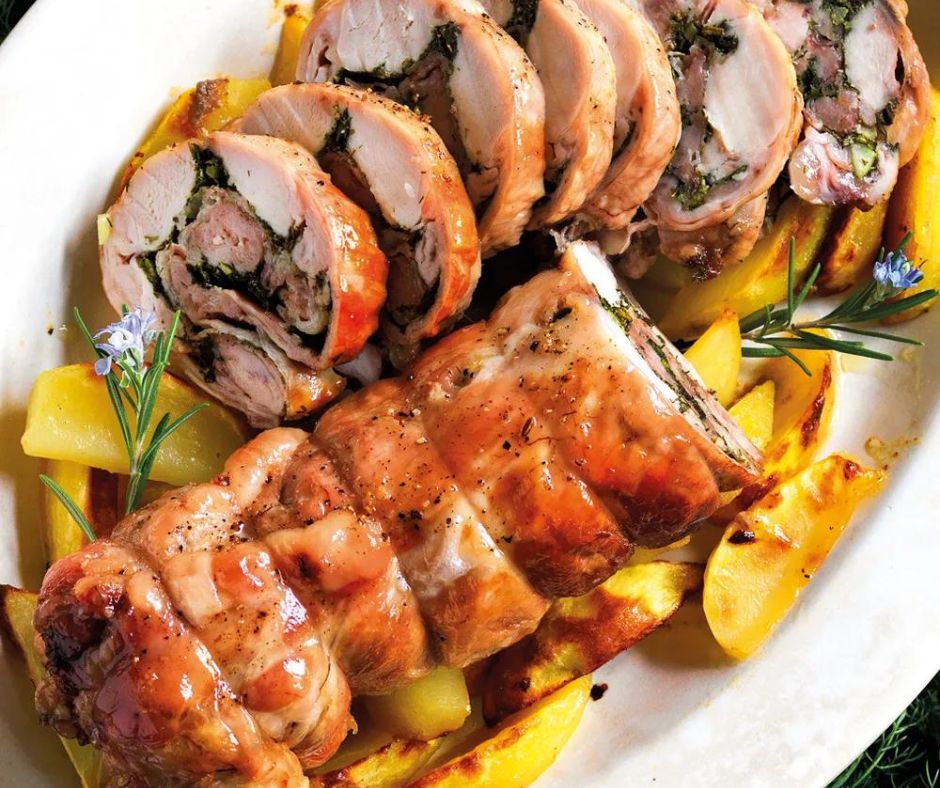
Rabbit "in Porchetta" Style

Rabbit "in porchetta" style is a typical second course from the Marche tradition: flavorful, fragrant, characterized by a lovely richness. Perfect for highly satisfying dinners.

Moulin A Vent | Domaine des Nugues , did you like it?

Tell us about it by clicking here

Moulin A Vent | Domaine des Nugues , did you like it?

Tell us about it by clicking here